

 Pregledaj u prostoru
 Pošalji
 Podeli
 Detalji o delu

 Преузми
 Slični predmeti
 Rendgenski snimak
 Slajdovi
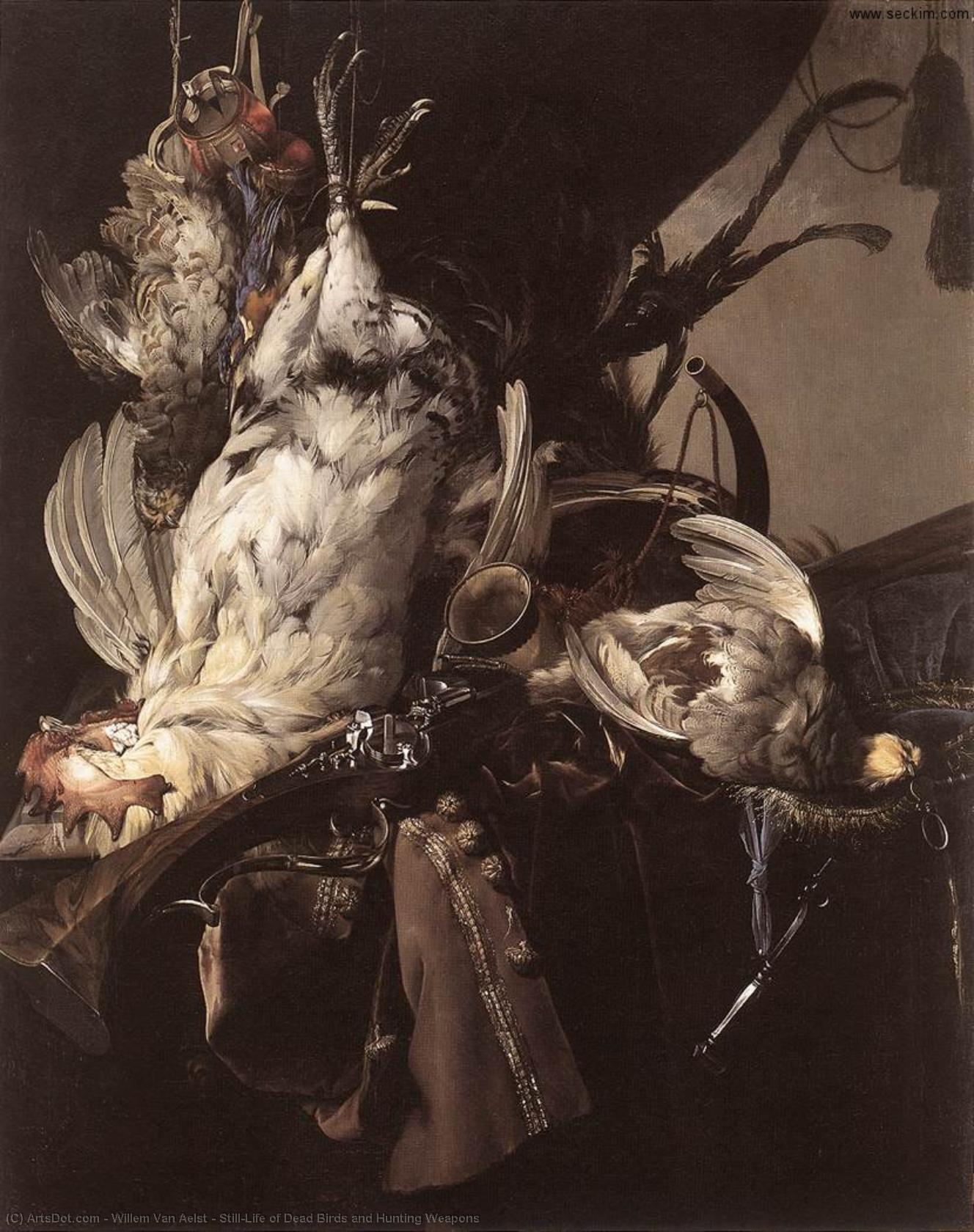
Still-Life of Dead Birds and Hunting Weapons
 Oil On Canvas
- WallArt
- Dutch Golden Age
 1660
1660 86.0 x 68.0 cm
 Staatliche Museen zu Berlin
 Pročitaj više
Ručno rađena uljana reprodukcija
Ručno oslikano uljanim bojama na platnu u dimenzijama i okviru po vašem izboru, izrađeno po porudžbini od strane naših umetnika. ( Kupi print Kupi digitalnu sliku)




P118B $10

P118H $10

P118W $10

P438Z $10

P508JH $12

P508YH $12

P805H $10

P805Z $10

P919BZ $10

P919G $10

P919XJ $10

P959ZH $10

P968JZ $12

W106C $8

W218G $10

W218JH $8

W218Y $10

W307PJ $10

W316G $10

W316PJ $8

W316Y $10

W398PJ $8

W4111J $10

W500HY $15

W500JH $15

W692G $12

W849H $8

W940BG $15

W953PJ $8




Izaberite jednu od naših unapred definisanih veličina koje odgovaraju originalnim proporcijama umetničkog dela.

Можете унети сопствене димензије како бисте прилагодили дело одређеном оквиру или простору. Ако одабрана величина не одговара пропорцијама оригинала, слика ће бити исечена или проширена додатним елементима који се ручно насликавају. Дигитални prikaz ће вам бити послат на одобрење пре почетка производње.
Имајте на уму да преглед на екрану не одражава стварно исецање или проширење. Само приказ (mockup) ће тачно приказати коначну композицију.
Иако су доступне прилагођене величине, препоручујемо да одаберете димензију из дефинисане листе како бисте сачували оригиналне пропорције.
Nakon narudžbine, tim ArtsDot.com će klijentu putem e-pošte poslati uputstva i dostaviti prikaz predloženog rešenja
Isporuka širom sveta () za 3/4 nedelje umesto uobičajenih 5 nedelja. (24 август). Bez kompromisa po pitanju kvaliteta.

Besplatna ekspresna dostava širom sveta

Visokokvalitetno laneno platno

Kompletno osiguranje transporta

Garancija povraćaja carine i uvoznih dažbina

Garancija vernosti boja

Politika povrata u roku od 60 dana (samo u slučaju nedostataka)

Garancija povrata novca od 100%

Popust pri grupnoj kupovini
 Opcija sa staklom dostupna je samo za dimenzije manje od 110 cm

Still-Life of Dead Birds and Hunting Weapons
Tehnika reprodukcije
Dimenzije reprodukcije
-


Konačna cena
$ 263
Opis umetničkog dela
A Haunting Still Life: Willem van Aelst’s ‘Still-Life of Dead Birds and Hunting Weapons’
Willem van Aelst's “Still-Life of Dead Birds and Hunting Weapons,” painted circa 1660, is not merely a depiction of objects; it’s a meticulously crafted tableau brimming with unsettling beauty and layered symbolism. This oil on canvas, currently residing in the Staatliche Museen zu Berlin, offers a profound glimpse into the Dutch Golden Age's fascination with death, honor, and the precarious balance between man and nature. Van Aelst, a master of still life who honed his skills under his uncle Evert van Aelst, elevates the commonplace to an arena of quiet drama, inviting prolonged contemplation on its complex meanings.
The composition itself is strikingly deliberate. The arrangement of the deceased birds – meticulously rendered with varying postures and plumage – immediately draws the eye. They are not presented as tragic victims but rather as trophies, arranged with a studied formality that borders on unsettling. Scattered amongst them are the implements of hunting: a gleaming knife, a finely crafted bow and arrow, and a delicate goblet, all reflecting an aristocratic sensibility. The inclusion of these items speaks to the social context of the painting – a celebration of the Dutch merchant class’s wealth and mastery over both land and wildlife. Van Aelst's skill lies in his ability to imbue even the most mundane objects with a sense of significance; the goblet, for instance, hints at conviviality and perhaps even excess, while the hunting weapons underscore themes of power and control.
The Language of Death and Honor
Van Aelst’s work is deeply rooted in the prevailing cultural attitudes toward death and honor prevalent during the 17th century. The Dutch Republic was a nation built on maritime trade and military prowess, where concepts of status, wealth, and martial valor were paramount. Hunting, particularly big game hunting, was not simply a pastime but a demonstration of skill, courage, and social standing – a ritualistic enactment of masculine ideals. The dead birds, therefore, are not presented as symbols of sorrow but rather as emblems of successful conquest. The positioning of the birds—some lying prone, others upright—suggests a narrative of struggle and triumph, mirroring the values held by Dutch society at the time.
Furthermore, the inclusion of the hunting weapons carries a potent symbolic weight. The knife, often associated with both violence and artistry, represents the skill required to dispatch prey. The bow and arrow symbolize precision and control, while the goblet hints at the celebratory aftermath of a successful hunt – a moment of indulgence and recognition. The overall arrangement creates a carefully constructed dialogue between life and death, suggesting that both are inextricably linked within the framework of Dutch societal values.
A Masterful Technique: Trompe-l'oeil and Atmospheric Depth
Van Aelst’s technical prowess is evident in every detail of this painting. He employs a sophisticated technique known as *trompe l'oeil* – literally “to fool the eye” – to create an illusion of three-dimensionality, making the objects appear to spill out from the canvas and engage with the viewer. The meticulous rendering of textures—the feathers, the metal, the wood—further enhances this effect, drawing the observer into the scene. The artist’s use of light and shadow is equally masterful, creating a sense of atmospheric depth that adds to the painting's realism and drama.
Notably, Van Aelst was influenced by earlier masters such as Jacopo de’ Barbari and Lucas Cranach the Elder, who similarly depicted still lifes featuring dead animals. However, Van Aelst elevates these themes with a distinctly Dutch sensibility, imbuing them with a subtle moral commentary that reflects the values of his time. The painting's rich palette—a blend of earthy browns, deep reds, and shimmering golds—contributes to its overall sense of opulence and sophistication.
Emotional Resonance and Lasting Legacy
Despite its seemingly detached aesthetic, “Still-Life of Dead Birds and Hunting Weapons” possesses a profound emotional resonance. The painting’s unsettling beauty evokes a complex mixture of fascination, melancholy, and perhaps even unease. It serves as a poignant reminder of the transient nature of life and the inevitability of death—themes that have captivated artists and viewers for centuries. Van Aelst's work continues to resonate today, offering a unique window into the cultural values and artistic sensibilities of the Dutch Golden Age.
Reproductions of this iconic painting offer an exceptional opportunity to bring this masterful work into any interior space. The intricate details and evocative atmosphere will undoubtedly serve as a conversation piece, inviting contemplation and adding a touch of timeless elegance to any room.
Srodna umetnička dela


Povezani članci

Rembrandt van Rijn: 25 Majstorstava Svetla i Senke za Vaš Dom | ArtsDot
Uronite u svet Rembrandta van Rijna! Otkrijte 25 najlepših dela holandskog majstora – portrete, istorijske scene i biblijska platna. Kvalitetne reprodukcije slika za dekoraciju enterijera dostupne na ArtsDot.com.
Abraham Hendricksz van Beyeren: Pioneering Dutch Still Life & the Banquet Tradition
Explore the captivating world of Dutch Golden Age still life with Abraham van Beyeren. Discover his innovative techniques, symbolic banquet scenes & lasting influence on art history. Learn about collecting these masterpieces.
The Enduring Appeal of Still Life: A Historical & Contemporary Exploration
Explore the rich history & symbolism of still life painting with ArtsDot. Discover masterpieces from the Dutch Golden Age, learn about vanitas art, and find expert guidance for collecting timeless artworks.
Jan van Kessel the Elder: A Baroque Master of Floral Still Life & Miniature Portraiture
Discover the exquisite detail of Jan van Kessel the Elder's Baroque floral still lifes & captivating miniatures. Explore his artistic legacy, scientific precision, and lasting influence on 17th-century Flemish painting.

Early Netherlandish Masters: 10 Paintings That Revolutionized Art & Decor
Journey into the world of Early Netherlandish painting! Explore 10 masterpieces by Jan van Eyck, Rogier van der Weyden & more. Discover stunning detail, symbolism & Renaissance art for your home decor. Find museum-quality reproductions on ArtsDot.com

