

 Pregledaj u prostoru
 Pošalji
 Podeli
 Detalji o delu

 Преузми
 Slični predmeti
 Rendgenski snimak
 Slajdovi
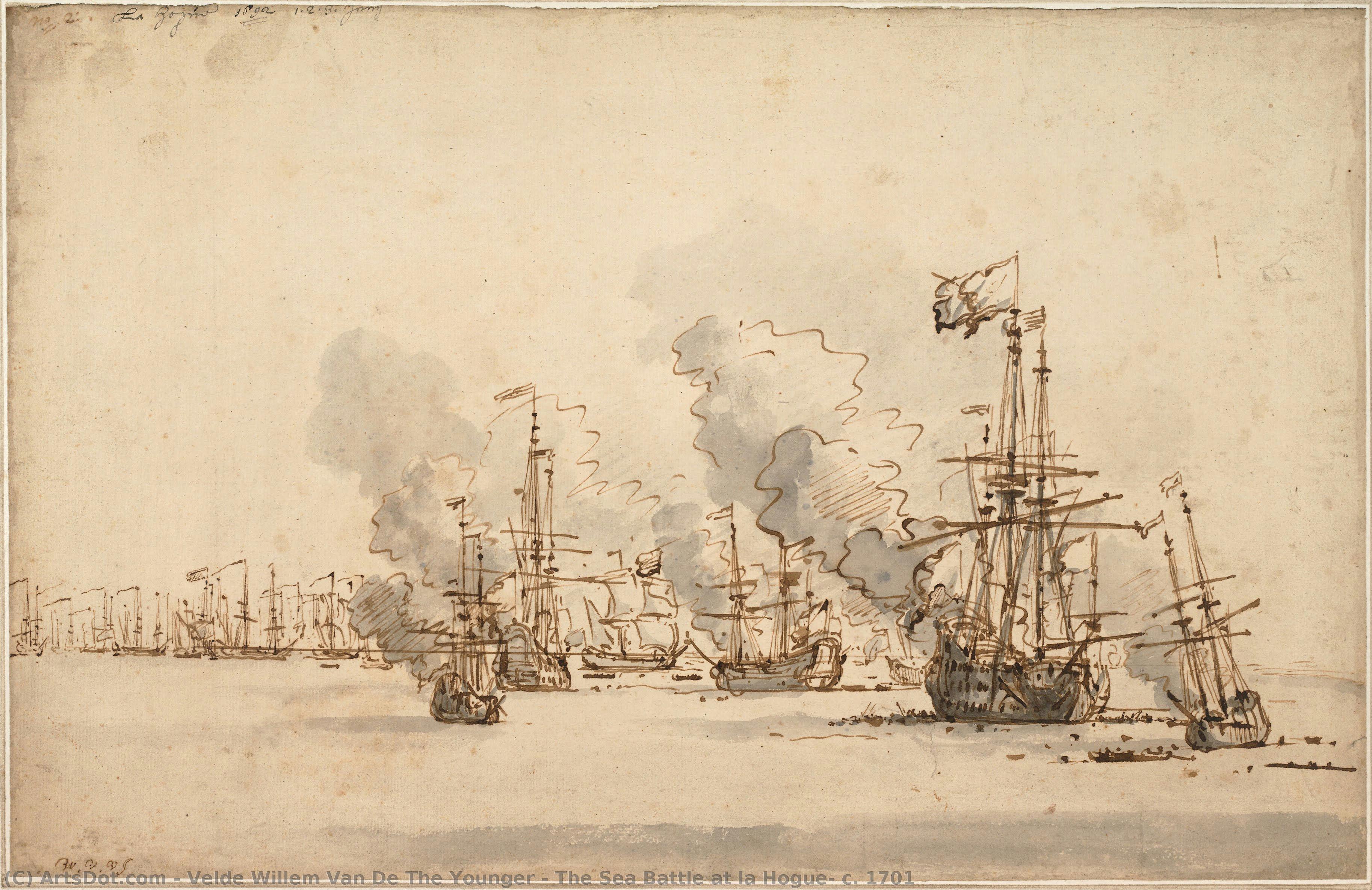
The Sea Battle at la Hogue, c. 1701


 Pročitaj više
Giclee štampa / Umetnički otisak
Giclée štampa ili print na platnu muzejskog kvaliteta uz brzu proizvodnju i fleksibilne opcije završne obrade. ( Kupi ručno naslikanu sliku Kupi digitalnu sliku)




P118B $10

P118H $10

P118W $10

P438Z $10

P508JH $12

P508YH $12

P805H $10

P805Z $10

P919BZ $10

P919G $10

P919XJ $10

P959ZH $10

P968JZ $12

W106C $8

W218G $10

W218JH $8

W218Y $10

W307PJ $10

W316G $10

W316PJ $8

W316Y $10

W398PJ $8

W4111J $10

W500HY $15

W500JH $15

W692G $12

W849H $8

W940BG $15

W953PJ $8




Izaberite jednu od naših unapred definisanih veličina koje odgovaraju originalnim proporcijama umetničkog dela.

Možete uneti sopstvene dimenzije kako biste umetničko delo prilagodili specifičnom okviru ili prostoru. Ako odabrani format ne odgovara proporcijama originalne slike, mi ćemo ili iscrtati deo dela ili proširiti sliku pomoću ogledane ivice ili jednobojnog popunjavanja. Digitalni prikaz će vam biti poslat na odobrenje pre početka proizvodnje.
Imajte na umu da pregled na ekranu ne odražava stvarno iscrtavanje ili proširivanje. Samo će prikaz (mockup) precizno pokazati finalnu kompoziciju.
Iako su prilagođene dimenzije dostupne, preporučujemo da odaberete dimenziju sa unapred definisane liste kako biste očuvali originalne proporcije.
Dostava širom sveta () za 2 nedelje umesto uobičajenih 4/5 nedelja. (30 август)

Besplatna ekspresna dostava širom sveta

Visokokvalitetno laneno platno

Kompletno osiguranje transporta

Garancija povraćaja carine i uvoznih dažbina

Garancija vernosti boja

Politika povrata u roku od 60 dana (samo u slučaju nedostataka)

Garancija povrata novca od 100%

Popust pri grupnoj kupovini
 Opcija sa staklom dostupna je samo za dimenzije manje od 110 cm

The Sea Battle at la Hogue, c. 1701
Giclee štampa / Umetnički otisak
Dimenzije reprodukcije
-


Konačna cena
$ 62
The Sea Battle at la Hogue, c. 1701: A Dutch Masterpiece of Naval Drama
Willem van de Velde the Younger’s “The Sea Battle at la Hogue, c. 1701” is not merely a depiction of naval combat; it's a meticulously rendered tableau of chaos, strategy, and the brutal beauty of maritime warfare. Painted around 1701, this oil-on-canvas work transports us directly to the heart of one of the most pivotal engagements of the Nine Years’ War – a clash that dramatically shifted the balance of power in Europe. More than just a historical record, it's a testament to Van de Velde’s extraordinary skill in capturing both the technical precision of sailing ships and the visceral drama of battle.
The painting immediately commands attention with its dynamic composition. Nine vessels, each rendered with astonishing detail – from the intricate rigging to the billowing sails – engage in a furious exchange of cannon fire. The artist masterfully utilizes perspective, drawing the viewer’s eye towards the central action while simultaneously establishing a sense of depth and scale. Notice how the smoke plumes rising from the ships create an atmospheric haze, intensifying the feeling of urgency and conflict. The scene is not romanticized; it's gritty, realistic, and undeniably unsettling.
A Window into 17th-Century Naval Warfare
Understanding the historical context is crucial to appreciating “The Sea Battle at la Hogue.” This battle, fought off the coast of Normandy in 1692, represented a decisive victory for the Dutch fleet against the combined forces of England and France. The engagement was strategically vital, preventing an English invasion of the Netherlands and solidifying Dutch maritime dominance. Van de Velde’s commission to document this event reflects the importance placed on naval power during that era – a time when control of the seas dictated political influence and economic prosperity.
The ships themselves are remarkably accurate representations of 17th-century vessels, meticulously researched by Van de Velde and his father, Willem van de Velde the Elder. The artist’s attention to detail extends beyond mere representation; he captures the nuances of ship design, highlighting the complex interplay between hull shape, sail configuration, and rigging – elements that directly impacted a ship's speed, maneuverability, and firepower. The inclusion of figures on deck—commanders directing operations, gunners loading cannons—adds a human element to the scene, reminding us that this was not just a mechanical contest but a struggle for survival.
Technique and Artistic Style
Van de Velde’s artistic style is characterized by a remarkable blend of realism and dynamism. He employed a technique known as “grisaille,” using monochrome underpaintings to establish the composition, perspective, and tonal values before applying color. This approach allowed him to build up the image gradually, ensuring accuracy and control. The use of layered brushstrokes creates a sense of texture and movement, particularly evident in the depiction of the billowing sails and the churning water.
The painting’s palette is restrained, dominated by muted browns, grays, and blues – colors that effectively convey the atmosphere of smoke, mist, and turbulent seas. However, Van de Velde skillfully uses highlights to draw attention to key elements, such as the flashes of cannon fire and the gleaming surfaces of the ships' hulls. The overall effect is one of dramatic intensity, balanced by a remarkable degree of technical precision.
Symbolism and Emotional Impact
Beyond its historical significance, “The Sea Battle at la Hogue” resonates with powerful symbolic meaning. The battle itself represents the clash between competing empires – the struggle for dominance in Europe. The depiction of destruction and chaos evokes a sense of vulnerability and mortality, reminding us of the human cost of war. Yet, amidst the turmoil, there is also a certain beauty—a fascination with the power and majesty of naval warfare.
Reproductions of this masterpiece offer an exceptional opportunity to bring this dramatic scene into your home or office. Whether displayed as a statement piece in a grand living room or as a subtle accent in a study, “The Sea Battle at la Hogue” will undoubtedly captivate viewers with its historical detail, artistic skill, and evocative power. It’s more than just a painting; it's a window into a pivotal moment in European history.
Srodna umetnička dela
Biografija umetnika
Живот и рани године Вилема ван де Велдеа Млађег
Вилем ван де Велдe Млађи, рођен 1633. године у Лејдену, Холандија, био је изузетан холандски марински сликар чије су слике постале синоним Златног века холандског сликарства. Као син Вилема ван де Велдеа Старијег, већ признатог уметника морских пејзажа, Вилем Млађи је од раног узраста био потопљен у свет боја и таласа. Њгов отац му је пружио прве часове сликарства, а касније се школовао код Симона де Влигера, угледног маринског сликара чији је стил значајно обликовао Вилемов рани рад. Већ у младости показао је изузетан таленат за прецизно представљање бродова и морских сцена, наслеђујући страст оца али развијајући свој посебан изражај. Лејден, град универзитета и просперитета, пружио му је инспиративан амбијент у коме су цветале уметност и трговина, што се одразило и на њедове ране радове.Уметнички стил и карактеристике дела
Вилем ван де Велдe Млађи је био мајстор детаља и реализма. Његов стил се одликује прецизним цртежом бродова, пажљивом репродукцијом ригинга и изузетно фином обрадом боја. За разлику од многих својих савременика који су се фокусирали на драматичне олује и бурне морске битке, Вилем је често сликао мирне сцене, прилагођавајући пажњу ка сложеностим бродова и њиховим посадама. Његови радови одликују се великим бројем фигура које су вешто уклопљене у композицију како би испричале причу или пренеле атмосферу дневног живота на мору. Светлост игра кључну улогу у његовим делима, стварајући реалистичан ефекат и додајући дубину сликама. Међу његова најпознатија дела спадају "Холандски ратни бродови и други бродови у спокојној води", "Морска битка код Ла Хога" (чувана у Албертини у Бечу) и "Спокој - два холандска брода".Развој каријере и сарадња
Вилемова каријера је достигла врхунац током друге половине 17. века, периода великог просперитета за холандску трговину и поморство. Радио је у блиској сарадњи са својим оцем, а често су заједно радили на великим композицијама, где би се Вилем Старији фокусирао на позадину и атмосферу, док би Млађи радио детаље бродова и фигура. Ова сарадња је резултирала делима изузетне квалитете и прецизности. Касније у каријери, Вилем се преселио у Лондон где је постао дворски сликар краља Чарлса II, што му је омогућило да слика сцене које су приказивале енглеску морнарицу и краљевске догађаје. Ово раздобље представља значајан део његовог опуса, у коме се види комбинација холандског реализма и енглеских дворских традиција.Наслеђе и утицај Вилема ван де Велдеа Млађег
Вилем ван де Велдe Млађи је оставио неизбрисив траг у историји сликарства. Његов реалистичан приступ, пажња ка детаљима и способност да пренесе суштину мора учинили су га једним од најзначајнијих маринских сликара Златног века. Утицао је на генерације уметника који су дошли после њега, а његов рад се и данас цени због своје лепоте и историјске вредности. Његове слике се чувају у престижним музејима широм света, укључујући Мураитшуис у Хагу, где посетиоци могу да виде његова ремек-дела. Утицај Вилемовог рада може се пронаћи и код каснијих маринских сликара попут Џ.М.В. Тернера, који је такође био фасциниран морем и атмосфером. Његово дело представља драгоцен део културног наслеђа Холандије, а његова способност да заустави тренутак у времену на платну чини га вечним класиком.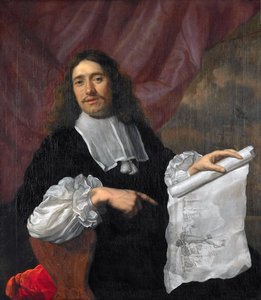
Вилем Ван Де Велде Млађи
1633 - 1707 , Холандија
Osnovne informacije
- Artistic Movement Or Style: Holandska pomorska slika
- Artists Or Movements Influenced By This Artist: ['J.M.W. Turner']
- Artists Who Influenced This Artist:
- Simon de Vlieger
- Jan van de Cappelle
- Date Of Birth: 1633 Leiden Holandija
- Date Of Death: 6. april 1707 London
- Full Name: Willem van de Velde II
- Nationality: Holanđanin
- Notable Artworks:
- Brodovi u mirnom moru
- Pomorska bitka kod La Hoga
- Mir - dva holandska broda
- Tri broda u oluji
- Holandski brodovi u miru
- Place Of Birth (City And Country): Leiden, Holandija
Povezani članci
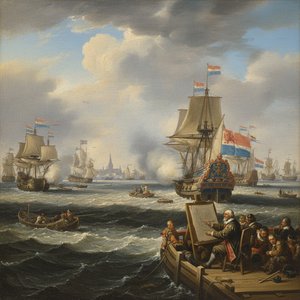
Willem van de Velde the Elder: Master of Maritime Painting & Chronicler of the Dutch Golden Age
Discover the captivating maritime paintings of Willem van de Velde the Elder, a master chronicler of the Dutch Golden Age. Explore his unparalleled realism and lasting influence on naval art history.

Zlatno doba Holandske umetnosti: Top 10 remek dela za vaš dom
Otkrijte remek dela Holandskog zlatnog doba! Uronite u svet Rembrandta, Vermeera i drugih majstora. 10 ikoničnih slika koje su definisale umetnost. Inspiracija za vaš dom i kolekciju - ekskluzivne reprodukcije na ArtsDot.com!

Rembrandt van Rijn: 25 Majstorstava Svetla i Senke za Vaš Dom | ArtsDot
Uronite u svet Rembrandta van Rijna! Otkrijte 25 najlepših dela holandskog majstora – portrete, istorijske scene i biblijska platna. Kvalitetne reprodukcije slika za dekoraciju enterijera dostupne na ArtsDot.com.

Golden Age Reflections: Dutch Baroque Painting & Cultural Innovation
Explore the Dutch Golden Age of painting! Discover key artists like Vermeer & ter Borch, their innovative techniques, and the rich cultural context behind these Baroque masterpieces. Learn about collecting & appreciating this iconic art period.
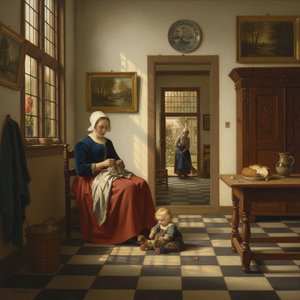
Pieter de Hooch: Illuminating Dutch Domestic Life & Golden Age Charm
Explore the captivating world of Pieter de Hooch, a master of Dutch Golden Age painting. Discover his innovative use of light, intimate domestic scenes, and lasting influence on art history. Learn more at ArtsDot.

