

 Pregledaj u prostoru
 Pošalji
 Podeli
 Detalji o delu

 Преузми
 Slični predmeti
 Rendgenski snimak
 Slajdovi
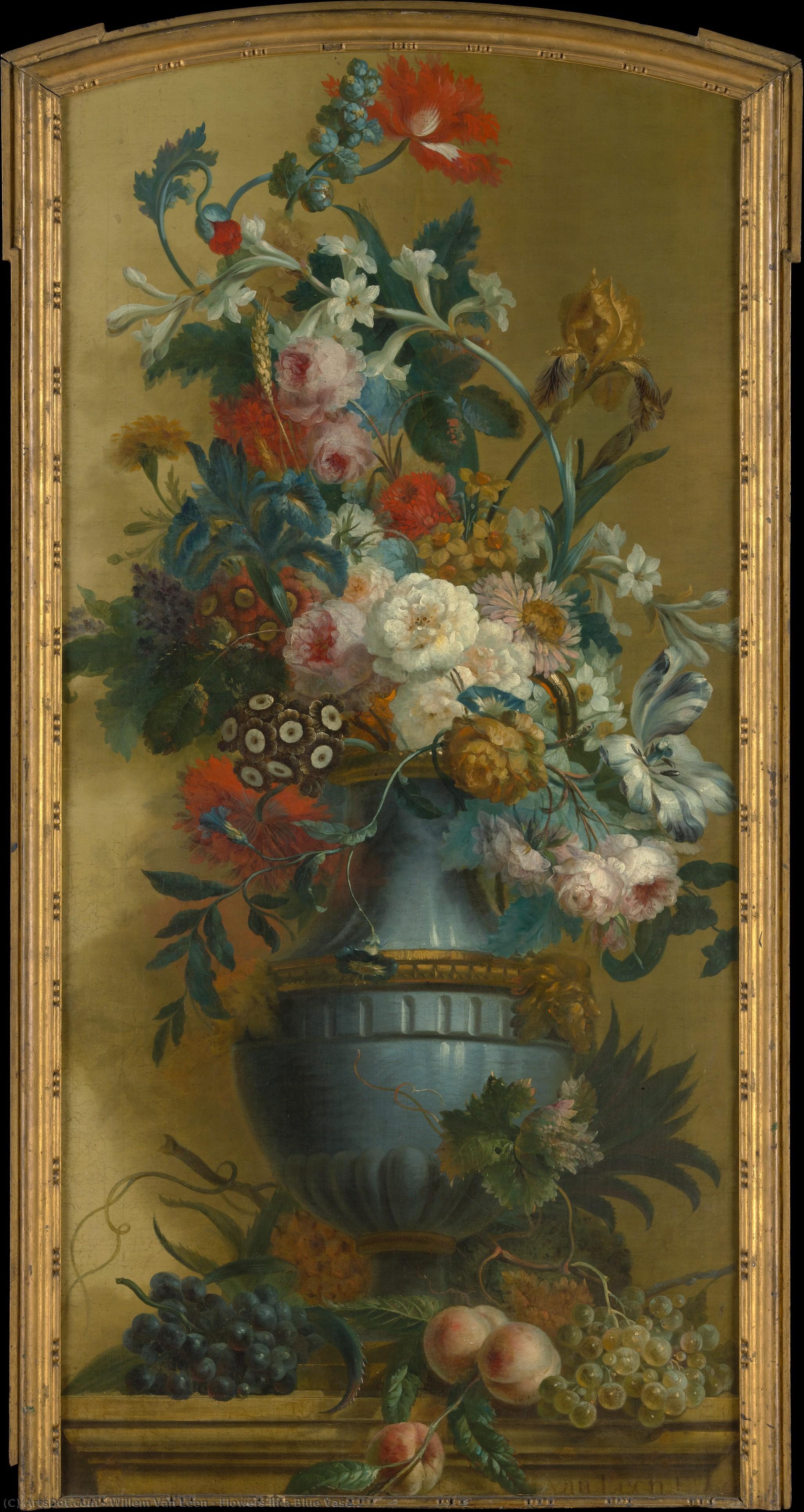
Flowers in a Blue Vase
 701
701 140.0cm x 74.0cm
 Pročitaj više
Ručno rađena uljana reprodukcija
Ručno oslikano uljanim bojama na platnu u dimenzijama i okviru po vašem izboru, izrađeno po porudžbini od strane naših umetnika. ( Kupi print Kupi digitalnu sliku)




































Izaberite jednu od naših unapred definisanih veličina koje odgovaraju originalnim proporcijama umetničkog dela.

Можете унети сопствене димензије како бисте прилагодили дело одређеном оквиру или простору. Ако одабрана величина не одговара пропорцијама оригинала, слика ће бити исечена или проширена додатним елементима који се ручно насликавају. Дигитални prikaz ће вам бити послат на одобрење пре почетка производње.
Имајте на уму да преглед на екрану не одражава стварно исецање или проширење. Само приказ (mockup) ће тачно приказати коначну композицију.
Иако су доступне прилагођене величине, препоручујемо да одаберете димензију из дефинисане листе како бисте сачували оригиналне пропорције.
Nakon narudžbine, tim ArtsDot.com će klijentu putem e-pošte poslati uputstva i dostaviti prikaz predloženog rešenja
Isporuka širom sveta () za 3/4 nedelje umesto uobičajenih 5 nedelja. (27 август). Bez kompromisa po pitanju kvaliteta.

Besplatna ekspresna dostava širom sveta

Visokokvalitetno laneno platno

Kompletno osiguranje transporta

Garancija povraćaja carine i uvoznih dažbina

Garancija vernosti boja

Politika povrata u roku od 60 dana (samo u slučaju nedostataka)

Garancija povrata novca od 100%

Popust pri grupnoj kupovini
 Opcija sa staklom dostupna je samo za dimenzije manje od 110 cm

Flowers in a Blue Vase
Tehnika reprodukcije
Dimenzije reprodukcije
-


Konačna cena
$ 263
Srodna umetnička dela








Biografija umetnika
A Discreet Eye for Dutch Society: The Life and Art of Willem van Leen
Willem van Leen, born in Dordrecht in 1753, occupies a fascinating, if often understated, position within the landscape of 18th-century Dutch art. While not achieving the widespread renown of some contemporaries, his work provides an intimate glimpse into the lives and tastes of Amsterdam’s burgeoning middle class during a period of remarkable prosperity and cultural refinement. Van Leen wasn't a painter of grand historical narratives or sweeping landscapes; instead, he cultivated a niche specializing in cabinet pictures – small-scale portraits and still lifes designed for private enjoyment and domestic display. This focus reveals much about the values and aspirations of his clientele, who sought art that reflected their own comfortable existence rather than lofty ideals. His career unfolded during a time when the Dutch Republic was transitioning from its Golden Age zenith, yet retained a strong appreciation for artistic skill and meticulous detail.Early Training and Influences
Details regarding Van Leen’s formal training remain somewhat scarce, but it is known he received instruction in Dordrecht before relocating to Amsterdam, the vibrant heart of Dutch commerce and culture. The influence of earlier masters is readily apparent in his work. He became particularly adept at replicating the styles of Peter Paul Rubens and Anthony van Dyck, producing copies that were highly sought after by collectors. However, Van Leen wasn’t merely a copyist; he absorbed the techniques and compositional principles of these artists, adapting them to suit his own aesthetic sensibilities and the preferences of his patrons. The rich color palettes and dynamic brushwork characteristic of Rubens are evident in some of his still lifes, while the elegant poses and refined portraiture reflect Van Dyck’s influence. This ability to synthesize established styles with a distinctly Dutch sensibility became a hallmark of his oeuvre. He skillfully balanced imitation with originality, creating works that were both respectful of tradition and uniquely his own.The World of Cabinet Pictures: Portraits and Still Lifes
Van Leen’s artistic output primarily consisted of two genres: portraits and still lifes. His portraits, typically small in scale, depict members of Amsterdam society – merchants, their wives, and other affluent citizens. These are not imposing statements of power or status; rather, they offer intimate portrayals of individuals within the context of their homes and daily lives. He possessed a keen eye for capturing likenesses, but also imbued his subjects with a sense of personality and quiet dignity. His still lifes, often featuring arrangements of flowers and fruits, demonstrate an exceptional level of technical skill. He meticulously rendered textures, light, and shadow, creating compositions that are both visually appealing and symbolic. The inclusion of specific flowers or fruits could carry hidden meanings, reflecting the virtues or aspirations of the patron. For example, a pomegranate might symbolize fertility, while lilies often represented purity.Technique and Style: A Master of Detail
Van Leen’s technique was characterized by meticulous attention to detail and a masterful command of oil paint. He employed a smooth, refined brushstroke, creating surfaces that are remarkably lifelike. His color palettes were typically rich and vibrant, reflecting the influence of Rubens and other Baroque masters. He excelled at capturing the play of light on different textures – the velvety petals of flowers, the glossy skin of fruit, the delicate fabrics of clothing. This attention to detail wasn’t merely a matter of technical virtuosity; it also served to enhance the symbolic meaning of his works. The realism of his still lifes, for example, underscored the abundance and prosperity enjoyed by his patrons. His portraits, while small in scale, were nonetheless imbued with a sense of presence and individuality.Legacy and Historical Significance
While Willem van Leen may not be a household name today, his work offers valuable insights into the cultural values and artistic tastes of 18th-century Amsterdam. He was a skilled craftsman who successfully catered to the demands of a discerning clientele. His copies of Rubens and Van Dyck demonstrate his technical prowess and appreciation for earlier masters, while his original portraits and still lifes provide an intimate glimpse into the lives of Dutch society during a period of transition.- His cabinet pictures reflect the growing importance of domestic life and private enjoyment.
- He skillfully blended imitation with originality, creating works that were both respectful of tradition and uniquely his own.
- Van Leen’s attention to detail and mastery of oil paint make him a significant figure in Dutch portraiture and still life painting.
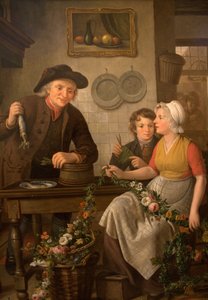
willem van leen
1753 - 1825 , Netherlands
Osnovne informacije
- Artistic Movement Or Style: Flower Painting
- Artists Or Movements Influenced By This Artist: ['Van Dyck']
- Artists Who Influenced This Artist:
- Jan van Goyen
- Rubens
- Date Of Birth: 1753, Dordrecht
- Date Of Death: 1825, Delfshaven
- Full Name: Willem van Leen
- Nationality: Dutch
- Notable Artworks: ['Flowers in a Blue Vase']
- Place Of Birth: Dordrecht, Netherlands

