 Pregledaj u prostoru
 Pošalji
 Podeli
 Detalji o delu

 Преузми
 Slični predmeti
 Rendgenski snimak
 Slajdovi
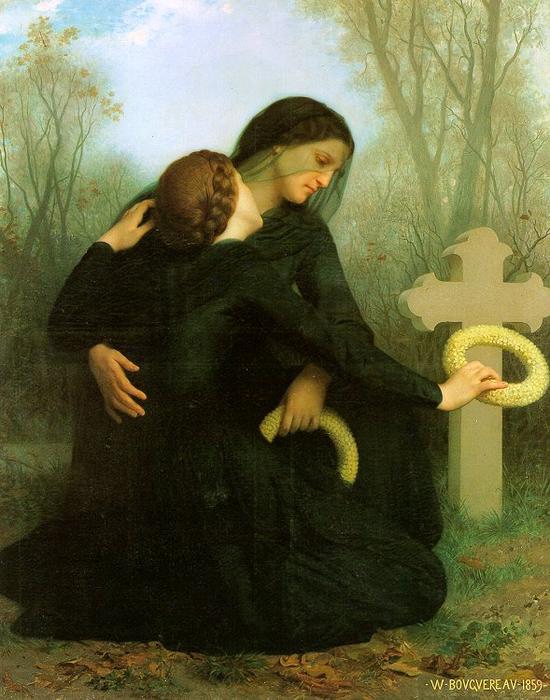
Le Jour des Morts (also known as All Saints Day)


 Pročitaj više
Ručno rađena uljana reprodukcija
Ručno oslikano uljanim bojama na platnu u dimenzijama i okviru po vašem izboru, izrađeno po porudžbini od strane naših umetnika. ( Kupi print Kupi digitalnu sliku)




P118B $10

P118H $10

P118W $10

P438Z $10

P508JH $12

P508YH $12

P805H $10

P805Z $10

P919BZ $10

P919G $10

P919XJ $10

P959ZH $10

P968JZ $12

W106C $8

W218G $10

W218JH $8

W218Y $10

W307PJ $10

W316G $10

W316PJ $8

W316Y $10

W398PJ $8

W4111J $10

W500HY $15

W500JH $15

W692G $12

W849H $8

W940BG $15

W953PJ $8




Izaberite jednu od naših unapred definisanih veličina koje odgovaraju originalnim proporcijama umetničkog dela.

Можете унети сопствене димензије како бисте прилагодили дело одређеном оквиру или простору. Ако одабрана величина не одговара пропорцијама оригинала, слика ће бити исечена или проширена додатним елементима који се ручно насликавају. Дигитални prikaz ће вам бити послат на одобрење пре почетка производње.
Имајте на уму да преглед на екрану не одражава стварно исецање или проширење. Само приказ (mockup) ће тачно приказати коначну композицију.
Иако су доступне прилагођене величине, препоручујемо да одаберете димензију из дефинисане листе како бисте сачували оригиналне пропорције.
Nakon narudžbine, tim ArtsDot.com će klijentu putem e-pošte poslati uputstva i dostaviti prikaz predloženog rešenja
Isporuka širom sveta () za 3/4 nedelje umesto uobičajenih 5 nedelja. (23 август). Bez kompromisa po pitanju kvaliteta.

Besplatna ekspresna dostava širom sveta

Visokokvalitetno laneno platno

Kompletno osiguranje transporta

Garancija povraćaja carine i uvoznih dažbina

Garancija vernosti boja

Politika povrata u roku od 60 dana (samo u slučaju nedostataka)

Garancija povrata novca od 100%

Popust pri grupnoj kupovini
 Opcija sa staklom dostupna je samo za dimenzije manje od 110 cm

Le Jour des Morts (also known as All Saints Day)
Tehnika reprodukcije
Dimenzije reprodukcije
-


Konačna cena
$ 263
Opis umetničkog dela
A Vision of Celestial Reverence
To gaze upon William-Adolphe Bouguereau's depiction, *Le Jour des Morts* (All Saints Day), is to step across the threshold into a realm suspended between earthly devotion and divine grace. The composition immediately draws the eye to the central figures: the Virgin Mary cradling her child. Their upward gaze, directed toward an unseen source of light or blessing above them, imbues the entire scene with profound spiritual yearning. Bouguereau masterfully captures not merely a portrait, but a moment of shared contemplation—a quiet communion that speaks volumes about faith and enduring connection. The Virgin’s attire, particularly the suggestion of black drapery contrasted with her luminous skin, anchors the piece in a tradition of solemn beauty, while the surrounding figures whisper tales of devotion witnessed across time.
Mastery of Neoclassical Idealism
Painted in 1859, this work stands as a quintessential example of Bouguereau’s celebrated Neoclassicism. His technique is nothing short of breathtaking; one can almost feel the velvet texture of the robes and perceive the soft luminescence emanating from the skin tones. He possessed an unparalleled ability to idealize the human form, elevating it beyond mere representation into something mythic and perfect. The meticulous detail in every fold of fabric, every strand of hair, speaks to his rigorous training at the École des Beaux-Arts, where he absorbed the grandeur of Raphael and Titian. Yet, unlike simple academic adherence, Bouguereau infused this technical perfection with a palpable sense of warmth, making the divine accessible to the modern viewer.
Symbolism of Remembrance and Eternity
The very title, *All Saints Day*, situates the painting within a rich tapestry of Christian symbolism. The presence of the cross in the foreground serves as a potent reminder of sacrifice and resurrection—the bedrock upon which all saints’ commemorations rest. The Virgin and Child themselves are archetypes of purity and divine motherhood. Furthermore, the inclusion of peripheral figures suggests a community gathered in shared piety; they are witnesses to this sacred moment. These elements combine to create an atmosphere that is simultaneously mournful for what has passed and utterly hopeful for eternal life, making it a deeply resonant piece for any space meant for reflection.
Bringing Sacred Beauty Home
For the collector or designer seeking art that transcends mere decoration, this reproduction offers an unparalleled opportunity. The emotional impact of *Le Jour des Morts* is one of serene upliftment. It does not shout its message; rather, it envelops the viewer in a hushed reverence. Imagine this piece gracing a formal drawing-room, a quiet chapel niche, or even a grand entryway—it acts as an immediate focal point, lending an air of cultivated history and profound taste to any interior. Owning a reproduction allows one to curate not just a wall, but an atmosphere steeped in the enduring beauty of academic mastery and spiritual depth.
Srodna umetnička dela
Biografija umetnika
William-Adolphe Bouguereau (1825-1905): The Sculptor of Ideal Beauty
Born in La Rochelle, France, in 1825, William-Adolphe Bouguereau’s artistic journey began amidst the tranquil landscapes and artisanal traditions of his hometown. From a young age, he demonstrated an extraordinary aptitude for drawing and painting, fueled by a profound fascination with classical art – specifically Raphael and Titian – whose mastery captivated him deeply. These early influences would shape his entire artistic sensibility, guiding him toward a singular pursuit: to capture the essence of beauty in its purest form, mirroring the grandeur and serenity of antiquity. His formal training commenced at the École des Beaux-Arts in Paris, where he honed his skills under the tutelage of François-Edouard Picquenot, absorbing the precepts of academic realism and embracing the challenge of replicating nature with unparalleled accuracy.The Pursuit of Anatomical Perfection
Bouguereau’s artistic technique was characterized by an obsessive attention to detail—a cornerstone of academic art. He possessed an unrivaled understanding of human anatomy, meticulously dissecting cadavers to gain firsthand knowledge of musculature and skeletal structure. This anatomical precision wasn't merely a matter of technical proficiency; it served as the foundation for his ability to convey emotion and narrative depth within his compositions. His figures were rendered with breathtaking realism—the subtle curve of a shoulder, the delicate blush of skin, the expressive gaze—yet they possessed an ethereal quality that transcended mere imitation. He sought to achieve a level of perfection that honored both scientific observation and artistic intuition.Mythological Visions: Echoes of Antiquity
Bouguereau’s artistic vision found its expression most powerfully in mythological scenes, transforming ancient tales into luminous canvases brimming with emotion and grandeur. *The Birth of Venus*, arguably his most iconic work, exemplifies this approach—a sublime depiction of the goddess Aphrodite emerging from the seafoam, bathed in ethereal light and adorned with flowing drapery. Bouguereau skillfully employed color palettes reminiscent of Titian’s Venetian masterpieces, creating a visual experience that transported viewers back to the glories of classical Rome. Similarly, *Zenobia Found by Shepherds on the Banks of the Araxes* captures the vulnerability and pathos of Zenobia—the queen of Palmyra—as she is discovered by humble shepherds amidst a pastoral landscape. Bouguereau’s masterful use of composition—diagonal lines converging toward a central focal point—reinforced the narrative power of his paintings, guiding the viewer's eye across the canvas with deliberate precision.Genre Scenes: Moments of Everyday Life
Beyond mythology, Bouguereau explored the realm of genre scenes—depictions of ordinary life imbued with dignity and tenderness. *Faneuse (1869)* exemplifies this approach—a young woman seated in a tranquil garden setting, rendered with exquisite detail and atmospheric subtlety. Bouguereau’s meticulous observation of light and shadow—a hallmark of academic realism—created an image that resonated with profound emotional depth. He skillfully captured the fleeting expressions of human emotion—joyful smiles, wistful glances—transforming commonplace moments into enduring symbols of beauty and grace.A Legacy Enduring Through Time
Despite initial skepticism from avant-garde critics who championed abstraction and experimentation, Bouguereau’s artistic legacy endured through time. His unwavering commitment to traditional artistic values—anatomical accuracy, meticulous draftsmanship, and emotional expression—inspired generations of artists. He established a studio that attracted students from across Europe, fostering a vibrant community of painters dedicated to upholding the ideals of academic realism. Today, Bouguereau’s paintings are housed in prestigious museums worldwide—the Musée d’Orsay in Paris, the Carnegie Museum, and The J. Paul Getty Museum—ensuring that his vision of beauty continues to captivate audiences and inspire artistic creativity. His influence can be seen in contemporary figurative painting, where artists strive for a similar level of technical mastery and emotional resonance – a testament to the enduring power of Bouguereau’s artistic genius.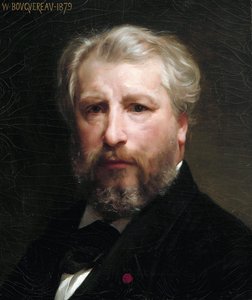
Вилијам Адволд Богероу
1825 - 1905 , Francuska
Osnovne informacije
- Artistic Movement Or Style: Akademska Realizam
- Artists Or Movements Influenced By This Artist: ['Akademija umetnosti']
- Artists Who Influenced This Artist:
- Rafael
- Titian
- Date Of Birth: 1825
- Date Of Death: 1905
- Full Name: William-Adolphe Bouguereau
- Nationality: Francuz
- Notable Artworks:
- Nymphaeum
- Bergère 1886
- Child at Bath
- Song of the Angels
- Birth of Venus
- Place Of Birth: La Rochelle, Francuska
Povezani članci

Giclée Prints: Archival Quality & Aesthetic Nuances for the Discerning Collector
Explore the world of giclée prints with ArtsDot. Learn about archival quality, aesthetic nuances & investment potential. Expert guidance for discerning art collectors seeking museum-quality reproductions and lasting value.
Academic Realism's Finest: 10 Masterpieces for Art Lovers & Home Decor
Explore 10 defining Academic Realism masterpieces by Bouguereau, Gérôme & Cabanel. Discover the stories behind these iconic paintings and bring timeless art into your home with museum-quality reproductions from ArtsDot.com. Explore the full collection online!

The Enduring Legacy of Fine Art Prints: Technique, History & Aesthetic Impact
Explore the rich history & techniques of fine art prints. Discover investment potential, assess authenticity, and learn how to preserve your collection with expert guidance. Trusted insights for discerning collectors.

Echoes of Time: Exploring the Enduring Appeal & Historical Context of Vintage Art Prints
Explore the captivating world of vintage art prints! Discover their history, collecting tips & enduring appeal. Expert insights on chromolithography and building a legacy collection with ArtsDot.

The Enduring Legacy of Oil on Canvas: Technique, History & Aesthetic Impact
Explore the rich history & techniques of oil painting – from Renaissance masters to Impressionism. Discover pigments, layering methods, and why this timeless medium endures. Expert insights for artists & art enthusiasts.