 Pregledaj u prostoru
 Pošalji
 Podeli
 Detalji o delu

 Преузми
 Slični predmeti
 Rendgenski snimak
 Slajdovi
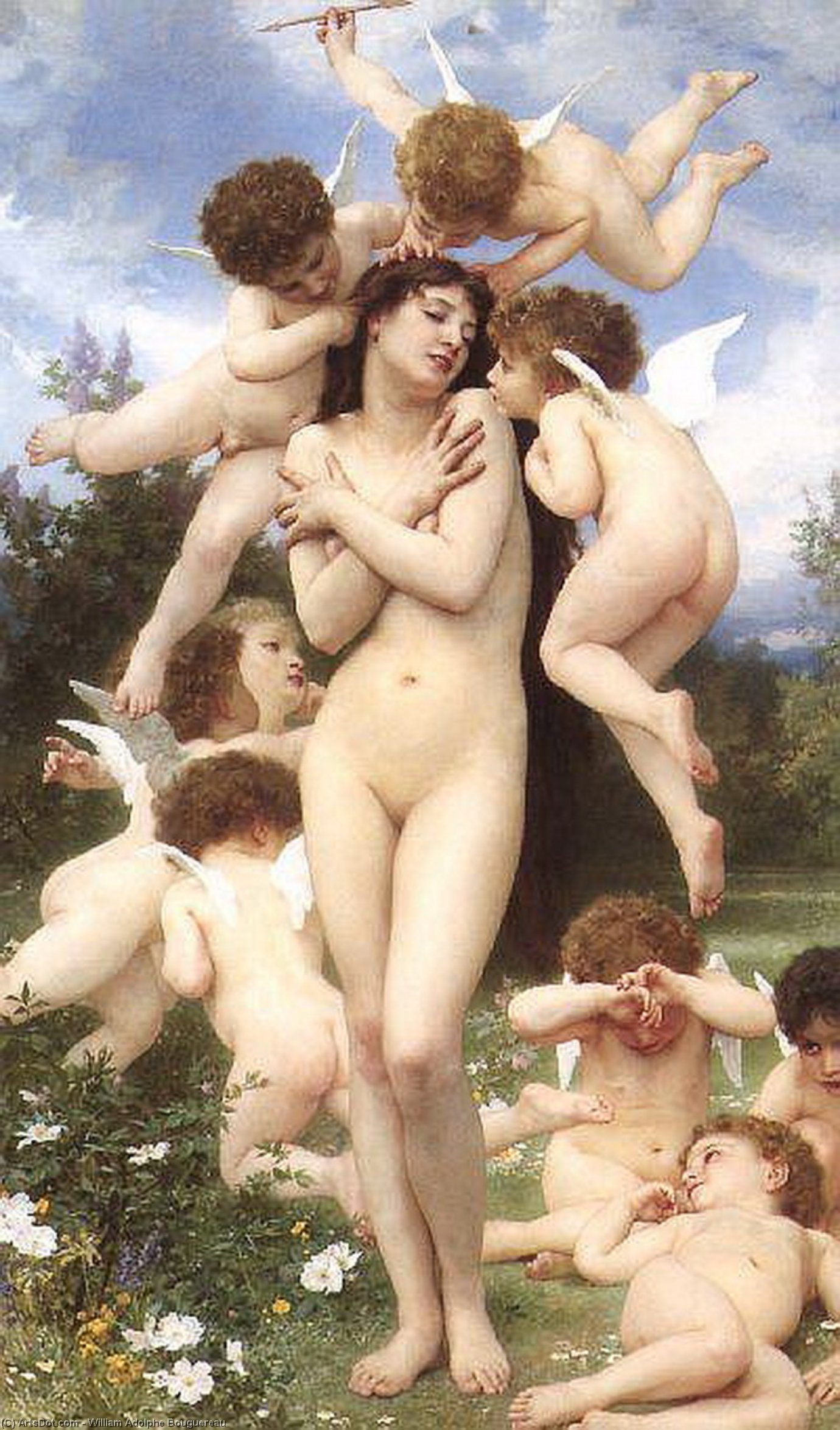
Le Printemps (also known as The Return of Spring)


 Pročitaj više
Giclee štampa / Umetnički otisak
Giclée štampa ili print na platnu muzejskog kvaliteta uz brzu proizvodnju i fleksibilne opcije završne obrade. ( Kupi ručno naslikanu sliku Kupi digitalnu sliku)




P118B $10

P118H $10

P118W $10

P438Z $10

P508JH $12

P508YH $12

P805H $10

P805Z $10

P919BZ $10

P919G $10

P919XJ $10

P959ZH $10

P968JZ $12

W106C $8

W218G $10

W218JH $8

W218Y $10

W307PJ $10

W316G $10

W316PJ $8

W316Y $10

W398PJ $8

W4111J $10

W500HY $15

W500JH $15

W692G $12

W849H $8

W940BG $15

W953PJ $8




Izaberite jednu od naših unapred definisanih veličina koje odgovaraju originalnim proporcijama umetničkog dela.

Možete uneti sopstvene dimenzije kako biste umetničko delo prilagodili specifičnom okviru ili prostoru. Ako odabrani format ne odgovara proporcijama originalne slike, mi ćemo ili iscrtati deo dela ili proširiti sliku pomoću ogledane ivice ili jednobojnog popunjavanja. Digitalni prikaz će vam biti poslat na odobrenje pre početka proizvodnje.
Imajte na umu da pregled na ekranu ne odražava stvarno iscrtavanje ili proširivanje. Samo će prikaz (mockup) precizno pokazati finalnu kompoziciju.
Iako su prilagođene dimenzije dostupne, preporučujemo da odaberete dimenziju sa unapred definisane liste kako biste očuvali originalne proporcije.
Dostava širom sveta () za 2 nedelje umesto uobičajenih 4/5 nedelja. (7 септембар)

Besplatna ekspresna dostava širom sveta

Visokokvalitetno laneno platno

Kompletno osiguranje transporta

Garancija povraćaja carine i uvoznih dažbina

Garancija vernosti boja

Politika povraćaja u roku od 100 dana (isključivo u slučaju nedostataka)

Garancija povrata novca od 100%

Popust pri grupnoj kupovini
 Opcija sa staklom dostupna je samo za dimenzije manje od 110 cm

Le Printemps (also known as The Return of Spring)
Giclee štampa / Umetnički otisak
Dimenzije reprodukcije
-


Konačna cena
$ 62
A Celebration of Venus: Exploring Bouguereau’s “Le Printemps”
The painting "Le Printemps," or The Return of Spring, by William-Adolphe Bouguereau remains an enduring emblem of Romantic idealism blended with meticulous Realism. Completed in 1886 and currently residing at the Joslyn Art Museum in Omaha, Nebraska, this monumental oil on canvas transcends mere depiction; it embodies a profound meditation on beauty, fertility, and rebirth—themes central to Greek mythology and deeply resonant with the artistic sensibilities of its era.The Mythological Narrative: Venus Amidst Cherubs
At its core lies the retelling of the myth surrounding Venus, goddess of love and beauty, emerging from the sea foam after Uranus’s castration by Cronus. Bouguereau skillfully captures this pivotal moment, presenting Venus as a serene figure at the center of a vibrant garden scene populated by nine cherubs—angels representing divine grace and innocence. These cherubs aren't merely decorative elements; they are integral to conveying the painting’s overarching message. Their varying sizes and positions contribute to a palpable sense of depth and dynamism, mirroring the blossoming life force symbolized by the springtime landscape. The artist deliberately chose Venus as his subject, aligning with the prevailing artistic preoccupation with classical mythology during the Belle Époque—a period marked by renewed interest in Greco-Roman culture and aesthetics.Bouguereau’s Technique: Luminosity and Detail
Bouguereau's mastery of technique is immediately apparent upon observation. He employed a masterful glazing method, layering thin washes of color over thicker underpaintings to achieve an unparalleled luminosity—a characteristic hallmark of his style. This painstaking process allowed him to capture the subtle nuances of light and shadow, imbuing the garden foliage with breathtaking realism. Furthermore, Bouguereau’s meticulous attention to detail extended beyond mere botanical accuracy; he painstakingly rendered every cherub's facial expression and gesture, conveying a wealth of emotion without resorting to overt theatricality. The artist’s dedication to capturing the essence of form—particularly the idealized human figure—is evident in Venus’s posture and drapery, reflecting Bouguereau’s unwavering belief in the transformative power of beauty.Symbolism: Springtime as Metaphor for Renewal
The garden itself serves as a potent symbol of springtime—representing regeneration, fertility, and the cyclical renewal inherent in nature. The blossoming trees and vibrant flowers underscore Venus's triumphant return from obscurity, mirroring the mythological narrative’s core theme. Bouguereau skillfully utilizes color to amplify this symbolic significance; warm hues dominate the palette, evoking feelings of warmth, joy, and optimism—a deliberate choice designed to inspire contemplation and admiration for the sublime beauty captured on canvas. The cherubs' presence reinforces the idea that divine grace nurtures and sustains earthly life, emphasizing the painting’s spiritual dimension.Emotional Impact: A Vision of Perfection
“Le Printemps” transcends its formal elements to elicit a profound emotional response from viewers. Its serene atmosphere invites contemplation—encouraging audiences to immerse themselves in the painting's idealized vision of beauty and harmony. Bouguereau’s masterful composition directs the eye towards Venus, establishing her as the focal point of attention while simultaneously conveying a sense of grandeur and majesty. Ultimately, this artwork speaks to our deepest desires for transcendence—reminding us that art possesses the capacity to elevate consciousness and inspire awe at the magnificence of creation. It stands as a testament to Bouguereau’s enduring legacy as one of Romanticism's most celebrated artists—a figure whose unwavering pursuit of perfection continues to captivate audiences worldwide.Srodna umetnička dela
Biografija umetnika
William-Adolphe Bouguereau (1825-1905): The Sculptor of Ideal Beauty
Born in La Rochelle, France, in 1825, William-Adolphe Bouguereau’s artistic journey began amidst the tranquil landscapes and artisanal traditions of his hometown. From a young age, he demonstrated an extraordinary aptitude for drawing and painting, fueled by a profound fascination with classical art – specifically Raphael and Titian – whose mastery captivated him deeply. These early influences would shape his entire artistic sensibility, guiding him toward a singular pursuit: to capture the essence of beauty in its purest form, mirroring the grandeur and serenity of antiquity. His formal training commenced at the École des Beaux-Arts in Paris, where he honed his skills under the tutelage of François-Edouard Picquenot, absorbing the precepts of academic realism and embracing the challenge of replicating nature with unparalleled accuracy.The Pursuit of Anatomical Perfection
Bouguereau’s artistic technique was characterized by an obsessive attention to detail—a cornerstone of academic art. He possessed an unrivaled understanding of human anatomy, meticulously dissecting cadavers to gain firsthand knowledge of musculature and skeletal structure. This anatomical precision wasn't merely a matter of technical proficiency; it served as the foundation for his ability to convey emotion and narrative depth within his compositions. His figures were rendered with breathtaking realism—the subtle curve of a shoulder, the delicate blush of skin, the expressive gaze—yet they possessed an ethereal quality that transcended mere imitation. He sought to achieve a level of perfection that honored both scientific observation and artistic intuition.Mythological Visions: Echoes of Antiquity
Bouguereau’s artistic vision found its expression most powerfully in mythological scenes, transforming ancient tales into luminous canvases brimming with emotion and grandeur. *The Birth of Venus*, arguably his most iconic work, exemplifies this approach—a sublime depiction of the goddess Aphrodite emerging from the seafoam, bathed in ethereal light and adorned with flowing drapery. Bouguereau skillfully employed color palettes reminiscent of Titian’s Venetian masterpieces, creating a visual experience that transported viewers back to the glories of classical Rome. Similarly, *Zenobia Found by Shepherds on the Banks of the Araxes* captures the vulnerability and pathos of Zenobia—the queen of Palmyra—as she is discovered by humble shepherds amidst a pastoral landscape. Bouguereau’s masterful use of composition—diagonal lines converging toward a central focal point—reinforced the narrative power of his paintings, guiding the viewer's eye across the canvas with deliberate precision.Genre Scenes: Moments of Everyday Life
Beyond mythology, Bouguereau explored the realm of genre scenes—depictions of ordinary life imbued with dignity and tenderness. *Faneuse (1869)* exemplifies this approach—a young woman seated in a tranquil garden setting, rendered with exquisite detail and atmospheric subtlety. Bouguereau’s meticulous observation of light and shadow—a hallmark of academic realism—created an image that resonated with profound emotional depth. He skillfully captured the fleeting expressions of human emotion—joyful smiles, wistful glances—transforming commonplace moments into enduring symbols of beauty and grace.A Legacy Enduring Through Time
Despite initial skepticism from avant-garde critics who championed abstraction and experimentation, Bouguereau’s artistic legacy endured through time. His unwavering commitment to traditional artistic values—anatomical accuracy, meticulous draftsmanship, and emotional expression—inspired generations of artists. He established a studio that attracted students from across Europe, fostering a vibrant community of painters dedicated to upholding the ideals of academic realism. Today, Bouguereau’s paintings are housed in prestigious museums worldwide—the Musée d’Orsay in Paris, the Carnegie Museum, and The J. Paul Getty Museum—ensuring that his vision of beauty continues to captivate audiences and inspire artistic creativity. His influence can be seen in contemporary figurative painting, where artists strive for a similar level of technical mastery and emotional resonance – a testament to the enduring power of Bouguereau’s artistic genius.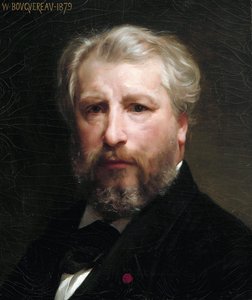
Вилијам Адволд Богероу
1825 - 1905 , Francuska
Osnovne informacije
- Artistic Movement Or Style: Akademska Realizam
- Artists Or Movements Influenced By This Artist: ['Akademija umetnosti']
- Artists Who Influenced This Artist:
- Rafael
- Titian
- Date Of Birth: 1825
- Date Of Death: 1905
- Full Name: William-Adolphe Bouguereau
- Nationality: Francuz
- Notable Artworks:
- Nymphaeum
- Bergère 1886
- Child at Bath
- Song of the Angels
- Birth of Venus
- Place Of Birth: La Rochelle, Francuska
Povezani članci
Cultivating Paradise: A Historical & Artistic Exploration of Gardens in Painting
Explore the rich history of gardens in painting! Discover masterpieces from Renaissance to Impressionism & beyond. Learn about symbolism, artists like Monet & Klimt, and find your perfect artwork at ArtsDot.
Neo-Classicism's Greatest Hits: 10 Masterpieces for Your Home |
Journey through Neo-Classicism's finest! Explore 10 iconic masterpieces by David, Ingres & Canova. Discover art history, techniques & timeless beauty – perfect for inspiring your home decor. Find museum-quality reproductions at
The Enduring Legacy of Classicism: Principles, Evolution & Influence in Western Art
Explore the enduring legacy of Classicism in Western art! Discover its historical context, key principles, iconic masterpieces & lasting influence. Learn about Renaissance and Neoclassical movements with ArtsDot.
Echoes of Olympus: Mythological Narratives in Western Art Through the Ages
Explore the captivating history of mythological narratives in Western art! From ancient Greece to modern masterpieces, discover iconic artworks & symbolism. Expert analysis and high-quality reproductions at ArtsDot.

Impressionism's Masterpieces: 10 Paintings That Defined a Movement | ArtsDot
Journey through Impressionism's heart with 10 iconic paintings by Monet, Renoir & Degas. Explore light, color & the stories behind these masterpieces. Find museum-quality art reproductions and elevate your home decor on ArtsDot.com.