

 Pregledaj u prostoru
 Pošalji
 Podeli
 Detalji o delu

 Преузми
 Slični predmeti
 Rendgenski snimak
 Slajdovi
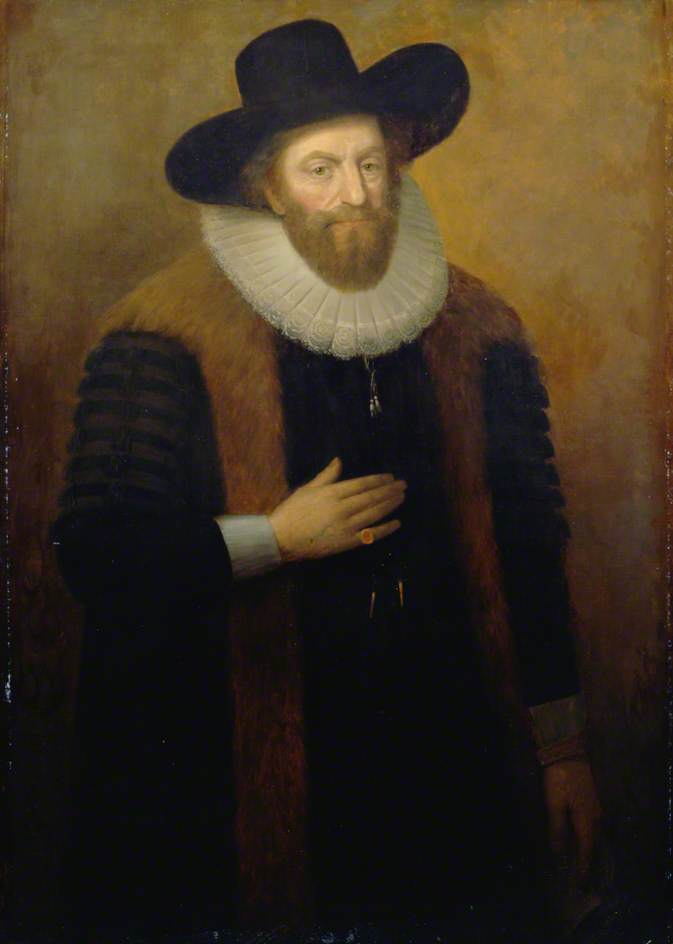
Edward Alleyn (1566–1626) (after British School)
 1900
1900 140.0 x 97.0 cm
 Pročitaj više
Giclee štampa / Umetnički otisak
Giclée štampa ili print na platnu muzejskog kvaliteta uz brzu proizvodnju i fleksibilne opcije završne obrade. ( Kupi ručno naslikanu sliku Kupi digitalnu sliku)




































Izaberite jednu od naših unapred definisanih veličina koje odgovaraju originalnim proporcijama umetničkog dela.

Možete uneti sopstvene dimenzije kako biste umetničko delo prilagodili specifičnom okviru ili prostoru. Ako odabrani format ne odgovara proporcijama originalne slike, mi ćemo ili iscrtati deo dela ili proširiti sliku pomoću ogledane ivice ili jednobojnog popunjavanja. Digitalni prikaz će vam biti poslat na odobrenje pre početka proizvodnje.
Imajte na umu da pregled na ekranu ne odražava stvarno iscrtavanje ili proširivanje. Samo će prikaz (mockup) precizno pokazati finalnu kompoziciju.
Iako su prilagođene dimenzije dostupne, preporučujemo da odaberete dimenziju sa unapred definisane liste kako biste očuvali originalne proporcije.
Dostava širom sveta () za 2 nedelje umesto uobičajenih 4/5 nedelja. (1 септембар)

Besplatna ekspresna dostava širom sveta

Visokokvalitetno laneno platno

Kompletno osiguranje transporta

Garancija povraćaja carine i uvoznih dažbina

Garancija vernosti boja

Politika povrata u roku od 60 dana (samo u slučaju nedostataka)

Garancija povrata novca od 100%

Popust pri grupnoj kupovini
 Opcija sa staklom dostupna je samo za dimenzije manje od 110 cm

Edward Alleyn (1566–1626) (after British School)
Giclee štampa / Umetnički otisak
Dimenzije reprodukcije
-


Konačna cena
$ 62
Srodna umetnička dela








Biografija umetnika
William Bright Morris: A Weaver of Dreams and Shadows
The world of late nineteenth-century British art was undergoing a profound shift, moving away from the rigid formalism of academic painting towards a vibrant embrace of folklore, mythology, and craftsmanship. Within this dynamic landscape emerged William Bright Morris (1844–1912), an artist whose work transcended mere representation to become imbued with a potent blend of Romantic idealism, Pre-Raphaelite aesthetics, and a deep fascination with the mystical and the medieval. More than just a painter, Morris was a multifaceted creative force – a draughtsman, illustrator, designer, and ultimately, a key figure in the Arts and Crafts movement, shaping not only his own artistic trajectory but also profoundly influencing generations of artists to come.
Born in King’s Lynn, Norfolk, into a family steeped in artistic tradition (his father was a captain in the Royal Navy), Morris's early life provided him with an unparalleled exposure to both the practicalities of art and the romantic ideals championed by his uncle, William Morris. This familial connection proved pivotal; it instilled within him a reverence for craftsmanship, a deep appreciation for the beauty of nature, and a critical perspective on the dehumanizing effects of industrialization – themes that would become central to his artistic vision. Morris’s formal training was somewhat unconventional, largely self-directed, honed through diligent study and tireless practice. He initially apprenticed as a draughtsman in London, absorbing the techniques of various masters before establishing himself as an independent artist.
A Palette of Myth and Memory
Morris's artistic style is immediately recognizable for its rich color palette, often dominated by deep blues, greens, and browns – colors evocative of twilight forests, ancient ruins, and the mysteries of the natural world. He employed a meticulous draughtsmanship, rendering details with astonishing precision, yet always imbuing his subjects with an atmosphere of dreamlike intensity. His paintings rarely depict straightforward narratives; instead, they present fragmented glimpses into emotional states, symbolic landscapes, and fleeting moments of beauty. He frequently explored themes of loss, memory, and the enduring power of myth – drawing inspiration from Celtic legends, Norse sagas, and the writings of his uncle.
His subjects ranged widely: portraits of friends and family, evocative landscapes, scenes of rural life, and fantastical allegorical compositions. Notable works such as “Spanish Beggars” (1879) and “Tiger, Tiger Burning Bright” (1880), both depicting scenes of poverty and hardship, demonstrate his ability to capture the dignity and resilience of marginalized individuals. The latter, a dramatic stage play adaptation, showcases his talent for storytelling through visual imagery, blending elements of folklore, tragedy, and social commentary.
The Echoes of William Morris
Morris’s artistic development was inextricably linked to that of his uncle, William Morris, the celebrated textile designer and socialist visionary. As a young man, Morris had purchased many of Morris's books, including his fantasies, poetry, and translations. Both men shared a deep skepticism towards industrialization and a fascination with medieval art and literature. This intellectual kinship profoundly influenced Morris’s artistic choices, shaping his subject matter, his stylistic preferences, and his overall aesthetic sensibility. The influence is particularly evident in his illustrations for the Völsunga Saga, a Norse epic that he meticulously studied and translated, capturing its heroic grandeur and tragic pathos with remarkable skill.
Furthermore, Morris’s work reflects the core tenets of the Arts and Crafts movement, which sought to revive traditional crafts and reject mass-produced goods. His meticulous attention to detail, his commitment to handcraftsmanship, and his celebration of beauty in everyday objects align perfectly with this broader artistic and social philosophy. The legacy of William Morris's influence on J. R. R. Tolkien is also significant, demonstrating the enduring power of Morris’s vision across generations.
A Lasting Legacy
Despite facing financial challenges throughout his career, William Bright Morris remained a dedicated artist until his death in 1912. His work continues to resonate with viewers today, not only for its technical brilliance and evocative imagery but also for its profound exploration of human emotion, mythic themes, and the enduring beauty of the natural world. Morris’s legacy extends beyond his individual paintings; he played a crucial role in shaping the artistic landscape of late nineteenth-century Britain, inspiring countless artists to embrace craftsmanship, explore the power of symbolism, and celebrate the richness of cultural heritage. His art serves as a poignant reminder of the importance of preserving tradition while simultaneously embracing innovation.
Key Works
- Spanish Beggars (1879)
- Tiger, Tiger Burning Bright (1880)
- The Icelandic Journals (Illustrations, 1871)
- Portrait of Charlotte Bronte (after George Richmond, 1895)
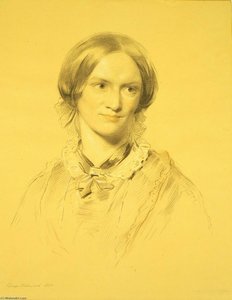
william bright morris
1844 - 1912
Osnovne informacije
- Artistic Movement Or Style: Arts and Crafts
- Artists Or Movements Influenced By This Artist:
- J.R.R. Tolkien
- Alan Lee
- Artists Who Influenced This Artist:
- William Blake
- John Bright
- Date Of Birth: 1844
- Date Of Death: 1912
- Full Name: William Bright Morris
- Nationality: British
- Notable Artworks:
- Spanish Beggars
- Tiger, Tiger...
- Place Of Birth: King's Lynn, England

