

 Pregledaj u prostoru
 Pošalji
 Podeli
 Detalji o delu

 Преузми
 Slični predmeti
 Rendgenski snimak
 Slajdovi
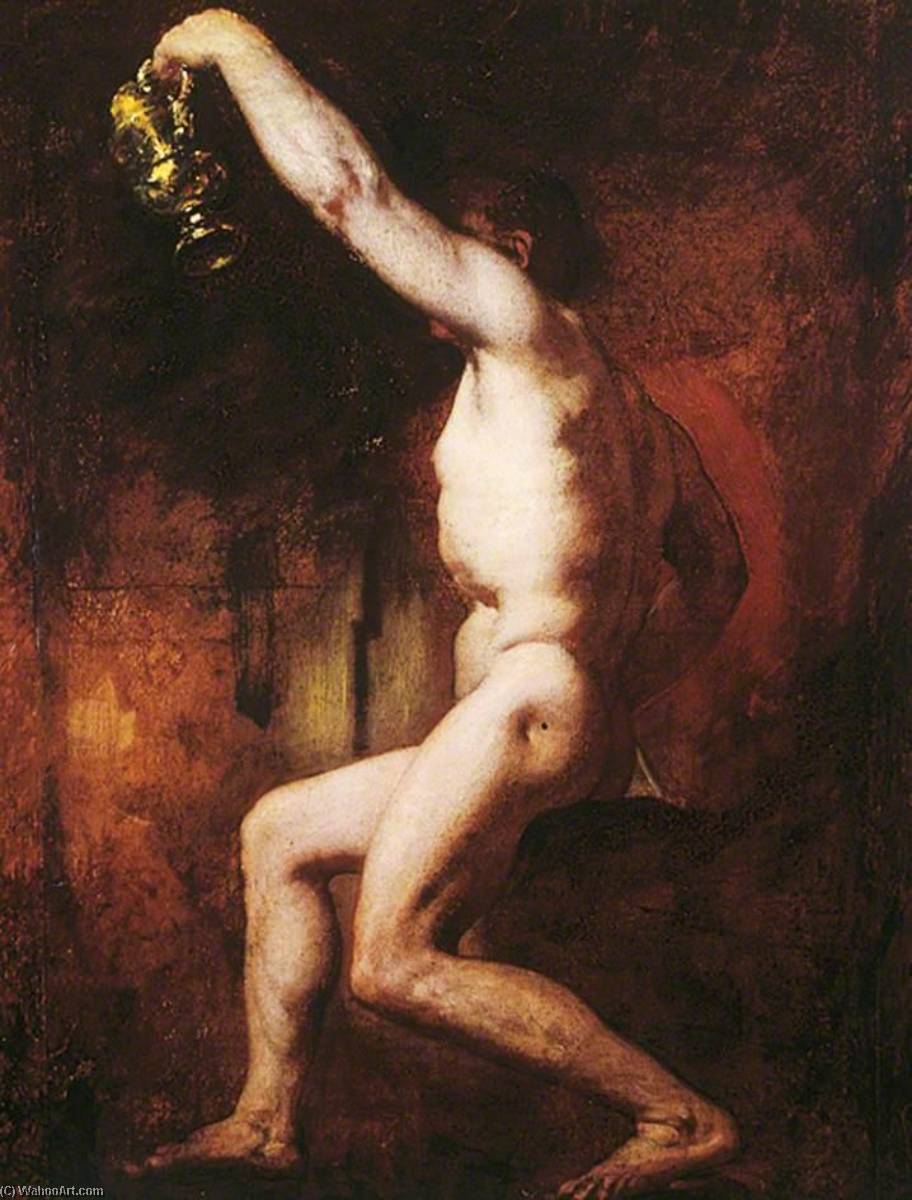
Male Nude Figure Holding a Jug


 Pročitaj više
Kupite digitalnu sliku visoke rezolucije i poboljšanog kvaliteta, koja je znatno superiornija od onoga što vidite u online prikazu.
Svaka datoteka je pedantno pripremljena od strane naših stručnjaka koristeći napredne alate i profesionalnu ručnu retušu. Osiguravamo da svaka slika ima izuzetnu oštrinu, preciznu reprodukciju boja i fine detalje.
Konačna datoteka se dostavlja putem e-pošte u roku od 72 sata, optimizovana za neposrednu upotrebu u profesionalnim, izdavačkim i štamparskim okruženjima. To je isti kvalitet kojem veruju vrhunski studiji dizajna, izdavači i galerije.
Digitalna slika
Preuzmite datoteku visoke rezolucije za ličnu upotrebu, štampanje i kreativne projekte. ( Kupi print Kupi ručno naslikanu sliku)
Uključeno uz svaku porudžbinu digitalne slike
Profesionalna digitalna isporuka, zagarantovana
Kada odaberete ArtsDot.com, ne dobijate samo sliku – vi primate profesionalno unapređeno digitalno umetničko delo, izrađeno sa najvećom preciznošću i uz garanciju zadovoljstva. Evo svega što automatski dolazi uz vašu porudžbinu:

Brza dostava putem e-pošte
Vaša digitalna slika visoke rezolucije biće vam poslata putem e-pošte u roku od 72 sata od poručivanja – spremna za trenutnu upotrebu.

Digitalna datoteka unapređena veštačkom inteligencijom
Vaše umetničko delo je profesionalno optimizovano korišćenjem naprednih AI alata i ručne obrade, čime se osiguravaju maksimalni detalji, oštrina i preciznost boja.

Besplatna ponovna isporuka doživotno
Slučajno ste obrisali ili izgubili svoju datoteku? Ne brinite – poslaćemo vam je ponovo u bilo kom trenutku, potpuno besplatno.

Bez troškova uvoza – zauvek
Uživajte u svojim umetničkim delima trenutno, bez carine, dažbina ili troškova dostave – digitalni download je uvek bez poreza.

Garancija vernosti boja
Uz pomoć profesionalnih alata i upravljanja bojama, osiguravamo da vaša digitalna slika što vernije odražava originalne boje.

Garancija zadovoljstva u roku od 60 dana
Ako niste zadovoljni svojom digitalnom slikom, revidirat ćemo je ili vratiti 100% novca u roku od 60 dana – bez ikakvih pitanja.

100% garancija povrata novca
Niste zadovoljni? Obezbedite pun povrat novca u roku od 60 dana od trenutka kada ste primili svoju digitalnu datoteku – bez suvišnih pitanja.

Popusti na velike porudžbine
Kupite 3 slike, uštedite 10% - Kupite 5 slika, uštedite 15% - Kupite 10+ slika, uštedite 20%. Odlično za kreativne projekte, galerije i agencije.
Opis kolekcionarskog dela
A Renaissance Reverie: Unveiling Etty’s ‘Male Nude Figure Holding a Jug’
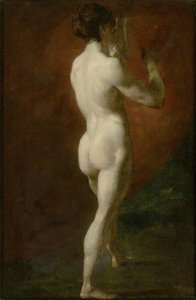
William Etty's “Male Nude Figure Holding a Jug” isn’t merely a painting; it’s a carefully constructed tableau of late 18th-century British aesthetics, steeped in classical ideals and subtly infused with the burgeoning anxieties of the Romantic era. Completed around 1835-1840, this work stands as a pivotal example of Etty's pioneering approach to depicting the male nude – a bold departure from the prevailing academic traditions that prioritized historical or mythological subjects. Rather than presenting a heroic figure in a grand narrative, Etty focuses on an intimate, almost vulnerable portrayal of a single man, inviting viewers into a quiet moment of contemplation.
The scene unfolds within what appears to be a modestly furnished interior – a chair positioned to the right suggests a domestic setting, while the background hints at another individual, though their presence is deliberately understated. The central figure, powerfully built and possessing a palpable sense of strength, holds aloft a jug, its form echoing the curves of his body. This isn’t a display of brute force; instead, there's an element of gentle humor and perhaps even a touch of melancholy in the gesture. Etty masterfully utilizes light and shadow to sculpt the musculature of the figure, creating a remarkable sense of realism that was revolutionary for its time. The skin tones are rendered with astonishing accuracy – a testament to Etty’s meticulous observation and his dedication to capturing the nuances of human flesh.
The Artist's Context: William Etty and the Victorian Nude
William Etty’s journey as an artist was marked by both triumph and controversy. Born in York in 1787, he began his career as a printer before pursuing his artistic ambitions with unwavering determination. His early works, particularly his depictions of historical scenes featuring nudes, generated considerable scandal and criticism within the Royal Academy – an institution deeply invested in upholding traditional artistic values. Etty’s willingness to challenge these conventions, to portray the male nude with such directness and emotional honesty, made him a figure of both admiration and disapproval.
The Victorian era, which overlapped significantly with Etty's career, was a period of profound social and moral change. The rise of industrialization, urbanization, and scientific inquiry challenged established beliefs about the body and sexuality. Etty’s work, therefore, can be interpreted as a response to these shifting cultural dynamics – a celebration of the human form in its natural state, while simultaneously acknowledging the complex emotions and anxieties associated with it. His willingness to depict the nude figure without resorting to mythological or allegorical framing was considered radical and provocative.
Symbolism and Emotional Resonance
Beyond its technical brilliance, “Male Nude Figure Holding a Jug” is rich in symbolic meaning. The jug itself could represent abundance, nourishment, or even domesticity – elements of everyday life brought to the forefront by the solitary figure. The pose—one leg raised, suggesting both strength and vulnerability—evokes a sense of quiet contemplation, inviting viewers to consider themes of masculinity, mortality, and the relationship between the individual and his surroundings. The subtle expression on the man’s face – a hint of weariness or perhaps even sadness – adds another layer of emotional depth to the composition.
Etty's work resonates with the burgeoning Romantic movement, which emphasized emotion, imagination, and the beauty of nature. While not overtly dramatic like some Romantic paintings, “Male Nude Figure Holding a Jug” captures a similar sense of intimacy and psychological complexity. It’s a painting that rewards careful observation and invites viewers to engage with its subtle nuances – a testament to Etty's artistic skill and his profound understanding of the human condition.
A Legacy in Reproduction: Bringing Etty Home
Today, reproductions of “Male Nude Figure Holding a Jug” continue to captivate art lovers and collectors alike. Whether displayed as a striking centerpiece or incorporated into a carefully curated interior design scheme, this painting offers a glimpse into the artistic sensibilities of a pivotal era. High-quality reproductions capture the richness of Etty’s technique and the emotional depth of his subject matter, allowing you to bring this remarkable work into your own home.
Srodna umetnička dela
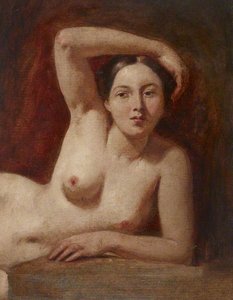
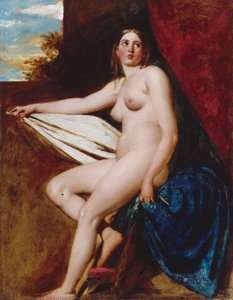
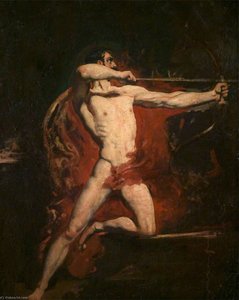
Biografija umetnika
A Pioneer of the British Nude: The Life and Art of William Etty
William Etty, a name perhaps less instantly recognizable than his contemporaries like Turner or Constable, nevertheless occupies a pivotal position in 19th-century British art. Born in York on March 10, 1787, above his father’s bakery, Etty's journey from humble beginnings to Royal Academician was one marked by relentless dedication, artistic innovation, and no small measure of controversy. His early life offered little indication of the path he would forge. Apprenticed at age twelve to a printer in Hull, seven years were spent immersed in the practicalities of typography – a world far removed from the canvases that would eventually bear his signature. Yet, even amidst the mechanical demands of printmaking, Etty nurtured a burgeoning passion for drawing, an impulse that ultimately propelled him towards London and the hallowed halls of the Royal Academy Schools in 1807. There, under the tutelage of Thomas Lawrence, he honed his skills through diligent copying, laying the foundation for a career defined by masterful depictions of the human form.The Rise to Prominence: Nudes and Controversy
Etty’s breakthrough arrived in 1821 with Cleopatra's Arrival in Cilicia, a painting that immediately ignited both admiration and scandal. The work, teeming with nude figures, was exhibited to widespread acclaim, yet simultaneously earned him a reputation for indecency. This duality would become a defining characteristic of his career. He wasn’t merely depicting nudity; he was exploring the human form with an unprecedented realism and anatomical precision for a British artist of that era. His commitment to accurately rendering flesh tones, light, and shadow – influenced by his study of Venetian masters like Titian and Rubens during travels in Italy and France – set him apart. He continued to produce historical scenes populated with nudes, often drawn from classical mythology or literature, such as The Sirens and Ulysses. These works were commercially successful, allowing Etty to thrive despite the constant criticism leveled against his subject matter. In 1828, he was elected a Royal Academician, solidifying his position within the established art world, even as whispers of impropriety followed him. The sheer audacity of portraying the human body with such unflinching honesty challenged Victorian sensibilities and cemented Etty’s legacy as a provocateur who dared to confront societal norms.Beyond the Nude: Portraits and Still Life
While Etty is most celebrated for his nudes, his artistic range extended beyond this controversial domain. Recognizing the need to broaden his appeal – and perhaps secure a more stable income – he ventured into portraiture during the 1830s. Though not as groundbreaking as his figure paintings, these portraits demonstrate his technical skill and ability to capture character. Furthermore, Etty became one of the first English painters to seriously engage with still life, demonstrating an eye for detail and a sensitivity to texture that rivaled the Dutch masters he admired. This diversification reveals a pragmatic side to Etty’s artistic practice, a willingness to adapt to market demands while remaining true to his core aesthetic principles. He continued, however, to return to the nude form throughout his life, driven by an unwavering fascination with its beauty and expressive potential. His meticulous anatomical studies informed both his nudes and portraits alike, underscoring his dedication to mastering the art of representation.Influences and Artistic Style
Etty’s artistic vision was profoundly shaped by the masters of Venetian painting – Titian and Rubens – whom he encountered during his formative years in Italy and France. These artists championed dramatic lighting and expressive color palettes, techniques that Etty skillfully adopted into his own work. He meticulously dissected cadavers to achieve unparalleled anatomical accuracy, a practice considered unorthodox for its time but crucial to his artistic endeavors. Like many Romantic painters, Etty sought to convey emotion and psychological depth through his compositions, prioritizing atmosphere and gesture over mere visual representation. His canvases pulsate with energy, capturing fleeting moments of human experience with remarkable immediacy. The influence of Rembrandt’s chiaroscuro – the dramatic interplay between light and dark – is evident in numerous paintings, contributing to their haunting beauty and emotional resonance.Legacy and Rediscovery
William Etty died in York on November 13, 1849, leaving behind a substantial body of work that initially enjoyed considerable popularity. However, tastes shifted in the decades following his death, and his paintings fell into relative obscurity. By the late 19th century, his once-celebrated works were largely forgotten, dismissed as outdated or simply too shocking for Victorian sensibilities. A remarkable rediscovery began in the early 21st century. His inclusion in Tate Britain’s landmark Exposed: The Victorian Nude exhibition (2001–2002) sparked renewed interest in his art, prompting critical reevaluation and a reassessment of his place in British art history. The restoration of The Sirens and Ulysses in 2010 further cemented this revival, revealing the brilliance of his technique and the enduring power of his vision. Today, William Etty is recognized as a pioneering figure who challenged artistic conventions, celebrated the human form with unparalleled realism, and left an indelible mark on the landscape of British art. His works stand as testaments to his skill, dedication, and unwavering commitment to capturing the beauty and complexity of the human experience.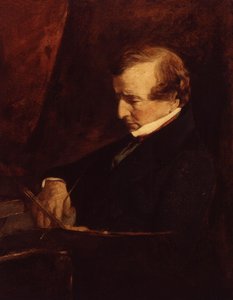
Vilijam Eti
1787 - 1849 , Велика Британија
Kratke činjenice
- Datum Rođenja: 10. mart 1787.
- Datum Smrti: 13. novembar 1849.
- Mesto Rođenja: York, Ujedinjeno Kraljevstvo
- Nacionalnost: Britanski
- Puno Ime: William Etty
- Umetnički Pokret: Romantizam
- Značajna Dela: ['Kleopatra”, “Sirene i Ulises”, "Ženski akt"],\n "Uticajni umetnici": ["Thomas Lawrence"]\n}']

