

 Pregledaj u prostoru
 Pošalji
 Podeli
 Detalji o delu

 Преузми
 Slični predmeti
 Rendgenski snimak
 Slajdovi
 Stats
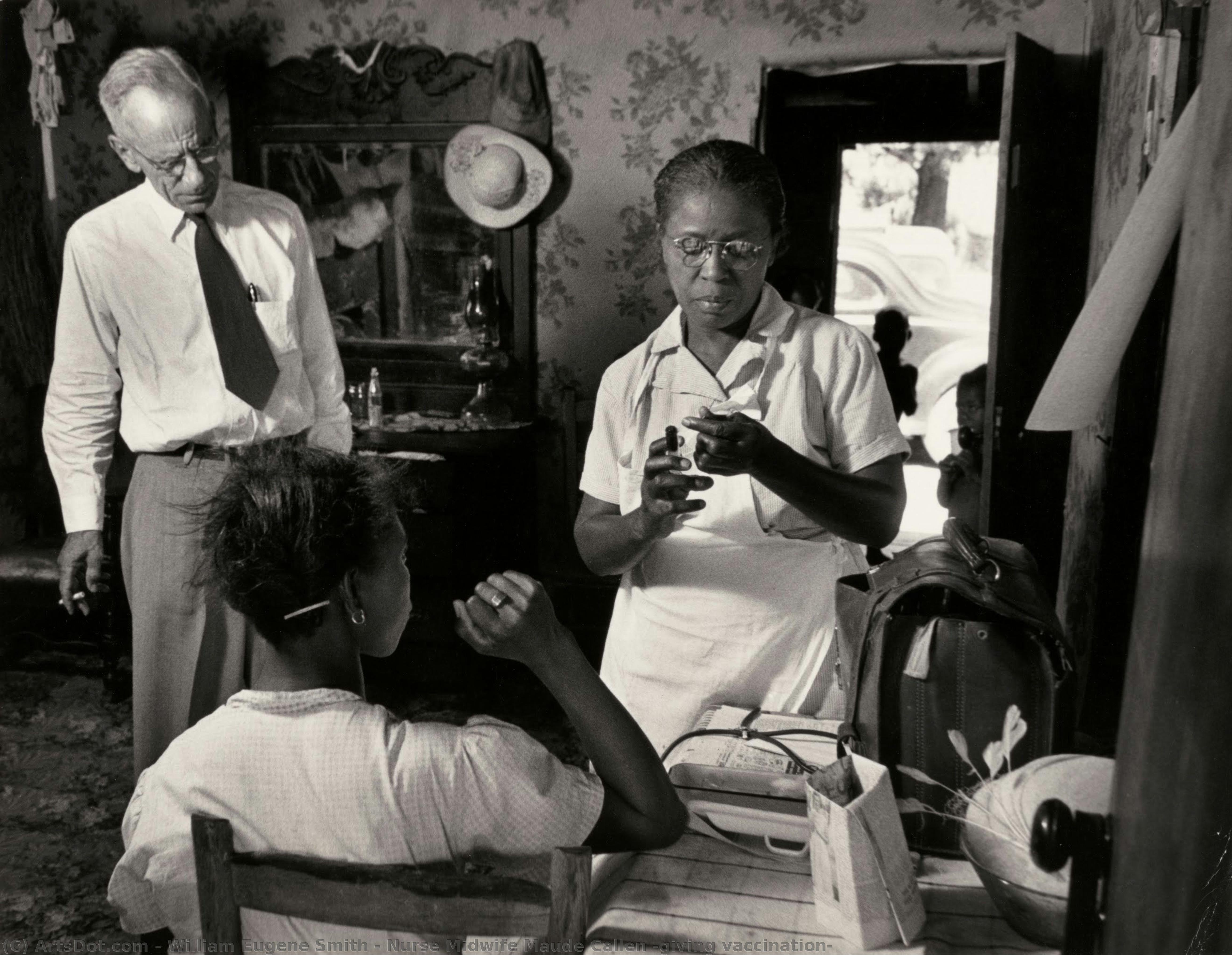
StatsNurse Midwife Maude Callen (giving vaccination)


 Pročitaj više
Ručno rađena uljana reprodukcija
Ručno oslikano uljanim bojama na platnu u dimenzijama i okviru po vašem izboru, izrađeno po porudžbini od strane naših umetnika. ( Switch to Print Switch to Digital Image)




































Izaberite jednu od naših unapred definisanih veličina koje odgovaraju originalnim proporcijama umetničkog dela.

Можете унети сопствене димензије како бисте прилагодили дело одређеном оквиру или простору. Ако одабрана величина не одговара пропорцијама оригинала, слика ће бити исечена или проширена додатним елементима који се ручно насликавају. Дигитални prikaz ће вам бити послат на одобрење пре почетка производње.
Имајте на уму да преглед на екрану не одражава стварно исецање или проширење. Само приказ (mockup) ће тачно приказати коначну композицију.
Иако су доступне прилагођене величине, препоручујемо да одаберете димензију из дефинисане листе како бисте сачували оригиналне пропорције.
Nakon narudžbine, tim ArtsDot.com će klijentu putem e-pošte poslati uputstva i dostaviti prikaz predloženog rešenja
Isporuka širom sveta () za 3/4 nedelje umesto uobičajenih 5 nedelja. (8 септембар). Bez kompromisa po pitanju kvaliteta.

Besplatna ekspresna dostava širom sveta

Visokokvalitetno laneno platno

Kompletno osiguranje transporta

Garancija povraćaja carine i uvoznih dažbina

Garancija vernosti boja

Politika povraćaja u roku od 100 dana (isključivo u slučaju nedostataka)

Garancija povrata novca od 100%

Popust pri grupnoj kupovini
 Opcija sa staklom dostupna je samo za dimenzije manje od 110 cm

Nurse Midwife Maude Callen (giving vaccination)
Tehnika reprodukcije
Dimenzije reprodukcije
-


Konačna cena
$ 313
Srodna umetnička dela
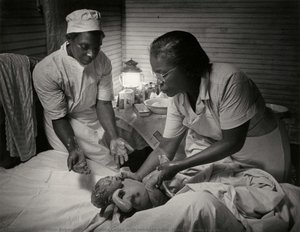
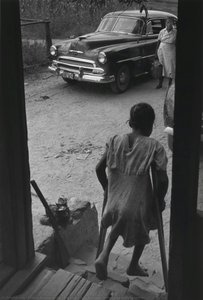
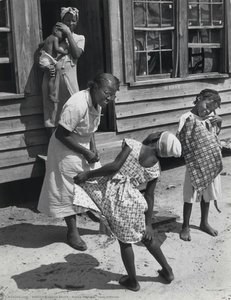
Biografija umetnika
The Architect of the Photo Essay: The Life and Legacy of W. Eugene Smith
In the vast landscape of twentieth-century photography, few figures loom as large or as compassionately as William Eugene Smith. Born in Wichita, Kansas, in 1918, Smith did not merely observe the world through a lens; he sought to translate the very heartbeat of human struggle and resilience into a visual language. Often hailed as perhaps the single most important American photographer in the development of the editorial photo essay, his work moved beyond the static boundaries of traditional journalism. He pioneered a method of storytelling that utilized the camera not just to record events, but to weave complex, multi-layered narratives that resonated with the profound depths of the human condition.
Smith’s artistic soul was shaped by the humanist traditions of his predecessors, drawing deep inspiration from the pioneering spirits of Alfred Stieglitz and Lewis Hine. From Stieglitz, he inherited a reverence for the expressive potential of the photographic medium, while from Hine, he adopted a fierce commitment to social advocacy. This fusion of aesthetic sensitivity and moral purpose became the cornerstone of his career. His early years were marked by a growing conviction that photography could serve as a powerful instrument for illuminating societal realities, a belief that would eventually lead him to the front lines of history's most poignant moments.
A Revolution in Narrative: The Birth of 'Country Doctor'
The year 1948 marked a seismic shift in the history of photojournalism with the publication of ‘Country Doctor’ in Life magazine. This collaborative masterpiece, created alongside writer Ron Hooker, redefined what a photographic assignment could achieve. Rather than presenting a series of disconnected snapshots, Smith constructed an extended narrative that breathed life into the rural landscapes of Iowa. Through his lens, the daily existence of Dr. John Henderson and his wife, Maude Callen, became a window into the triumphs and tribulations of healthcare in underserved communities. It was a work brimming with tenderness, yet it possessed the grit to confront the harsh realities of medical practice in isolation.
This breakthrough established the photo essay as a legitimate and potent genre, capable of conveying nuanced emotional arcs that text alone could never capture. Smith’s ability to find the universal within the particular allowed his subjects to transcend their geographic boundaries, inviting readers worldwide to empathize with the intimate struggles of the human spirit. His technique relied heavily on a masterful use of light and shadow, employing a dramatic black-and-white palette that heightened the emotional gravity of every frame.
The Humanist Lens: Compassion and Social Reform
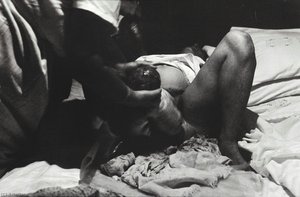
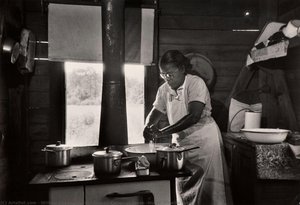
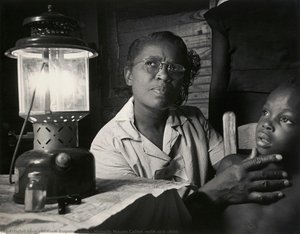
As his career progressed, Smith’s lens turned toward the most vulnerable corners of society, championing human dignity through unflinching documentation. His legendary work featuring Nurse Midwife Maude Callen remains a pinnacle of documentary achievement. In series such as ‘Nurse Midwife (new dresses)’ and ‘Midwife Maude Callen (with sick child),’ Smith captured the profound intimacy of maternal care and the heavy responsibility of medical service in rural South Carolina. These images, characterized by their meticulous attention to detail and raw emotional honesty, serve as a testament to his ability to capture the vulnerability inherent in life and death.
Beyond the domestic and the clinical, Smith’s work expanded to address global crises and environmental catastrophes. His documentation of the devastating effects of mercury poisoning in Minamata stands as one of the most significant pieces of social documentary ever produced. Through his imagery, the invisible became visible, forcing a global audience to confront the consequences of industrial negligence. This unwavering commitment to social reform ensured that his work was never merely art for art's sake, but a vital, breathing part of the global conscience.
A Lasting Impression on Visual History
The legacy of W. Eugene Smith is etched into the very fabric of modern photojournalism. He taught the world that a photographer could be both an artist and an activist, a witness and a storyteller. His influence can be seen in every documentary project that seeks to find the soul within the struggle. By blending the technical mastery of composition with an unshakeable empathy, Smith transformed the photographic medium into a profound vessel for truth.
To look upon a Smith photograph is to encounter the weight of history and the lightness of hope simultaneously. His life’s work remains a monumental achievement, reminding us that even in the darkest chapters of human experience, there is a dignity worth capturing and a story worth telling.
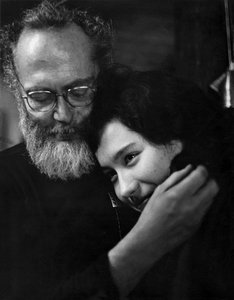
william eugene smith
1918 - 1978 , United States of America
Osnovne informacije
- Artistic Movement Or Style: Photojournalism
- Artists Who Influenced This Artist:
- Dorothea Lange
- Henri Cartier-Bresson
- Date Of Birth: December 30, 1918
- Date Of Death: October 15, 1978
- Full Name: William Eugene Smith
- Nationality: American
- Notable Artworks:
- Country Doctor
- Nurse Midwife Maude Callen
- Minamata
- Place Of Birth: Wichita, United States
Povezani članci

Monochrome Visions: Exploring the Aesthetic & Historical Significance of Black & White Photography
Explore the rich history & artistic power of black and white photography. From early techniques to iconic masters like Ansel Adams, discover why monochrome continues to captivate art lovers today. Expert insights for collectors.
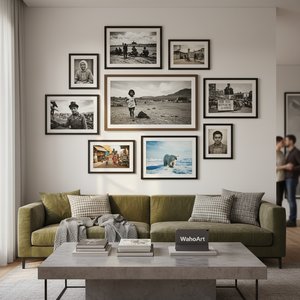
Documentary Photography's Defining Moments: 10 Masterpieces for Your Home |
Explore 10 defining documentary photography masterpieces – from Dorothea Lange to Robert Capa. Discover powerful stories, iconic images & timeless art for your home. Museum-quality prints at .
Beyond the Lens: Photography's Enduring Influence on Modern & Contemporary Art
Explore photography's pivotal role in shaping modern & contemporary art. Discover key movements, influential artists like Stieglitz, and expert collecting advice from ArtsDot.

Pictorialism: A Search for Artistic Photography's Soul – Aesthetics, Techniques & Legacy
Explore the captivating world of Pictorialism – a pivotal movement that transformed photography into fine art. Discover key artists like Stieglitz & Käsebier, techniques, and collecting tips from experts.
Witnessing History Through Lens & Light: Documentary Photography's Enduring Legacy
Explore the powerful history of documentary photography – from its origins to contemporary masters like Gordon Parks & W. Eugene Smith. Discover how this art form shapes our understanding of society and witness pivotal moments in time.