

 Pregledaj u prostoru
 Pošalji
 Podeli
 Detalji o delu

 Преузми
 Slični predmeti
 Rendgenski snimak
 Slajdovi
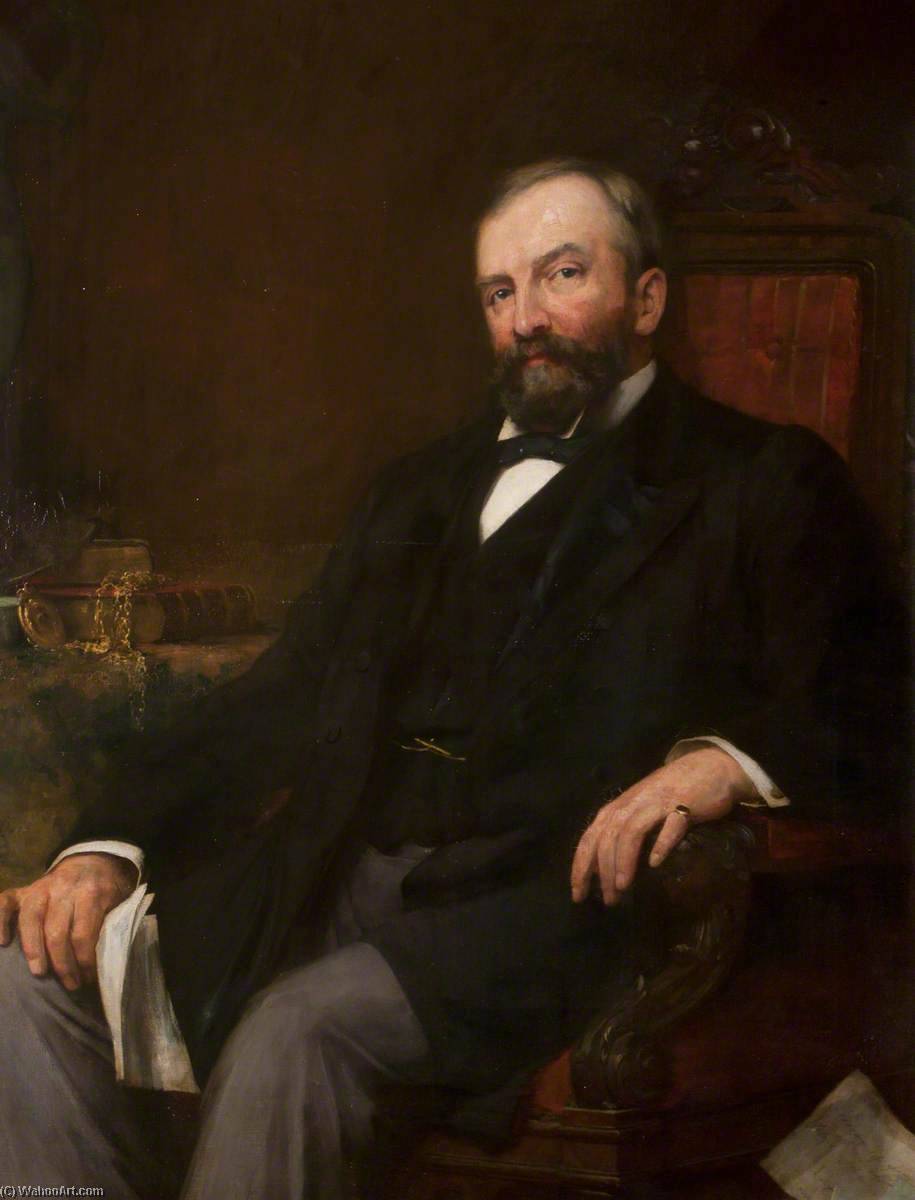
Charles C. Connor, Mayor (1889–1890 1891)
 145.0 x 115.0 cm
 Belfast City Hall
 Pročitaj više
Kupite digitalnu sliku visoke rezolucije i poboljšanog kvaliteta, koja je znatno superiornija od onoga što vidite u online prikazu.
Svaka datoteka je pedantno pripremljena od strane naših stručnjaka koristeći napredne alate i profesionalnu ručnu retušu. Osiguravamo da svaka slika ima izuzetnu oštrinu, preciznu reprodukciju boja i fine detalje.
Konačna datoteka se dostavlja putem e-pošte u roku od 72 sata, optimizovana za neposrednu upotrebu u profesionalnim, izdavačkim i štamparskim okruženjima. To je isti kvalitet kojem veruju vrhunski studiji dizajna, izdavači i galerije.
Digitalna slika
Preuzmite datoteku visoke rezolucije za ličnu upotrebu, štampanje i kreativne projekte. ( Kupi print Kupi ručno naslikanu sliku)
Uključeno uz svaku porudžbinu digitalne slike
Profesionalna digitalna isporuka, zagarantovana
Kada odaberete ArtsDot.com, ne dobijate samo sliku – vi primate profesionalno unapređeno digitalno umetničko delo, izrađeno sa najvećom preciznošću i uz garanciju zadovoljstva. Evo svega što automatski dolazi uz vašu porudžbinu:

Brza dostava putem e-pošte
Vaša digitalna slika visoke rezolucije biće vam poslata putem e-pošte u roku od 72 sata od poručivanja – spremna za trenutnu upotrebu.

Digitalna datoteka unapređena veštačkom inteligencijom
Vaše umetničko delo je profesionalno optimizovano korišćenjem naprednih AI alata i ručne obrade, čime se osiguravaju maksimalni detalji, oštrina i preciznost boja.

Besplatna ponovna isporuka doživotno
Slučajno ste obrisali ili izgubili svoju datoteku? Ne brinite – poslaćemo vam je ponovo u bilo kom trenutku, potpuno besplatno.

Bez troškova uvoza – zauvek
Uživajte u svojim umetničkim delima trenutno, bez carine, dažbina ili troškova dostave – digitalni download je uvek bez poreza.

Garancija vernosti boja
Uz pomoć profesionalnih alata i upravljanja bojama, osiguravamo da vaša digitalna slika što vernije odražava originalne boje.

Garancija zadovoljstva u roku od 60 dana
Ako niste zadovoljni svojom digitalnom slikom, revidirat ćemo je ili vratiti 100% novca u roku od 60 dana – bez ikakvih pitanja.

100% garancija povrata novca
Niste zadovoljni? Obezbedite pun povrat novca u roku od 60 dana od trenutka kada ste primili svoju digitalnu datoteku – bez suvišnih pitanja.

Popusti na velike porudžbine
Kupite 3 slike, uštedite 10% - Kupite 5 slika, uštedite 15% - Kupite 10+ slika, uštedite 20%. Odlično za kreativne projekte, galerije i agencije.
Srodna umetnička dela








Biografija umetnika
William Gibbes Mackenzie: Capturing the Soul of Northern Ireland
William Gibbes Mackenzie, a name perhaps less familiar than some of his Victorian contemporaries, nevertheless stands as a significant figure in 19th-century British landscape painting. Born in North Ireland in 1857, Mackenzie dedicated his artistic life to meticulously rendering the rugged beauty and atmospheric drama of his homeland – primarily the landscapes of Northern Ireland, but also venturing into Scotland and occasionally further afield. His work isn’t characterized by grand romantic gestures or sweeping vistas; instead, he offered a deeply observed and subtly emotive portrayal of the region's character, earning him recognition within artistic circles and establishing a lasting legacy in Irish art history.
Mackenzie’s early life remains somewhat shrouded in detail. He received his initial training at the Dublin Metropolitan School of Art, an institution that fostered a strong tradition of landscape painting. However, it was his time spent studying under the renowned Scottish artist John Ramsay in Glasgow that truly shaped his artistic vision. Ramsay's emphasis on tonal harmony, atmospheric perspective, and capturing the essence of light profoundly influenced Mackenzie’s approach to color and composition. This mentorship instilled in him a deep appreciation for the subtleties of natural light and its transformative effect on the landscape – a core element throughout his career.
The Palette of Northern Ireland
Mackenzie's paintings are immediately recognizable by their distinctive palette, dominated by muted greens, browns, greys, and blues. He eschewed bright, saturated colors in favor of a more restrained and nuanced approach, skillfully layering tones to create a sense of depth and atmosphere. His technique involved meticulous observation and careful brushwork, often employing a dry brushstroke to build up texture and suggest the rough surfaces of stone, heather, and water. He wasn’t interested in simply depicting a scene; he sought to convey its mood – the dampness of a misty morning, the brooding intensity of a storm-swept coastline, or the quiet solitude of a moorland landscape.
His subjects were predominantly the dramatic coastal scenery of Northern Ireland, particularly the areas around Donegal Bay and County Antrim. He frequently depicted rugged cliffs, windswept beaches, and the ever-changing light reflecting off the sea. Rivers and streams played a prominent role in many of his compositions, often serving as pathways through the landscape and providing a sense of movement and flow. He also painted scenes of rural life – farmers tending their flocks, cottages nestled amongst the hillsides – capturing the everyday rhythms of the region’s inhabitants.
Influences and Artistic Development
Mackenzie's artistic development was undoubtedly influenced by several key figures. Beyond Ramsay, he admired the tonal landscapes of J.M. Whistler, whose emphasis on atmospheric effects resonated with Mackenzie’s own approach. The Pre-Raphaelites, particularly their interest in depicting natural beauty and folklore, also left a subtle mark on his work. However, Mackenzie forged his own distinct style, blending these influences into a uniquely personal vision.
Throughout the 1880s and 90s, Mackenzie’s reputation gradually grew within the British art world. He exhibited regularly at the Royal Academy in London and gained recognition for his atmospheric landscapes. His paintings were praised for their technical skill, emotional depth, and evocative portrayal of Northern Ireland's character. He was also a member of several prominent artistic organizations, including the Society of Artists.
Legacy and Historical Significance
William Gibbes Mackenzie died in 1924, leaving behind a substantial body of work that continues to be appreciated for its quiet beauty and understated power. While he may not have achieved widespread fame during his lifetime, his paintings offer a valuable glimpse into the landscape and culture of Northern Ireland at the turn of the century. His meticulous observation, skillful technique, and sensitive portrayal of light and atmosphere have secured his place as one of the most important Irish landscape painters of the Victorian era.
Today, Mackenzie’s works are held in public collections across Ireland and Britain, testament to their enduring appeal. His paintings serve as a poignant reminder of the beauty and resilience of the Northern Irish landscape – a landscape that continues to inspire artists and captivate viewers alike.
william gibbes mackenzie
1857 - 1924
Kratke činjenice
- Artistic Movement Or Style: Victorian Landscape Art
- Date Of Birth: 1857
- Date Of Death: 1924
- Full Name: William Gibbes Mackenzie
- Nationality: Irish
- Notable Artworks:
- River Scenes Painting
- Coastal Landscapes
- Place Of Birth: North Ireland

