

 Pregledaj u prostoru
 Pošalji
 Podeli
 Detalji o delu

 Преузми
 Slični predmeti
 Rendgenski snimak
 Slajdovi
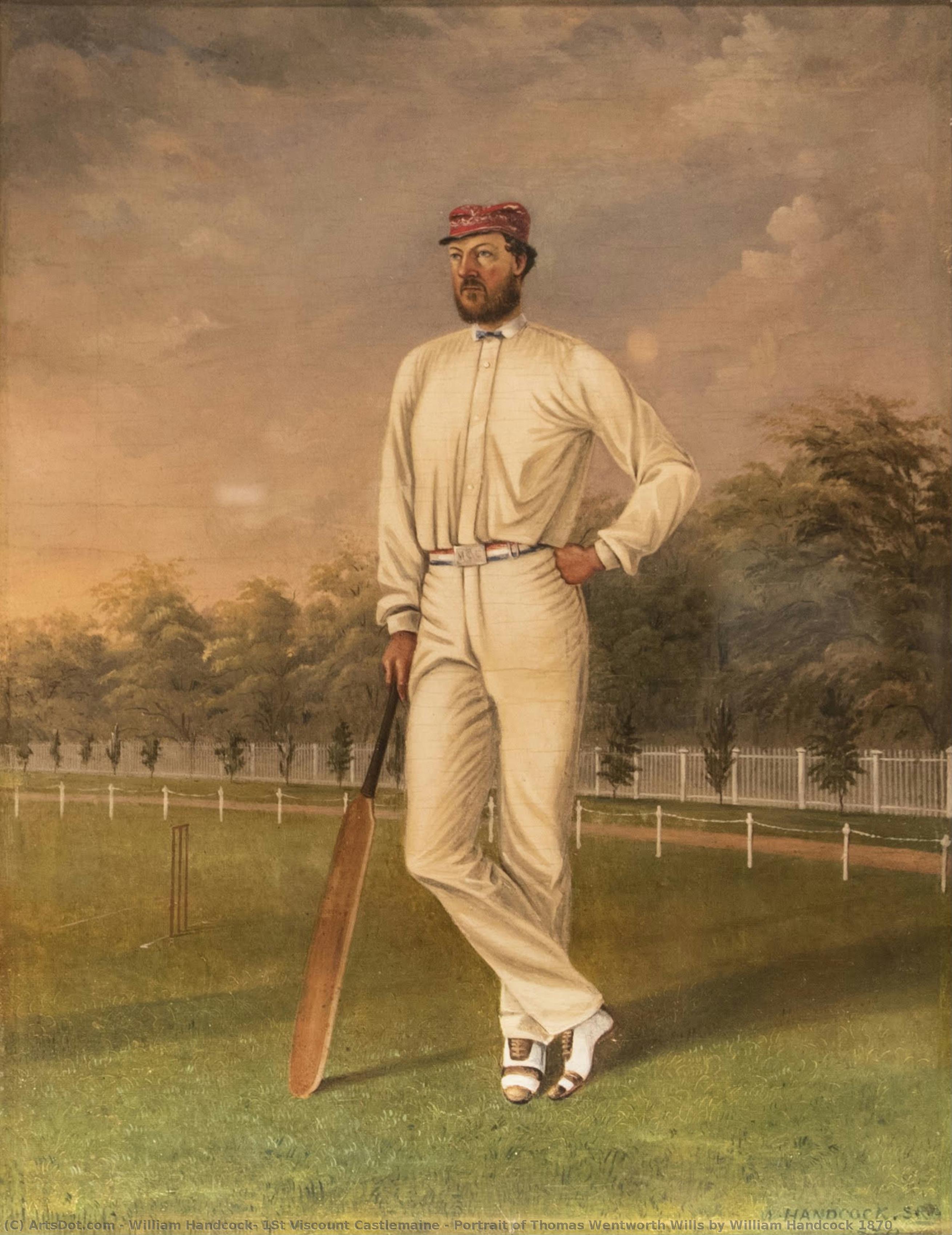
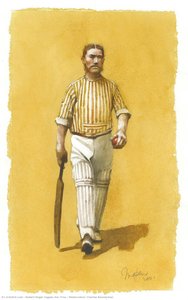
Portrait of Thomas Wentworth Wills by William Handcock 1870


 Pročitaj više
Kupite digitalnu sliku visoke rezolucije i poboljšanog kvaliteta, koja je znatno superiornija od onoga što vidite u online prikazu.
Svaka datoteka je pedantno pripremljena od strane naših stručnjaka koristeći napredne alate i profesionalnu ručnu retušu. Osiguravamo da svaka slika ima izuzetnu oštrinu, preciznu reprodukciju boja i fine detalje.
Konačna datoteka se dostavlja putem e-pošte u roku od 72 sata, optimizovana za neposrednu upotrebu u profesionalnim, izdavačkim i štamparskim okruženjima. To je isti kvalitet kojem veruju vrhunski studiji dizajna, izdavači i galerije.
Digitalna slika
Preuzmite datoteku visoke rezolucije za ličnu upotrebu, štampanje i kreativne projekte. ( Kupi print Kupi ručno naslikanu sliku)
Uključeno uz svaku porudžbinu digitalne slike
Profesionalna digitalna isporuka, zagarantovana
Kada odaberete ArtsDot.com, ne dobijate samo sliku – vi primate profesionalno unapređeno digitalno umetničko delo, izrađeno sa najvećom preciznošću i uz garanciju zadovoljstva. Evo svega što automatski dolazi uz vašu porudžbinu:

Brza dostava putem e-pošte
Vaša digitalna slika visoke rezolucije biće vam poslata putem e-pošte u roku od 72 sata od poručivanja – spremna za trenutnu upotrebu.

Digitalna datoteka unapređena veštačkom inteligencijom
Vaše umetničko delo je profesionalno optimizovano korišćenjem naprednih AI alata i ručne obrade, čime se osiguravaju maksimalni detalji, oštrina i preciznost boja.

Besplatna ponovna isporuka doživotno
Slučajno ste obrisali ili izgubili svoju datoteku? Ne brinite – poslaćemo vam je ponovo u bilo kom trenutku, potpuno besplatno.

Bez troškova uvoza – zauvek
Uživajte u svojim umetničkim delima trenutno, bez carine, dažbina ili troškova dostave – digitalni download je uvek bez poreza.

Garancija vernosti boja
Uz pomoć profesionalnih alata i upravljanja bojama, osiguravamo da vaša digitalna slika što vernije odražava originalne boje.

Garancija zadovoljstva u roku od 60 dana
Ako niste zadovoljni svojom digitalnom slikom, revidirat ćemo je ili vratiti 100% novca u roku od 60 dana – bez ikakvih pitanja.

100% garancija povrata novca
Niste zadovoljni? Obezbedite pun povrat novca u roku od 60 dana od trenutka kada ste primili svoju digitalnu datoteku – bez suvišnih pitanja.

Popusti na velike porudžbine
Kupite 3 slike, uštedite 10% - Kupite 5 slika, uštedite 15% - Kupite 10+ slika, uštedite 20%. Odlično za kreativne projekte, galerije i agencije.
A Moment Frozen in Cricket Whites
In the soft, diffused light of an era long passed, the Portrait of Thomas Wentworth Wills by William Handcock emerges as more than a mere likeness; it is a window into the gentlemanly spirit of the Victorian sporting age. Painted in 1870, this evocative oil portrait captures T.W. Wills not merely as a man, but as an icon of cricket heritage. He stands with a poised, quiet confidence at the heart of a verdant cricket ground, leaning casually yet regally upon his bat. The composition draws the eye immediately to the crisp textures of his cricket whites, which contrast beautifully against the lush, deep greens of the background. Every detail, from the vibrant red of his cap to the meticulous blue, red, and white stripes of his MCC belt, serves to anchor the subject in a specific moment of sporting prestige and personal pride.
The artist’s technique breathes life into the canvas, utilizing a masterful command of light and shadow to create a sense of three-dimensional presence. Handcock employs a traditional academic style, where the brushwork is smooth enough to render the fine textures of fabric and wood, yet expressive enough to capture the organic vitality of the surrounding landscape. The background—a serene arrangement of white fences, sprawling grass, and distant, soft-focus trees—provides a sense of depth that pulls the viewer into the scene. This atmospheric perspective creates a tranquil sanctuary, isolating Wills within his element and inviting the observer to share in the peaceful afternoon of a summer match.
Symbolism and the Spirit of the Game
Beyond the technical prowess on display, the painting is rich with the symbolism of late 19th-century social identity. The cricket bat is not simply a piece of sporting equipment; it is a scepter of character, representing discipline, tradition, and the "gentlemanly" virtues held dear by the MCC and the wider British sporting community. The presence of the MCC belt buckle acts as a subtle heraldic device, signaling membership in an elite circle of cultural significance. Even the landscape itself—the manicured ground and the orderly fences—reflects the Victorian ideal of order and the cultivation of leisure. There is a profound sense of nostalgia embedded in the pigment, a longing for a time when sport was a cornerstone of social cohesion and personal honor.
For the discerning collector or interior designer, this piece offers an unparalleled opportunity to introduce a sense of historical gravity and timeless elegance into a space. Whether placed in a traditional study, a sophisticated library, or a contemporary dining room, the portrait acts as a conversational centerpiece that evokes themes of heritage and classic masculinity. As a high-quality reproduction, it retains the soulful essence of the original 1870 masterpiece, offering the prestige of fine art with the versatility required for modern luxury decor. It is an investment in atmosphere, bringing the quiet dignity of the cricket grounds into the heart of the home.
Srodna umetnička dela



Biografija umetnika
A Life Entwined with Irish Destiny: William Handcock, 1st Viscount Castlemaine
William Handcock, born in Dublin on August 28th, 1761, was a figure whose life became inextricably linked to the tumultuous political landscape of late 18th and early 19th-century Ireland. He wasn’t an artist in the traditional sense—no canvases bear his signature, no sculptures claim his hand—yet Handcock's legacy resides in the very fabric of Irish history, a testament to a man who navigated the shifting tides of power with shrewdness and unwavering conviction. His story is one of landed gentry, parliamentary maneuvering, and ultimately, a tragic end that echoed through the annals of both Ireland and Australia. He was born into privilege, the son of Reverend Richard Handcock, Dean of Achonry, and Sarah Toler, inheriting not only substantial estates centered around Moydrum Castle near Athlone but also a deeply ingrained sense of responsibility to his lineage and community. This upbringing instilled in him an understanding of the intricate web of landownership, ecclesiastical authority, and local governance that defined Anglo-Irish society during this period.Early Political Ascendancy and the Union
Handcock’s entry into public life began in 1783 when he successfully contested the seat for Athlone in the Irish House of Commons. For nearly two decades, he represented his constituency with diligence, becoming a familiar face within the halls of power at Parliament House. However, it was his unwavering support for the Acts of Union in 1800 that truly defined his political trajectory. The Union—the legislative merger of Ireland and Great Britain—was a deeply divisive issue, sparking fierce debate and resistance across the island. Handcock firmly believed in its necessity, viewing it as a path towards greater stability and prosperity for Ireland within the broader United Kingdom. This conviction wasn’t merely ideological; as sole proprietor of the Athlone borough post-Union, he secured significant patronage rights, solidifying his influence and position within the new political order. His loyalty was rewarded with appointment to the Irish Privy Council in 1801, a clear indication of Dublin administration's trust and appreciation for his steadfast support of Protestant Ascendancy interests.Governance and Recognition: Constable, Governor, Baron, Viscount
The years following the Union saw Handcock assume increasingly prominent roles within Irish society. From 1813 to 1839, he served as Constable and Governor of Athlone, responsible for maintaining order and overseeing the administration of the town. Simultaneously, he held the position of Governor of County Westmeath from 1814 to 1831, wielding considerable authority over a vast region. These positions weren’t simply administrative; they were symbols of his standing within the Anglo-Irish elite, reflecting his ability to command respect and navigate the complexities of local governance. In recognition of his service and loyalty, Handcock was elevated to the peerage as Baron Castlemaine in 1812. This title, however, came with a unique stipulation: should he die without male heirs, it would pass to his brother, ensuring the continuation of the family’s prominence. Further acknowledgement followed in 1822 with the creation of the Viscountcy of Castlemaine, though this honor lacked the same provision for inheritance.A Tragic Demise and an Australian Echo
The life of William Handcock came to a sudden and dramatic end on January 7th, 1839, during what became known as the Night of the Big Wind—one of the most severe storms in Irish history. While residing at Moydrum Castle, his bedroom shutters were violently blown open by the gale-force winds, hurling him backwards with such force that he succumbed to fatal injuries instantly. His death sent shockwaves through Ireland, a poignant reminder of the unpredictable power of nature and the fragility of life. Yet, Handcock’s legacy extended far beyond the shores of Ireland. In a remarkable twist of fate, his nephew, Captain W. Wright, named the Australian city of Castlemaine in Victoria after him in 1854. This act ensured that the name—and by extension, the memory—of William Handcock would endure on another continent, a lasting tribute to a man whose life was so deeply interwoven with the history and destiny of Ireland.Historical Significance: A Representative of an Era
William Handcock wasn’t a revolutionary artist or a groundbreaking scientist; his significance lies in his embodiment of a particular era—the age of landed gentry, parliamentary patronage, and the complex political dynamics surrounding the Union of Ireland and Great Britain. He represented a class deeply invested in maintaining its power and influence, navigating the shifting sands of history with pragmatism and unwavering loyalty to the Crown. While often viewed through a critical lens by those who opposed the Union, Handcock’s story offers valuable insight into the motivations and perspectives of the Anglo-Irish elite during this pivotal period. His life serves as a compelling case study in the intricacies of power, privilege, and the enduring impact of historical events on individual destinies—a legacy that continues to resonate through the annals of Irish history and across the vast expanse of the Australian landscape.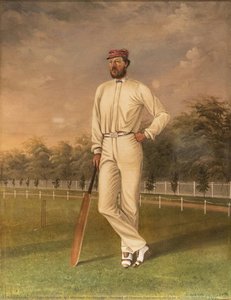
william handcock, 1st viscount castlemaine
1761 - 1839 , Ireland
Kratke činjenice
- Artistic Movement Or Style: Romanticism
- Artists Or Movements Influenced By This Artist: ['Romanticism']
- Artists Who Influenced This Artist: ['Samuel Palmer']
- Date Of Birth: August 28, 1761
- Full Name: William Handcock, 1st Viscount Castlemaine
- Nationality: Irish
- Notable Artworks: ['Portrait of Thomas Wentworth Wills']
- Place Of Birth: Dublin, Ireland

