

 Pošalji
 Podeli
 Detalji o delu

 Преузми
 Slični predmeti
 Slajdovi
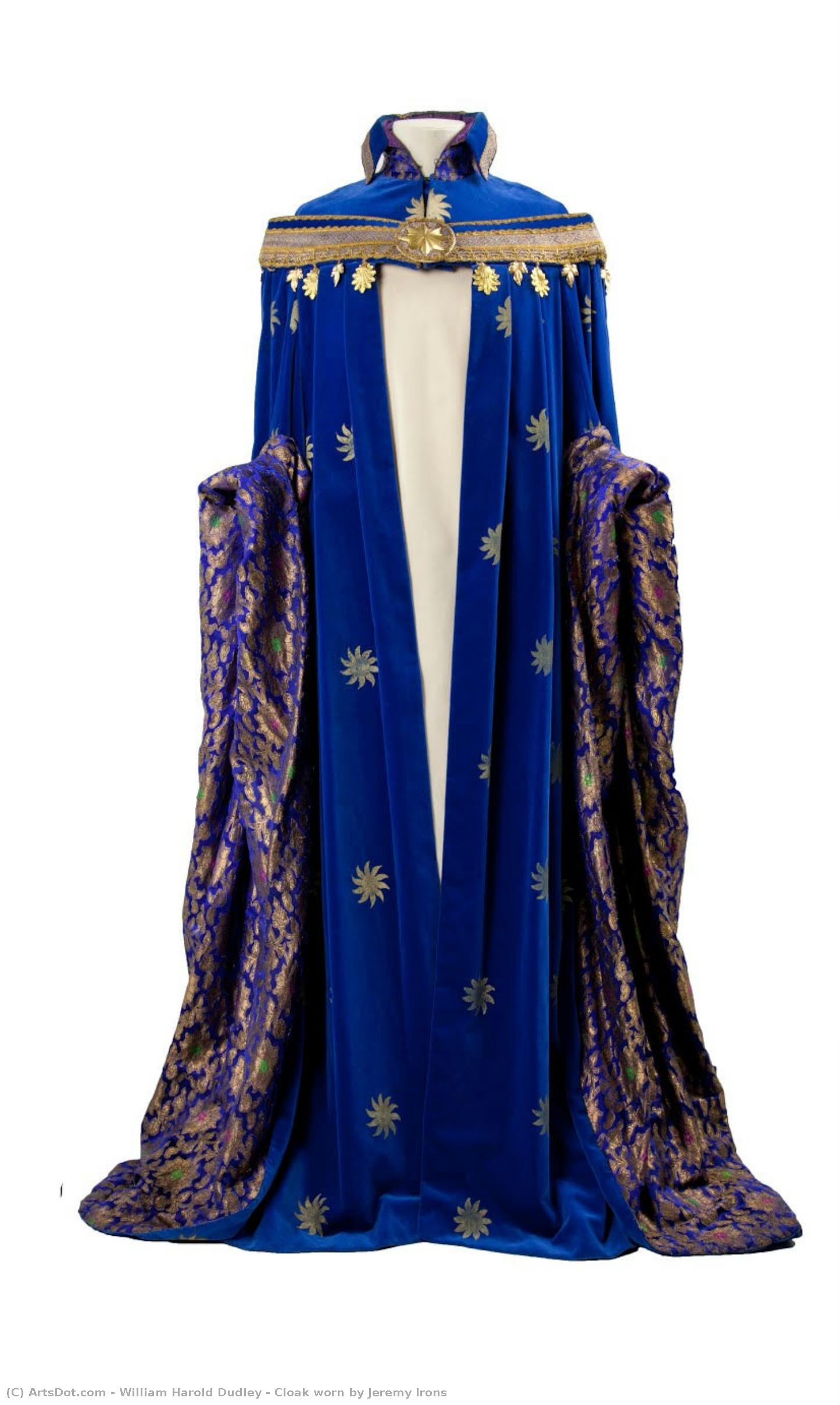
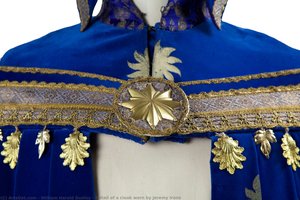
Cloak worn by Jeremy Irons


 Pročitaj više
Ručno rađena uljana reprodukcija
Ručno oslikano uljanim bojama na platnu u dimenzijama i okviru po vašem izboru, izrađeno po porudžbini od strane naših umetnika. ( Kupi print Kupi digitalnu sliku)




































Izaberite jednu od naših unapred definisanih veličina koje odgovaraju originalnim proporcijama umetničkog dela.

Можете унети сопствене димензије како бисте прилагодили дело одређеном оквиру или простору. Ако одабрана величина не одговара пропорцијама оригинала, слика ће бити исечена или проширена додатним елементима који се ручно насликавају. Дигитални prikaz ће вам бити послат на одобрење пре почетка производње.
Имајте на уму да преглед на екрану не одражава стварно исецање или проширење. Само приказ (mockup) ће тачно приказати коначну композицију.
Иако су доступне прилагођене величине, препоручујемо да одаберете димензију из дефинисане листе како бисте сачували оригиналне пропорције.
Nakon narudžbine, tim ArtsDot.com će klijentu putem e-pošte poslati uputstva i dostaviti prikaz predloženog rešenja
Isporuka širom sveta () za 3/4 nedelje umesto uobičajenih 5 nedelja. (7 септембар). Bez kompromisa po pitanju kvaliteta.

Besplatna ekspresna dostava širom sveta

Visokokvalitetno laneno platno

Kompletno osiguranje transporta

Garancija povraćaja carine i uvoznih dažbina

Garancija vernosti boja

Politika povraćaja u roku od 100 dana (isključivo u slučaju nedostataka)

Garancija povrata novca od 100%

Popust pri grupnoj kupovini
 Opcija sa staklom dostupna je samo za dimenzije manje od 110 cm

Cloak worn by Jeremy Irons
Tehnika reprodukcije
Dimenzije reprodukcije
-


Konačna cena
$ 263
A Tapestry of Cinematic Grandeur
In the intersection of cinematic history and textile artistry lies a piece of profound visual splendor: the Cloak worn by Jeremy Irons. Created in 1986 by the visionary costume designer William Harold Dudley, this garment is far more than a mere costume; it is a masterwork of texture and light that captures the essence of historical romanticism. The deep, midnight blue velvet serves as a celestial canvas, upon which golden stars are meticulously placed, evoking the quiet majesty of a star-strewn night sky. Every fold of the heavy fabric tells a story of nobility and weight, suggesting a character of immense importance and burdened destiny. For the discerning collector or interior designer, this piece represents a bridge between the ephemeral magic of film and the tangible luxury of fine craftsmanship.
The technical brilliance of Dudley’s design lies in its intricate interplay of materials and light. The velvet, with its ability to absorb and reflect shadows, provides a rich, tactile depth that invites the eye to linger on its plush surface. This darkness is brilliantly interrupted by the shimmering gold trim and heraldic embroidery, which catch the light with every movement, much like the flickering torches of a medieval court. The long, sweeping train adds an architectural dimension to the garment, lending it a sense of motion even in stillness. Such attention to detail—from the precise placement of the golden stars to the weight of the gold-threaded borders—demonstrates a level of artistry that transcends simple clothing, elevating the cloak to the status of a sculptural object.
Beyond its physical beauty, the cloak carries a heavy symbolic resonance. The choice of blue and gold is deeply rooted in the iconography of royalty and the divine, suggesting a connection between the earthly ruler and the heavens above. To possess or display a reproduction of such a piece is to invite an atmosphere of timeless elegance and dramatic storytelling into a space. It evokes the spirit of Pictorialism—a movement Dudley himself was associated with through his photographic work—where the goal was not mere documentation, but the creation of an emotional, atmospheric truth. Whether integrated into a curated gallery wall or used as a focal point in a sophisticated interior, this cloak serves as a breathtaking testament to the enduring power of historical fantasy and the artistry of costume design.
Srodna umetnička dela


Biografija umetnika
A Life Captured in Light and Shadow
Born in the industrial heart of Bilston, Staffordshire, in 1890, William Harold Dudley emerged from a working-class background to become a profound voice in the landscape traditions of the early twentieth century. The son of an ironworker, Dudley’s journey from the Midlands to the heights of the British art establishment is a testament to his extraordinary technical mastery and vision. His formative education at the Bilston School of Art and later the prestigious Royal College of London provided him with a rigorous foundation, yet it was his innate ability to perceive the ephemeral qualities of light that would truly define his legacy. During the tumultuous years of the First World War, Dudley served in the Intelligence Corps, where his skill in cartography was matched by a bravery that saw him mentioned in despatches—a period of intense observation that perhaps deepened his connection to the physical contours of the earth.
Following the war, Dudley’s career blossomed through a dedicated commitment to teaching and practice. Serving as the Head of Art at Newport College of Art between 1922 and 1940, he influenced a generation of artists while simultaneously refining his own aesthetic. His life was deeply intertwined with his wife, Frances Wells, an artist in her own right who shared his passion for travel and the pursuit of beauty. Together, they explored the scenic vistas of Cornwall, particularly the charming environs of Polperro, which became a recurring muse for his canvases. Despite the later challenges posed by Parkinson's disease, which began to hamper his physical ability to paint in his fifties, Dudley’s artistic spirit remained undiminished until his passing in 1949.
The Impressionistic Vision and Technical Mastery
Dudley’s oeuvre is characterized by a profound sensitivity to the atmospheric shifts of the natural world. While often associated with the principles of plein-air painting, his work shares a spiritual kinship with the Newlyn School, emphasizing the direct observation of light and color as they dance across a landscape. His paintings are not merely records of geography but are emotional evocations of place. Whether capturing the rugged coastal beauty of Devon or the serene, sun-drenched pastoral scenes of the West of England, Dudley utilized a brushwork that was both loose and deliberate, allowing textures to breathe and light to permeate the composition.
His technical repertoire allowed him to navigate various stylistic territories, from the delicate nuances of watercolor to the rich, tactile depths of oil on canvas. In works such as 'Beer, Devon', one can witness his ability to translate the movement of sea and sky into a cohesive, impressionistic harmony. His approach was deeply influenced by the masters of light, seeking to capture the fleeting moment before it dissolved into memory. This dedication to the subjective experience of nature—rather than mere photographic realism—placed him at the forefront of a movement that sought to elevate landscape painting into a realm of poetic symbolism.
Legacy and Artistic Significance
The significance of William Harold Dudley lies in his ability to bridge the gap between traditional landscape representation and the more expressive, emotive qualities of modernism. His presence in the most esteemed institutions of his time—exhibiting at the Royal Academy, the Royal West of England Academy, and the Paris Salon—underscores his standing within the international art community. He was an artist who understood that a landscape is never just a view, but a vessel for atmosphere, mood, and history.
Today, Dudley’s work serves as a vital window into the aesthetic sensibilities of the early twentieth century. His contributions can be summarized through several key artistic pillars:
- Atmospheric Precision: A singular ability to render the subtle gradations of light and the weight of the atmosphere in coastal and inland landscapes.
- Educational Influence: A lasting impact on the British art curriculum through his leadership roles in prominent art colleges.
- Stylistic Versatility: The seamless integration of Impressionistic textures with a structured, classical understanding of composition.
- Historical Resonance: An oeuvre that captures the pastoral and maritime essence of the British Isles during a period of profound social change.
Through his meticulous observation and expressive technique, Dudley ensured that the fleeting beauty of the natural world was preserved with a dignity and grace that continues to resonate with collectors and historians alike.
william harold dudley
1890 - 1949
Osnovne informacije
- Artistic Movement Or Style: Pictorialism Photography
- Artists Or Movements Influenced By This Artist: ['Early Australian Art']
- Artists Who Influenced This Artist: ['Cazneaux']
- Date Of Death: 1949
- Full Name: William Harold Dudley
- Nationality: Australian
- Notable Artworks: ['Polperro in Summertime']
- Place Of Birth: Wolverhampton
Povezani članci

Slate Blue Masterpieces: 10 Iconic Paintings & Timeless Home Decor Ideas
Immerse yourself in the captivating world of slate blue! Explore 10 iconic paintings by Monet, Van Gogh & Renoir. Discover their stories, techniques & find museum-quality art reproductions for your home at .

Golden Glow: How to Use Metallic Gold Artworks to Elevate Your Home Decor with Timeless Luxury
Discover how to elevate your home with the timeless elegance of metallic gold artworks. From sculptural metal pieces to gilded oil paintings, learn expert interior design tips for integrating luxurious gold accents into your space with sophistication and grace.
The Allure of Azure: Exploring the Symbolic & Aesthetic Depths of Blue in Art History
Explore the rich history of blue in art! Discover its symbolism, from ancient pigments to modern masterpieces by Kandinsky & Seurat. Uncover the psychological impact and cultural meanings behind this captivating hue.
The Allure of Gold in Art History: Symbolism, Technique & Cultural Significance
Explore the rich history of gold in art! Discover symbolism, techniques & cultural significance from ancient civilizations to Klimt's masterpieces. Expert insights for collectors at ArtsDot.

Golden Masterpieces: 10 Paintings That Define Art History | ArtsDot
Explore 10 breathtaking paintings where gold leaf shines! From Klimt to Byzantine icons, discover art history’s most gilded masterpieces. Find museum-quality reproductions & elevate your home decor with ArtsDot. Explore the full collection online.