

 Pregledaj u prostoru
 Pošalji
 Podeli
 Detalji o delu

 Преузми
 Slični predmeti
 Rendgenski snimak
 Slajdovi
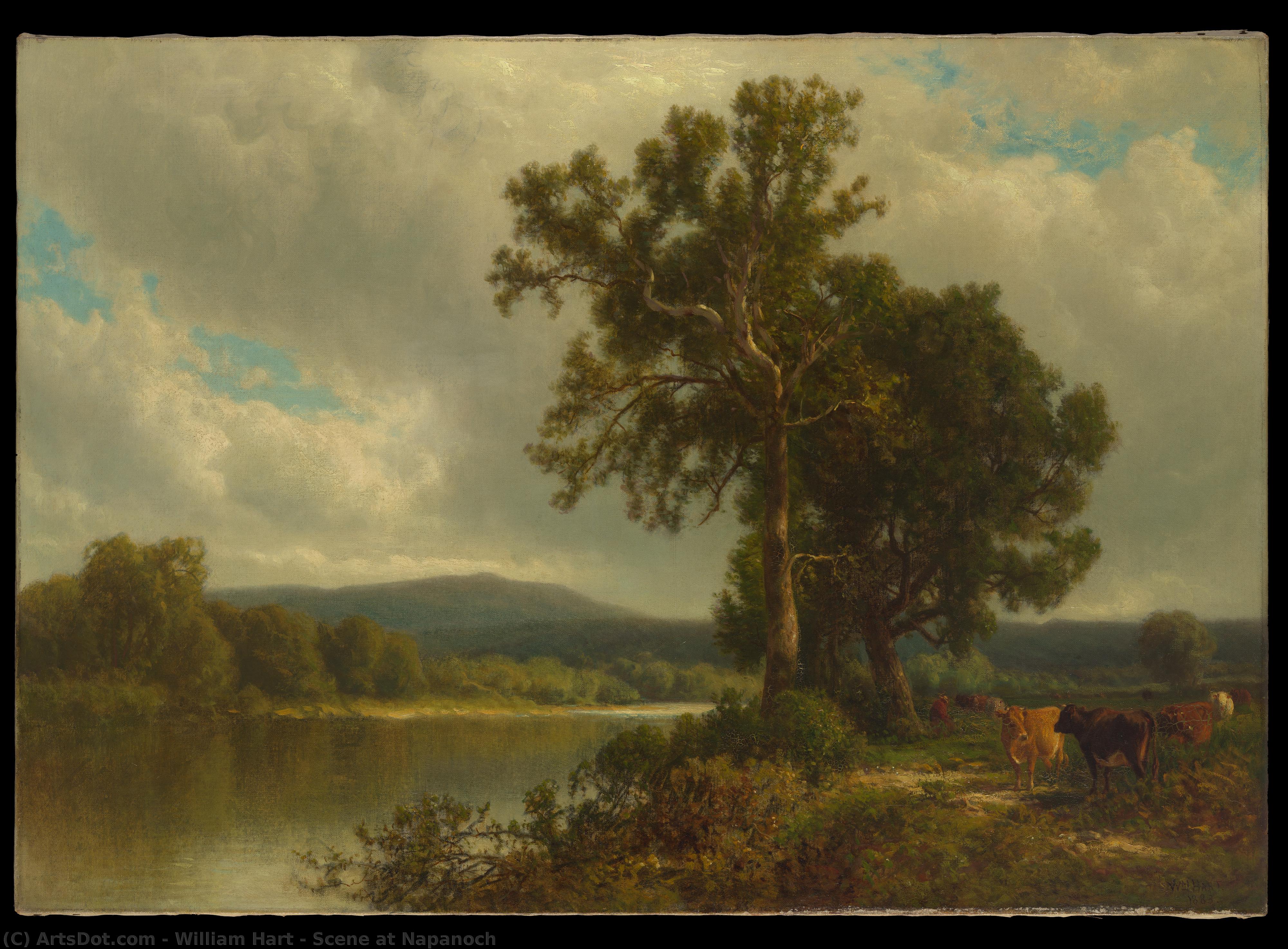
Scene at Napanoch
 Acrylic On Canvas
- WallArt
- Hudson River School
 1883
1883 60.0 x 85.0 cm
 Metropolitan Museum of Art
 Pročitaj više
Ručno rađena uljana reprodukcija
Ručno oslikano uljanim bojama na platnu u dimenzijama i okviru po vašem izboru, izrađeno po porudžbini od strane naših umetnika. ( Kupi print Kupi digitalnu sliku)




P118B $10

P118H $10

P118W $10

P438Z $10

P508JH $12

P508YH $12

P805H $10

P805Z $10

P919BZ $10

P919G $10

P919XJ $10

P959ZH $10

P968JZ $12

W106C $8

W218G $10

W218JH $8

W218Y $10

W307PJ $10

W316G $10

W316PJ $8

W316Y $10

W398PJ $8

W4111J $10

W500HY $15

W500JH $15

W692G $12

W849H $8

W940BG $15

W953PJ $8




Izaberite jednu od naših unapred definisanih veličina koje odgovaraju originalnim proporcijama umetničkog dela.

Можете унети сопствене димензије како бисте прилагодили дело одређеном оквиру или простору. Ако одабрана величина не одговара пропорцијама оригинала, слика ће бити исечена или проширена додатним елементима који се ручно насликавају. Дигитални prikaz ће вам бити послат на одобрење пре почетка производње.
Имајте на уму да преглед на екрану не одражава стварно исецање или проширење. Само приказ (mockup) ће тачно приказати коначну композицију.
Иако су доступне прилагођене величине, препоручујемо да одаберете димензију из дефинисане листе како бисте сачували оригиналне пропорције.
Nakon narudžbine, tim ArtsDot.com će klijentu putem e-pošte poslati uputstva i dostaviti prikaz predloženog rešenja
Isporuka širom sveta () za 3/4 nedelje umesto uobičajenih 5 nedelja. (23 август). Bez kompromisa po pitanju kvaliteta.

Besplatna ekspresna dostava širom sveta

Visokokvalitetno laneno platno

Kompletno osiguranje transporta

Garancija povraćaja carine i uvoznih dažbina

Garancija vernosti boja

Politika povrata u roku od 60 dana (samo u slučaju nedostataka)

Garancija povrata novca od 100%

Popust pri grupnoj kupovini
 Opcija sa staklom dostupna je samo za dimenzije manje od 110 cm

Scene at Napanoch
Tehnika reprodukcije
Dimenzije reprodukcije
-


Konačna cena
$ 263
Opis umetničkog dela
A Moment Frozen in Time: William Hart’s “Scene at Napanoch”
William Hart's "Scene at Napanoch," painted in 1883, isn’t merely a landscape; it’s a carefully constructed tableau of rural life imbued with a profound sense of quiet observation and the subtle melancholy inherent in capturing a fleeting moment. This Hudson River School masterpiece, housed within The Metropolitan Museum of Art in New York City, offers a glimpse into a bygone era – a time when America was still grappling with its identity and finding solace in the vastness and beauty of its natural spaces. Hart’s skill lies not just in his technical proficiency but in his ability to evoke atmosphere and emotion through meticulously rendered details.
The painting depicts a serene scene at Napanoch, a small village nestled within the Catskill Mountains of New York State. A prominent tree dominates the foreground, its substantial trunk and branching limbs anchoring the composition while simultaneously drawing the eye into the heart of the landscape. Around this central element, a cluster of horses – five in total – stand patiently, their forms rendered with remarkable realism and attention to texture. Two cows graze peacefully nearby, adding to the sense of pastoral tranquility. A solitary figure, presumably an observer or perhaps a farmer tending his land, is positioned on the left side of the canvas, subtly inviting us into this intimate scene.
The Language of Light and Color
Hart’s masterful use of light is central to the painting's impact. He employs a diffused, almost ethereal quality, suggesting either early morning or late afternoon – a time when shadows are lengthening and the air holds a certain stillness. The colors are muted yet rich, dominated by earthy tones—browns, greens, and ochres—that blend seamlessly with the natural surroundings. Notice how he uses subtle gradations of color to create depth and volume, particularly in the depiction of the tree’s bark and the horses' coats. This careful attention to detail is characteristic of the Hudson River School style, which sought to capture the grandeur and beauty of nature with scientific precision while simultaneously conveying a sense of spiritual awe.
A Reflection of American Identity
“Scene at Napanoch” speaks powerfully to the burgeoning American identity of the late 19th century. The Hudson River School painters, including Hart, were deeply concerned with representing America’s landscapes – not just as picturesque backdrops but as symbols of national character and spiritual potential. The scene embodies a romanticized vision of rural life—a connection to the land, a respect for nature, and a sense of community. It reflects a desire to establish a distinctly American artistic tradition, one rooted in observation of the natural world rather than imitation of European styles.
Symbolism and Emotional Resonance
Beyond its realistic depiction of a rural scene, “Scene at Napanoch” carries layers of symbolic meaning. The horses, often associated with strength and vitality, could represent the burgeoning American spirit. The quiet observation of the solitary figure suggests a contemplative mood—a moment of reflection amidst the rhythms of daily life. There’s an underlying sense of peace and contentment, yet also a subtle hint of melancholy, perhaps reflecting the awareness that such idyllic scenes are increasingly rare in a rapidly changing nation. The painting invites us to pause, to contemplate, and to connect with the enduring beauty and spirit of the American landscape.
Reproductions and Legacy
Today, “Scene at Napanoch” stands as a testament to William Hart’s artistic vision and his contribution to the Hudson River School. High-quality reproductions offer an accessible way to experience this remarkable painting, bringing its beauty and evocative atmosphere into any home or office space. Whether you're an art enthusiast, a collector seeking authentic American artwork, or simply someone who appreciates the power of landscape imagery, “Scene at Napanoch” remains a timeless masterpiece—a poignant reminder of America’s rich artistic heritage.
Srodna umetnička dela

Biografija umetnika
Henri de Toulouse-Lautrec: A Parisian Visionary
Born Henri Marie Raymond de Toulouse-Lautrec-Montfa in 1864, the future artist’s life was profoundly shaped by a confluence of aristocratic heritage and physical adversity. His birth into the wealthy Toulouse-Lautrec family of southern France carried with it expectations of a distinguished lineage – a title of Count would have been his inheritance had his father lived longer. However, at the tender age of twelve, a devastating accident shattered his legs, leaving him with a permanently stunted stature and a lifelong struggle with mobility. This physical limitation, rather than becoming a barrier, became an integral part of his artistic vision, forcing him to observe the world from a unique perspective – one that would ultimately define his distinctive style.
Early life in Aveyron provided a stark contrast to the vibrant, chaotic energy of Paris, which he eventually embraced. The family’s estate offered a certain formality and tradition, but it was the allure of the city's bohemian scene – its cabarets, dance halls, and unconventional social circles – that truly captivated him. This immersion in the underbelly of Parisian life became the bedrock of his artistic output, providing him with a rich tapestry of subjects rarely depicted by mainstream artists at the time.
The Artist’s Palette: Style and Technique
Toulouse-Lautrec's style is instantly recognizable – a bold blend of realism and caricature, infused with an undeniable sense of movement and theatricality. He was deeply influenced by Impressionism, particularly in his use of color and loose brushstrokes, but he quickly moved beyond mere representation to capture the *feeling* of a scene, the atmosphere of a place. His work is characterized by dynamic diagonals, exaggerated perspectives, and a deliberate distortion of form, all contributing to a sense of immediacy and excitement.
He was a master of printmaking, utilizing techniques like lithography to create striking images that were both technically proficient and emotionally resonant. His posters for the Moulin Rouge, in particular, are iconic examples of his ability to distill complex scenes into powerful visual statements. He employed a limited palette, often favoring bold reds, blues, and yellows, which he used with remarkable intensity to convey mood and atmosphere. His drawings, equally compelling, reveal an acute eye for detail and a masterful understanding of line and shadow.
A World of Subjects: Brothels, Cabarets, and Bohemian Life
Toulouse-Lautrec’s artistic focus was relentlessly centered on the Parisian nightlife – the crowded dance halls, the smoky cabarets, and the world of prostitutes and performers. He wasn't interested in romanticizing these spaces; instead, he presented them with unflinching honesty, capturing their gritty reality alongside their moments of fleeting beauty and glamour. His subjects included not only dancers and singers but also the patrons who frequented these establishments – a diverse cast of characters ranging from wealthy aristocrats to impoverished laborers.
His depictions of women, particularly those working in the sex trade, are often controversial, yet they are imbued with a profound sense of empathy. He avoided sensationalism, focusing instead on capturing their dignity and resilience amidst challenging circumstances. He frequently depicted them as complex individuals, not merely objects of desire.
Legacy and Influence
Despite facing significant health challenges throughout his life – exacerbated by excessive alcohol consumption – Toulouse-Lautrec produced a remarkably prolific body of work that continues to captivate audiences today. His innovative approach to printmaking, his bold use of color and line, and his unflinching portrayal of Parisian life established him as one of the most important artists of the late 19th century.
He is considered a key figure in Post-Impressionism, alongside artists like Van Gogh, Gauguin, and Cézanne. His influence can be seen in the work of numerous subsequent artists, including Picasso and Matisse. Toulouse-Lautrec’s legacy extends beyond his artistic achievements; he remains an enduring symbol of Parisian modernity – a testament to the power of observation, imagination, and the ability to find beauty even in the most unconventional of subjects.
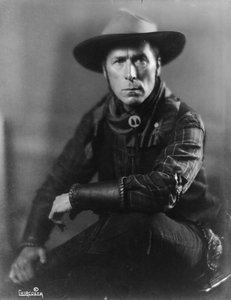
william hart
1864 - 1946 , United States of America
Osnovne informacije
- Artistic Movement Or Style: Post-Impressionism
- Artists Or Movements Influenced By This Artist: ['George Seurat']
- Artists Who Influenced This Artist:
- Paul Cézanne
- Vincent van Gogh
- Date Of Birth: November 24, 1864
- Date Of Death: September 9, 1901
- Full Name: Henri Marie Raymond de Toulouse-Lautrec
- Nationality: French
- Notable Artworks:
- La Blanchisseuse
- Moulin Rouge dancers
- Place Of Birth: Camjac, Aveyron, France
Povezani članci
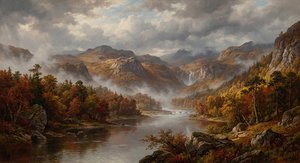
Top 10 Remek Dela Koja Su Definisala Hudson River School: Majstorski Priori Za Vaš Dom
Otkrijte 10 remek dela koja su definisala Hudson River School! Uronite u priče o Thomas Cole-u, Frederic Church-u i veličanstvenim pejzažima Amerike. Inspiracija za vaš dom – vrhunske reprodukcije na ArtsDot.com!

The Sublime Landscape: Exploring the Hudson River School Movement
Explore the captivating world of the Hudson River School! Discover the history, artists, and defining characteristics of this iconic American art movement. Learn about Romanticism's influence & find inspiration for your collection.
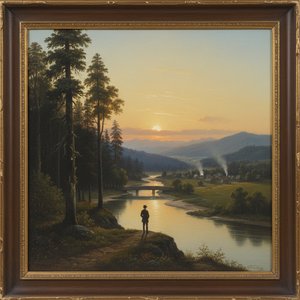
Robert Spencer: Luminism, Narrative & the American Landscape Tradition
Explore the captivating world of Luminism & the Hudson River School with our expert analysis. Discover the history, artists, and enduring beauty of 19th-century American landscape painting. Find museum-quality reproductions at ArtsDot.
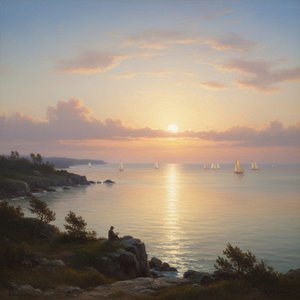
William Trost Richards: Luminism, Spirituality & the American Landscape Tradition
Explore the captivating landscapes of William Trost Richards, a master of Luminism associated with both the Hudson River School & American Pre-Raphaelite movements. Discover his spiritual connection to nature and lasting influence on American art.
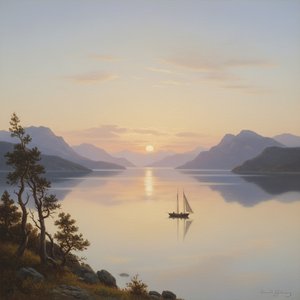
Sanford Robinson Gifford: Luminism & the American Landscape Tradition
Explore the serene landscapes of Sanford Robinson Gifford, a leading Luminist painter of the Hudson River School. Discover his mastery of light, atmospheric effects & lasting influence on American art. Hand-painted reproductions available.

