 Pregledaj u prostoru
 Pošalji
 Podeli
 Detalji o delu

 Преузми
 Slični predmeti
 Rendgenski snimak
 Slajdovi
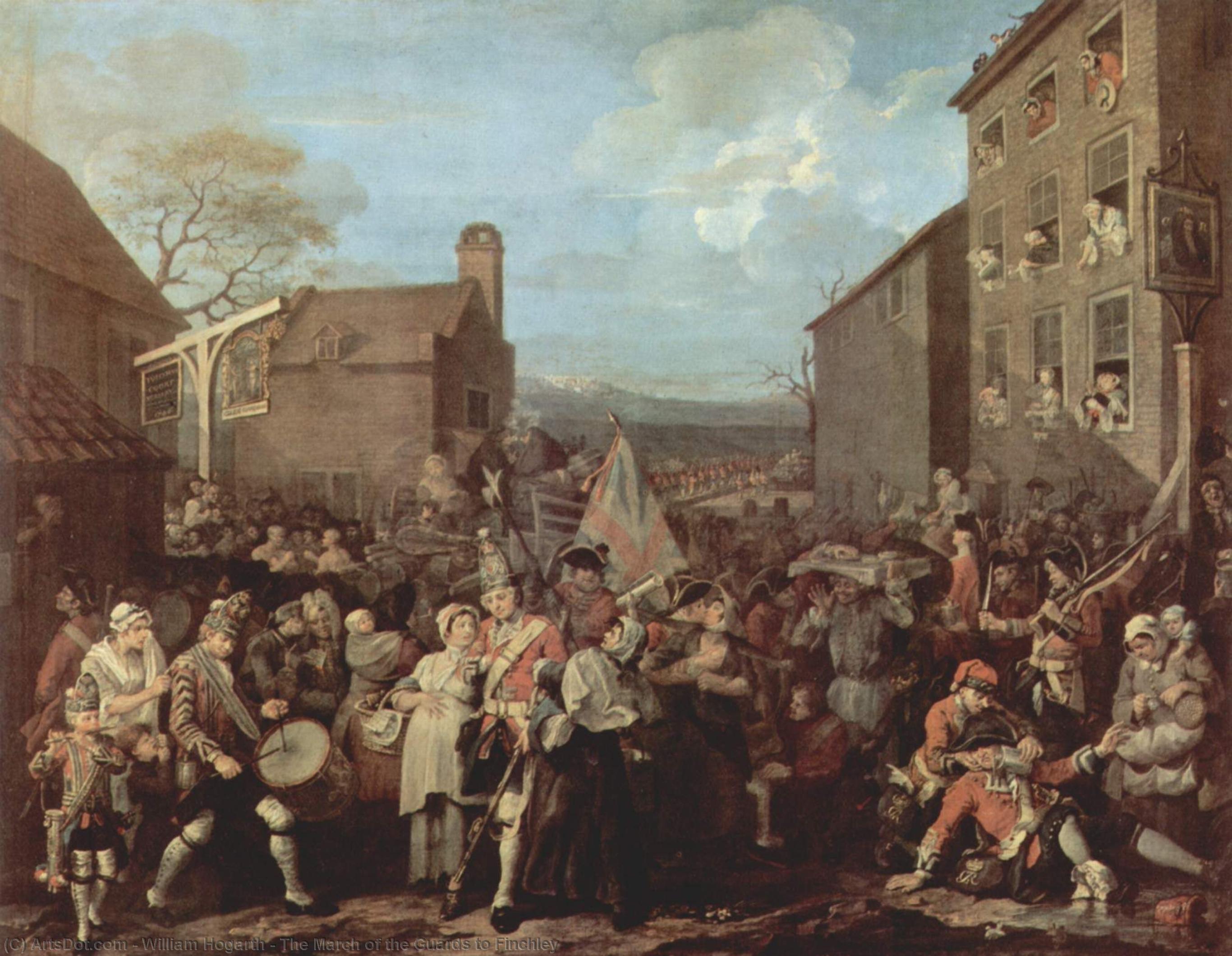
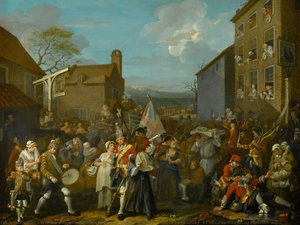
The March of the Guards to Finchley
 Oil On Canvas
- WallArt
- British Rococo
 1750
1750- Early Modern
 133.0 x 101.0 cm
 Pročitaj više
Ručno rađena uljana reprodukcija
Ručno oslikano uljanim bojama na platnu u dimenzijama i okviru po vašem izboru, izrađeno po porudžbini od strane naših umetnika. ( Kupi print Kupi digitalnu sliku)




P118B $10

P118H $10

P118W $10

P438Z $10

P508JH $12

P508YH $12

P805H $10

P805Z $10

P919BZ $10

P919G $10

P919XJ $10

P959ZH $10

P968JZ $12

W106C $8

W218G $10

W218JH $8

W218Y $10

W307PJ $10

W316G $10

W316PJ $8

W316Y $10

W398PJ $8

W4111J $10

W500HY $15

W500JH $15

W692G $12

W849H $8

W940BG $15

W953PJ $8




Izaberite jednu od naših unapred definisanih veličina koje odgovaraju originalnim proporcijama umetničkog dela.

Можете унети сопствене димензије како бисте прилагодили дело одређеном оквиру или простору. Ако одабрана величина не одговара пропорцијама оригинала, слика ће бити исечена или проширена додатним елементима који се ручно насликавају. Дигитални prikaz ће вам бити послат на одобрење пре почетка производње.
Имајте на уму да преглед на екрану не одражава стварно исецање или проширење. Само приказ (mockup) ће тачно приказати коначну композицију.
Иако су доступне прилагођене величине, препоручујемо да одаберете димензију из дефинисане листе како бисте сачували оригиналне пропорције.
Nakon narudžbine, tim ArtsDot.com će klijentu putem e-pošte poslati uputstva i dostaviti prikaz predloženog rešenja
Isporuka širom sveta () za 3/4 nedelje umesto uobičajenih 5 nedelja. (28 август). Bez kompromisa po pitanju kvaliteta.

Besplatna ekspresna dostava širom sveta

Visokokvalitetno laneno platno

Kompletno osiguranje transporta

Garancija povraćaja carine i uvoznih dažbina

Garancija vernosti boja

Politika povrata u roku od 60 dana (samo u slučaju nedostataka)

Garancija povrata novca od 100%

Popust pri grupnoj kupovini
 Opcija sa staklom dostupna je samo za dimenzije manje od 110 cm

The March of the Guards to Finchley
Tehnika reprodukcije
Dimenzije reprodukcije
-


Konačna cena
$ 263
A Satirical Parade Through Georgian London
In the vibrant, often chaotic tapestry of eighteenth-century London, few images capture the era's social friction as vividly as William Hogarth’s The March of the Guards to Finchley. Completed in 1750, this masterful oil on canvas is far more than a mere military chronicle; it is a biting, brilliant window into the soul of a nation caught between the grandeur of its imperial ambitions and the gritty reality of its domestic unrest. As the eye wanders through the bustling street scene, one is immediately struck by the sense of purposeful yet disorganized movement, a visual symphony of soldiers, civilians, and the underlying tension of the Jacobite uprising that threatened the very foundations of the Hanoverian throne.
Hogarth, a pioneer of modern British art, eschews the idealized, polished aesthetics common in much of the Rococo period. Instead, he employs a technique rooted in unflinching realism, using a dynamic composition filled with diagonal lines and strategic focal points to guide the viewer through the crowd. The central figures—the marching guardsmen—command attention, yet their disciplined appearance is subtly undercut by the surrounding vignettes of everyday life. Through his signature use of light and shadow, Hogarth illuminates not just the physical bodies in the street, but the moral complexities of a society on edge, making each brushstroke feel like a deliberate commentary on the human condition.
The Art of Social Commentary and Symbolism
To look closely at this work is to engage in a game of visual storytelling. Hogarth was a master of satire, and here, he uses the military procession as a stage for his sharpest critiques. While the flags fly high and the muskets are held with apparent bravado, the painting is peppered with subtle symbols of vulnerability and social decay. The contrast between the soldiers' duty and the distracted, often predatory behavior of the onlookers creates a profound sense of irony. One might observe the way certain figures interact—some with patriotic fervor, others with a cynical eye—reflecting the deep political divisions that characterized the 1745 rebellion.
For the discerning collector or interior designer, this piece offers an unparalleled depth of narrative. It is not merely a decorative element but a conversation starter, bringing a sense of historical weight and intellectual rigor to any space. The painting’s ability to balance the solemn dignity of military service with the chaotic energy of London life makes it a timeless addition to a curated collection. It invites the viewer to look past the surface, to find the humor in the tragedy, and to appreciate the meticulous detail that Hogarth used to expose the hypocrisies of his age.
A Timeless Masterpiece for the Modern Collector
Whether one is drawn to the historical significance of the Jacobite era or the technical brilliance of Hogarth’s compositional skill, The March of the Guards to Finchley remains an evocative powerhouse. The painting's scale and rich, earthy palette allow it to anchor a room, providing a sense of historical continuity and sophisticated charm. As a reproduction, it serves as a gateway into the Enlightenment, offering a piece of British heritage that resonates with the complexity of our own modern world.
Investing in a high-quality reproduction of this work allows for the appreciation of Hogarth's intricate details—the glint of a bayonet, the texture of a soldier's uniform, and the expressive faces of the London populace—within the intimate setting of a home or gallery. It is an invitation to dwell within the history of London, to feel the pulse of a city in motion, and to celebrate the enduring power of art that dares to tell the truth.
Srodna umetnička dela
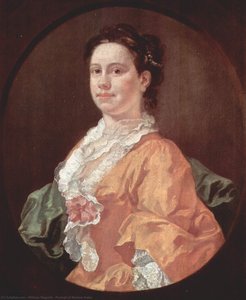
Biografija umetnika
A London Life in Ink and Paint: The World of William Hogarth
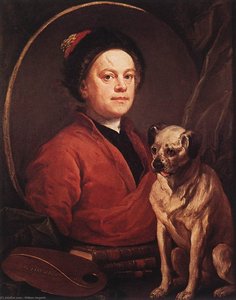
William Hogarth, born into the bustling heart of 18th-century London in 1697, was more than just an artist; he was a visual historian, a keen observer of human nature, and a satirical commentator on the societal currents of his age. His life story is inextricably linked to the very fabric of England during a period of significant transformation – its burgeoning ambitions, underlying anxieties, and pervasive hypocrisies all finding potent expression in his remarkably detailed and often biting works. The son of a struggling Latin schoolmaster, Hogarth’s early experiences instilled within him both a love for learning and a sharp awareness of social inequalities, a foundation that would prove crucial to shaping his artistic vision. Initially apprenticed to an engraver, he quickly demonstrated a talent extending beyond mere technical skill; he possessed an innate ability to observe the nuances of human behavior and translate them into compelling visual narratives. However, he chafed against the constraints of traditional engraving, seeking a more expressive outlet for his burgeoning creativity. This led him to studies at both St Martin’s Lane Academy and under Sir James Thornhill, where he honed his skills in painting and composition, absorbing influences that would later inform his unique style. He established a distinctly British artistic identity. His work provides invaluable insights into 18th-century English society. He influenced generations of artists and satirists.The Birth of Modern Moral Subjects
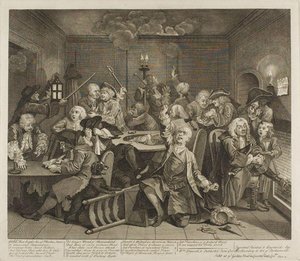
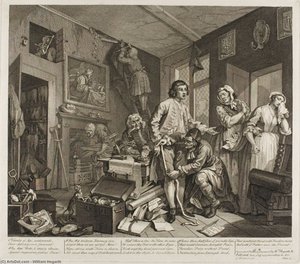
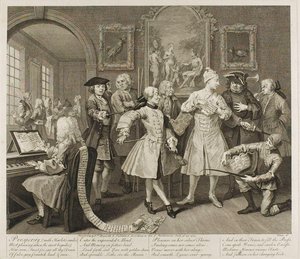
Hogarth's true innovation lay not simply *what* he painted, but *how*. He pioneered what he termed “modern moral subjects” – series of pictures designed to tell a story, often imbued with a strong satirical edge. These weren’t isolated portraits or landscapes; they were visual novels unfolding before the viewer’s eyes, offering pointed commentary on contemporary society. A Harlot's Progress, created in 1742, stands as perhaps his most famous example. This series of six paintings meticulously follows the tragic downfall of Mary, a young woman arriving in London full of hope but quickly succumbing to the temptations and dangers of city life. Each scene is rendered with painstaking detail, filled with symbolic elements that reveal the moral decay surrounding her. The artist’s meticulous attention to observation—a hallmark of his style—transformed everyday occurrences into profound meditations on virtue and vice. Similarly, A Rake's Progress, begun in 1733, charts the reckless decline of Tom Rakewell, a man who squanders his inheritance on gambling, debauchery, and ultimately, madness. These weren’t merely cautionary tales; they were unflinching portraits of a society grappling with issues of class, morality, and social mobility. Hogarth didn't shy away from depicting the harsh realities of life, presenting them with a blend of humor and pathos that forced viewers to confront uncomfortable truths about themselves and their society. He skillfully captured the psychological complexities of his subjects, conveying both their ambition and their vulnerability.Technique and Influences: A Synthesis of Styles
Hogarth’s artistic style was a unique amalgamation of diverse influences. He greatly admired the realism and narrative detail found in the works of Dutch genre painters like Pieter de Hooch, evident in his meticulous depictions of interiors and everyday life. The artist's masterful use of line and shading—particularly noticeable in his engravings—created depth and texture, bringing his scenes to life with remarkable clarity. He employed a distinctive cross-hatching technique that achieved this effect, demonstrating an exceptional understanding of visual representation. Furthermore, Hogarth was influenced by literary works, particularly those of Jonathan Swift and Henry Fielding, whose satirical wit informed his own social observations. He believed that art should not merely be beautiful but should also serve a moral purpose, challenging viewers to think critically about the world around them and their place within it. He sought to hold a mirror up to nature, reflecting both its beauty and its ugliness with unflinching honesty. His engravings were particularly noteworthy for their expressive quality. He skillfully combined meticulous detail with dynamic composition—a technique that would become synonymous with his artistic legacy. Beyond these immediate influences, Hogarth absorbed stylistic elements from German Expressionists, demonstrating a remarkable openness to experimentation and innovation. This synthesis of styles cemented his position as a pioneer of modern art, shaping the trajectory of British painting for decades to come.Major Achievements and Legacy
Hogarth’s contribution to British art is undeniable. He elevated genre painting to new heights of sophistication and psychological insight—a feat rarely accomplished by his contemporaries. His series of moral subjects revolutionized visual storytelling, establishing a precedent for satirical prints and comic strips that continues to endure today. Artists like James Gillray and George Cruikshank were directly inspired by his style, carrying forward his tradition of social critique. He achieved fame and recognition during his lifetime, securing commissions from prominent patrons and garnering acclaim for his artistic prowess. Even Charles Lamb, the celebrated essayist, recognized the narrative power of Hogarth’s images, famously remarking that they were “like books to be read rather than merely looked at.” His enduring influence testifies to the timeless relevance of his themes—ambition, morality, social justice—issues that remain central to human experience. William Hogarth died in 1764, leaving behind a legacy that continues to inspire artists and scholars alike. He remains a pivotal figure in the history of British art, celebrated for his innovative approach to storytelling, his unflinching social commentary, and his enduring ability to capture the complexities of human life—a testament to the transformative power of artistic vision.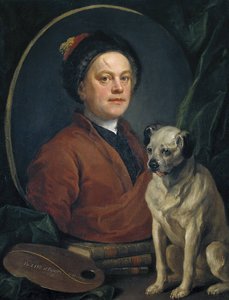
Вилијам Хогарш
1697 - 1764 , Велика Британија
Osnovne informacije
- Artistic Movement Or Style: Realizam i satira
- Artists Or Movements Influenced By This Artist: ['James Gillray']
- Artists Who Influenced This Artist:
- Pieter de Hooch
- Jonathan Swift
- Date Of Birth: 1697
- Date Of Death: 1764
- Full Name: William Hogarth
- Nationality: Britanski
- Notable Artworks:
- A Harlot's Progress
- A Rake's Progress
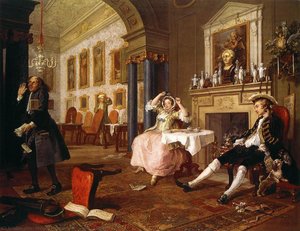
- Marriage A-la-Mode
- Place Of Birth: London, UK
Povezani članci
William Hogarth: Satire, Social Commentary & the Birth of Modern British Art
Explore the satirical world of William Hogarth, pioneering British painter & engraver. Discover his iconic works like *A Rake's Progress* and insightful social commentary on 18th-century London life.

18th Century Masters: 10 Artworks That Define an Era | ArtsDot
Journey through 18th century art! Explore 10 iconic paintings – from Rococo elegance to Neoclassical grandeur. Discover Fragonard, David & more. Find museum-quality reproductions and elevate your home decor on ArtsDot.com.
25 Remek-dela Nacionalne Galerije Londona: Umetnička Inspiracija za Vaš Dom
Otkrijte 25 remek-dela Nacionalne galerije Londona! Istražite priče Van Goga, Moneta i drugih velikana. Inspiracija za dekoraciju enterijera & luksuzne reprodukcije slika dostupne na ArtsDot.com.
25 Remek-dela Britanskog muzeja: Umetnička baština za vaš dom | ArtsDot
Otkrijte 25 remek-dela Britanskog muzeja u Londonu! Istražite priče iza slika, skulptura i antikvitetnih blaga. Inspiracija za dekoraciju enterijera & reprodukcije vrhunskog kvaliteta na ArtsDot.com.
Sir William Rothenstein: A Life Dedicated to British Art & Modernism's Cultivation
Explore the life & art of Sir William Rothenstein – a pivotal figure in British Modernism. Discover his portraits, war paintings, and influential role at the Royal College of Art. A comprehensive biography for art enthusiasts.