

 Pregledaj u prostoru
 Pošalji
 Podeli
 Detalji o delu

 Преузми
 Slični predmeti
 Rendgenski snimak
 Slajdovi
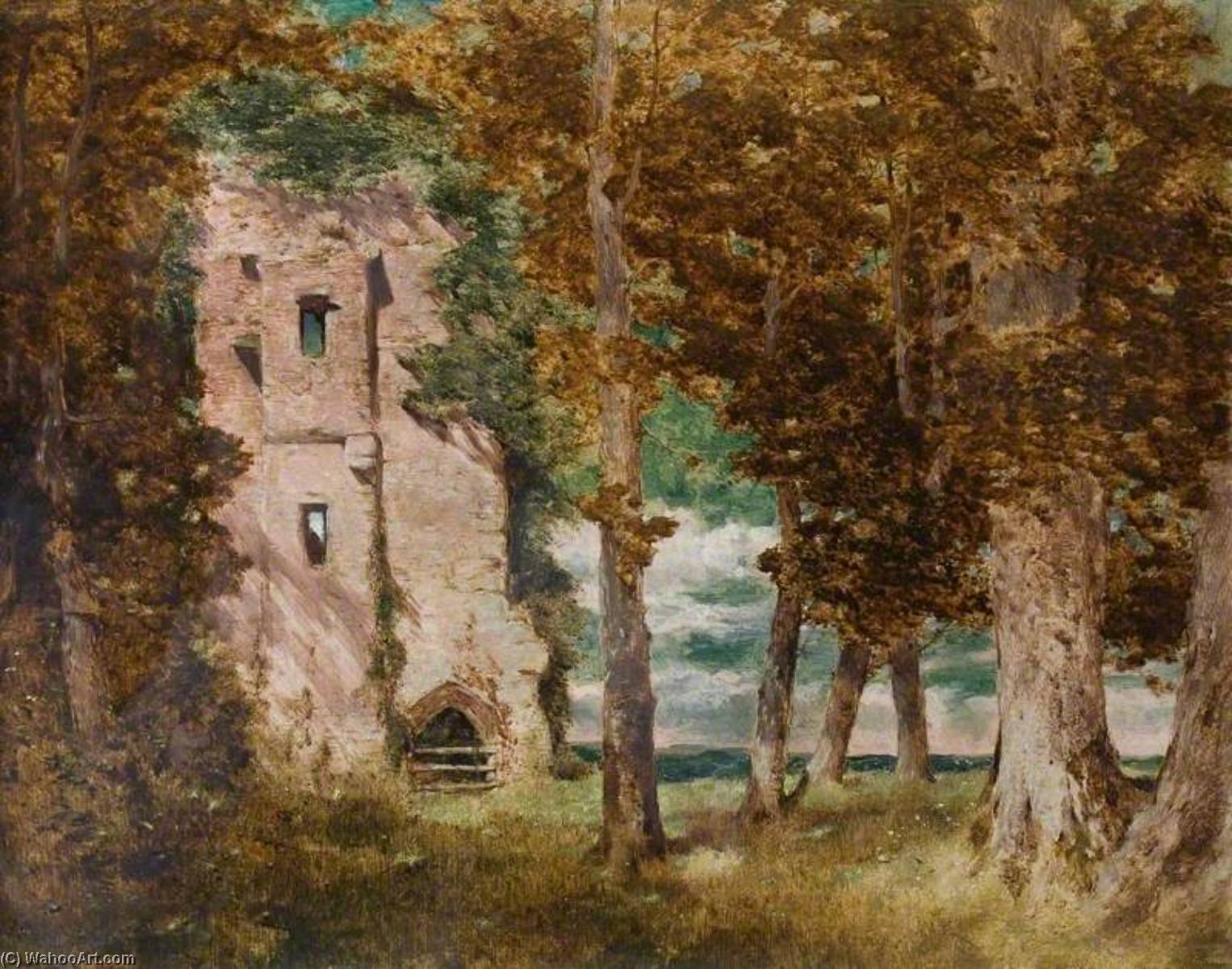
The Ruins of Kirkoswald Castle, Cumberland
 Romanticism
 1854
1854- 19th Century
 31.0 x 40.0 cm
 Laing Art Gallery
 Pročitaj više
Ručno rađena uljana reprodukcija
Ručno oslikano uljanim bojama na platnu u dimenzijama i okviru po vašem izboru, izrađeno po porudžbini od strane naših umetnika. ( Kupi print Kupi digitalnu sliku)




P118B $10

P118H $10

P118W $10

P438Z $10

P508JH $12

P508YH $12

P805H $10

P805Z $10

P919BZ $10

P919G $10

P919XJ $10

P959ZH $10

P968JZ $12

W106C $8

W218G $10

W218JH $8

W218Y $10

W307PJ $10

W316G $10

W316PJ $8

W316Y $10

W398PJ $8

W4111J $10

W500HY $15

W500JH $15

W692G $12

W849H $8

W940BG $15

W953PJ $8




Izaberite jednu od naših unapred definisanih veličina koje odgovaraju originalnim proporcijama umetničkog dela.

Можете унети сопствене димензије како бисте прилагодили дело одређеном оквиру или простору. Ако одабрана величина не одговара пропорцијама оригинала, слика ће бити исечена или проширена додатним елементима који се ручно насликавају. Дигитални prikaz ће вам бити послат на одобрење пре почетка производње.
Имајте на уму да преглед на екрану не одражава стварно исецање или проширење. Само приказ (mockup) ће тачно приказати коначну композицију.
Иако су доступне прилагођене величине, препоручујемо да одаберете димензију из дефинисане листе како бисте сачували оригиналне пропорције.
Nakon narudžbine, tim ArtsDot.com će klijentu putem e-pošte poslati uputstva i dostaviti prikaz predloženog rešenja
Isporuka širom sveta () za 3/4 nedelje umesto uobičajenih 5 nedelja. (26 август). Bez kompromisa po pitanju kvaliteta.

Besplatna ekspresna dostava širom sveta

Visokokvalitetno laneno platno

Kompletno osiguranje transporta

Garancija povraćaja carine i uvoznih dažbina

Garancija vernosti boja

Politika povrata u roku od 60 dana (samo u slučaju nedostataka)

Garancija povrata novca od 100%

Popust pri grupnoj kupovini
 Opcija sa staklom dostupna je samo za dimenzije manje od 110 cm

The Ruins of Kirkoswald Castle, Cumberland
Tehnika reprodukcije
Dimenzije reprodukcije
-


Konačna cena
$ 263
Opis umetničkog dela
A Whisper of Antiquity: The Timeless Allure of Kirkoswald
In the quiet corners of Cumberland, where history breathes through the cracks of weathered stone, William James Blacklock captured a moment of profound stillness in his 1854 masterpiece, The Ruins of Kirkoswald Castle. This evocative landscape does more than merely document a crumbling structure; it invites the viewer into a romantic dialogue between man-made grandeur and the inexorable persistence of nature. The painting presents the skeletal remains of the castle, its stone towers standing as silent sentinels of a bygone era. A prominent tower, marked by the presence of a clock, serves as a poignant memento mori, reminding us of the relentless passage of time that has transformed a once-mighty fortress into a picturesque relic.
Blacklock’s brushwork breathes life into the textures of the Cumberland countryside. The artist employs a delicate balance of light and shadow to create a sense of immense depth, pulling the eye from the lush, verdant trees in the foreground toward the softer, more ethereal silhouettes of distant buildings. The presence of a solitary figure near the center of the composition provides a vital sense of scale and human connection; this wanderer, lost in contemplation, mirrors our own experience as we gaze upon the ruins. Through this subtle inclusion, Blacklock transforms a landscape study into a narrative of exploration and quiet introspection.
Mastery of Light and the Romantic Spirit
Technically, the work is a testament to Blacklock’s formal training at the Carlisle Academy of Art. His ability to render the rugged, tactile quality of ancient masonry alongside the soft, organic forms of surrounding foliage demonstrates a sophisticated command of oil painting techniques. The palette is grounded in earthy, natural tones—deep mossy greens, weathered greys, and warm ochres—which harmonize to create an atmosphere of profound tranquility. This tonal unity is essential to the painting's emotional impact, evoking a sense of nostalgia for the pastoral English landscape that was so central to the mid-19th-century Romantic movement.
For the discerning collector or interior designer, this reproduction offers much more than mere decoration; it serves as an intellectual and emotional anchor for a room. The painting’s ability to evoke both the melancholy of decay and the beauty of natural regrowth makes it a versatile piece for various design aesthetics, from traditional manor-style studies to contemporary spaces seeking a touch of historical soul. To hang this work is to invite a conversation about heritage, the cycle of life, and the enduring beauty found in the remnants of the past.
Srodna umetnička dela
Biografija umetnika
A Life Immersed in Landscape: The Evocative World of William James Blacklock
William James Blacklock, born in the bustling heart of Shoreditch, London, in 1816, was an artist whose life became inextricably linked with the serene beauty of the British countryside. Though initially rooted in the urban landscape of his birth, a pivotal relocation as a young boy would forever shape his artistic vision. In 1818, his family returned to their ancestral Cumberland roots, settling in Cumwhitton near Carlisle, where they embraced farming and a quieter existence. This immersion into the natural world proved transformative for Blacklock, igniting within him a passion for landscape painting that would define his career. His early training began with an apprenticeship to a local bookseller, but his innate artistic talent soon led him to formal studies at the Carlisle Academy of Art under Matthew Ellis Nutter. Even in these formative years, Blacklock demonstrated a remarkable sensitivity to nature, earning recognition as a “rising artist” upon exhibiting his work locally in 1833 and subsequently at the prestigious Royal Academy from 1836 onwards.Bridging Romanticism and Pre-Raphaelite Sensibilities
Blacklock’s artistic development unfolded against a backdrop of shifting aesthetic currents. His time in London, beginning in 1836, exposed him to the influences of prominent artists such as William Mulready, J.M.W. Turner, David Roberts, and Thomas Creswick. While his style initially echoed the traditions of Romantic landscape painting—characterized by dramatic compositions and emotional intensity—Blacklock soon began to forge a unique path. He possessed an exceptional eye for detail and atmospheric light, qualities that set him apart. A crucial moment in this evolution came with the cleaning of old master paintings at the National Gallery in 1844-45. This experience provided Blacklock with invaluable insights into artistic techniques and the subtle nuances of color and form. It was during this period that he began experimenting with a groundbreaking “white ground” technique, applying luminous glazes over a white base layer to achieve an extraordinary sense of luminosity and depth in his paintings.The White Ground Technique and Artistic Innovation
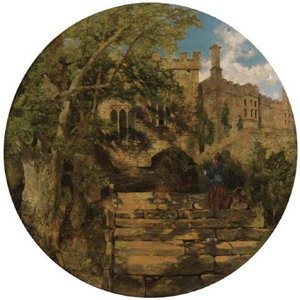
This innovative approach did not go unnoticed. Blacklock’s "white ground" technique became the subject of intense study among artists associated with the burgeoning Pre-Raphaelite movement, including William Bell Scott and Dante Gabriel Rossetti. The Steps at Haddon Hall (1848), is considered a prime example of this technique, showcasing its ability to capture light and texture with remarkable fidelity. While Blacklock’s meticulous attention to detail often drew comparisons to the Pre-Raphaelites, he consciously rejected Ruskin's emphasis on strict naturalism. He believed that art should not merely replicate nature but rather express the artist’s inner thoughts and imagination. This distinction is crucial to understanding Blacklock’s unique position within 19th-century British art—he stood at a fascinating intersection between Romantic ideals, Pre-Raphaelite precision, and his own deeply personal vision. His notable paintings include Buit’s Castle, Bewcastle, Gilnockie Tower, Landscape with Bridge and Figures, and The Rookery (1854).Recognition, Decline, and Lasting Legacy
Blacklock’s talent garnered recognition from influential figures of his time. William Ewart Gladstone acquired his painting *Lanercost Abbey*, a testament to the artist's growing reputation. Further patronage came from Tyneside industrialists James Leathart and Lord Armstrong, facilitated by the support of William Bell Scott. However, Blacklock’s success was tragically cut short by declining health and eyesight. By 1850, he returned to Cumwhitton, continuing to work in his studio as long as possible. Sadly, he succumbed to mental health challenges, attributed to syphilis, and was admitted to the Crichton Royal Hospital in Dumfries in 1855. Despite his condition, he continued to draw until mid-1857, a poignant testament to his unwavering dedication to art. He passed away in 1858 at the age of 42. Though his life was relatively short, William James Blacklock left an indelible mark on British landscape painting. His work represents a pivotal moment between the early 19th-century landscape school and the innovative spirit of the Pre-Raphaelite movement. As Geoffrey Grigson observed, he belonged to a generation bridging Romanticism and Impressionism, deeply influenced by Italian Renaissance masters like Giorgione and Giovanni Bellini. Today, his paintings are treasured for their evocative beauty, technical mastery, and unique contribution to the rich tapestry of British art history.A Pioneer Remembered
- Early Influences: Turner, Creswick, Roberts, Mulready.
- Key Technique: The “white ground” technique – luminous glazes over a white base.
- Notable Works: *Lanercost Abbey*, *Gilnockie Tower*, *The Steps at Haddon Hall*.
- Patrons: William Ewart Gladstone, James Leathart, Lord Armstrong.
- Historical Significance: Bridged Romanticism and Pre-Raphaelitism; influenced by Italian Renaissance masters.
William James Blacklock
1816 - 1858 , United Kingdom
Osnovne informacije
- Artistic Movement Or Style: Romanticism & Pre-Raphaelite
- Artists Or Movements Influenced By This Artist:
- Pre-Raphaelites
- Scott
- Rossetti
- Artists Who Influenced This Artist:
- Mulready
- Turner
- Roberts
- Creswick
- Date Of Birth: 1816
- Date Of Death: 1858
- Full Name: William James Blacklock
- Nationality: British
- Notable Artworks:
- Buit’s Castle, Bewcastle
- Gilnockie Tower
- Landscape with Bridge
- The Rookery (1854)
- Place Of Birth: Shoreditch, UK
Povezani članci

Glavna dela koja su definisala Romantični pejzaž: 10 remek-dela za vaš dom
Otkrijte 10 remek-dela romantičnog pejzažnog slikarstva! Uronite u svet Claude Lorraina, Caspara David Friedricha i Turnera. Ispričane priče umetnosti, inspiracija za dekoraciju doma. Kvalitetne reprodukcije na ArtsDot.com – istražite celu kolekciju online!

Evocations of Place: A Historical Journey Through Landscape Art
Explore the rich history of landscape art with ArtsDot. Discover renowned artists, movements like Impressionism & Romanticism, and expert guidance for collecting timeless pieces. Find your perfect serene escape today!

25 Remek-dela Džona Konstebla: Lepota Engleske na Platnu | ArtsDot
Uronite u svet Džona Konstebla! Otkrijte 25 remek-dela engleskog pejzaža, romantizma i seoske idile. Kupite reprodukcije slika vrhunskog kvaliteta za dekoraciju enterijera na ArtsDot.com.

Evocations of Place: A Historical Journey Through Landscape Art
Explore the rich history of landscape art with ArtsDot. Discover renowned artists, movements like Impressionism & tonalism, and expert guidance for collecting timeless pieces. Find your perfect serene escape today!
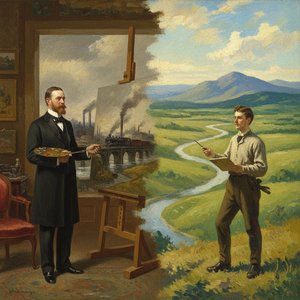
Alfred Worthington: Bridging Victorian Realism & Early Modern Landscape Painting
Explore the captivating landscapes of Alfred Worthington (1834-1927), a pivotal figure bridging Victorian realism & early Impressionism. Discover his Welsh hunting scenes, artistic evolution, and collecting guide.

