

 Pregledaj u prostoru
 Pošalji
 Podeli
 Detalji o delu

 Преузми
 Slični predmeti
 Rendgenski snimak
 Slajdovi
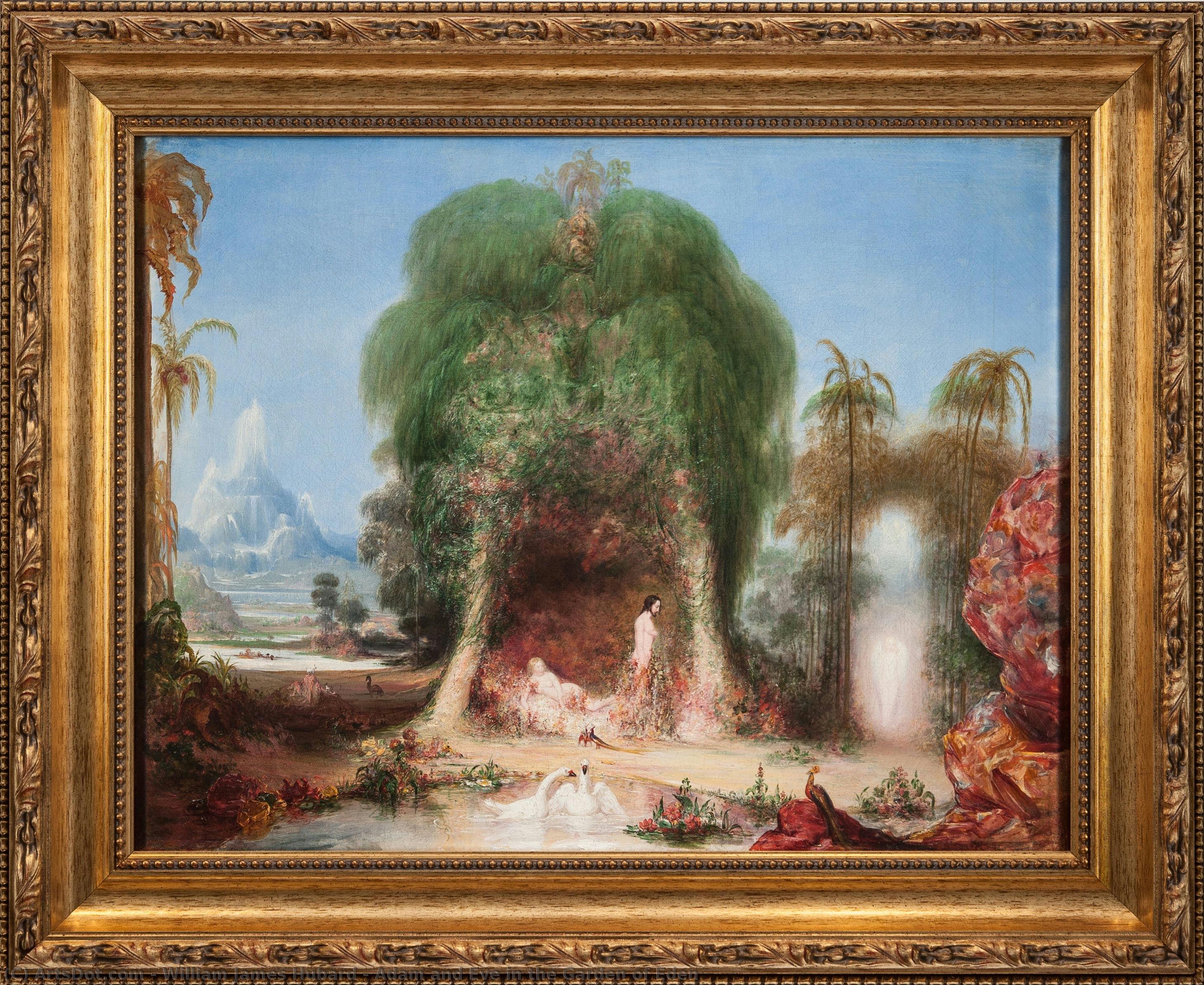
Adam and Eve in the Garden of Eden


 Pročitaj više
Giclee štampa / Umetnički otisak
Giclée štampa ili print na platnu muzejskog kvaliteta uz brzu proizvodnju i fleksibilne opcije završne obrade. ( Kupi ručno naslikanu sliku Kupi digitalnu sliku)




P118B $10

P118H $10

P118W $10

P438Z $10

P508JH $12

P508YH $12

P805H $10

P805Z $10

P919BZ $10

P919G $10

P919XJ $10

P959ZH $10

P968JZ $12

W106C $8

W218G $10

W218JH $8

W218Y $10

W307PJ $10

W316G $10

W316PJ $8

W316Y $10

W398PJ $8

W4111J $10

W500HY $15

W500JH $15

W692G $12

W849H $8

W940BG $15

W953PJ $8




Izaberite jednu od naših unapred definisanih veličina koje odgovaraju originalnim proporcijama umetničkog dela.

Možete uneti sopstvene dimenzije kako biste umetničko delo prilagodili specifičnom okviru ili prostoru. Ako odabrani format ne odgovara proporcijama originalne slike, mi ćemo ili iscrtati deo dela ili proširiti sliku pomoću ogledane ivice ili jednobojnog popunjavanja. Digitalni prikaz će vam biti poslat na odobrenje pre početka proizvodnje.
Imajte na umu da pregled na ekranu ne odražava stvarno iscrtavanje ili proširivanje. Samo će prikaz (mockup) precizno pokazati finalnu kompoziciju.
Iako su prilagođene dimenzije dostupne, preporučujemo da odaberete dimenziju sa unapred definisane liste kako biste očuvali originalne proporcije.
Dostava širom sveta () za 2 nedelje umesto uobičajenih 4/5 nedelja. (31 август)

Besplatna ekspresna dostava širom sveta

Visokokvalitetno laneno platno

Kompletno osiguranje transporta

Garancija povraćaja carine i uvoznih dažbina

Garancija vernosti boja

Politika povrata u roku od 60 dana (samo u slučaju nedostataka)

Garancija povrata novca od 100%

Popust pri grupnoj kupovini
 Opcija sa staklom dostupna je samo za dimenzije manje od 110 cm

Adam and Eve in the Garden of Eden
Giclee štampa / Umetnički otisak
Dimenzije reprodukcije
-


Konačna cena
$ 62
The Genesis of Innocence and Fall
Adam and Eve in the Garden of Eden is a profound visual meditation on one of humanity's most enduring narratives. Painted by the skilled British artist William James Hubard in 1847, this large-scale oil on canvas captures the pivotal moment of transition from divine grace to mortal consequence. The composition centers on the first man and woman, positioned with an intimate closeness that suggests both their shared destiny and the heavy weight of their impending exile. As they stand amidst a lush, verdant landscape, the painting breathes life into the biblical account of Genesis, inviting the viewer to witness the precise second where curiosity overcomes obedience. The surrounding flora is not merely a backdrop but a living, breathing participant in the drama, with dense foliage and sprawling trees creating a sanctuary that feels both infinite and claustrophobic as the shadow of the serpent looms.Mastery of Light and Naturalistic Detail
Hubard, often celebrated for his precision and ability to capture likeness, employs a masterful technique here to evoke the tranquil yet tension-filled atmosphere of Eden. The artist utilizes a rich palette of deep greens, earthy browns, and soft, ethereal light to build a sense of profound depth. Through careful brushwork, the textures of the skin, the delicate veins of leaves, and the rugged bark of ancient trees are rendered with such clarity that the scene feels tangibly real. This naturalistic approach serves a higher purpose: by grounding the mythological figures in a believable, tactile world, Hubard heightens the emotional stakes of the narrative. The balance of the composition—where the central figures act as an anchor for the swirling, intricate details of the garden—guides the eye through a labyrinth of botanical beauty, discovering smaller creatures and hidden elements that suggest a world teeming with life before the arrival of sin.A Timeless Symbolism for the Modern Collector
For the discerning collector or interior designer, this piece offers much more than mere decoration; it provides a window into the human condition. The symbolism embedded within the canvas—the forbidden fruit, the serpent's subtle presence, and the burgeoning shame reflected in the figures' posture—resonates across centuries. It is a work that speaks to themes of temptation, loss, and the enduring complexity of morality. Incorporating a high-quality reproduction of this masterpiece into a curated space adds a layer of intellectual and emotional depth. Whether placed in a grand library or a contemplative study, the painting serves as a powerful focal point that invites conversation and reflection. Its ability to evoke both the serenity of a lost paradise and the gravity of human choice makes it an incomparable addition to any collection seeking to blend historical significance with profound aesthetic beauty.Srodna umetnička dela
Biografija umetnika
The Scissors Artist: The Extraordinary Life of William James Hubard
In the flickering candlelight of the early nineteenth century, a new kind of magic was unfolding in the galleries of Boston and London—a magic born not from a brush, but from the sharp, decisive edge of a pair of scissors. At the heart of this phenomenon was William James Hubard, an artist whose name became synonymous with a breathtakingly precise form of portraiture known as silhouette cutting. Born in 1807 in Warwick, England, Hubard was a child prodigy whose destiny was shaped by an uncanny ability to translate the human profile into delicate paper cutouts. By the age of twelve, his talent had already begun to garner attention, and by seventeen, he was recognized as a master of his craft, possessing a dexterity that allowed him to capture a likeness with such speed and accuracy that spectators often mistook his paper works for fine paintings.
Hubard’s journey was one of movement and transformation, spanning the Atlantic and bridging the gap between different artistic disciplines. His arrival in the United States in 1824 marked the beginning of a sensational period in American art history. Establishing the Hubard Gallery in Boston, he presented a collection that defied the conventional boundaries of the era. Visitors were mesmerized by his ability to produce intricate profiles—ranging from animals to landscapes and caricatures—all executed without the aid of complex machinery. This period of his life was defined by a sense of wonder; the press frequently raved about his skill, noting that he could procure an accurate profile in mere seconds, a feat of manual precision that felt almost supernatural to the Victorian observer.
From Silhouette to Canvas: An Artistic Evolution
While the world first fell in love with Hubard the silhouettist, the artist himself harbored deeper ambitions that reached beyond the limits of paper and blade. As his career progressed, particularly after a period spent in London between 1826 and 1828, Hubard began to transition toward more traditional mediums. Influenced by the grander traditions of oil painting and sculpture, he sought to expand his repertoire to include historical scenes and full-scale portraits. There is much debate among historians regarding his influences during this formative time, with suggestions that he may have studied under luminaries such as Gilbert Stuart or Thomas Sully. This evolution saw him moving away from the rapid-fire precision of the scissors toward the more deliberate, textured world of canvas and pigment.
This transition was not without its challenges. While his silhouettes were celebrated for their unerring accuracy, his later works in oil painting were sometimes viewed through a more critical lens, with some contemporary critics finding his execution more ordinary than his earlier, miraculous paper cuts. Yet, this shift represents the true spirit of Hubard’s artistry: a restless pursuit of growth and a refusal to be confined by the very fame that had initially crowned him. He moved through cities like New York, Philadelphia, and Baltimore, leaving behind a trail of works that reflected a maturing artist grappling with the complexities of light, shadow, and historical narrative.
A Lasting Legacy in the Victorian Era
The significance of William James Hubard extends far beyond the technical mastery of his silhouettes. He was a pivotal figure in the cultural landscape of the nineteenth century, embodying the era's fascination with precision, observation, and the democratization of portraiture. Through his gallery, he provided a way for the public to see themselves reflected in art, creating a sense of intimacy that traditional oil portraiture could rarely achieve. His work remains a vital window into the social fabric of both England and America during the Federal and Victorian periods.
Today, Hubard’s contributions are preserved in some of the most prestigious institutions in the world, ensuring that his "scissors magic" is never forgotten. His legacy can be seen in:
- The National Portrait Gallery (Washington, D.C.): Housing significant works that capture the essence of early American figures.
- The Smithsonian Institution: Preserving the historical context of his multifaceted career as a painter and sculptor.
- The Valentine Museum (Richmond, VA): Maintaining collections that highlight his impact on the Southern art scene.
Ultimately, William James Hubard remains a singular figure—a man who could capture the soul of a person with a single, swift movement of a blade, and who spent the rest of his life trying to capture the grandeur of the world through the much more difficult medium of paint.
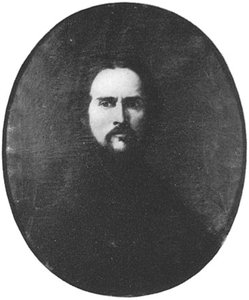
William James Hubard
1807 - 1862 , United Kingdom
Osnovne informacije
- Artistic Movement Or Style: Romantic Realism
- Artists Or Movements Influenced By This Artist: ['Silhouette']
- Artists Who Influenced This Artist: ['Jean Houdon']
- Date Of Birth: 1807
- Full Name: William James Hubard
- Nationality: British
- Notable Artworks:
- Adam and Eve in the Garden of Eden
- Knole House
- Place Of Birth: England
Povezani članci
Cultivating Paradise: A Historical & Artistic Exploration of Gardens in Painting
Explore the rich history of gardens in painting! Discover masterpieces from Renaissance to Impressionism & beyond. Learn about symbolism, artists like Monet & Klimt, and find your perfect artwork at ArtsDot.

John Ottis Adams: Capturing Rural Indiana's Luminist Spirit
Explore the serene landscapes of John Ottis Adams, a key American Impressionist of the Hoosier Group. Discover his Luminist style & forgotten legacy with ArtsDot.
Reginald Grenville Eves: Bridging Portraiture & Modern British Landscape Painting
Explore the life & work of Reginald Grenville Eves, a leading British portraitist who transitioned to captivating landscape painting. Discover his legacy and prominent works at ArtsDot.

Illuminating Faith: Biblical Narrative & Artistic Expression Through the Ages
Explore the rich history of biblical art from Giotto to the Renaissance masters with ArtsDot. Discover symbolism, techniques & enduring legacies. Museum-quality reproductions & expert insights.
Illuminating Faith: Biblical Scenes & Their Enduring Legacy in Art History
Explore the profound history of biblical art! Discover Renaissance masterpieces by Giotto & more. Uncover symbolism, artistic techniques, and lasting influence. Expert insights at ArtsDot.

