

 Pošalji
 Podeli
 Detalji o delu

 Преузми
 Slični predmeti
 Slajdovi
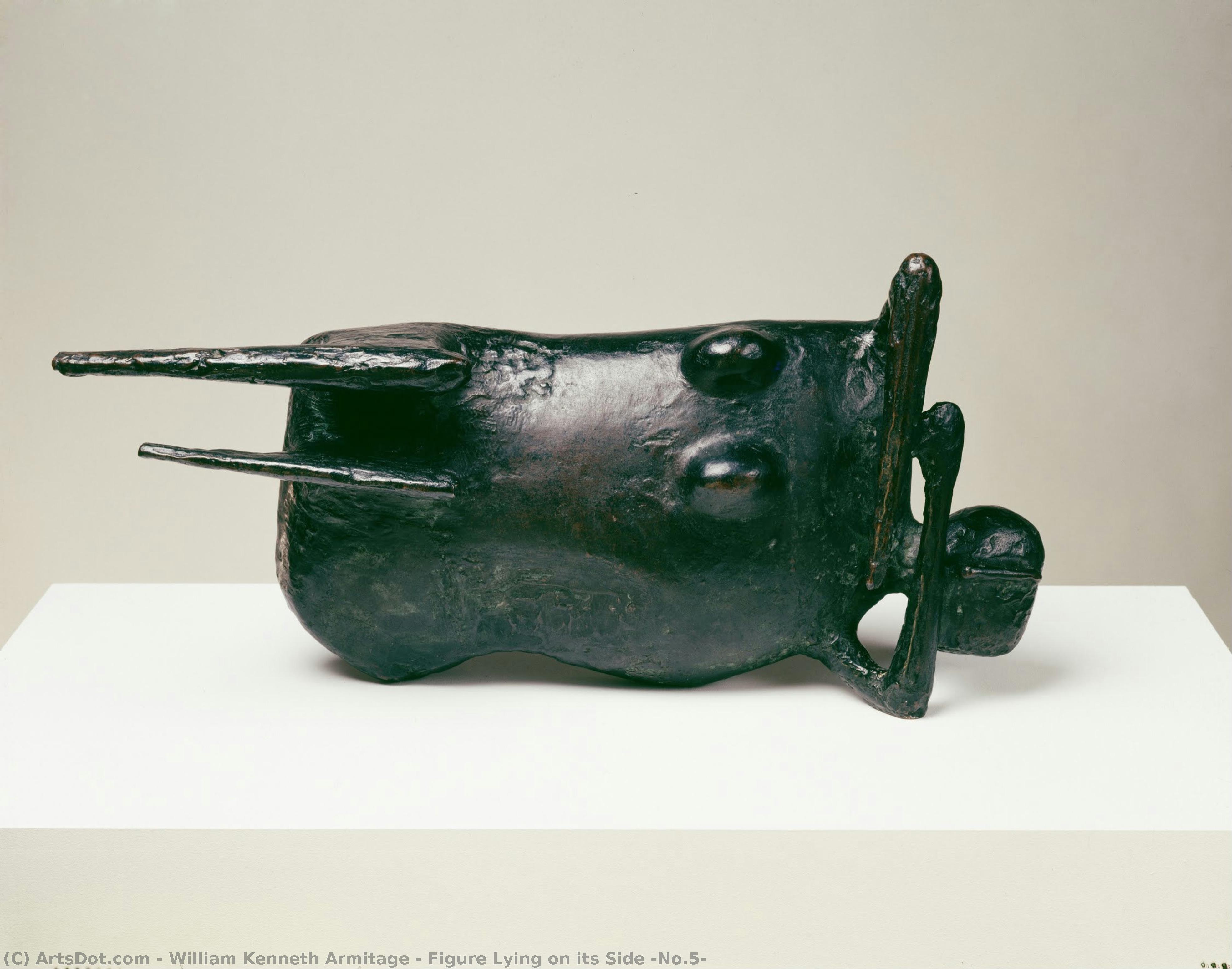
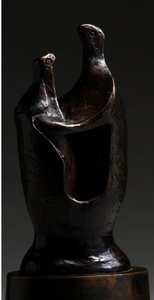
Figure Lying on its Side (No.5)


 Pročitaj više
Ručno rađena uljana reprodukcija
Ručno oslikano uljanim bojama na platnu u dimenzijama i okviru po vašem izboru, izrađeno po porudžbini od strane naših umetnika. ( Kupi print Kupi digitalnu sliku)




































Izaberite jednu od naših unapred definisanih veličina koje odgovaraju originalnim proporcijama umetničkog dela.

Можете унети сопствене димензије како бисте прилагодили дело одређеном оквиру или простору. Ако одабрана величина не одговара пропорцијама оригинала, слика ће бити исечена или проширена додатним елементима који се ручно насликавају. Дигитални prikaz ће вам бити послат на одобрење пре почетка производње.
Имајте на уму да преглед на екрану не одражава стварно исецање или проширење. Само приказ (mockup) ће тачно приказати коначну композицију.
Иако су доступне прилагођене величине, препоручујемо да одаберете димензију из дефинисане листе како бисте сачували оригиналне пропорције.
Nakon narudžbine, tim ArtsDot.com će klijentu putem e-pošte poslati uputstva i dostaviti prikaz predloženog rešenja
Isporuka širom sveta () za 3/4 nedelje umesto uobičajenih 5 nedelja. (7 септембар). Bez kompromisa po pitanju kvaliteta.

Besplatna ekspresna dostava širom sveta

Visokokvalitetno laneno platno

Kompletno osiguranje transporta

Garancija povraćaja carine i uvoznih dažbina

Garancija vernosti boja

Politika povraćaja u roku od 100 dana (isključivo u slučaju nedostataka)

Garancija povrata novca od 100%

Popust pri grupnoj kupovini
 Opcija sa staklom dostupna je samo za dimenzije manje od 110 cm

Figure Lying on its Side (No.5)
Tehnika reprodukcije
Dimenzije reprodukcije
-


Konačna cena
$ 263
The Poetics of Form: Encountering Armitage’s Bronze Vision
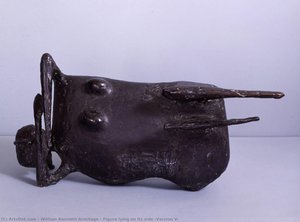
In the quiet presence of Figure Lying on its Side (No.5), one is immediately struck by the profound dialogue between weight and vulnerability. Created in 1957 by the master of British post-war sculpture, William Kenneth Armitage, this bronze work serves as a testament to the artist's ability to transmute cold metal into a breathing, emotive entity. The sculpture captures a moment of profound stillness, where the human form is stripped of its social identity and reduced to its most essential, geometric truths. As the eye wanders over the textured surface, the interplay of light and shadow across the bronze creates a sense of movement within stasis, inviting the viewer into a contemplative space that feels both deeply personal and universally resonant.
The technique employed by Armitage reflects his mastery of the semi-abstract tradition. Rather than adhering to strict anatomical realism, he utilizes a rugged, almost tactile approach to the bronze medium. The surface of the sculpture bears the marks of its creation, with a weathered, slightly oxidized patina that suggests the passage of time and the enduring nature of the human spirit. This deliberate roughness avoids the polished sterility of classical works, opting instead for an organic complexity that mirrors the unpredictability of life itself. For the discerning collector or interior designer, this piece offers a sophisticated textural element, providing a focal point that commands attention through its raw, unpretentious elegance.
A Legacy of Resilience and Geometry
To understand the emotional gravity of Figure Lying on its Side (No.5), one must look to the historical landscape from which it emerged. Armitage, a product of both the industrial grit of Leeds and the rigorous training of the Slade School, worked during an era often characterized by the "geometry of fear." This stylistic movement sought to express the underlying anxieties of a post-war world through fragmented and distorted forms. In this specific work, the reclining figure becomes a symbol of both exhaustion and peace—a momentary respite from the tensions of the mid-20th century. The way the limbs are positioned suggests a surrender to gravity, yet there is an inherent strength in the structural integrity of the bronze composition.
Integrating such a masterpiece into a curated space allows for a sophisticated layering of history and emotion. Whether placed in a minimalist contemporary gallery or a richly textured classical study, the sculpture acts as an anchor of intellectual depth. It does not merely occupy space; it defines it. For those seeking to acquire a high-quality reproduction, this piece offers the opportunity to possess a fragment of British sculptural history—a work that continues to whisper stories of resilience, beauty, and the enduring mystery of the human condition.
Srodna umetnička dela


Biografija umetnika
A Life Sculpted in Bronze: The World of Kenneth Armitage
William Kenneth Armitage, known to the art world as Kenneth Armitage, emerged from the industrial heartland of Leeds, England, in 1916, a year steeped in the shadows of the First World War. His journey toward becoming one of Britain’s most significant sculptors of the 20th century was not predetermined but forged through dedication, artistic exploration, and the disruptive forces of global conflict. Early talent blossomed at Leeds College of Art from 1934 to 1937, a foundation upon which he built further skills at the prestigious Slade School of Fine Art in London until 1939. However, the looming specter of war interrupted his studies as he answered the call to serve in the Royal Artillery. This period undoubtedly shaped his perspective, instilling a sense of resilience and perhaps contributing to the underlying tension often perceived within his work. Following demobilization, Armitage found himself drawn to education, taking on a pivotal role at the Bath Academy of Art from 1946 to 1956, where he headed the sculpture department, nurturing a new generation of artists while simultaneously refining his own distinctive style.The Geometry of Fear and Human Form
Armitage’s artistic signature lies in his compelling exploration of the human figure rendered primarily in bronze. He didn't seek to replicate reality but rather to distill it, stripping away extraneous detail to reveal the essence of form and emotion. His sculptures are characterized by a semi-abstract quality; figures remain recognizable as human, yet they are simplified, stylized, and often fragmented. This wasn’t merely an aesthetic choice but a deliberate attempt to convey a sense of vulnerability and existential questioning that resonated with the post-war climate. Geometric shapes play a crucial role in his visual language, lending structure and a certain austerity to his figures. Critics coined the term ‘Geometry of Fear’ to describe the work of Armitage alongside contemporaries like Lynn Chadwick and Henry Moore, recognizing a shared preoccupation with anxiety, alienation, and the fragility of human existence. However, while acknowledging Moore's profound influence – particularly his exploration of the human form in space – Armitage forged his own path, embracing a more angular, geometric approach that set him apart. The echoes of ancient art also resonate within his work; he drew inspiration from the simplified forms and archaic qualities found in Ancient Egyptian and Cycladic sculptures, imbuing his pieces with a timeless quality.Recognition and Lasting Legacy
Throughout his career, Armitage received significant recognition for his contributions to British sculpture. A watershed moment arrived in 1958 when he was awarded Best International Sculpture under Age 45 at the Venice Biennale – an accolade that propelled him onto the international stage. This success was followed by further honors, including appointment as a Commander of the Order of the British Empire (CBE) in 1969 and election as an Associate Royal Academician in 1994. However, perhaps his most poignant legacy is embodied in “Both Arms,” unveiled in Millennium Square, Leeds, in 2001 with Nelson Mandela himself performing the honors. This sculpture became an instant landmark, a powerful symbol of reconciliation and hope for the city he called home. Other notable works like "Figure Lying on its Side (Version V)" – part of the British Council Collection – and “Legs Walking,” erected in City Square, Leeds, in 2018, continue to captivate audiences with their evocative forms and enduring themes.A Continuing Dialogue
Kenneth Armitage passed away in London in 2002, leaving behind a rich artistic legacy that continues to inspire and provoke thought. His sculptures are celebrated not only for their aesthetic qualities but also for their ability to tap into universal human emotions – anxiety, loneliness, resilience, and the search for meaning. He wasn’t simply creating objects; he was initiating a dialogue about what it means to be human in a complex and often unsettling world. His work stands as a testament to the power of art to reflect, challenge, and ultimately transcend the limitations of our time. Today, his pieces are exhibited in major museums and public spaces across the UK and internationally, ensuring that his unique vision continues to resonate with generations to come. Armitage’s influence can be seen in the work of contemporary sculptors who continue to explore the boundaries between abstraction and figuration, demonstrating the enduring relevance of his artistic innovations.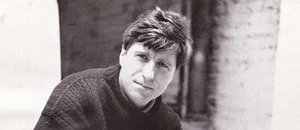
William Kenneth Armitage
1916 - 2002 , United Kingdom
Osnovne informacije
- Artistic Movement Or Style: Semi-abstract sculpture
- Artists Or Movements Influenced By This Artist: Abstract figurative art
- Artists Who Influenced This Artist:
- Henry Moore
- Barbara Hepworth
- Date Of Birth: July 18, 1916
- Date Of Death: January 22, 2002
- Full Name: William Kenneth Armitage
- Nationality: British
- Notable Artworks:
- Both Arms
- Mother and Child
- Legs Walking
- Place Of Birth: Leeds, United Kingdom
Povezani članci

Bronze Age to Modern Masters: 10 Sculptures That Redefined Art | ArtsDot
Journey through art history with 10 legendary bronze sculptures – from Michelangelo's David to Rodin’s Thinker. Explore the stories, techniques & timeless beauty of these masterpieces. Find museum-quality reproductions & elevate your home decor on ArtsDot.com.

Bronze Sculptures That Defined Art History | ArtsDot
Journey through art history with our Top 10 bronze sculptures! Explore masterpieces by Rodin, Michelangelo & more. Discover stories behind iconic statues and find museum-quality reproductions for your home decor at ArtsDot.com.

Top 10 dela geometrijske apstrakcije koje morate videti | ArtsDot.com
Istražite 10 remek-dela geometrijske apstrakcije – Mondrian, Malevič i Kandinski. Otkrijte priče iza ovih ikoničnih slika i pronađite inspiraciju za dekoraciju enterijera sa ArtsDot.com! Reprodukcije vrhunskog kvaliteta.
The Enduring Legacy of Bronze: A Historical & Artistic Exploration for the Collector
Explore the rich history & enduring appeal of bronze sculpture with expert insights for collectors at ArtsDot. Learn about casting techniques, iconic artists, collecting tips & contemporary interpretations.
The Enduring Legacy of Bronze Sculpture: A Collector's Guide to Form & Cultural Significance
Explore the rich history & enduring appeal of bronze sculpture with expert insights for collectors at ArtsDot. Learn about casting techniques, iconic artists, and collecting tips to build a discerning art collection.