

 Pregledaj u prostoru
 Pošalji
 Podeli
 Detalji o delu

 Преузми
 Slični predmeti
 Rendgenski snimak
 Slajdovi
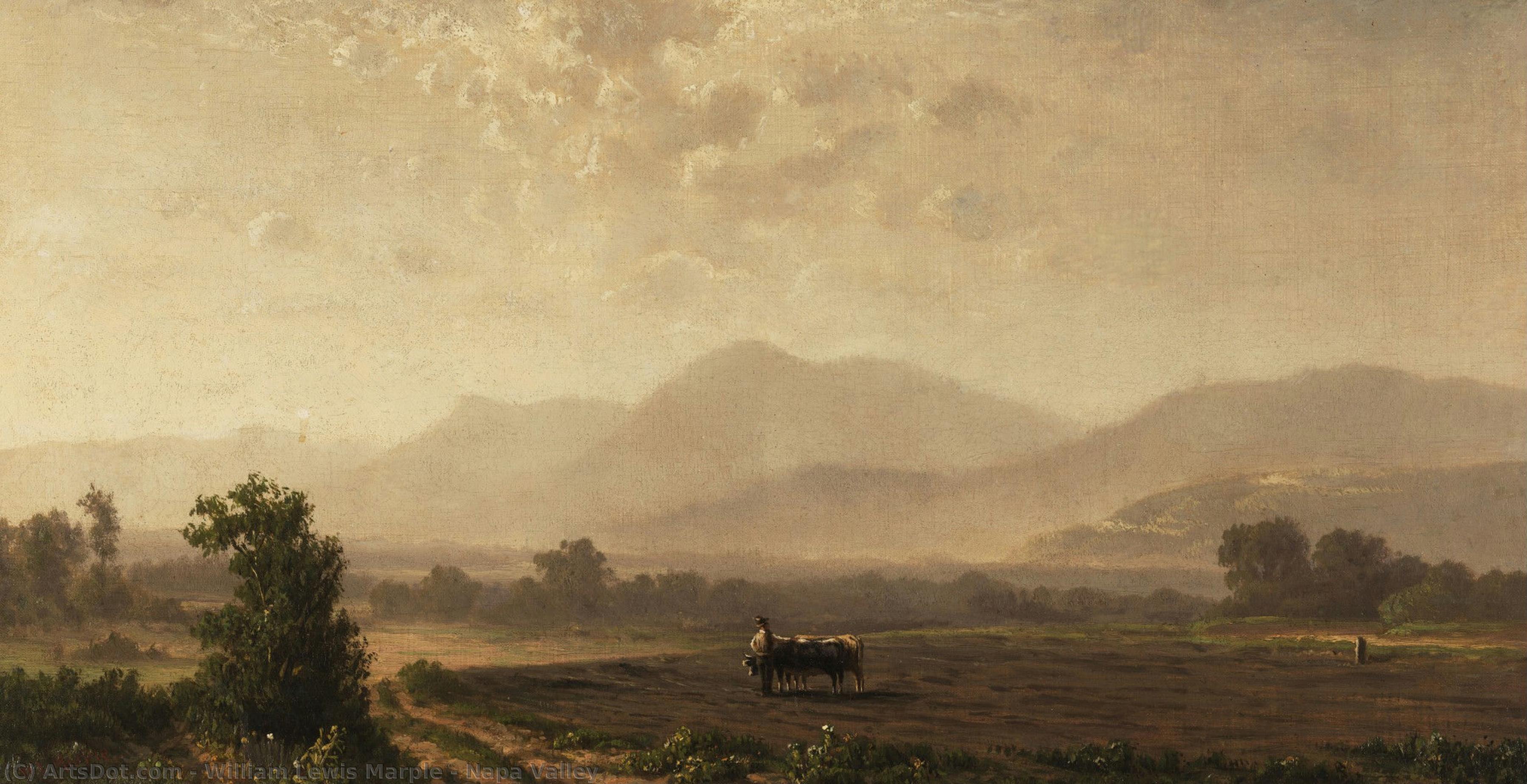
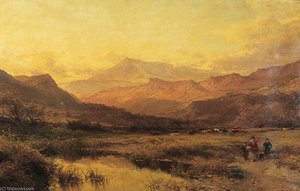
Napa Valley
 41.0 x 76.0 cm
 Crocker Art Museum
 Pročitaj više
Ručno rađena uljana reprodukcija
Ručno oslikano uljanim bojama na platnu u dimenzijama i okviru po vašem izboru, izrađeno po porudžbini od strane naših umetnika. ( Kupi print Kupi digitalnu sliku)




































Izaberite jednu od naših unapred definisanih veličina koje odgovaraju originalnim proporcijama umetničkog dela.

Можете унети сопствене димензије како бисте прилагодили дело одређеном оквиру или простору. Ако одабрана величина не одговара пропорцијама оригинала, слика ће бити исечена или проширена додатним елементима који се ручно насликавају. Дигитални prikaz ће вам бити послат на одобрење пре почетка производње.
Имајте на уму да преглед на екрану не одражава стварно исецање или проширење. Само приказ (mockup) ће тачно приказати коначну композицију.
Иако су доступне прилагођене величине, препоручујемо да одаберете димензију из дефинисане листе како бисте сачували оригиналне пропорције.
Nakon narudžbine, tim ArtsDot.com će klijentu putem e-pošte poslati uputstva i dostaviti prikaz predloženog rešenja
Isporuka širom sveta () za 3/4 nedelje umesto uobičajenih 5 nedelja. (7 септембар). Bez kompromisa po pitanju kvaliteta.

Besplatna ekspresna dostava širom sveta

Visokokvalitetno laneno platno

Kompletno osiguranje transporta

Garancija povraćaja carine i uvoznih dažbina

Garancija vernosti boja

Politika povraćaja u roku od 100 dana (isključivo u slučaju nedostataka)

Garancija povrata novca od 100%

Popust pri grupnoj kupovini
 Opcija sa staklom dostupna je samo za dimenzije manje od 110 cm

Napa Valley
Tehnika reprodukcije
Dimenzije reprodukcije
-


Konačna cena
$ 263
Srodna umetnička dela
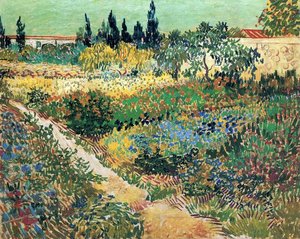
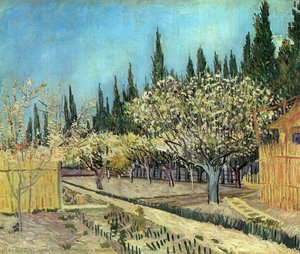
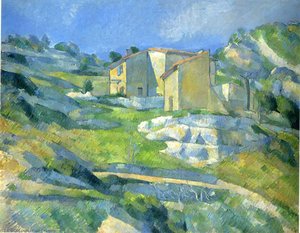
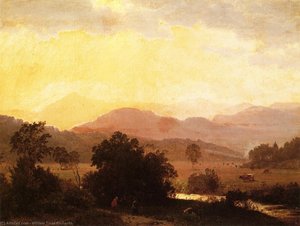

Biografija umetnika
William Blake: A Visionary Bridging Poetry and Art
William Blake (1757–1827) remains one of the most enigmatic and profoundly influential figures in Western art and literature. Born into a modest London family, his life was a remarkable blend of artistic talent, radical ideas, and an almost otherworldly sensibility. He wasn’t merely a poet or painter; he was a visionary who sought to fuse these disciplines into a single, unified expression—a “spiritual instrument,” as he himself described it. Blake's work, often characterized by its symbolic richness, intricate detail, and deeply personal mythology, continues to captivate and challenge audiences centuries after his untimely death.Early Life and Artistic Training
William Blake’s early life was marked by a strong religious upbringing within the Quaker community. However, he later embraced Unitarianism, a theological perspective emphasizing individual conscience and reason alongside faith. Despite his family's modest circumstances, Blake received an education that included drawing lessons at the drawing academy of Henry Pars, laying the foundation for his future artistic endeavors. Crucially, he apprenticed himself to James Basire, a commercial engraver, gaining invaluable experience in printmaking techniques—a skill that would become inextricably linked with his poetic imagination. This apprenticeship, however, proved restrictive; Blake yearned for a more creative and expressive outlet than mere mechanical reproduction. He sought to elevate engraving from a craft into an art form capable of conveying profound spiritual truths.The Pre-Raphaelite Brotherhood and Artistic Innovation
In 1848, Blake’s artistic vision found resonance with a group of young artists who formed the Pre-Raphaelite Brotherhood—a movement dedicated to reviving the aesthetics and spirit of art before the Renaissance. This brotherhood, including Dante Gabriel Rossetti, William Holman Hunt, and John Everett Millais, rejected the academic conventions of the Royal Academy and sought inspiration from medieval art, folklore, and nature. Blake’s own unique approach, characterized by his “relief etching” technique—a revolutionary method for creating multi-colored prints—aligned perfectly with the Pre-Raphaelites' desire to break free from established artistic norms. His illuminated books, combining poetry and intricate engravings, represented a radical departure from traditional publishing practices, demonstrating a remarkable synthesis of visual and literary expression.Themes and Symbolism in Blake’s Work
Blake’s art is profoundly symbolic, drawing heavily on biblical narratives, mythology, and his own imaginative visions. Recurring themes include innocence and experience, good and evil, the struggle between reason and imagination, and the interconnectedness of all things. His most famous works—such as *The Marriage of Heaven and Hell*, *Songs of Innocence and of Experience*, *Jerusalem*, and *The Book of Prophecies*—explore these complex ideas through a rich tapestry of imagery and allegory. Blake’s use of color, line, and composition is intensely expressive, conveying not just literal representations but also emotional states and spiritual truths. Consider *The Lamb*, a seemingly simple depiction of the infant Jesus, which simultaneously embodies innocence, vulnerability, and divine grace. Or *The Tyger*, a powerful image of creation and destruction, prompting contemplation on the nature of God’s power and justice.Legacy and Historical Significance
Despite his lifetime struggles for recognition, William Blake's influence has grown exponentially in the 20th and 21st centuries. His work is now celebrated as a cornerstone of Romanticism and a precursor to modern art movements such as Symbolism and Surrealism. Blake’s emphasis on imagination, spirituality, and social justice continues to resonate with artists and thinkers today. He challenged conventional notions of beauty and artistic expression, advocating for a “spiritual instrument” that could reveal the hidden truths of the universe. His legacy extends beyond the realm of art, influencing literature, philosophy, and even political thought. William Blake remains a potent symbol of creative genius, visionary insight, and the enduring power of the human imagination—a testament to the transformative potential of art when it is driven by profound spiritual conviction.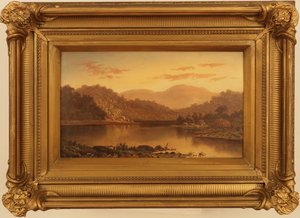
william lewis marple
1827 - 1910 , United States of America
Osnovne informacije
- Artistic Movement Or Style: Romanticism, Pre-Raphaelite
- Artists Or Movements Influenced By This Artist:
- Eugène Delacroix
- Romanticism
- Artists Who Influenced This Artist:
- Raphael
- Michelangelo
- Dürer
- Emanuel Swedenborg
- Date Of Birth: November 28, 1757
- Date Of Death: August 12, 1827
- Full Name: William Blake
- Nationality: British
- Notable Artworks:
- Songs of Innocence
- Songs of Experience
- The Marriage of Heaven and Hell
- Jerusalem
- Place Of Birth: London, England