

 Pregledaj u prostoru
 Pošalji
 Podeli
 Detalji o delu

 Преузми
 Slični predmeti
 Rendgenski snimak
 Slajdovi
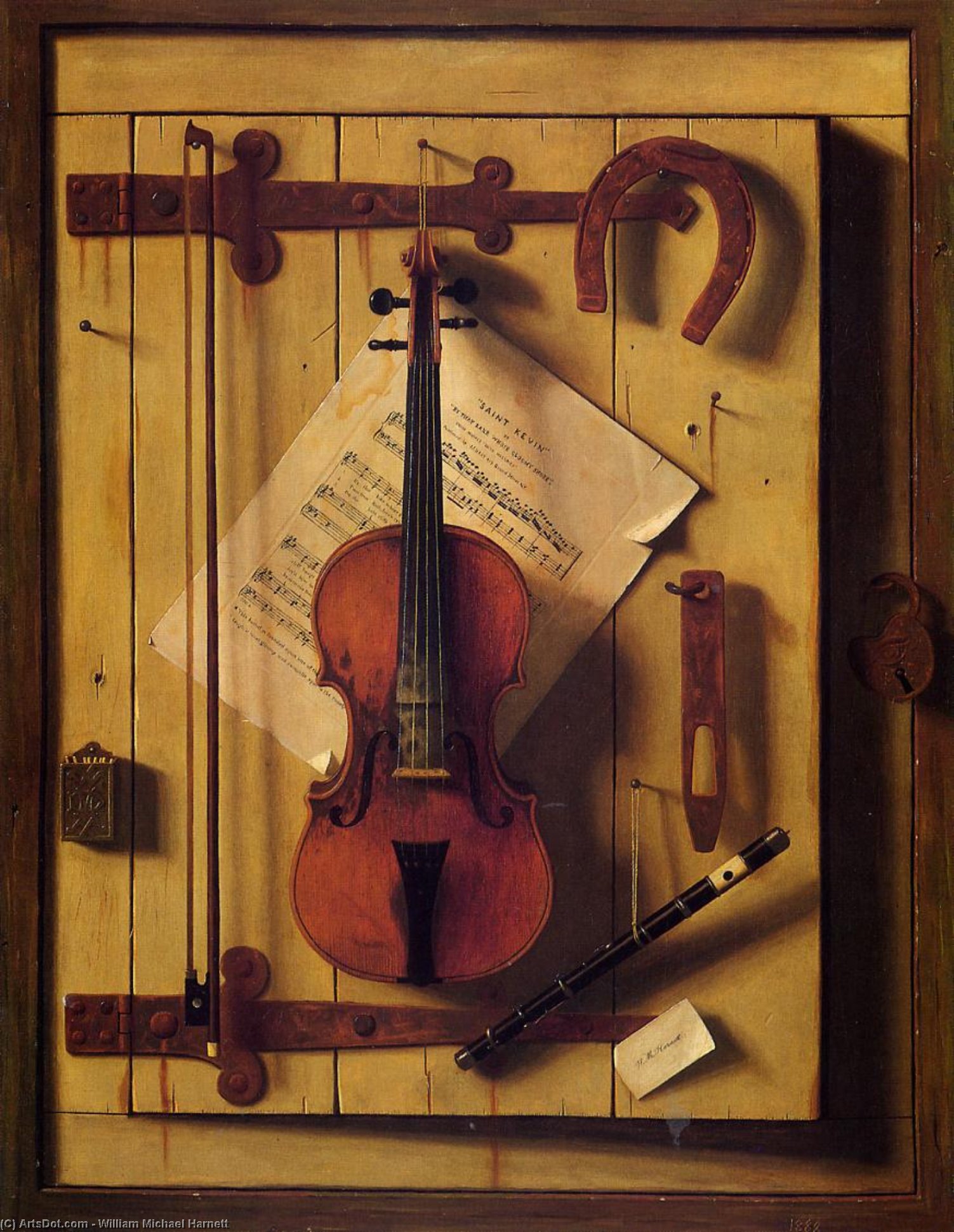
Still Life: Violin and Music (also known as Music Literature)


 Pročitaj više
Ručno rađena uljana reprodukcija
Ručno oslikano uljanim bojama na platnu u dimenzijama i okviru po vašem izboru, izrađeno po porudžbini od strane naših umetnika. ( Kupi print Kupi digitalnu sliku)




P118B $10

P118H $10

P118W $10

P438Z $10

P508JH $12

P508YH $12

P805H $10

P805Z $10

P919BZ $10

P919G $10

P919XJ $10

P959ZH $10

P968JZ $12

W106C $8

W218G $10

W218JH $8

W218Y $10

W307PJ $10

W316G $10

W316PJ $8

W316Y $10

W398PJ $8

W4111J $10

W500HY $15

W500JH $15

W692G $12

W849H $8

W940BG $15

W953PJ $8




Izaberite jednu od naših unapred definisanih veličina koje odgovaraju originalnim proporcijama umetničkog dela.

Можете унети сопствене димензије како бисте прилагодили дело одређеном оквиру или простору. Ако одабрана величина не одговара пропорцијама оригинала, слика ће бити исечена или проширена додатним елементима који се ручно насликавају. Дигитални prikaz ће вам бити послат на одобрење пре почетка производње.
Имајте на уму да преглед на екрану не одражава стварно исецање или проширење. Само приказ (mockup) ће тачно приказати коначну композицију.
Иако су доступне прилагођене величине, препоручујемо да одаберете димензију из дефинисане листе како бисте сачували оригиналне пропорције.
Nakon narudžbine, tim ArtsDot.com će klijentu putem e-pošte poslati uputstva i dostaviti prikaz predloženog rešenja
Isporuka širom sveta () za 3/4 nedelje umesto uobičajenih 5 nedelja. (25 август). Bez kompromisa po pitanju kvaliteta.

Besplatna ekspresna dostava širom sveta

Visokokvalitetno laneno platno

Kompletno osiguranje transporta

Garancija povraćaja carine i uvoznih dažbina

Garancija vernosti boja

Politika povrata u roku od 60 dana (samo u slučaju nedostataka)

Garancija povrata novca od 100%

Popust pri grupnoj kupovini
 Opcija sa staklom dostupna je samo za dimenzije manje od 110 cm

Still Life: Violin and Music (also known as Music Literature)
Tehnika reprodukcije
Dimenzije reprodukcije
-


Konačna cena
$ 263
Opis umetničkog dela
The Enigmatic Still Life
William Michael Harnett’s “Still Life: Violin and Music,” often referred to as “Music Literature,” isn't merely a depiction of objects; it’s an invitation into a carefully constructed world of illusion. Painted in 1888, this oil on canvas transcends the boundaries of a traditional still life, becoming a masterclass in trompe-l’œil – a technique designed to deceive the eye and create the startling impression that what we see is actually real. The painting immediately draws the viewer in with its intimate scale and seemingly haphazard arrangement, yet closer inspection reveals an astonishing level of precision and artistry. Harnett wasn't interested in simply representing objects; he sought to capture their essence, their tactile qualities, and even a sense of their history – as if they had been casually placed upon a worn wooden table, awaiting the touch of a musician’s hand. The overall effect is profoundly unsettling yet undeniably captivating, prompting us to question our perception of reality itself.A Master of Illusion: Harnett's Trompe-l'Oeil
William Michael Harnett’s genius lay in his meticulous understanding and execution of trompe-l’œil. He wasn’t simply a painter; he was an architect of illusion, employing techniques honed from his early training in engraving design on table silver. This background instilled within him an unparalleled attention to detail – the subtle variations in wood grain, the delicate sheen of varnish, the precise folds of fabric. Harnett's skill isn't merely technical; it’s infused with a deep appreciation for the materiality of objects and their interaction with light. The painting is bathed in soft, diffused light that seems to emanate from an unseen source, casting subtle shadows and highlighting textures with remarkable realism. The placement of each item – the violin, the sheet music, the bowl, the book – feels utterly natural, as if they’ve simply materialized before our eyes. This carefully orchestrated illusion is further enhanced by the inclusion of seemingly mundane details, such as a pair of scissors resting on the table and a partially opened bottle, adding to the sense of an everyday scene brought vividly to life.Echoes of the Masters: Peto, Chalfant, and the Tradition
Harnett’s work stands within a rich artistic lineage, drawing inspiration from both Dutch masters of still life and his contemporaries. The influence of 17th-century painters like Pieter Claesz, known for their meticulously rendered tabletop scenes, is readily apparent in Harnett's approach to composition and detail. However, Harnett distinguishes himself through his exploration of the ephemeral – capturing not just the appearance of objects but also a sense of their transient existence. He shares similarities with John Frederick Peto, another American artist who similarly employed trompe-l’œil to create convincing illusions of everyday scenes. While Peto often depicted more overtly theatrical arrangements, Harnett favors a quieter, more contemplative approach, focusing on the subtle interplay between objects and light. Jefferson David Chalfant, too, explored similar themes of illusion and representation in his own work, further cementing the tradition of trompe-l’œil as a means of engaging with the viewer's perception.Symbolism and Emotional Resonance
Beyond its technical brilliance, “Still Life: Violin and Music” resonates with deeper symbolic meanings. The violin itself is a potent symbol – representing music, artistry, and perhaps even melancholy. The scattered sheet music suggests a creative process in progress, hinting at the composer’s thoughts and emotions. The inclusion of objects like books and writing implements further reinforces this theme, suggesting a connection between intellectual pursuits and artistic expression. The overall composition evokes a sense of intimacy and quiet contemplation – inviting the viewer to pause, reflect, and immerse themselves in the scene. The painting's unsettling quality stems from its ability to simultaneously create a sense of familiarity and disorientation, prompting us to question our assumptions about what we see and how we perceive the world around us.A Legacy Preserved: Reproductions and Artistic Appreciation
Today, reproductions of “Still Life: Violin and Music” offer art enthusiasts a unique opportunity to experience Harnett’s masterful artistry in their own homes. Hand-painted reproductions, meticulously crafted by skilled artisans, capture the essence of the original painting with remarkable fidelity. These reproductions not only serve as beautiful decorative objects but also as tangible reminders of Harnett's innovative spirit and his profound understanding of illusion. For more information on William Michael Harnett’s life and work, or to acquire a high-quality reproduction of this captivating masterpiece, please visit https://ArtsDot.com. The Amon Carter Museum of American Art also holds a notable collection of American art, including works by Harnett, offering further insight into his artistic legacy.Srodna umetnička dela
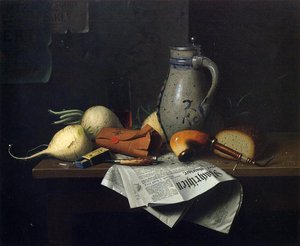
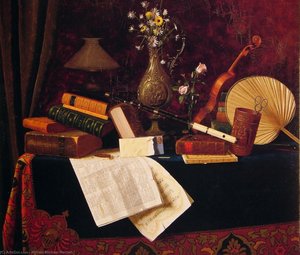
Biografija umetnika
William Michael Harnett: Iluzionista svakodnevnog života
William Michael Harnett (1848 – 1892) stoji kao jedinstvena figura u američkoj umetničkoj istoriji, proslavljen svojim majstorskim trompe-l'œil slikama koje obične stvari podižu do zadivljujućih iluzija. Rođen u Clonakiltyju, Vaja Countyu, Irsko, Harnettov rani život obeležen je emigracijom u Filadelfiju ubrzo nakon rođenja, što ga je oblikovalo u umetnika duboko ukorenjenog i u evropskoj tradiciji i u rastućem američkom realizmu. Njegove formative godine proveli su usavršavivanjem veština crtanja dizajna na srebrnom nameštaju – zanat koji mu je usadio preciznost i pažnju posvećenu detaljima – uz formalnu umetničku obuku na institucijama kao što su Pennsylvania Academy of Fine Arts i Cooper Union.- Rana obuka i tehnika: Harnettova posvećenost savladavanju tehnike počela je noćnim časovima u Penn-u i NYAD-u, gde je apsorbovao uticaje luminara poput Raphaela Peale Jr., koji je pionirisan stolno pejzažiranje (still life) u Americi. Ovaj uticaj je osetljiv u Harnettovom prepoznatljivom stilu – namerni odstupanje od vladajućih akademskih konvencija.
- Vizija trompe-l’œil: Harnettov proboj došao je sa usvajanjem trompe-l'œil, tehnike preuzete od holandskih majstora 17. veka poput Pietra Klaesza. Za razliku od tradicionalnih prikaza koji teže tačnom predstavljanju, trompe-l'œil teži da prevari oko, stvarajući iluziju dubine i dimenzionalnosti unutar ravne površine. Harnett je vešto manipulisao perspektivom, senčenjem i teksturom kako bi postigao ovaj zadivljujući čin.
Značajni radovi i umetnički stil
Harnettovo delo karakteriše neizmerna fokusiranost na svakodnevne predmete – cigaretu, novine, tabaknicu, violinu, jabuku, flašu vina – predstavljene sa izuzetnim nivoom realizma koji graniči sa halucinacionim. Njegove slike nisu samo reprezentacije; one su poziv da se učestvuje u perceptivnoj zagonetki. Razmislite o „Posle lova“, kvartetu platna koji prikazuju opremu za lov i umrlog divljači. Harnettovo pedantno renderovanje hvata svaku nijansu teksture i svetlosti, iskorišćavajući ograničenja trompe-l'œil da bi pojačao njegov uticaj. Plitko prostiranje ovih slika je ključno – bilo kakvo kretanje posmatrača narušava iluziju, naglašavajući Harnettov genijalitet u manipulisanju vizuelnom percepcijom.- Serija „Posle lova“: Ova serija savršeno ilustruje Harnettovu tehniku, pokazujući kako koristi optičke trikove da bi stvorio uverljivu iluziju dubine unutar ograničenog prostora.
- Ponovljivi motivi: Ponavljajući motivi uključuju instrumente (posebno violine), tabaknice i pažljivo aranžirane voćke – predmete koji govore kako o umetničkim interesovanjima, tako i o njegovoj širem angažmanu sa umetničkim prethodnicima.
Prepoznavanje i nasleđe
Harnettovo delo steklo je značajnu slavu tokom njegovog života i i dalje odzvanja kod savremenih publika. Muzejima kao što su Albright-Knox Art Gallery, American Museum of Natural History i The Metropolitan Museum of Art sa ponosom izlažu njegove slike, osiguravajući da njegova vizija traje kroz generacije. Harnettov uticaj proteže se dalje od stilskog imitiranja; on je zagovornik novog pristupa realizmu – pristupa koji je prioritetizovao iluzionističku dubinu nad čisto površinskom tačnošću. Njegovo nasleđe ukorenjeno je u radovima umetnika koji su ga sledili, posebno Jefferson David Chalfant, čija trompe-l'œil tehnika duguje značajan deo Harnettovoj pionirskoj viziji.Dalje istraživanje
Da se zaronite dublje u umetničko putovanje William Michaela Harnetta i istražite njegove očaravavajuće slike, posetite ArtsDot.com za detaljne informacije o njegovom životu i delu. Razmislite takođe o istraživanju kolekcija institucija kao što su Residenz u Minhenu i The Philadelphia Museum of Art kako biste prvi put doživeli umetnost Harnetta.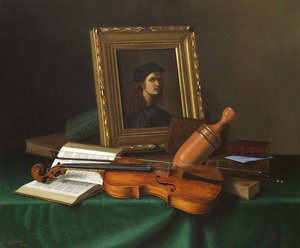
Vilijam Majkal Harnet
1848 - 1892 , Ирска
Osnovne informacije
- Artistic Movement Or Style: Trompe l'œil slikarstvo
- Artists Or Movements Influenced By This Artist: ['Američki realizam']
- Artists Who Influenced This Artist:
- Raphaelle Peale
- Pieter Claesz
- Date Of Birth: 10. avgust 1848.
- Date Of Death: 1892.
- Full Name: William Michael Harnett
- Nationality: Irsko-američki
- Notable Artworks:
- Nakon lovnice
- Stari violina
- Muzika i sreća
- Place Of Birth: Clonakilty, Irska
Povezani članci
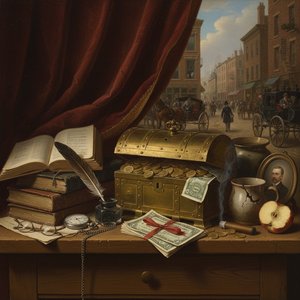
William Michael Harnett: Still Life, Realism & the American Pursuit of Materiality
Explore the captivating still lifes of William Michael Harnett, a master of American realism and trompe l'oeil painting. Discover his technique, legacy & the cultural context behind his iconic works.
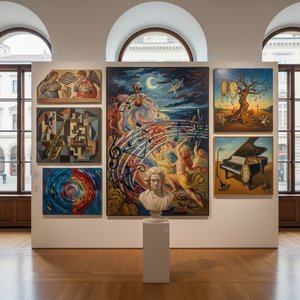
Harmonies on Canvas: Exploring the Visual Representation of Music in Art History
Explore the fascinating history of music's visual representation in art! From ancient symbolism to modern abstraction, discover how artists have captured sound and emotion on canvas. Expert insights & stunning examples.
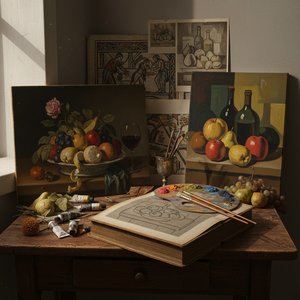
Silent Narratives: Exploring the Enduring Appeal of Still Life Painting Across Centuries
Explore the rich history of still life painting with ArtsDot. Discover Dutch Masters, decode vanitas symbolism & learn about collecting timeless art. Expert insights and museum-quality reproductions.
Od klasične mrtve prirode do savremene apstrakcije: Uzdižući prostore vile kroz umetničku reprodukciju stila i elegancije
Otkrijte bogatu istoriju mrtve prirode i kako umetničke reprodukcije transformišu prostore vile u elegantan ambijent. Saveti stručnjaka, simbolizam dela & investicioni potencijal.
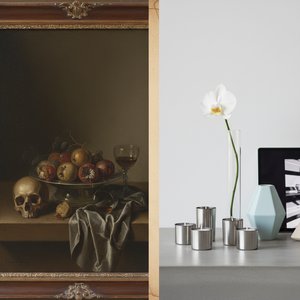
The Enduring Appeal of Still Life: A Historical & Contemporary Exploration
Explore the rich history & symbolism of still life painting with ArtsDot. Discover masterpieces from the Dutch Golden Age, learn about vanitas art, and find expert guidance for collecting timeless artworks.

