

 Pregledaj u prostoru
 Pošalji
 Podeli
 Detalji o delu

 Преузми
 Slični predmeti
 Rendgenski snimak
 Slajdovi
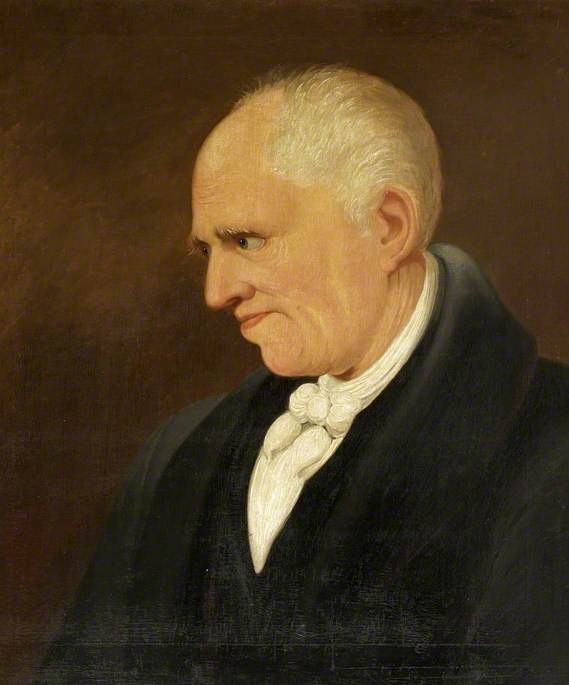
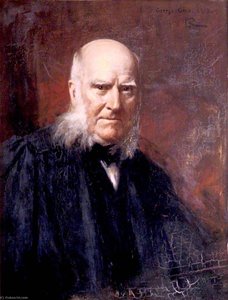
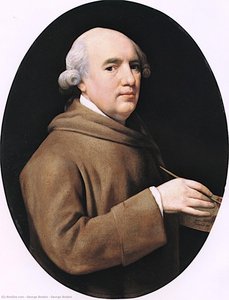
George Crabbe (1754–1832), Rector of Trowbridge (1814–1832)
 Neoclassicism
 59.0 x 49.0 cm
 Pročitaj više
Ručno rađena uljana reprodukcija
Ručno oslikano uljanim bojama na platnu u dimenzijama i okviru po vašem izboru, izrađeno po porudžbini od strane naših umetnika. ( Kupi print Kupi digitalnu sliku)




































Izaberite jednu od naših unapred definisanih veličina koje odgovaraju originalnim proporcijama umetničkog dela.

Можете унети сопствене димензије како бисте прилагодили дело одређеном оквиру или простору. Ако одабрана величина не одговара пропорцијама оригинала, слика ће бити исечена или проширена додатним елементима који се ручно насликавају. Дигитални prikaz ће вам бити послат на одобрење пре почетка производње.
Имајте на уму да преглед на екрану не одражава стварно исецање или проширење. Само приказ (mockup) ће тачно приказати коначну композицију.
Иако су доступне прилагођене величине, препоручујемо да одаберете димензију из дефинисане листе како бисте сачували оригиналне пропорције.
Nakon narudžbine, tim ArtsDot.com će klijentu putem e-pošte poslati uputstva i dostaviti prikaz predloženog rešenja
Isporuka širom sveta () za 3/4 nedelje umesto uobičajenih 5 nedelja. (6 септембар). Bez kompromisa po pitanju kvaliteta.

Besplatna ekspresna dostava širom sveta

Visokokvalitetno laneno platno

Kompletno osiguranje transporta

Garancija povraćaja carine i uvoznih dažbina

Garancija vernosti boja

Politika povrata u roku od 100 dana (samo u slučaju nedostataka)

Garancija povrata novca od 100%

Popust pri grupnoj kupovini
 Opcija sa staklom dostupna je samo za dimenzije manje od 110 cm

George Crabbe (1754–1832), Rector of Trowbridge (1814–1832)
Tehnika reprodukcije
Dimenzije reprodukcije
-


Konačna cena
$ 263
Srodna umetnička dela

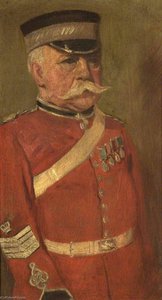
Biografija umetnika
The Ethereal Bridge: The Life and Art of William Millington
In the grand tapestry of nineteenth-century British art, few threads are as delicately woven as those left by William Millington. Born around 1840 in the historic Wiltshire town of Trowbridge, Millington emerged during a transformative era when the rigid structures of academic tradition began to soften under the luminous influence of Impressionism. His journey was one of profound balance, navigating the space between the disciplined observation of his classical training and a burgeoning desire to capture the fleeting, atmospheric whispers of the natural world. To study Millington’s work is to witness a master attempting to freeze time, capturing not just the physical landscape, but the very soul of light as it dances across water and stone.
Millington’s artistic foundation was built upon the rigorous principles of the Beaux Arts aesthetic. His formative years at Marlborough College provided him with a classical grounding, which he later refined at the prestigious Slade School of Fine Art in London. Under the mentorship of the legendary Frederic Leighton, Millington absorbed an approach to art that prioritized idealized forms, balanced compositions, and a deep respect for narrative clarity. This period of his life was defined by meticulousness; he learned the importance of anatomical precision and the subtle layering of oils to create depth and weight. Yet, even within these structured confines, a certain restlessness began to stir—a yearning to move beyond the static perfection of the academy toward something more sensory and ephemeral.
Luminosity and Landscape: The Spirit of Windermere
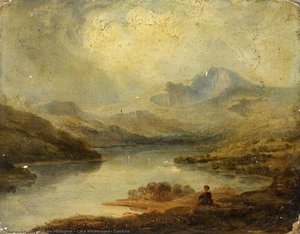
The true heart of Millington’s legacy lies in his evocative depictions of Lake Windermere. While many of his contemporaries sought to dissolve the world into pure color, Millington maintained a unique middle ground. He did not abandon form, but rather used tonal gradations and delicate, rhythmic brushstrokes to simulate the shimmering, translucent quality of water. His landscapes are masterclasses in atmospheric perspective; one can almost feel the dampness of the English mist or the warmth of a departing sun. In masterpieces such as “Windermere Sunset,” he achieves a breathtaking interplay of light and shadow, where the dramatic sky reflects upon the lake’s surface with such precision that the boundary between air and water seems to vanish.
This fascination with light extended into his portraiture, where he applied his academic skill to capture the intellectual and emotional weight of his subjects. His portrait of George Crabbe, the celebrated poet laureate and naturalist, stands as a testament to his ability to render character through subtle lighting and masterful texture. Through these works, Millington demonstrated that he was not merely a recorder of scenery, but a chronicler of presence, capable of imbuing his subjects with a sense of enduring wisdom and quiet dignity.
A Legacy of Transition
As the nineteenth century progressed, Millington’s style underwent a subtle yet significant evolution. He began to integrate more Impressionistic elements into his compositions, allowing for a greater emphasis on the sensory experience of a moment. This transition marked him as an artist of great historical significance—a bridge between two worlds. He remained a custodian of classical technique while embracing the modern movement toward subjectivity and light.
Today, the works of William Millington serve as a vital window into a period of profound artistic change. His ability to marry the structural integrity of the past with the atmospheric freedom of the future ensures his place in the annals of British art history. To look upon a Millington landscape is to experience a moment of quiet contemplation, where the permanence of the earth meets the transient beauty of the light, leaving an indelible mark on the viewer's imagination.
Osnovne informacije
- Artistic Movement Or Style: Romanticism
- Artists Or Movements Influenced By This Artist: ['Romanticism']
- Artists Who Influenced This Artist: ['George Crabbe']
- Date Of Birth: Living
- Full Name: William Millington
- Nationality: British
- Notable Artworks: ['Lake Windermere']
- Place Of Birth: Trowbridge, England
Povezani članci

Georges Braque: 25 Remek-dela Kubizma za Inspirisanje Vašeg Doma | ArtsDot
Istražite 25 remek-dela Georges Braquea, pionira kubizma. Otkrijte priče iza slika, tehnike i inspiraciju za dizajn enterijera. Reprodukcije vrhunskog kvaliteta dostupne na ArtsDot.com! Pronađite savršeno umetničko delo online.
25 Remek-dela Žorža Seurea: Putovanje kroz Svet Tačizma i Impresionističke Revolucije
Istražite 25 remek-dela Žorža Seurea i uronite u svet tačizma i impresionističke revolucije. Otkrijte priče iza slika, tehnike i inspiraciju ovog francuskog umetnika. Reprodukcije vrhunskog kvaliteta dostupne na ArtsDot.com!

The Enduring Legacy of Oil on Canvas: Technique, History & Aesthetic Impact
Explore the rich history & techniques of oil painting – from Renaissance masters to Impressionism. Discover pigments, layering methods, and why this timeless medium endures. Expert insights for artists & art enthusiasts.

Oil on Canvas: A Historical & Technical Exploration of a Timeless Artistic Medium
Explore the rich history & enduring techniques of oil painting on canvas. Discover the science behind its longevity, conservation practices, and contemporary relevance. Expert insights for art enthusiasts.

The Enduring Power of Painting: A Historical & Contemporary Exploration of Form and Emotion
Explore the rich history & enduring techniques of oil painting with ArtsDot. Discover masterpieces, learn about art collecting, and find authentic handmade reproductions crafted by skilled artists.