

 Pregledaj u prostoru
 Pošalji
 Podeli
 Detalji o delu

 Преузми
 Slični predmeti
 Rendgenski snimak
 Slajdovi
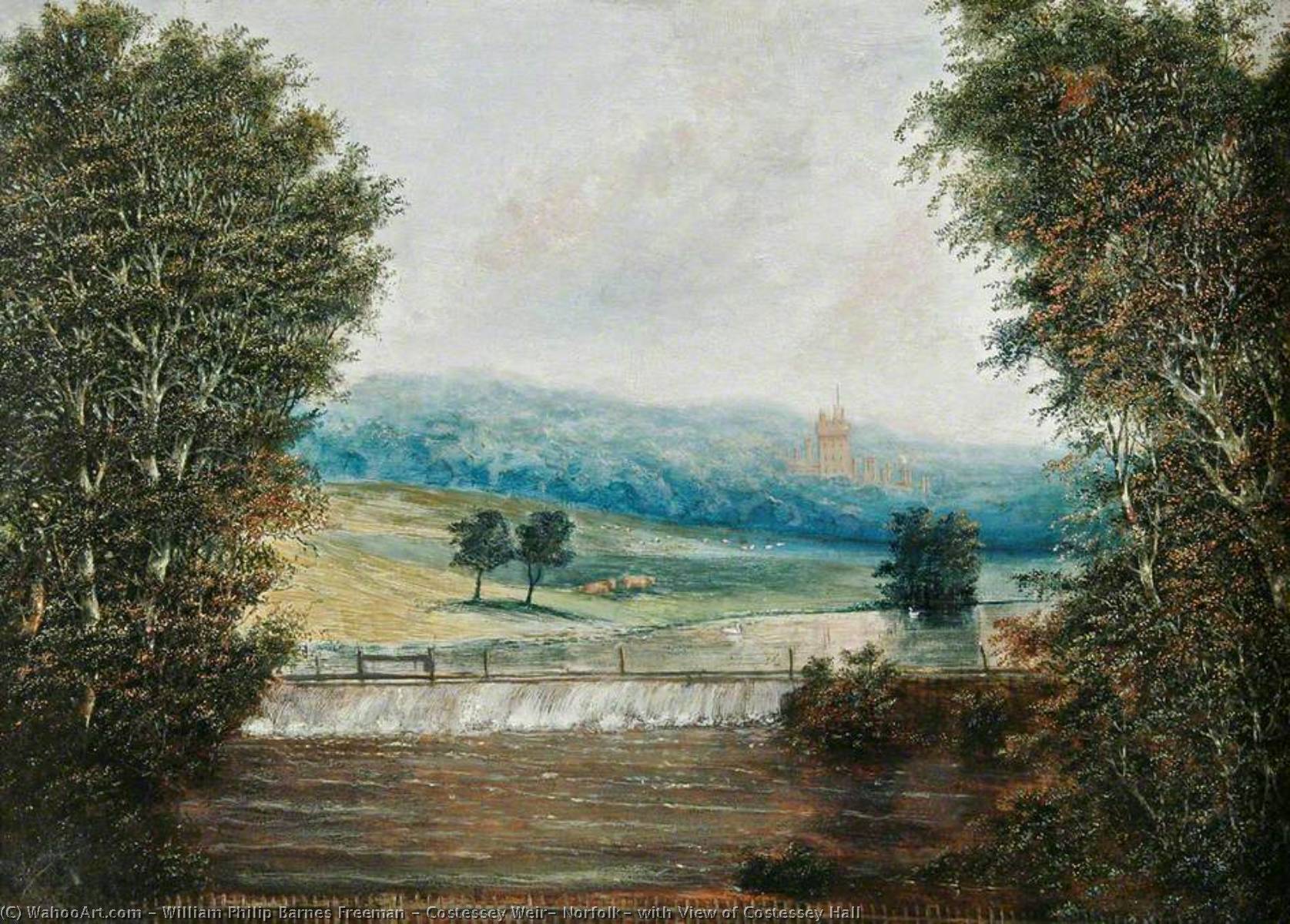
Costessey Weir, Norfolk, with View of Costessey Hall
 48.0 x 65.0 cm
 The Costessey Centre
 Pročitaj više
Kupite digitalnu sliku visoke rezolucije i poboljšanog kvaliteta, koja je znatno superiornija od onoga što vidite u online prikazu.
Svaka datoteka je pedantno pripremljena od strane naših stručnjaka koristeći napredne alate i profesionalnu ručnu retušu. Osiguravamo da svaka slika ima izuzetnu oštrinu, preciznu reprodukciju boja i fine detalje.
Konačna datoteka se dostavlja putem e-pošte u roku od 72 sata, optimizovana za neposrednu upotrebu u profesionalnim, izdavačkim i štamparskim okruženjima. To je isti kvalitet kojem veruju vrhunski studiji dizajna, izdavači i galerije.
Digitalna slika
Preuzmite datoteku visoke rezolucije za ličnu upotrebu, štampanje i kreativne projekte. ( Kupi print Kupi ručno naslikanu sliku)
Uključeno uz svaku porudžbinu digitalne slike
Profesionalna digitalna isporuka, zagarantovana
Kada odaberete ArtsDot.com, ne dobijate samo sliku – vi primate profesionalno unapređeno digitalno umetničko delo, izrađeno sa najvećom preciznošću i uz garanciju zadovoljstva. Evo svega što automatski dolazi uz vašu porudžbinu:

Brza dostava putem e-pošte
Vaša digitalna slika visoke rezolucije biće vam poslata putem e-pošte u roku od 72 sata od poručivanja – spremna za trenutnu upotrebu.

Digitalna datoteka unapređena veštačkom inteligencijom
Vaše umetničko delo je profesionalno optimizovano korišćenjem naprednih AI alata i ručne obrade, čime se osiguravaju maksimalni detalji, oštrina i preciznost boja.

Besplatna ponovna isporuka doživotno
Slučajno ste obrisali ili izgubili svoju datoteku? Ne brinite – poslaćemo vam je ponovo u bilo kom trenutku, potpuno besplatno.

Bez troškova uvoza – zauvek
Uživajte u svojim umetničkim delima trenutno, bez carine, dažbina ili troškova dostave – digitalni download je uvek bez poreza.

Garancija vernosti boja
Uz pomoć profesionalnih alata i upravljanja bojama, osiguravamo da vaša digitalna slika što vernije odražava originalne boje.

Garancija zadovoljstva od 100 dana
Ako niste zadovoljni svojom digitalnom slikom, izvršićemo reviziju ili ćemo vam vratiti 100% novca u roku od 100 dana – bez ikakvih pitanja.

100% garancija povrata novca
Niste zadovoljni? Dobijte puni povraćaj novca u roku od 100 dana od prijema digitalne datoteke – bez suvišnih pitanja.

Popusti na velike porudžbine
Kupite 3 slike, uštedite 10% - Kupite 5 slika, uštedite 15% - Kupite 10+ slika, uštedite 20%. Odlično za kreativne projekte, galerije i agencije.
Srodna umetnička dela








Biografija umetnika
William Philip Barns Freeman: A Norfolk Visionary
William Philip Barns Freeman (born circa 1860, died 1937) stands as a singular figure in British landscape art of the late Victorian and Edwardian eras. Primarily celebrated for his meticulous depictions of Norfolk’s coastline and rural interiors—particularly Costessey Weir and Cromer—Freeman achieved renown not merely for capturing picturesque vistas but for imbuing them with profound psychological depth and an unwavering commitment to artistic realism.
- Early Life & Education: Freeman's formative years were spent in Norwich, where he received a robust classical education at Norwich Cathedral School. This grounding in humanist scholarship instilled within him a lifelong fascination with mythology and literature, influences that would permeate his artistic sensibilities.
- Sculpture Training & Initial Works: Recognizing his aptitude for sculpture, Freeman pursued formal training at the Royal Academy Schools in London. His sculptural output during this period showcased an impressive mastery of form and technique—primarily executed in bronze—reflecting the prevailing stylistic trends of the time. Notable sculptures include “The Shepherdess” and “Saint George and the Dragon,” demonstrating both anatomical precision and expressive dynamism.
- Transition to Landscape Painting: Despite his sculptural accomplishments, Freeman’s artistic passion ultimately gravitated toward landscape painting. Around 1890, he embarked on a deliberate exploration of Norfolk's landscapes, driven by an ambition to translate the emotional resonance of these places onto canvas with unparalleled accuracy.
Norfolk Landscapes: A Synthesis of Observation & Emotion
Freeman’s approach to landscape painting distinguished itself from its contemporaries. Rather than striving for mere visual representation, he sought to convey a sense of atmosphere—the subtle interplay of light and shadow, the prevailing windswept character of the coastline—that captured the essence of Norfolk's spirit. His canvases are characterized by meticulous detail—rendered with painstaking brushwork—yet simultaneously infused with an underlying current of feeling.
- Costessey Weir & Costessey Hall: Freeman’s depictions of Costessey Weir and Costessey Hall exemplify his artistic vision. He skillfully captured the grandeur of the estate alongside the tranquil beauty of the riverbank, conveying a harmonious balance between architectural majesty and natural serenity. The inclusion of figures—often rendered with understated grace—further enriched the narrative dimension of these paintings.
- Cromer from the East: Cromer from the Evening is arguably Freeman’s most celebrated landscape masterpiece. Its luminous palette—dominated by hues of amber and rose—mirrors the ethereal glow of twilight over Cromer Pier, creating an immersive experience for the viewer. The composition—characterized by a masterful use of perspective—effectively conveys the drama and beauty of this iconic coastal scene.
Technique & Artistic Influences
Freeman’s artistic technique was rooted in the principles of Academic Impressionism, blending observational accuracy with expressive brushwork. He meticulously studied the effects of light on landscape surfaces—employing a palette knife to build up textured layers that captured the nuances of atmospheric conditions. Furthermore, Freeman drew inspiration from classical sculpture and Romantic literature, reflecting his humanist sensibilities.
- Classical Sculpture: The influence of sculptors such as Auguste Rodin is evident in Freeman’s sculptural output—particularly “Saint George and the Dragon,” which embodies Rodin's commitment to conveying psychological complexity through anatomical realism.
- Romantic Literature: Freeman’s engagement with Romantic poets like Wordsworth and Coleridge fostered a profound appreciation for the sublime—the awe-inspiring grandeur of nature that transcends rational comprehension. This sensibility permeated his landscape paintings, imbuing them with an emotional intensity characteristic of the era.
Legacy & Historical Significance
William Philip Barns Freeman’s contribution to British landscape art remains profoundly significant. His unwavering dedication to artistic realism—coupled with his ability to evoke powerful emotions—established him as a pioneer of psychological landscape painting. Today, Freeman's canvases continue to captivate audiences worldwide, serving as enduring emblems of Norfolk’s pastoral charm and the transformative power of artistic vision.
Kratke činjenice
- Artistic Movement Or Style: Romantic Landscape Painting
- Artists Or Movements Influenced By This Artist: ['Claude Lorrain']
- Artists Who Influenced This Artist:
- John Philip
- George Frederic Handel
- Date Of Death: Living
- Full Name: William Philip Barns Freeman
- Nationality: British
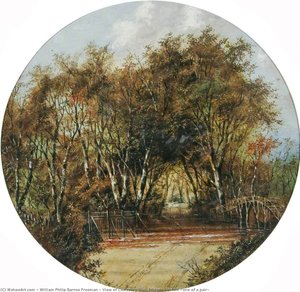
- Notable Artworks: ['View of Costessey Stick Bridge']
- Place Of Birth: Norwich, England