

 Pregledaj u prostoru
 Pošalji
 Podeli
 Detalji o delu

 Преузми
 Slični predmeti
 Rendgenski snimak
 Slajdovi
 Stats
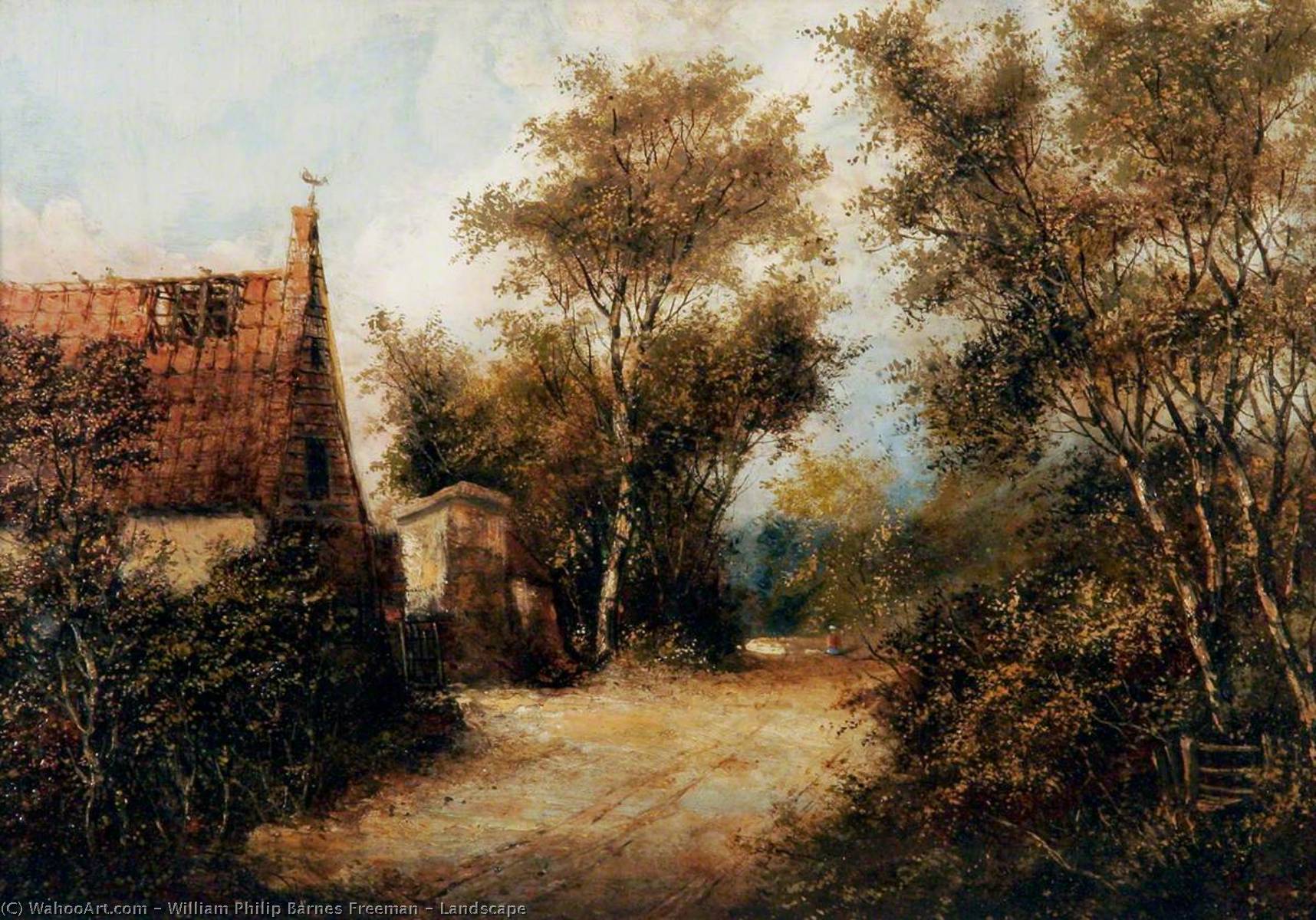
StatsLandscape
 28.0 x 40.0 cm
 Pročitaj više
Ručno rađena uljana reprodukcija
Ručno oslikano uljanim bojama na platnu u dimenzijama i okviru po vašem izboru, izrađeno po porudžbini od strane naših umetnika. ( Switch to Print Switch to Digital Image)




































Izaberite jednu od naših unapred definisanih veličina koje odgovaraju originalnim proporcijama umetničkog dela.

Можете унети сопствене димензије како бисте прилагодили дело одређеном оквиру или простору. Ако одабрана величина не одговара пропорцијама оригинала, слика ће бити исечена или проширена додатним елементима који се ручно насликавају. Дигитални prikaz ће вам бити послат на одобрење пре почетка производње.
Имајте на уму да преглед на екрану не одражава стварно исецање или проширење. Само приказ (mockup) ће тачно приказати коначну композицију.
Иако су доступне прилагођене величине, препоручујемо да одаберете димензију из дефинисане листе како бисте сачували оригиналне пропорције.
Nakon narudžbine, tim ArtsDot.com će klijentu putem e-pošte poslati uputstva i dostaviti prikaz predloženog rešenja
Isporuka širom sveta () za 3/4 nedelje umesto uobičajenih 5 nedelja. (7 септембар). Bez kompromisa po pitanju kvaliteta.

Besplatna ekspresna dostava širom sveta

Visokokvalitetno laneno platno

Kompletno osiguranje transporta

Garancija povraćaja carine i uvoznih dažbina

Garancija vernosti boja

Politika povraćaja u roku od 100 dana (isključivo u slučaju nedostataka)

Garancija povrata novca od 100%

Popust pri grupnoj kupovini
 Opcija sa staklom dostupna je samo za dimenzije manje od 110 cm

Landscape
Tehnika reprodukcije
Dimenzije reprodukcije
-


Konačna cena
$ 263
Srodna umetnička dela









Biografija umetnika
William Philip Barns Freeman: A Norfolk Visionary
William Philip Barns Freeman (born circa 1860, died 1937) stands as a singular figure in British landscape art of the late Victorian and Edwardian eras. Primarily celebrated for his meticulous depictions of Norfolk’s coastline and rural interiors—particularly Costessey Weir and Cromer—Freeman achieved renown not merely for capturing picturesque vistas but for imbuing them with profound psychological depth and an unwavering commitment to artistic realism.
- Early Life & Education: Freeman's formative years were spent in Norwich, where he received a robust classical education at Norwich Cathedral School. This grounding in humanist scholarship instilled within him a lifelong fascination with mythology and literature, influences that would permeate his artistic sensibilities.
- Sculpture Training & Initial Works: Recognizing his aptitude for sculpture, Freeman pursued formal training at the Royal Academy Schools in London. His sculptural output during this period showcased an impressive mastery of form and technique—primarily executed in bronze—reflecting the prevailing stylistic trends of the time. Notable sculptures include “The Shepherdess” and “Saint George and the Dragon,” demonstrating both anatomical precision and expressive dynamism.
- Transition to Landscape Painting: Despite his sculptural accomplishments, Freeman’s artistic passion ultimately gravitated toward landscape painting. Around 1890, he embarked on a deliberate exploration of Norfolk's landscapes, driven by an ambition to translate the emotional resonance of these places onto canvas with unparalleled accuracy.
Norfolk Landscapes: A Synthesis of Observation & Emotion
Freeman’s approach to landscape painting distinguished itself from its contemporaries. Rather than striving for mere visual representation, he sought to convey a sense of atmosphere—the subtle interplay of light and shadow, the prevailing windswept character of the coastline—that captured the essence of Norfolk's spirit. His canvases are characterized by meticulous detail—rendered with painstaking brushwork—yet simultaneously infused with an underlying current of feeling.
- Costessey Weir & Costessey Hall: Freeman’s depictions of Costessey Weir and Costessey Hall exemplify his artistic vision. He skillfully captured the grandeur of the estate alongside the tranquil beauty of the riverbank, conveying a harmonious balance between architectural majesty and natural serenity. The inclusion of figures—often rendered with understated grace—further enriched the narrative dimension of these paintings.
- Cromer from the East: Cromer from the Evening is arguably Freeman’s most celebrated landscape masterpiece. Its luminous palette—dominated by hues of amber and rose—mirrors the ethereal glow of twilight over Cromer Pier, creating an immersive experience for the viewer. The composition—characterized by a masterful use of perspective—effectively conveys the drama and beauty of this iconic coastal scene.
Technique & Artistic Influences
Freeman’s artistic technique was rooted in the principles of Academic Impressionism, blending observational accuracy with expressive brushwork. He meticulously studied the effects of light on landscape surfaces—employing a palette knife to build up textured layers that captured the nuances of atmospheric conditions. Furthermore, Freeman drew inspiration from classical sculpture and Romantic literature, reflecting his humanist sensibilities.
- Classical Sculpture: The influence of sculptors such as Auguste Rodin is evident in Freeman’s sculptural output—particularly “Saint George and the Dragon,” which embodies Rodin's commitment to conveying psychological complexity through anatomical realism.
- Romantic Literature: Freeman’s engagement with Romantic poets like Wordsworth and Coleridge fostered a profound appreciation for the sublime—the awe-inspiring grandeur of nature that transcends rational comprehension. This sensibility permeated his landscape paintings, imbuing them with an emotional intensity characteristic of the era.
Legacy & Historical Significance
William Philip Barns Freeman’s contribution to British landscape art remains profoundly significant. His unwavering dedication to artistic realism—coupled with his ability to evoke powerful emotions—established him as a pioneer of psychological landscape painting. Today, Freeman's canvases continue to captivate audiences worldwide, serving as enduring emblems of Norfolk’s pastoral charm and the transformative power of artistic vision.
Osnovne informacije
- Artistic Movement Or Style: Romantic Landscape Painting
- Artists Or Movements Influenced By This Artist: ['Claude Lorrain']
- Artists Who Influenced This Artist:
- John Philip
- George Frederic Handel
- Date Of Death: Living
- Full Name: William Philip Barns Freeman
- Nationality: British
- Notable Artworks: ['View of Costessey Stick Bridge']
- Place Of Birth: Norwich, England