

 Pregledaj u prostoru
 Pošalji
 Podeli
 Detalji o delu

 Преузми
 Slični predmeti
 Rendgenski snimak
 Slajdovi
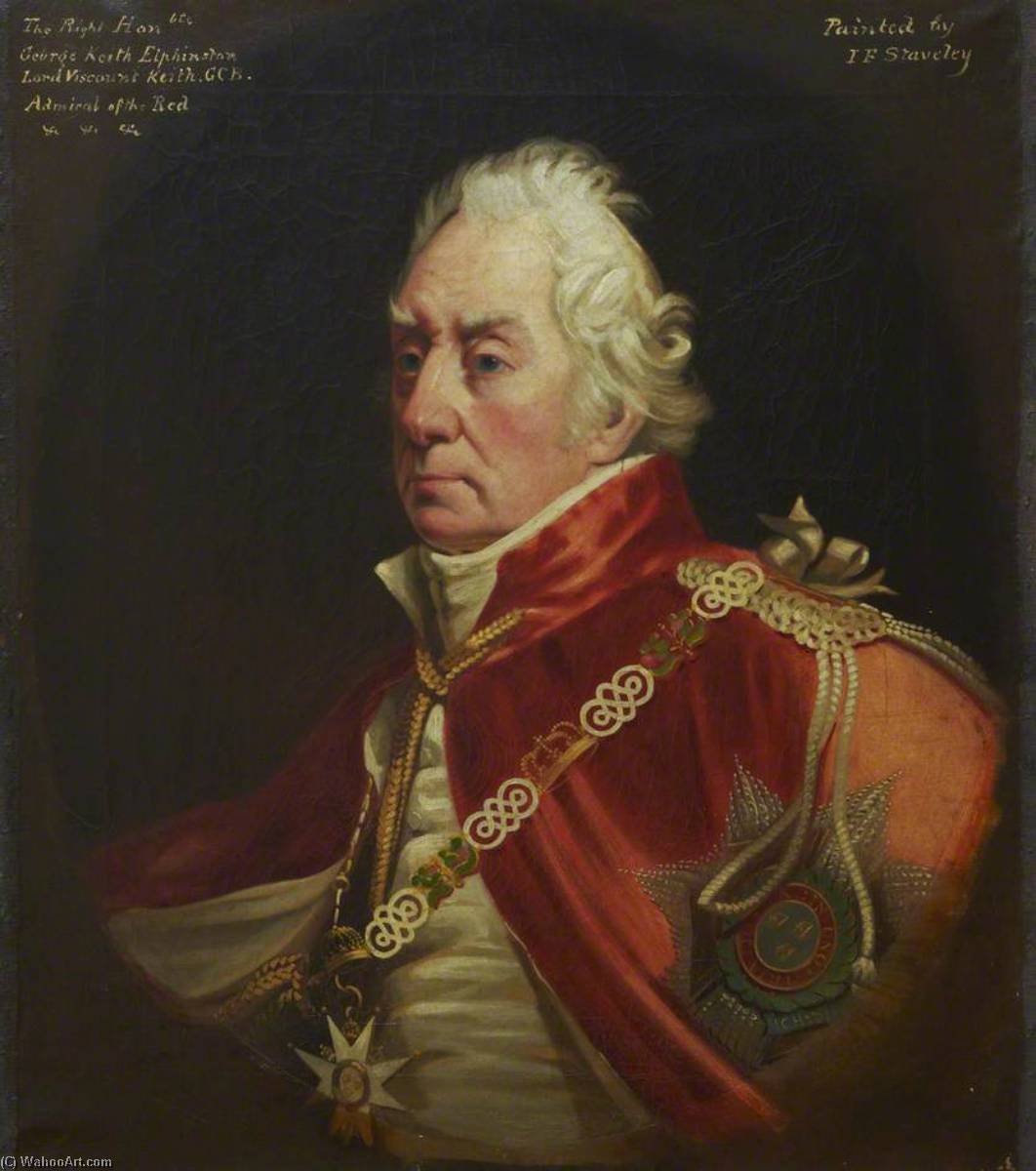
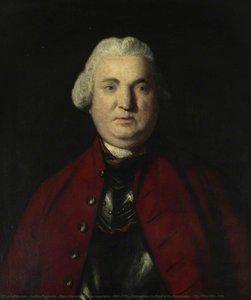
Admiral Viscount Keith (1747–1823), GCB
 Neoclassicism
 78.0 x 69.0 cm
 Scottish Police College
 Pročitaj više
Ručno rađena uljana reprodukcija
Ručno oslikano uljanim bojama na platnu u dimenzijama i okviru po vašem izboru, izrađeno po porudžbini od strane naših umetnika. ( Kupi print Kupi digitalnu sliku)




































Izaberite jednu od naših unapred definisanih veličina koje odgovaraju originalnim proporcijama umetničkog dela.

Можете унети сопствене димензије како бисте прилагодили дело одређеном оквиру или простору. Ако одабрана величина не одговара пропорцијама оригинала, слика ће бити исечена или проширена додатним елементима који се ручно насликавају. Дигитални prikaz ће вам бити послат на одобрење пре почетка производње.
Имајте на уму да преглед на екрану не одражава стварно исецање или проширење. Само приказ (mockup) ће тачно приказати коначну композицију.
Иако су доступне прилагођене величине, препоручујемо да одаберете димензију из дефинисане листе како бисте сачували оригиналне пропорције.
Nakon narudžbine, tim ArtsDot.com će klijentu putem e-pošte poslati uputstva i dostaviti prikaz predloženog rešenja
Isporuka širom sveta () za 3/4 nedelje umesto uobičajenih 5 nedelja. (3 септембар). Bez kompromisa po pitanju kvaliteta.

Besplatna ekspresna dostava širom sveta

Visokokvalitetno laneno platno

Kompletno osiguranje transporta

Garancija povraćaja carine i uvoznih dažbina

Garancija vernosti boja

Politika povrata u roku od 60 dana (samo u slučaju nedostataka)

Garancija povrata novca od 100%

Popust pri grupnoj kupovini
 Opcija sa staklom dostupna je samo za dimenzije manje od 110 cm

Admiral Viscount Keith (1747–1823), GCB
Tehnika reprodukcije
Dimenzije reprodukcije
-


Konačna cena
$ 263
Srodna umetnička dela
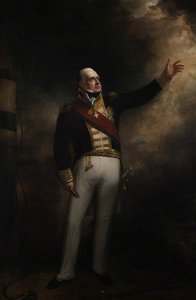
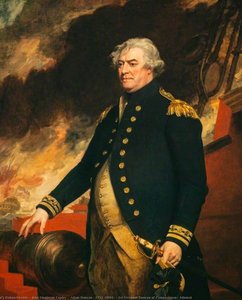
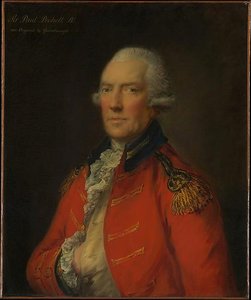
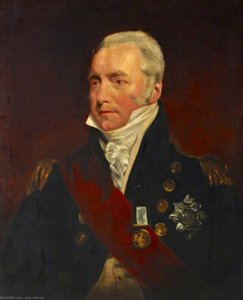
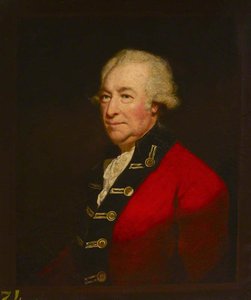
Biografija umetnika
The Delicate Precision of William Staveley
In the annals of British portraiture, few names evoke as much quiet reverence and historical intrigue as William Staveley. A figure emerging from the late Georgian era, Staveley’s life was a brief but brilliant flash of artistic mastery. Born in Edinburgh around 1785, his early years were shaped by an elite education, moving from the prestigious halls of Eton College to the scholarly environment of Oxford University. While much of his personal biography remains shrouded in the mists of time, his canvases speak with a clarity that defies his relative obscurity. He possessed a rare, innate ability to transcend mere likeness, capturing not just the physical features of the Scottish nobility, but the very soul and psychological depth of his subjects.
Stavely’s artistic development was deeply rooted in the classical traditions of his predecessors. He did not merely observe the masters; he internalized their very essence. By meticulously studying the works of Rembrandt and Joshua Reynolds, Staveley mastered the sophisticated technique of chiaroscuro. This dramatic interplay between light and shadow became the hallmark of his oeuvre, allowing him to sculpt faces out of darkness and imbue skin tones with a lifelike warmth. Unlike many of his contemporaries who sought to overwhelm the viewer with grandiosity and ostentatious displays of wealth, Staveley pursued an aesthetic of understated elegance. His brushwork favored accuracy and subtlety, finding profound beauty in the quiet nuances of a gaze or the gentle fold of a silk garment.
A Legacy Captured in Light and Shadow
The breadth of Staveley’s contribution to the portraiture of his era is best understood through his most celebrated commissions. His work served as a vital record for the wealthy Scottish families and prominent figures of the period, acting as a window into the social hierarchies and intellectual currents of the late 18th and early 19th centuries. Each portrait was a carefully constructed narrative of dignity and grace.
Among his most enduring achievements are works that showcase his remarkable anatomical precision and emotional sensitivity:
- George Home of Paxton: A captivating depiction of the Earl that stands as a testament to Staveley's ability to balance formal grandeur with nuanced human expression.
- Henry Mackenzie: In this portrait, the artist captures the contemplative and thoughtful gaze of the author, demonstrating a profound empathy for his sitter’s intellectual character.
- Jane Duff of Hatton: A stunning example of his 1790s period, where his mastery of realistic detail and classical style is on full display.
- Dr. Gregory Grant: A 1796 masterpiece that utilizes rich textures and striking lighting to create a sense of historical weight and formal importance.
- Sir James Grant: A portrait that exemplifies the artist's dedication to portraying his subjects with an unwavering sense of dignity.
Though Staveley’s life was tragically cut short by his death in 1808, the impact of his brief career remains palpable. He left behind a collection of works that do more than simply document faces; they preserve the spirit of an age. Through his disciplined use of light and his commitment to the truth of the human countenance, William Staveley secured his place as a master of Scottish portraiture, leaving an indelible mark on the history of British art.
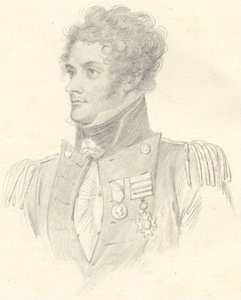
william staveley
1928 - 1997
Osnovne informacije
- Artistic Movement Or Style: Portrait painting
- Date Of Death: 1997
- Full Name: William Staveley
- Nationality: British
- Notable Artworks:
- George Home of Paxton
- Henry Mackenzie
- Sir James Grant
Povezani članci

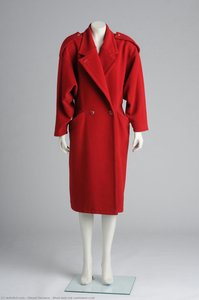
Crimson Threads of Narrative: Exploring Symbolism & Representation in Artworks Featuring the Red Dress
Explore the rich symbolism of the red dress in art history! From ancient power displays to iconic portraits like Cézanne’s 'Madame Cezanne', discover the cultural and artistic significance behind this captivating color. Expert analysis & insights.
18th Century Masters: 10 Artworks That Define an Era | ArtsDot
Journey through 18th century art! Explore 10 iconic paintings – from Rococo elegance to Neoclassical grandeur. Discover Fragonard, David & more. Find museum-quality reproductions and elevate your home decor on ArtsDot.com.

Mark Rothko: 25 Remek-dela Apstraktne Ekspresije za Vaš Dom | ArtsDot
Istražite 25 remek-dela Marka Rothka – ikona apstraktne ekspresije. Otkrijte priče, tehnike i emocije iza ovih veličanstvenih slika. Reprodukcije vrhunskog kvaliteta za vaš dom na ArtsDot.com!
Reflections of an Age: Social Commentary & Artistic Representation in 18th-Century Society
Explore the social commentary & artistic representation of 18th-century society. Discover Rococo masterpieces, portraiture's power, and shifting historical perspectives. Expert insights for art lovers.
Iconic Art of the 18th & 19th Centuries: Masterpieces for Your Home | ArtsDot
Journey through 18th & 19th century art! Explore iconic masterpieces by Monet, Van Gogh & more. Discover the stories behind these timeless paintings and find museum-quality reproductions for your home at ArtsDot.com.

