


 Pregledaj u prostoru
 Pošalji
 Podeli
 Detalji o delu

 Преузми
 Slični predmeti
 Rendgenski snimak
 Slajdovi
 Stats
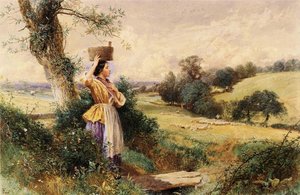
StatsHauling Sheaves to the Threshing Machine
 Watercolor
- WallArt
- Contemporary Realism
 1961
1961- Modern
 76.0 x 91.0 cm
 McMichael Canadian Art Collection
 Pročitaj više
Kupite digitalnu sliku visoke rezolucije i poboljšanog kvaliteta, koja je znatno superiornija od onoga što vidite u online prikazu.
Svaka datoteka je pedantno pripremljena od strane naših stručnjaka koristeći napredne alate i profesionalnu ručnu retušu. Osiguravamo da svaka slika ima izuzetnu oštrinu, preciznu reprodukciju boja i fine detalje.
Konačna datoteka se dostavlja putem e-pošte u roku od 72 sata, optimizovana za neposrednu upotrebu u profesionalnim, izdavačkim i štamparskim okruženjima. To je isti kvalitet kojem veruju vrhunski studiji dizajna, izdavači i galerije.
Digitalna slika
Preuzmite datoteku visoke rezolucije za ličnu upotrebu, štampanje i kreativne projekte. ( Switch to Print Kupi ručno naslikanu sliku)
Uključeno uz svaku porudžbinu digitalne slike
Profesionalna digitalna isporuka, zagarantovana
Kada odaberete ArtsDot.com, ne dobijate samo sliku – vi primate profesionalno unapređeno digitalno umetničko delo, izrađeno sa najvećom preciznošću i uz garanciju zadovoljstva. Evo svega što automatski dolazi uz vašu porudžbinu:

Brza dostava putem e-pošte
Vaša digitalna slika visoke rezolucije biće vam poslata putem e-pošte u roku od 72 sata od poručivanja – spremna za trenutnu upotrebu.

Digitalna datoteka unapređena veštačkom inteligencijom
Vaše umetničko delo je profesionalno optimizovano korišćenjem naprednih AI alata i ručne obrade, čime se osiguravaju maksimalni detalji, oštrina i preciznost boja.

Besplatna ponovna isporuka doživotno
Slučajno ste obrisali ili izgubili svoju datoteku? Ne brinite – poslaćemo vam je ponovo u bilo kom trenutku, potpuno besplatno.

Bez troškova uvoza – zauvek
Uživajte u svojim umetničkim delima trenutno, bez carine, dažbina ili troškova dostave – digitalni download je uvek bez poreza.

Garancija vernosti boja
Uz pomoć profesionalnih alata i upravljanja bojama, osiguravamo da vaša digitalna slika što vernije odražava originalne boje.

Garancija zadovoljstva od 100 dana
Ako niste zadovoljni svojom digitalnom slikom, izvršićemo reviziju ili ćemo vam vratiti 100% novca u roku od 100 dana – bez ikakvih pitanja.

100% garancija povrata novca
Niste zadovoljni? Dobijte puni povraćaj novca u roku od 100 dana od prijema digitalne datoteke – bez suvišnih pitanja.

Popusti na velike porudžbine
Kupite 3 slike, uštedite 10% - Kupite 5 slika, uštedite 15% - Kupite 10+ slika, uštedite 20%. Odlično za kreativne projekte, galerije i agencije.
A Pastoral Symphony of Canadian Heritage
In the evocative watercolor Hauling Sheaves to the Threshing Machine, created in 1961, the legendary Canadian artist William Stephen Kurelek invites us into a meticulously detailed world where the rhythms of rural life dictate the passage of time. The scene unfolds with a profound sense of communal labor and quiet companionship, centered around a man resting atop a bountiful pile of hay. Flanked by two gentle sheep, the figure serves as an anchor for a composition that is both intimate and expansive. While the title suggests the heavy industry of harvest, the painting captures a moment of stillness amidst the movement, where the tools of the land meet the quietude of nature. The presence of fishing rods in the man's hands adds a layer of poignant duality, suggesting a life lived in harmony with both the soil and the water, bridging the gap between the toil of the threshing season and the restorative peace of the wild.
Kurelek’s mastery of the watercolor medium is on full display through his delicate yet purposeful application of pigment. The artist employs a layered technique that allows for a luminous depth, capturing the hazy, sun-drenched atmosphere of the Canadian prairies. His ability to render texture—from the coarse, golden stalks of the hay to the soft, woolly coats of the sheep—creates a tactile experience for the viewer. In the background, the landscape breathes with life; scattered figures and animals move through the terrain, while the distant silhouettes of trucks hint at the encroaching modernization of the mid-20th century. This interplay between the traditional agrarian lifestyle and the subtle arrival of machinery creates a visual tension that is characteristic of Kurelek’s ability to document a vanishing era with both precision and nostalgia.
Beyond its technical brilliance, this artwork serves as a profound emotional vessel, resonating deeply with those who find beauty in the heritage of the land. For the collector or interior designer, the piece offers more than mere decoration; it provides a window into a soulful, hardworking past. The symbolism of the harvest—representing abundance, cycle, and reward—is woven into the very fabric of the composition. There is an inherent warmth in the palette that can breathe life into a sophisticated gallery wall or serve as a contemplative centerpiece in a rustic-modern study. To possess a reproduction of this work is to hold a fragment of Kurelek’s unique vision: a vision that celebrates the resilience of the human spirit and the enduring, quiet majesty of the rural landscape.
Srodna umetnička dela

Biografija umetnika
William Stephen Kurelek: A Life in Art
Early Life and Influences
- Born on March 3, 1927, near Whitford, Alberta, Canada, William Stephen Kurelek’s life was deeply rooted in the Canadian prairies.
- He was the oldest of seven children in a Ukrainian immigrant family, a heritage that profoundly shaped his artistic vision. His parents, Dmytro and Mary Huculak, were cousins who immigrated from Bukovina.
- The family faced hardship during the Great Depression, moving to Manitoba and eventually Ontario, experiences which instilled a sense of resilience and observation in Kurelek.
- Early education included Ukrainian school, fostering a strong connection to his cultural roots.
Artistic Development & Education
- Despite initial parental reservations about the practicality of art as a career, Kurelek pursued formal training at the University of Manitoba and the Ontario College of Art (OCA).
- At OCA, he was influenced by Mexican muralists like Diego Rivera, David Alfaro Siqueiros, and José Clemente Orozco, adopting their narrative style.
- He furthered his studies at the Instituto Allende in Mexico, but remained largely self-taught, developing a unique visual language.
Struggles with Mental Health & The Maze
- Kurelek’s life was marked by struggles with clinical depression and schizophrenia.
- In 1952, he voluntarily admitted himself to the Maudsley Psychiatric Hospital in London, England, where he received treatment.
- During his hospitalization, he created his most famous work, The Maze, a powerful and haunting depiction of his inner turmoil – a man’s ‘unraveled head lying in a wheat field’. This painting remains a poignant symbol of mental illness.
Artistic Style & Themes
- Kurelek's style is characterized by a blend of realism, folk art influences, and narrative storytelling.
- His paintings often depict scenes from rural Canadian life, particularly the prairies, reflecting his childhood memories and connection to the land.
- Recurring themes include Ukrainian-Canadian culture, religious faith (following his conversion to Roman Catholicism), and the complexities of human emotion.
- He frequently used watercolor, oil, and egg tempera in his work.
Notable Works & Achievements
- Besides The Maze, significant works include Hauling Sheaves to the Threshing Machine (McMichael Canadian Art Collection), showcasing his ability to capture the essence of rural life.
- He authored and illustrated several books, including A Prairie Boy’s Summer and A Prairie Boy’s Winter, which are autobiographical accounts of his childhood.
- His work is held in prominent Canadian collections such as the National Gallery of Canada, the Art Gallery of Ontario, and the Winnipeg Art Gallery.
Legacy & Historical Significance
- Kurelek was appointed a Member of the Order of Canada and elected to the Royal Canadian Academy of Arts, recognizing his contributions to Canadian art and culture.
- He died on November 3, 1977, leaving behind a body of work that continues to resonate with audiences today.
- His honest and unflinching portrayal of mental illness helped break down stigmas and fostered greater understanding.
- Kurelek’s art serves as a valuable historical record of prairie life and Ukrainian-Canadian heritage in the 20th century, solidifying his place as a significant figure in Canadian art history.
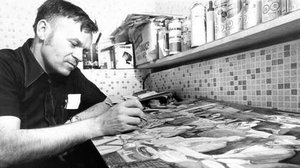
william stephen kurelek
1927 - 1977 , Canada
Kratke činjenice
- Birth Date: 1927-03-03
- Birth Place: Whitford, Alberta, Canada
- Death Date: 1977-11-03
- Influenced By: Mexican muralists (Rivera, Siqueiros, Orozco)
- Movement: Figurative art, Prairie School
- Name: William Stephen Kurelek
- Nationality: Canadian
- Notable Works:
- The Maze
- Hauling Sheaves to the Threshing Machine