

 Pregledaj u prostoru
 Pošalji
 Podeli
 Detalji o delu

 Преузми
 Slični predmeti
 Rendgenski snimak
 Slajdovi
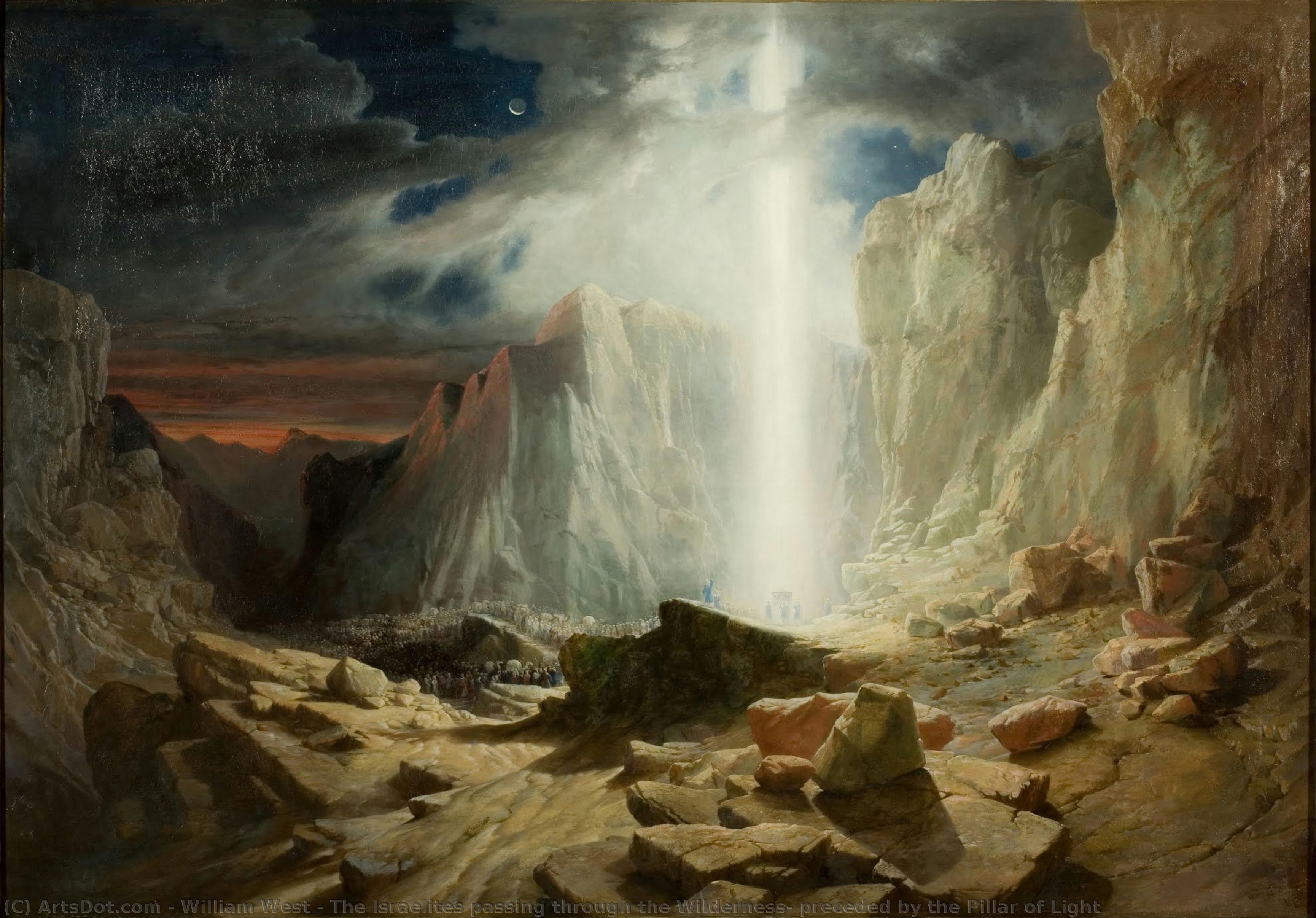
The Israelites passing through the Wilderness, preceded by the Pillar of Light


 Pročitaj više
Ručno rađena uljana reprodukcija
Ručno oslikano uljanim bojama na platnu u dimenzijama i okviru po vašem izboru, izrađeno po porudžbini od strane naših umetnika. ( Kupi print Kupi digitalnu sliku)




P118B $10

P118H $10

P118W $10

P438Z $10

P508JH $12

P508YH $12

P805H $10

P805Z $10

P919BZ $10

P919G $10

P919XJ $10

P959ZH $10

P968JZ $12

W106C $8

W218G $10

W218JH $8

W218Y $10

W307PJ $10

W316G $10

W316PJ $8

W316Y $10

W398PJ $8

W4111J $10

W500HY $15

W500JH $15

W692G $12

W849H $8

W940BG $15

W953PJ $8




Izaberite jednu od naših unapred definisanih veličina koje odgovaraju originalnim proporcijama umetničkog dela.

Можете унети сопствене димензије како бисте прилагодили дело одређеном оквиру или простору. Ако одабрана величина не одговара пропорцијама оригинала, слика ће бити исечена или проширена додатним елементима који се ручно насликавају. Дигитални prikaz ће вам бити послат на одобрење пре почетка производње.
Имајте на уму да преглед на екрану не одражава стварно исецање или проширење. Само приказ (mockup) ће тачно приказати коначну композицију.
Иако су доступне прилагођене величине, препоручујемо да одаберете димензију из дефинисане листе како бисте сачували оригиналне пропорције.
Nakon narudžbine, tim ArtsDot.com će klijentu putem e-pošte poslati uputstva i dostaviti prikaz predloženog rešenja
Isporuka širom sveta () za 3/4 nedelje umesto uobičajenih 5 nedelja. (31 август). Bez kompromisa po pitanju kvaliteta.

Besplatna ekspresna dostava širom sveta

Visokokvalitetno laneno platno

Kompletno osiguranje transporta

Garancija povraćaja carine i uvoznih dažbina

Garancija vernosti boja

Politika povrata u roku od 60 dana (samo u slučaju nedostataka)

Garancija povrata novca od 100%

Popust pri grupnoj kupovini
 Opcija sa staklom dostupna je samo za dimenzije manje od 110 cm

The Israelites passing through the Wilderness, preceded by the Pillar of Light
Tehnika reprodukcije
Dimenzije reprodukcije
-


Konačna cena
$ 263
A Celestial Guide Through the Desolate Night
In the profound stillness of a desert night, a singular, divine phenomenon pierces the darkness, illuminating a journey of epic proportions. William West’s masterpiece, The Israelites passing through the Wilderness, preceded by the Pillar of Light, captures that breathless moment of transition from bondage to promised freedom. The painting presents a dramatic nocturnal landscape where the heavens and earth converge under the weight of a miraculous event. A towering pillar of fire descends from the clouds, casting a brilliant, ethereal glow upon the rugged terrain and the weary travelers below. This celestial beacon does more than merely light the path; it serves as a profound symbol of divine providence, guiding the scattered figures of Moses and the Israelites through the daunting unknown of the wilderness.
The composition is masterfully orchestrated to evoke a sense of overwhelming scale and spiritual awe. West utilizes a vast mountain range in the background, its jagged peaks shrouded in mist and shadow, to emphasize the isolation and the monumental nature of the Exodus. The interplay of light and shadow—a hallmark of the dramatic style—creates a rhythmic movement across the canvas. As the eye wanders through the scene, it encounters tiny, meticulously rendered figures and even the presence of animals, all dwarfed by the immense landscape and the overwhelming radiance of the pillar. This contrast between the minute human struggle and the infinite scale of the divine light creates a tension that is both humbling and deeply moving.
The Twilight of an Era: Technique and Historical Resonance
Created in 1845, this work stands as a poignant historical marker, representing one of the final breaths of the Bristol School’s epic approach to biblical subjects. By the mid-19th century, the art world was beginning to shift away from these grand, theatrical narratives toward more intimate and realistic depictions of everyday life. Yet, in this painting, West captures the grandeur of the old tradition with unparalleled technical mastery. His training in Rome and his dedication to the principles of the Academy are evident in the way he handles light; it is not merely a visual element but a structural force that defines the shapes, textures, and depths of the wilderness.
For the discerning collector or interior designer, this piece offers more than just a historical window; it provides a powerful focal point for any sophisticated space. The painting’s ability to command attention through its high-contrast palette and dramatic subject matter makes it an ideal centerpiece for rooms designed to inspire contemplation and grandeur. Whether placed in a library, a study, or a formal living area, a high-quality reproduction of this work brings with it an atmosphere of adventure, spirituality, and timelessness. It is an invitation to look upward and inward, reminding the viewer of the enduring human quest for guidance through life's darkest passages.
Srodna umetnička dela
Biografija umetnika
The Grandeur of Divine Narrative: The Life of William West
In the vibrant tapestry of nineteenth-century American art, few threads shine with as much spiritual intensity and technical precision as those woven by William West. Born in New York City on August 17, 1835, West emerged during an era when American painters were seeking to establish a profound identity, often looking toward the classical traditions of Europe to find the vocabulary for their most ambitious subjects. His journey was one of deep academic rigor and cultural immersion, beginning with his formative studies at Yale University. It was here that he first honed the meticulous eye for detail that would later define his career, but it was his subsequent pilgrimage to Rome that truly ignited his artistic soul. Immersed in the prestigious atmosphere of the Academy of Fine Arts, West absorbed the timeless principles of classical aesthetics, learning to manipulate light and shadow to evoke the sublime.
This European sojourn provided him with more than just technical skill; it offered a window into the monumental scale of history painting. By studying the masters of the Roman tradition, West developed a unique ability to marry the gritty realism of his American roots with the ethereal, dramatic qualities of the Old World. This synthesis allowed him to approach biblical and historical themes not merely as illustrations of scripture, but as living, breathing dramas that demanded the viewer's emotional participation. His work became a bridge between the tangible world of 19th-century realism and the transcendent realms of spiritual contemplation.
Mastery of Light and the Biblical Epic
The true hallmark of West’s oeuvre lies in his ability to transform canvas into a stage for divine intervention. Nowhere is this more evident than in his most celebrated masterpiece, “The Israelites Passing Through the Wilderness, Preceded by the Pillar of Light,” completed in 1876. This colossal work serves as a testament to his unparalleled technical prowess and his narrative ambition. In this painting, West does not simply depict a historical event; he captures a moment of profound cosmic significance. The desert landscape, rendered with an exacting eye for texture and topography, becomes a vessel for the divine light that guides Moses and his people. Through the careful application of thin, luminous glazes over a textured ground, West achieved a radiant quality that makes the pillar of light appear to pulse with its own internal energy.
His technique was characterized by a sophisticated layering process, a method that allowed for a remarkable depth of color and a sense of atmospheric perspective. This approach enabled him to capture the subtle shifts in desert heat, the weight of the heavy fabrics worn by the travelers, and the overwhelming scale of the wilderness itself. Beyond this singular triumph, West’s broader body of work frequently explored themes of religious devotion and historical commemoration, always maintaining a commitment to the emotional intensity of the human experience within a divine context. His paintings were not merely objects of beauty but were intended as instruments of storytelling, designed to resonate with the spiritual sensibilities of his contemporary audience.
Legacy and Historical Significance
As a pioneer of American Realism, William West occupies a significant position in the history of art, representing a period when American artists successfully integrated classical European training with a uniquely New World perspective. His dedication to the monumental scale of historical painting helped elevate the status of American religious art, proving that the profound themes of antiquity could be rendered with a modern, realistic vitality. While his life and career were deeply rooted in the traditions of the past, his impact was felt in the way he pushed the boundaries of what American canvas could convey—moving from simple representation to deep, symbolic resonance.
Today, West is remembered as an artist of immense discipline and vision. His ability to balance the meticulous observation of the natural world with the grand, sweeping narratives of faith ensures his place in the annals of 19th-century art. Through his works, we are invited to witness a moment in history where the boundaries between the earthly and the divine were blurred by the stroke of a master's brush, leaving behind a legacy of light, shadow, and enduring spiritual wonder.
William West
1835 - 1915 , United States of America
Osnovne informacije
- Artistic Movement Or Style: Academic Art
- Artists Or Movements Influenced By This Artist: ['Academia']
- Artists Who Influenced This Artist:
- John Singleton Copley
- Samuel Finley Breese Morse
- Date Of Birth: August 17, 1835
- Date Of Death: 1915
- Full Name: William West
- Nationality: American
- Notable Artworks: ['The Israelites passing through the wilderness']
- Place Of Birth: New York City, United States
Povezani članci
Dramatic Masterpieces: 10 Artworks for a Powerful Home Decor Statement |
Explore 10 dramatic artworks by masters like Caravaggio, Van Gogh & Munch. Uncover the stories behind these powerful paintings and find museum-quality reproductions to transform your home decor. Discover all masterpieces on .
Dramatic Art: 10 Masterpieces That Stir the Soul |
Explore 10 dramatic artworks by masters like Rembrandt & Munch that stir deep emotion. Discover art history, techniques & find museum-quality reproductions for your home at . Explore the full collection online.

Rembrandt van Rijn: 25 Majstorstava Svetla i Senke za Vaš Dom | ArtsDot
Uronite u svet Rembrandta van Rijna! Otkrijte 25 najlepših dela holandskog majstora – portrete, istorijske scene i biblijska platna. Kvalitetne reprodukcije slika za dekoraciju enterijera dostupne na ArtsDot.com.
The Power of Narrative Tension: Exploring Dramatic Scenes in Art History
Explore the captivating power of dramatic scenes in art history. Discover Baroque masters like Ribera & Caravaggio, learn about chiaroscuro techniques, and gain insights for building a powerful art collection with ArtsDot.
Majestic Peaks on Canvas: A Historical & Artistic Exploration of Mountains in Fine Art
Explore the history of mountain painting! Discover Romantic masterpieces & key artists like Dahl & Calame. Learn about the Sublime & Picturesque aesthetics and find your perfect artwork at ArtsDot.

