
- Početna strana

- Reprodukcija uljane slike
- Willie Siwid [Siwiti]/Chief Hilamas/The One Able To Set Things Right/Smoky Top/Kwaxitola
![Kwakwaka — Willie Siwid [siwiti]/chief Hilamas/the One Able To Set Things Right/smoky Top/kwaxitola](/media/artworks/images-full/8b/18/8b18d50d99593f99d16d0fae7f1e06f3.jpg)
 Pregledaj u prostoru
 Pošalji
 Podeli
 Detalji o delu

 Преузми
 Slični predmeti
 Rendgenski snimak
 Slajdovi
Kwakwaka


 Pročitaj više
Ručno rađena uljana reprodukcija
Ručno oslikano uljanim bojama na platnu u dimenzijama i okviru po vašem izboru, izrađeno po porudžbini od strane naših umetnika. ( Kupi print Kupi digitalnu sliku)




































Izaberite jednu od naših unapred definisanih veličina koje odgovaraju originalnim proporcijama umetničkog dela.

Можете унети сопствене димензије како бисте прилагодили дело одређеном оквиру или простору. Ако одабрана величина не одговара пропорцијама оригинала, слика ће бити исечена или проширена додатним елементима који се ручно насликавају. Дигитални prikaz ће вам бити послат на одобрење пре почетка производње.
Имајте на уму да преглед на екрану не одражава стварно исецање или проширење. Само приказ (mockup) ће тачно приказати коначну композицију.
Иако су доступне прилагођене величине, препоручујемо да одаберете димензију из дефинисане листе како бисте сачували оригиналне пропорције.
Nakon narudžbine, tim ArtsDot.com će klijentu putem e-pošte poslati uputstva i dostaviti prikaz predloženog rešenja
Isporuka širom sveta () za 3/4 nedelje umesto uobičajenih 5 nedelja. (25 август). Bez kompromisa po pitanju kvaliteta.

Besplatna ekspresna dostava širom sveta

Visokokvalitetno laneno platno

Kompletno osiguranje transporta

Garancija povraćaja carine i uvoznih dažbina

Garancija vernosti boja

Politika povrata u roku od 60 dana (samo u slučaju nedostataka)

Garancija povrata novca od 100%

Popust pri grupnoj kupovini
 Opcija sa staklom dostupna je samo za dimenzije manje od 110 cm

Kwakwaka
Tehnika reprodukcije
Dimenzije reprodukcije
-


Konačna cena
$ 263
Srodna umetnička dela

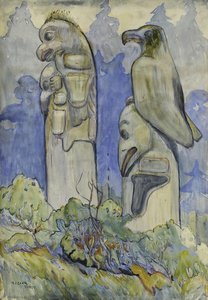
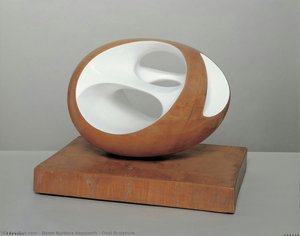
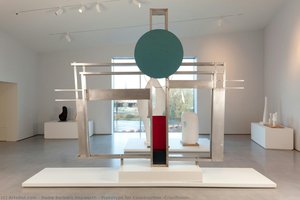

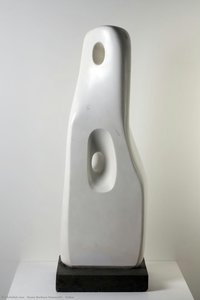
Biografija umetnika
A Legacy Woven in Cedar and Song: The Life of Willie Siwid
Willie Siwid, also known by the profound titles Chief Hilamas, The One Able To Set Things Right, Smoky Top, and Kwaxitola, is a contemporary master carver deeply rooted in the traditions of the Kwakwaka’wakw people. Born into a lineage steeped in artistic excellence, his life embodies a commitment to preserving and revitalizing the cultural heritage of his nation on Vancouver Island, British Columbia. While specific details regarding his birthdate remain respectfully private within the community, Willie Siwid's presence is undeniably vital in the ongoing narrative of Northwest Coast art. He isn’t simply an artist; he is a keeper of stories, a conduit to ancestral wisdom, and a powerful force ensuring the continuity of Kwakwaka’wakw identity. His artistic journey began not as a formal education but as an immersive apprenticeship under the guidance of his father, Henry Siwid, a renowned carver himself. This early training wasn't merely about mastering technical skills—it was about understanding the spiritual significance embedded within each form, each line, and each color. He learned to listen to the cedar, to recognize its spirit, and to allow that spirit to guide his hands.The Language of Transformation: Siwid’s Artistic Style
Willie Siwid's work is instantly recognizable for its dynamic energy, meticulous detail, and profound connection to traditional iconography. He primarily works with red cedar, transforming massive logs into breathtaking sculptures that depict figures from Kwakwaka’wakw mythology – the Thunderbird, Raven, Killer Whale, and a host of ancestral beings. His carvings aren't static representations; they are imbued with movement and life, often capturing moments of transformation or powerful narrative events. The use of negative space is particularly striking in his pieces, creating an interplay between form and void that draws the viewer into the story being told. Siwid’s palette typically features vibrant shades of red, black, ochre, and blue-green, derived from natural pigments, further emphasizing the connection to the land and ancestral practices. Beyond monumental sculptures, he excels in a variety of forms including masks, totem poles, drums, and paddles, each piece serving as a vessel for cultural knowledge and spiritual power. He doesn’t shy away from incorporating innovative techniques while remaining deeply respectful of traditional methods, demonstrating a delicate balance between honoring the past and embracing contemporary expression.Influences: Ancestral Voices and Contemporary Responsibilities
The most significant influence on Willie Siwid's art is undoubtedly his ancestral heritage. He carries the weight of generations of carvers before him, drawing inspiration from family crests, inherited stories, and the rich oral traditions of the Kwakwaka’wakw people. His father, Henry Siwid, instilled in him not only technical proficiency but also a deep understanding of the protocols surrounding art creation, emphasizing the importance of respecting the spirits represented and adhering to traditional forms. Beyond his immediate family, Willie acknowledges the influence of other master carvers within the Kwakwaka’wakw community, learning from their techniques and interpretations of ancestral stories. However, Siwid's work is not simply a replication of past styles; it reflects a contemporary sensibility shaped by the challenges and opportunities facing Indigenous communities today. He actively uses his art as a means of cultural revitalization, educating younger generations about Kwakwaka’wakw history and traditions. His pieces often address themes of environmental stewardship, reconciliation, and the importance of preserving Indigenous languages and knowledge systems.Major Achievements and Historical Significance
Willie Siwid's contributions to the art world extend far beyond the beauty and craftsmanship of his individual pieces. He has played a pivotal role in fostering cultural pride within the Kwakwaka’wakw community, mentoring aspiring artists and actively participating in cultural events. His work is featured in prestigious collections worldwide, including museums and private galleries, bringing Kwakwaka’wakw art to a global audience.- He has completed numerous large-scale public commissions
- His carvings have been instrumental in repatriation efforts, returning cultural artifacts to their rightful communities.
- Siwid is a sought-after instructor, sharing his knowledge and skills with students of all backgrounds.
![Willie Siwid [Siwiti]/Chief Hilamas/The One Able To Set Things Right/Smoky Top/Kwaxitola](/media/artworks/images/thumbnails/e1/3c/e13cece993cd4ac680482e1eaf5fd71b.jpg)
Osnovne informacije
- Date Of Death: Living
- Full Name: Willie Siwid
- Other Names:
- Chief Hilamas
- The One Able To Set Things Right
- Smoky Top
- Kwaxitola
Povezani članci

Bronze Sculptures That Defined Art History | ArtsDot
Journey through art history with our Top 10 bronze sculptures! Explore masterpieces by Rodin, Michelangelo & more. Discover stories behind iconic statues and find museum-quality reproductions for your home decor at ArtsDot.com.

The Enduring Form: Exploring Themes & Techniques in Sculpture Across Historical Periods
Explore the rich history of sculpture from ancient masterpieces to contemporary innovations. Discover key techniques, influential artists & investment potential for discerning art collectors.

The Enduring Form: Sculpture Across History, Technique & Emotional Resonance
Explore the rich history of sculpture with ArtsDot. Discover key techniques, influential artists & investment potential for discerning collectors. Expert insights into valuing and collecting timeless masterpieces.

Bronze Age to Modern Masters: 10 Sculptures That Redefined Art | ArtsDot
Journey through art history with 10 legendary bronze sculptures – from Michelangelo's David to Rodin’s Thinker. Explore the stories, techniques & timeless beauty of these masterpieces. Find museum-quality reproductions & elevate your home decor on ArtsDot.com.
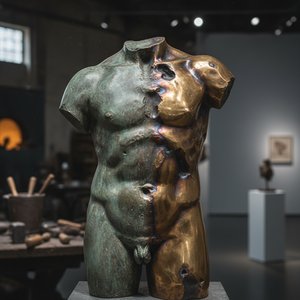
Nasleđe bronze: Istorija, tehnike i savremene interpretacije skulpture – vodič za kolekcionare
Istražite bogatu istoriju bronze i tehnike livenja skulptura. Saveti za kolekcionare, investiciono vrednovanje i savremene interpretacije aluminijumske bronze. ArtsDot – stručnjaci za umetnost.

