

 Pregledaj u prostoru
 Pošalji
 Podeli
 Detalji o delu

 Преузми
 Slični predmeti
 Rendgenski snimak
 Slajdovi
 Stats
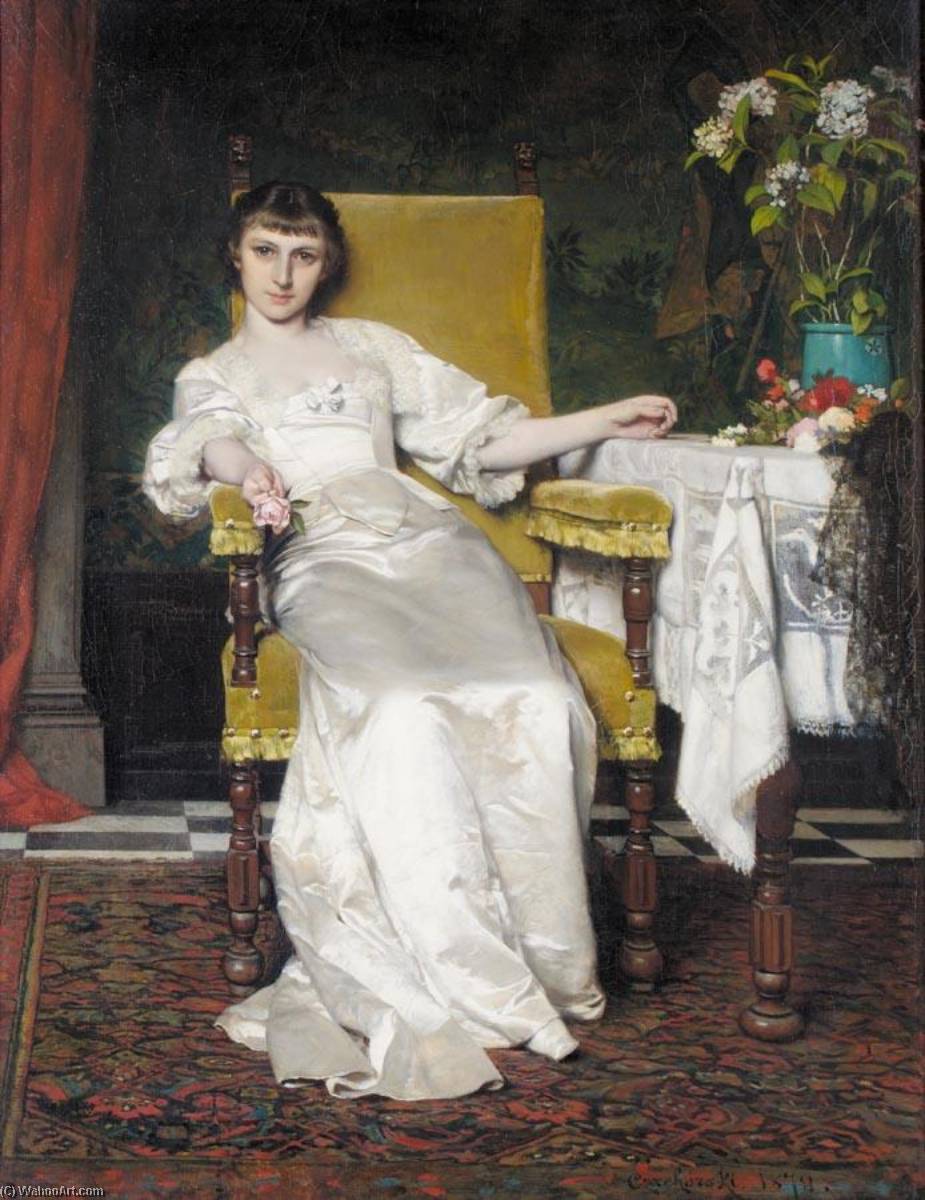
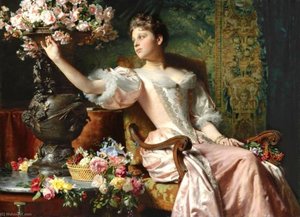
StatsLady with a Rose

 Pročitaj više
Giclee štampa / Umetnički otisak
Giclée štampa ili print na platnu muzejskog kvaliteta uz brzu proizvodnju i fleksibilne opcije završne obrade. ( Kupi ručno naslikanu sliku Switch to Digital Image)




































Izaberite jednu od naših unapred definisanih veličina koje odgovaraju originalnim proporcijama umetničkog dela.

Možete uneti sopstvene dimenzije kako biste umetničko delo prilagodili specifičnom okviru ili prostoru. Ako odabrani format ne odgovara proporcijama originalne slike, mi ćemo ili iscrtati deo dela ili proširiti sliku pomoću ogledane ivice ili jednobojnog popunjavanja. Digitalni prikaz će vam biti poslat na odobrenje pre početka proizvodnje.
Imajte na umu da pregled na ekranu ne odražava stvarno iscrtavanje ili proširivanje. Samo će prikaz (mockup) precizno pokazati finalnu kompoziciju.
Iako su prilagođene dimenzije dostupne, preporučujemo da odaberete dimenziju sa unapred definisane liste kako biste očuvali originalne proporcije.
Dostava širom sveta () za 2 nedelje umesto uobičajenih 4/5 nedelja. (7 септембар)

Besplatna ekspresna dostava širom sveta

Visokokvalitetno laneno platno

Kompletno osiguranje transporta

Garancija povraćaja carine i uvoznih dažbina

Garancija vernosti boja

Politika povraćaja u roku od 100 dana (isključivo u slučaju nedostataka)

Garancija povrata novca od 100%

Popust pri grupnoj kupovini
 Opcija sa staklom dostupna je samo za dimenzije manje od 110 cm

Lady with a Rose
Giclee štampa / Umetnički otisak
Dimenzije reprodukcije
-


Konačna cena
$ 62
Srodna umetnička dela







Biografija umetnika
The Elegance of Academic Detail: The Life and Legacy of Władysław Czachórski
Władysław Czachórski stands as a luminous figure in the tapestry of Polish art history, a master whose brush captured the very essence of 19-century elegance. Born in 1850 in Lublin, during a period when Poland resided under Russian dominion, Czachórski’s journey was one of profound movement and academic rigor. His artistic soul was forged through a series of prestigious encounters with Europe's most esteemed institutions. From his foundational training at the School of Fine Arts in Warsaw to the disciplined halls of the Dresden Academy, each step refined his ability to translate reality into something far more poetic. However, it was his time at the Munich Academy of Fine Arts—studying under luminaries such as Hermann Anschütz, Alexander Wagner, and Karl von Piloty—that truly crystallized his devotion to the Munich School, a movement that would define his meticulous approach to realism.
The development of Czachórski’s style was not merely a product of classroom instruction but of a deep, wandering curiosity for the classical world. His transformative journey through Italy between 1874 and 1877 allowed him to breathe the air of Rome and Florence, immersing himself in the artistic heritage that had shaped the Renaissance and Baroque masters. This period of pilgrimage infused his work with a sophisticated understanding of light and historical grandeur. He did not simply paint scenes; he reconstructed eras. His canvases became windows into the opulent interiors of the Baroque and Rococo periods, where every fold of silk, every glint of gold, and every shadow in a corner spoke of an aristocratic life lived with grace and dramatic intensity.
Mastery of Narrative and the Shakespearean Spirit
What truly distinguishes Czachórski from his contemporaries was his ability to marry technical perfection with profound psychological depth. While many academic painters focused solely on the surface beauty of their subjects, Czachórski sought the heartbeat beneath the finery. This is most strikingly evident in his celebrated interpretations of Shakespearean tragedies. In works such as Hamlet and Juliet’s Funeral, he moved beyond mere illustration to create evocative atmospheres that resonate with the weight of human emotion. He utilized the dramatic chiaroscuro and rich textures of the academic style to capture the tension, grief, and nobility inherent in these timeless dramas, making the theatricality of the stage feel intimately present on the canvas.
Beyond the grand stages of literature, his genre scenes and portraits remain some of his most enduring achievements. His ability to depict the quiet, intimate moments of life—a woman lost in thought, a figure draped in vibrant crimson, or the delicate beauty of flowers—showcases a versatility that bridged the gap between historical epic and romantic portraiture. His technique was characterized by:
- Meticulous Observation: A relentless dedication to the textures of fabric, skin, and light that defined the Munich School's realism.
- Psychological Nuance: The capacity to imbue his subjects with a sense of internal life and silent storytelling.
- Historical Veracity: An expert command over the aesthetic details of past centuries, from Rococo ornamentation to Baroque grandeur.
Ultimately, Władysław Czachórski’s significance lies in his role as a bridge between tradition and emotion. He took the rigid, disciplined structures of academicism and breathed into them a romantic vitality. Though he passed away in Munich in 1911, his legacy persists through works that continue to captivate the modern eye with their sumptuous beauty and their ability to evoke the lost splendor of a bygone age.
wladyslaw czachórski
1850 - 1911
Osnovne informacije
- Artistic Movement Or Style: Academic Art Style
- Artists Or Movements Influenced By This Artist: ['Impressionism']
- Artists Who Influenced This Artist: ['Rafał Hadziewicz']
- Date Of Birth: December 27, 1850
- Date Of Death: July 12, 1911
- Full Name: Władysław Czachórski
- Nationality: Polish
- Notable Artworks:
- Juliet's Funeral
- Hamlet Receiving the Players
- Place Of Birth: Lublin, Poland