

 Pregledaj u prostoru
 Pošalji
 Podeli
 Detalji o delu

 Преузми
 Slični predmeti
 Rendgenski snimak
 Slajdovi
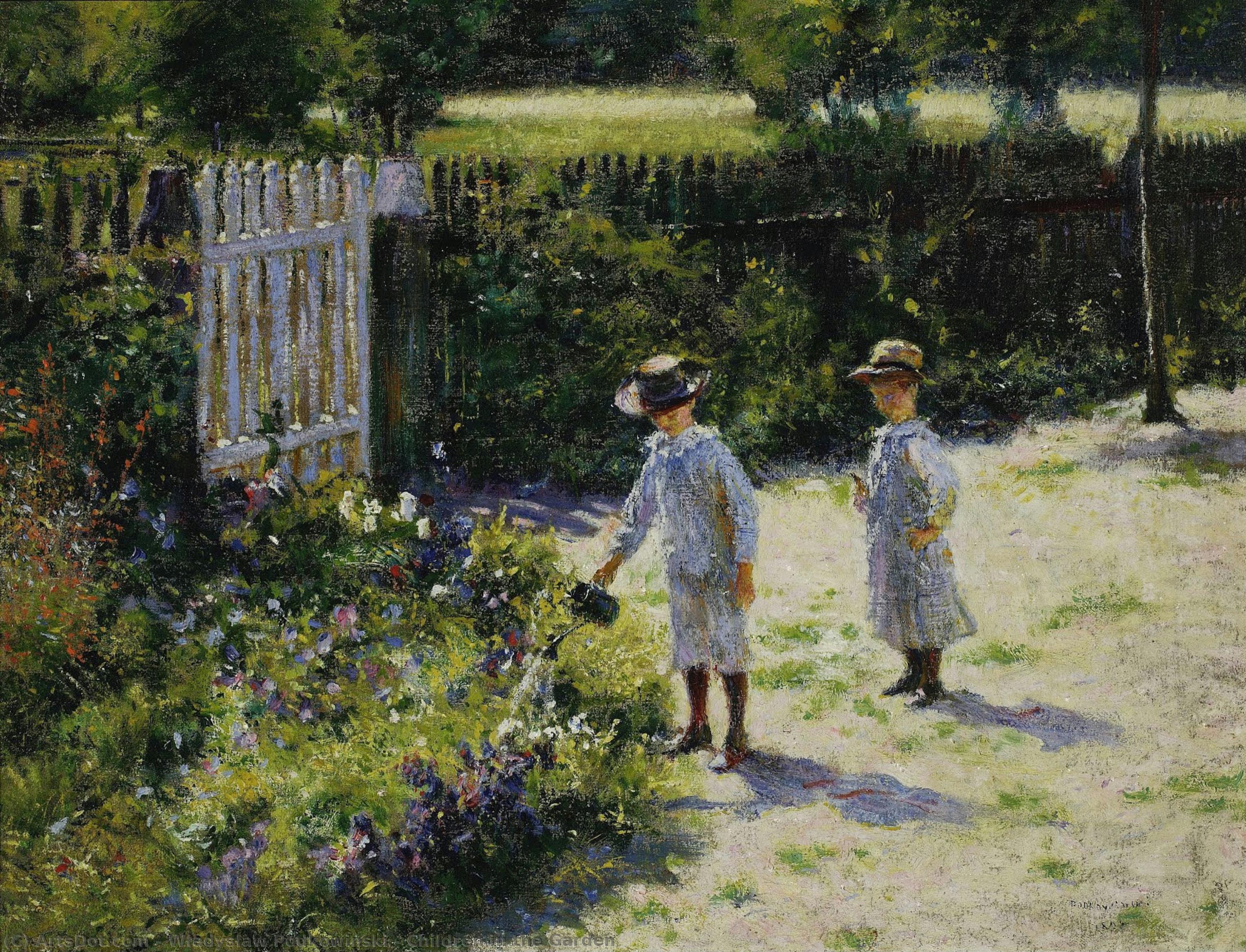
Children in the Garden
 Oil
Oil- WallArt
- Impressionism
 19th Century
 62.0 x 47.0 cm
 Narodni muzej u Varšavi
 Pročitaj više
Kupite digitalnu sliku visoke rezolucije i poboljšanog kvaliteta, koja je znatno superiornija od onoga što vidite u online prikazu.
Svaka datoteka je pedantno pripremljena od strane naših stručnjaka koristeći napredne alate i profesionalnu ručnu retušu. Osiguravamo da svaka slika ima izuzetnu oštrinu, preciznu reprodukciju boja i fine detalje.
Konačna datoteka se dostavlja putem e-pošte u roku od 72 sata, optimizovana za neposrednu upotrebu u profesionalnim, izdavačkim i štamparskim okruženjima. To je isti kvalitet kojem veruju vrhunski studiji dizajna, izdavači i galerije.
Digitalna slika
Preuzmite datoteku visoke rezolucije za ličnu upotrebu, štampanje i kreativne projekte. ( Kupi print Kupi ručno naslikanu sliku)
Uključeno uz svaku porudžbinu digitalne slike
Profesionalna digitalna isporuka, zagarantovana
Kada odaberete ArtsDot.com, ne dobijate samo sliku – vi primate profesionalno unapređeno digitalno umetničko delo, izrađeno sa najvećom preciznošću i uz garanciju zadovoljstva. Evo svega što automatski dolazi uz vašu porudžbinu:

Brza dostava putem e-pošte
Vaša digitalna slika visoke rezolucije biće vam poslata putem e-pošte u roku od 72 sata od poručivanja – spremna za trenutnu upotrebu.

Digitalna datoteka unapređena veštačkom inteligencijom
Vaše umetničko delo je profesionalno optimizovano korišćenjem naprednih AI alata i ručne obrade, čime se osiguravaju maksimalni detalji, oštrina i preciznost boja.

Besplatna ponovna isporuka doživotno
Slučajno ste obrisali ili izgubili svoju datoteku? Ne brinite – poslaćemo vam je ponovo u bilo kom trenutku, potpuno besplatno.

Bez troškova uvoza – zauvek
Uživajte u svojim umetničkim delima trenutno, bez carine, dažbina ili troškova dostave – digitalni download je uvek bez poreza.

Garancija vernosti boja
Uz pomoć profesionalnih alata i upravljanja bojama, osiguravamo da vaša digitalna slika što vernije odražava originalne boje.

Garancija zadovoljstva u roku od 100 dana
Ako niste zadovoljni svojom digitalnom slikom, revidirat ćemo je ili vratiti 100% novca u roku od 100 dana – bez ikakvih pitanja.

100% garancija povrata novca
Niste zadovoljni? Obezbedite pun povrat novca u roku od 100 dana od trenutka kada ste primili svoju digitalnu datoteku – bez suvišnih pitanja.

Popusti na velike porudžbine
Kupite 3 slike, uštedite 10% - Kupite 5 slika, uštedite 15% - Kupite 10+ slika, uštedite 20%. Odlično za kreativne projekte, galerije i agencije.
A Sun-Drenched Moment in Chrzęsne
In the delicate brushstrokes of Władysław Podkowiński’s Children in the Garden, we find a breathtaking window into a lost era of pastoral innocence. Painted in 1892, this masterpiece captures a fleeting summer afternoon at a family estate in the village of Chrzęsne. The scene is far more than a simple garden portrait; it is a profound meditation on light and growth. At the heart of the composition, two young boys—the future philosopher Tadeusz Kotarbiński and the future painter Mieczysław Kotarbiński—are immersed in the simple joy of tending to a flowerbed. Through Podkowiński’s eyes, we do not merely see children playing; we witness the very essence of vitality as they interact with the blossoming flora that surrounds them.
The painting serves as a poignant testament to the artist's transformative journey. Having been deeply moved by the works of Claude Monet during his pivotal visit to Paris in 1889, Podkowiński brought the revolutionary spirit of French Impressionism back to Poland. In this work, his mastery of light is undeniable. He captures the way sunlight filters through the garden, illuminating the petals and casting soft, dancing shadows across the earth. The composition is expertly structured along a diagonal line, leading the viewer's eye through a lush foreground of meticulously observed vegetation, creating a sense of depth that pulls the observer directly into the warmth of the summer day.
A Symphony of Color and Technique
Technically, Children in the Garden is a triumph of color theory and atmospheric precision. Podkowiński employs a sophisticated palette that balances warm and cool tones to evoke a sense of natural harmony. The dominant golds and vibrant greens of the sunlit garden are masterfully complemented by subtle whispers of grey, violet, and light blue. This interplay of hues creates a shimmering effect, mimicking the way light vibrates on a bright afternoon. His technique, characterized by a skilled observation of nature, allows the textures of the leaves and the softness of the children's clothing to feel almost tactile.
For the discerning collector or interior designer, this piece offers an unparalleled emotional resonance. It possesses a rare ability to breathe life into a room, providing a focal point that is both tranquil and invigorating. The painting’s subject matter—the purity of childhood and the eternal cycle of nature—makes it a timeless addition to any curated space. Whether placed in a sunlit morning room or a sophisticated study, a high-quality reproduction of this work brings with it an aura of historical elegance and a sense of peaceful nostalgia. It is an invitation to pause, to breathe, and to rediscover the enchantment found in life's most quiet, beautiful moments.
Srodna umetnička dela
Biografija umetnika
Early Life and Education
- Born: Warsaw, Poland, February 4, 1866
- Died: Warsaw, Poland, January 5, 1895 (aged 28)
- Władysław Podkowiński began his artistic journey at Wojciech Gerson's drawing school in Warsaw.
- He continued his studies at the Warsaw Academy of Fine Arts from 1880 to 1884.
- In 1885-1886, he studied at the Imperial Academy of Arts in St. Petersburg alongside Józef Pankiewicz.
Artistic Development and Influences
- Early Career: Following his graduation, Podkowiński contributed illustrations to leading Warsaw art journals. He worked as an illustrator for *Tygodnik Ilustrowany* magazine.
- Impressionist Influence: A pivotal trip to Paris in 1889 profoundly influenced him, introducing him to French Impressionist painters like Claude Monet. This marked a shift towards capturing fleeting visual impressions and using light effectively. He is credited with bringing Impressionism to Poland.
- Symbolist Turn: Towards the end of his life, Podkowiński's artistic style evolved toward Symbolism, reflecting a more introspective and emotionally charged approach. His failing health may have contributed to this shift.
Key Works and Artistic Style
- Early Impressionistic Landscapes: Notable works from this period include landscapes painted in Mokra Wieś and Chrzęstne, showcasing shimmering effects of sunlight (e.g., *Chłopiec w Stawie - Mokra Wieś*, *W ogrodzie*).
- Urban Scenes: He captured the changing appearances of Warsaw's Nowy Świat Street throughout different seasons (*Ulica Nowy Świat w Warszawie w dzień letni*, *Ulica Nowy Świat w Warszawie w dzień zimowy*).
- "Frenzy of Exultations" (Szał uniesień): This is arguably his most famous and controversial painting. Exhibited in 1894, it sparked public outcry and was later slashed by the artist himself during an exhibition. It's now prominently displayed at the Sukiennice Museum in Kraków.
- Style: Podkowiński’s style combined Impressionistic techniques with emerging Symbolist themes. He used small brushstrokes, emphasized light and shadow contrasts, and explored emotional depth in his compositions.
Historical Significance and Legacy
- Young Poland Movement: Podkowiński was a significant figure within the Young Poland movement, which aimed to modernize Polish art and culture during the Partition period.
- Pioneer of Modernism: He is considered a pioneer of Polish modernism, bridging the gap between Realism and Impressionism and paving the way for Symbolist and later artistic movements.
- Short but impactful career: Despite his tragically short life (he died at 28 from tuberculosis), Podkowiński left a lasting impact on Polish art, influencing subsequent generations of artists.
Further Exploration
- Wikipedia Article: Władysław Podkowiński - Wikipedia
- ArtsDot Artist Page: władysław podkowiński
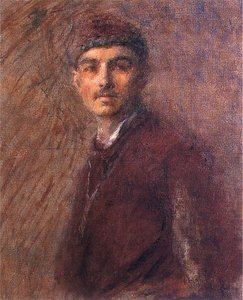
władysław podkowiński
1866 - 1895 , Poland
Kratke činjenice
- Artistic Movement Or Style:
- Impressionism
- Symbolism
- Artists Or Movements Influenced By This Artist: ['Young Poland movement']
- Artists Who Influenced This Artist:
- Aleksander Gierymski
- Claude Monet
- Date Of Birth: February 4, 1866
- Date Of Death: January 5, 1895
- Full Name: Władysław Podkowiński
- Nationality: Polish
- Notable Artworks:
- Frenzy of Exultations
- Wet Village
- Children in the Garden
- Landscape with a Haystack
- Conversation (Confessions)
- Nowy Swiat Street in Warsaw
- Self-portrait
- Study of a blonde
- Place Of Birth: Warsaw, Poland