

 Pregledaj u prostoru
 Pošalji
 Podeli
 Detalji o delu

 Преузми
 Slični predmeti
 Rendgenski snimak
 Slajdovi
 Stats
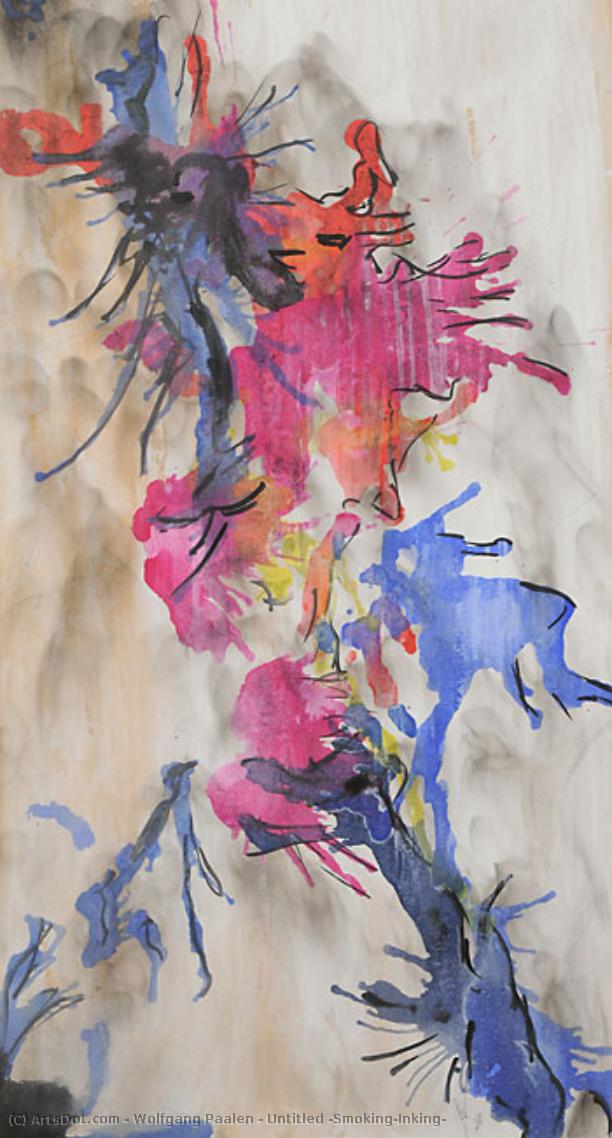
StatsUntitled (Smoking-Inking)


 Pročitaj više
Ručno rađena uljana reprodukcija
Ručno oslikano uljanim bojama na platnu u dimenzijama i okviru po vašem izboru, izrađeno po porudžbini od strane naših umetnika. ( Switch to Print Switch to Digital Image)




































Izaberite jednu od naših unapred definisanih veličina koje odgovaraju originalnim proporcijama umetničkog dela.

Можете унети сопствене димензије како бисте прилагодили дело одређеном оквиру или простору. Ако одабрана величина не одговара пропорцијама оригинала, слика ће бити исечена или проширена додатним елементима који се ручно насликавају. Дигитални prikaz ће вам бити послат на одобрење пре почетка производње.
Имајте на уму да преглед на екрану не одражава стварно исецање или проширење. Само приказ (mockup) ће тачно приказати коначну композицију.
Иако су доступне прилагођене величине, препоручујемо да одаберете димензију из дефинисане листе како бисте сачували оригиналне пропорције.
Nakon narudžbine, tim ArtsDot.com će klijentu putem e-pošte poslati uputstva i dostaviti prikaz predloženog rešenja
Isporuka širom sveta () za 3/4 nedelje umesto uobičajenih 5 nedelja. (7 септембар). Bez kompromisa po pitanju kvaliteta.

Besplatna ekspresna dostava širom sveta

Visokokvalitetno laneno platno

Kompletno osiguranje transporta

Garancija povraćaja carine i uvoznih dažbina

Garancija vernosti boja

Politika povraćaja u roku od 100 dana (isključivo u slučaju nedostataka)

Garancija povrata novca od 100%

Popust pri grupnoj kupovini
 Opcija sa staklom dostupna je samo za dimenzije manje od 110 cm

Untitled (Smoking-Inking)
Tehnika reprodukcije
Dimenzije reprodukcije
-


Konačna cena
$ 263
Srodna umetnička dela
Biografija umetnika
Early Life and Formation of a Visionary
Wolfgang Paalen, born in Vienna in 1905 into a family steeped in both wealth and intellectual curiosity, embarked on an artistic journey that would defy easy categorization. His father, Gustav Robert Paalen, was a successful inventor – the mind behind innovations like the vacuum cleaner and Thermos bottle – whose own background blended Polish-Ashkenazi and Spanish-Sephardic heritage. This confluence of cultures perhaps instilled in young Wolfgang a predisposition towards exploring boundaries and challenging conventions. A privileged upbringing afforded him a broad education, encompassing music—particularly the complex structures of Johann Sebastian Bach—and an early fascination with the classical world fostered during family sojourns in Rome. These formative experiences laid the groundwork for a mind that would synthesize diverse influences into a unique artistic language. Initial guidance came from German painter Leo von König, nurturing Paalen’s nascent talent and setting him on a path toward artistic expression. Even then, however, his intellectual pursuits extended beyond purely aesthetic concerns; he was deeply engaged with the philosophical currents of his time, absorbing the ideas of Nietzsche and Schopenhauer, and intrigued by the Gestalt theory of Max Wertheimer – concepts that would profoundly shape his later explorations of perception and form.Surrealism, Innovation, and a Critical Spirit
By 1935, Paalen had gravitated towards the heart of the Parisian avant-garde, joining the Surrealist movement at a pivotal moment. He quickly became a prominent figure within the group, contributing to exhibitions and engaging with its leading thinkers. However, even amidst this creative ferment, Paalen remained an independent spirit. Prior to fully embracing Surrealism, he had been involved with Abstraction-Création, demonstrating an early commitment to non-representational art. It was during his time with the Surrealists that he developed what would become his signature technique: *fumage*. This innovative process involved using the soot from candles or kerosene lamps as a foundational element in his paintings, creating ethereal, dreamlike textures and forms upon which he built more defined imagery with oil paint. Fumage wasn’t merely a technical novelty; it was an attempt to tap into the subconscious, allowing chance and intuition to guide the initial stages of creation – aligning perfectly with Surrealist principles. Yet, Paalen's engagement with Surrealism was never unconditional. As time progressed, he grew increasingly critical of what he perceived as its rigid adherence to Freudo-Marxism and its tendency towards radical subjectivism. This intellectual divergence ultimately led him to found *DYN* in Mexico, a journal that served as a platform for his evolving ideas and a challenge to the prevailing orthodoxies within the Surrealist movement.Exile, DYN, and the Seeds of Abstract Expressionism
The outbreak of World War II forced Paalen into exile, an experience that would profoundly alter the course of his life and art. Invited by Frida Kahlo, he sought refuge in Mexico, a country whose vibrant culture and ancient traditions resonated deeply with his artistic sensibilities. It was here that he launched *DYN* (1942-1944), a journal that transcended the boundaries of an art magazine to become a philosophical treatise. Through its pages, Paalen articulated his critique of Surrealism, advocating for a more open and dynamic approach to artmaking – one grounded in contingency and perception rather than predetermined ideologies. DYN wasn’t widely circulated, but it exerted a significant influence on a generation of American artists who were beginning to forge their own path towards abstraction. Figures like Robert Motherwell, Jackson Pollock, Barnett Newman, and Mark Rothko devoured its contents, finding in Paalen's writings a theoretical framework for their own explorations of form, color, and emotion. In this sense, Paalen can be seen as a crucial – though often overlooked – precursor to Abstract Expressionism, providing intellectual fuel for the movement that would soon dominate the art world.Later Years: Spaciales, Indigenous Influences, and Legacy
Paalen’s artistic journey continued after *DYN*, marked by periods of both engagement with and distance from the Surrealist group. He briefly rejoined them between 1951 and 1954 during a sojourn in Paris, but his creative energies were increasingly focused on developing what he termed “Spaciales” – paintings that sought to create immersive spatial environments through an extension of his *fumage* technique. These works aimed to dissolve the boundaries between the canvas and the viewer’s space, inviting a more visceral and participatory experience. Simultaneously, Paalen became deeply captivated by indigenous art, particularly the totem poles of North America and the pre-Columbian artifacts of Mexico. He saw in these forms a profound connection to nature and a spiritual depth that resonated with his own evolving worldview. These influences found their way into his later paintings, adding layers of symbolism and meaning to his already complex compositions. Wolfgang Paalen died in Taxco, Mexico, in 1959, leaving behind a body of work that continues to challenge and inspire. His legacy lies not only in his technical innovations – like *fumage* – but also in his philosophical contributions and his role as a catalyst for the development of Abstract Expressionism. He was a true visionary, an artist who dared to question established norms and forge his own path towards a more expansive understanding of art and consciousness.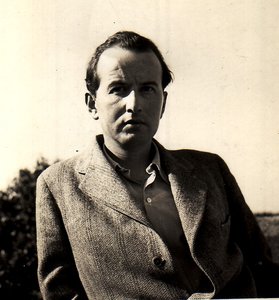
Wolfgang Paalen
1905 - 1959 , Austria
Osnovne informacije
- Artistic Movement Or Style: Surrealism, Abstract Expressionism
- Artists Or Movements Influenced By This Artist:
- Pollock
- Motherwell
- Newman
- Rothko
- Artists Who Influenced This Artist:
- Nietzsche
- Schopenhauer
- Max Wertheimer
- Date Of Birth: July 22, 1905
- Date Of Death: Sept 24, 1959
- Full Name: Wolfgang Paalen
- Nationality: Austrian-Mexican
- Notable Artworks:
- Untitled (Smoking-Inking)
- Les Cosmogones
- Paysage Cassis II
- Place Of Birth: Vienna, Austria