

 Pregledaj u prostoru
 Pošalji
 Podeli
 Detalji o delu

 Преузми
 Slični predmeti
 Rendgenski snimak
 Slajdovi
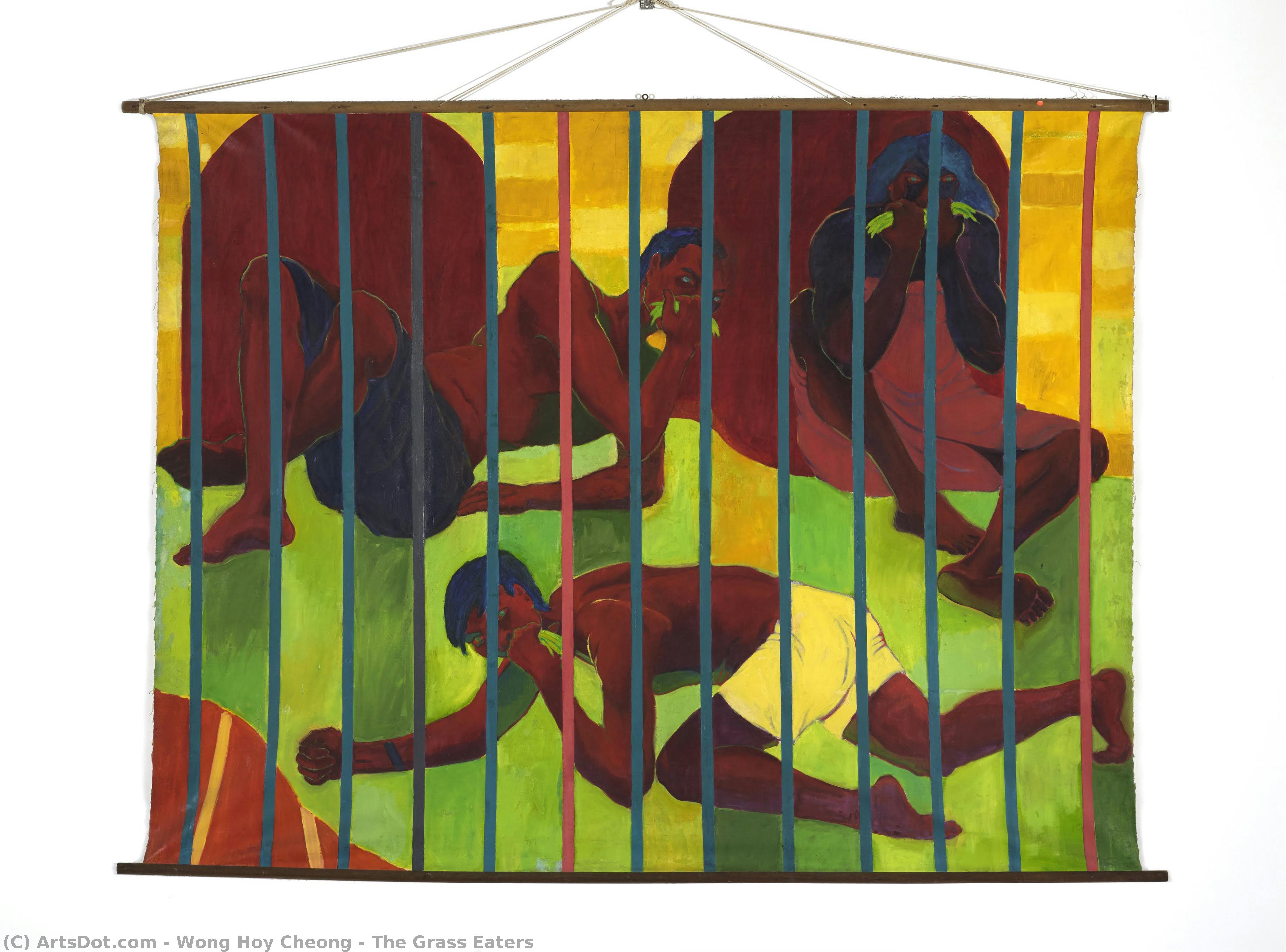
The Grass Eaters
 Painting
- Contemporary Art
 1985
1985- Contemporary
 163.0 x 210.0 cm
 ILHAM Gallery
 Pročitaj više
Kupite digitalnu sliku visoke rezolucije i poboljšanog kvaliteta, koja je znatno superiornija od onoga što vidite u online prikazu.
Svaka datoteka je pedantno pripremljena od strane naših stručnjaka koristeći napredne alate i profesionalnu ručnu retušu. Osiguravamo da svaka slika ima izuzetnu oštrinu, preciznu reprodukciju boja i fine detalje.
Konačna datoteka se dostavlja putem e-pošte u roku od 72 sata, optimizovana za neposrednu upotrebu u profesionalnim, izdavačkim i štamparskim okruženjima. To je isti kvalitet kojem veruju vrhunski studiji dizajna, izdavači i galerije.
Digitalna slika
Preuzmite datoteku visoke rezolucije za ličnu upotrebu, štampanje i kreativne projekte. ( Kupi print Kupi ručno naslikanu sliku)
Uključeno uz svaku porudžbinu digitalne slike
Profesionalna digitalna isporuka, zagarantovana
Kada odaberete ArtsDot.com, ne dobijate samo sliku – vi primate profesionalno unapređeno digitalno umetničko delo, izrađeno sa najvećom preciznošću i uz garanciju zadovoljstva. Evo svega što automatski dolazi uz vašu porudžbinu:

Brza dostava putem e-pošte
Vaša digitalna slika visoke rezolucije biće vam poslata putem e-pošte u roku od 72 sata od poručivanja – spremna za trenutnu upotrebu.

Digitalna datoteka unapređena veštačkom inteligencijom
Vaše umetničko delo je profesionalno optimizovano korišćenjem naprednih AI alata i ručne obrade, čime se osiguravaju maksimalni detalji, oštrina i preciznost boja.

Besplatna ponovna isporuka doživotno
Slučajno ste obrisali ili izgubili svoju datoteku? Ne brinite – poslaćemo vam je ponovo u bilo kom trenutku, potpuno besplatno.

Bez troškova uvoza – zauvek
Uživajte u svojim umetničkim delima trenutno, bez carine, dažbina ili troškova dostave – digitalni download je uvek bez poreza.

Garancija vernosti boja
Uz pomoć profesionalnih alata i upravljanja bojama, osiguravamo da vaša digitalna slika što vernije odražava originalne boje.

Garancija zadovoljstva od 100 dana
Ako niste zadovoljni svojom digitalnom slikom, izvršićemo reviziju ili ćemo vam vratiti 100% novca u roku od 100 dana – bez ikakvih pitanja.

100% garancija povrata novca
Niste zadovoljni? Dobijte puni povraćaj novca u roku od 100 dana od prijema digitalne datoteke – bez suvišnih pitanja.

Popusti na velike porudžbine
Kupite 3 slike, uštedite 10% - Kupite 5 slika, uštedite 15% - Kupite 10+ slika, uštedite 20%. Odlično za kreativne projekte, galerije i agencije.
A Vivid Tapestry of Resilience and Memory
In the profound and evocative masterpiece The Grass Eaters, created in 1985 by the Malaysian visionary Wong Hoy Cheong, we are invited into a world that defies simple interpretation. At first glance, the eye is met with an explosion of vibrant colors that dance across a massive 163 x 210 cm canvas, yet this chromatic brilliance serves as a veil for a much deeper, more complex narrative. The scene unfolds within the claustrophobic confines of a jail cell, where a group of individuals exists in a state of shared existence. Some figures are captured in moments of stillness, lying upon the ground, while others stand, their bodies weaving a human tapestry of connection and survival. It is a painting that breathes with the weight of history, pulling the viewer into a space where the boundaries between confinement and community begin to blur.
The composition is famously punctuated by an unexpected and surreal element: the presence of an elephant situated toward the left side of the frame. This inclusion transcends mere whimsy; it acts as a powerful symbolic anchor, perhaps representing the heavy, lumbering weight of memory or the untamable spirit of nature even within the most restrictive human structures. For collectors and decorators alike, this juxtaposition offers a profound intellectual depth. The elephant’s presence disrupts the realism of the prison setting, injecting a sense of magical realism that challenges the viewer to look beyond the physical bars and consider the expansive, often surreal landscapes of the human psyche and postcolonial identity.
The Intersection of Technique and Postcolonial Narrative
Wong Hoy Cheong’s technical approach in The Grass Eaters is a testament to his multidisciplinary mastery. The brushwork, while contributing to a cohesive scene, allows for a textured richness that makes the colors feel alive and pulsating. This fluidity of style mirrors the artist's own biography—a journey through global education and a deep engagement with the currents of migration and colonialism. Through his use of light and saturated hues, Wong transforms a setting of deprivation into one of intense sensory experience. The technique does not merely depict a scene; it constructs an atmosphere where the historical echoes of South Asia and the complexities of multiculturalism are felt through every stroke.
For those looking to integrate such a commanding piece into a curated interior, The Grass Eaters serves as a magnificent focal point. Its large scale and intense palette demand attention, making it an ideal centerpiece for a sophisticated gallery wall or a grand living space. The painting offers more than just aesthetic beauty; it provides a conversation starter that bridges the gap between fine art and social commentary. To possess a reproduction of this work is to bring into one's home a piece of profound historical inquiry—a window into the resilient spirit of those who find ways to exist, interact, and dream, even when surrounded by the shadows of confinement.
Srodna umetnička dela
Biografija umetnika
A Cartography of Identity: The World of Wong Hoy Cheong
Wong Hoy Cheong, born in George Town, Malaysia in 1960, is an artist whose work doesn’t simply reflect the complexities of a multicultural world—it actively excavates them. His journey began with a formal education spanning continents – a BA from Brandeis University, an MA in Education from Harvard, and an MFA from the University of Massachusetts, Amherst – but his true schooling came through a deep engagement with the currents of global migration, trade, colonialism, and their enduring postcolonial echoes. He isn’t merely *about* these forces; he operates within them, using art as a means to critique their impact on contemporary life both within and beyond South Asia.
Wong's artistic practice is remarkably fluid, refusing categorization. He moves seamlessly between drawing, painting, performance, installation, video, and online projects, each medium chosen for its unique capacity to dissect the layers of history and experience. This refusal of a singular approach speaks to his core belief in the multiplicity of narratives; there isn’t one truth to be found, but rather a constellation of perspectives shaped by power dynamics and individual encounters. His early work often grappled with personal memory as a starting point for broader explorations of national identity, questioning the very foundations upon which it is built.
The Oscillations of Reality and Fiction
A defining characteristic of Wong’s recent output is its deliberate oscillation between reality and fiction. This isn't about creating escapist fantasies but rather a strategic blurring of boundaries to expose the constructed nature of truth itself. He employs irony and transgression not as ends in themselves, but as tools for unsettling conventional understandings. The project Re:Looking* (2002-03), born from a commission in Austria, exemplifies this approach. Initially conceived around Marco Polo’s travels, it evolved into a mock documentary imagining an explorer traveling *from* East to West and colonizing Europe – a powerful reversal that forces viewers to confront their own ingrained biases and assumptions about historical power structures.
This exploration of “reversed colonization” was deeply influenced by the post-9/11 climate, a period marked by manipulated information and the erosion of trust in authoritative sources. Wong recognized the ease with which narratives could be fabricated and sought to create a similar slipperiness within his own work, challenging viewers to question what they see and hear. The accompanying “living room” installation and TV station website further amplified this effect, immersing audiences in a world where fact and fiction were indistinguishable.
Sites of Power: Uncovering Hidden Histories
Wong’s engagement with specific locations is another crucial aspect of his practice. His series UNcover* (2015), created for the Ural Industrial Biennial in Yekaterinburg, Russia, demonstrates this beautifully. He photographed and created wax rubbings of manholes situated at politically significant sites – the President’s Residence, a church built on the site of the Romanov family's execution, military headquarters. These seemingly mundane features of the urban landscape become gateways to hidden histories, material imprints of power structures and the unseen networks that support them.
The choice of wax rubbings is particularly significant; it’s a deliberately physical process that demands direct engagement with the site, creating a tactile connection to the past. The photographs, viewed from above and below, offer alternative perspectives on these locations, free from personal or political bias. Wong sees history not as a fixed narrative but as contingent upon who holds power and whose stories are told – or suppressed. He strives to acknowledge all histories, even those that have been marginalized or forgotten.
A Global Perspective: Influence and Legacy
Wong Hoy Cheong’s work resonates with a broad range of artistic and intellectual traditions. His critique of colonialism echoes the postcolonial theories of Edward Said and Gayatri Chakravorty Spivak, while his exploration of identity draws inspiration from artists like Stuart Hall and Homi Bhabha. However, he isn't simply applying these ideas; he’s translating them into a uniquely visual language that is both intellectually rigorous and emotionally compelling.
His inclusion in major exhibitions such as the Biennale of Sydney and his representation within the collections of institutions like The Guggenheim Museums and Foundation attest to his growing international recognition. Wong Hoy Cheong isn't just an artist; he’s a cartographer of identity, meticulously mapping the complex terrain of history, migration, and power, inviting us to question our own assumptions and reimagine the world around us.
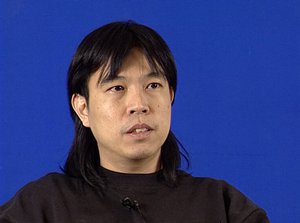
wong hoy cheong
1960 - , Malaysia
Kratke činjenice
- Artistic Movement Or Style: Multimedia art
- Date Of Birth: 1960
- Full Name: Wong Hoy Cheong
- Nationality: Malaysian
- Place Of Birth (City And Country): George Town, Malaysia