 Pregledaj u prostoru
 Pošalji
 Podeli
 Detalji o delu

 Преузми
 Slični predmeti
 Rendgenski snimak
 Slajdovi
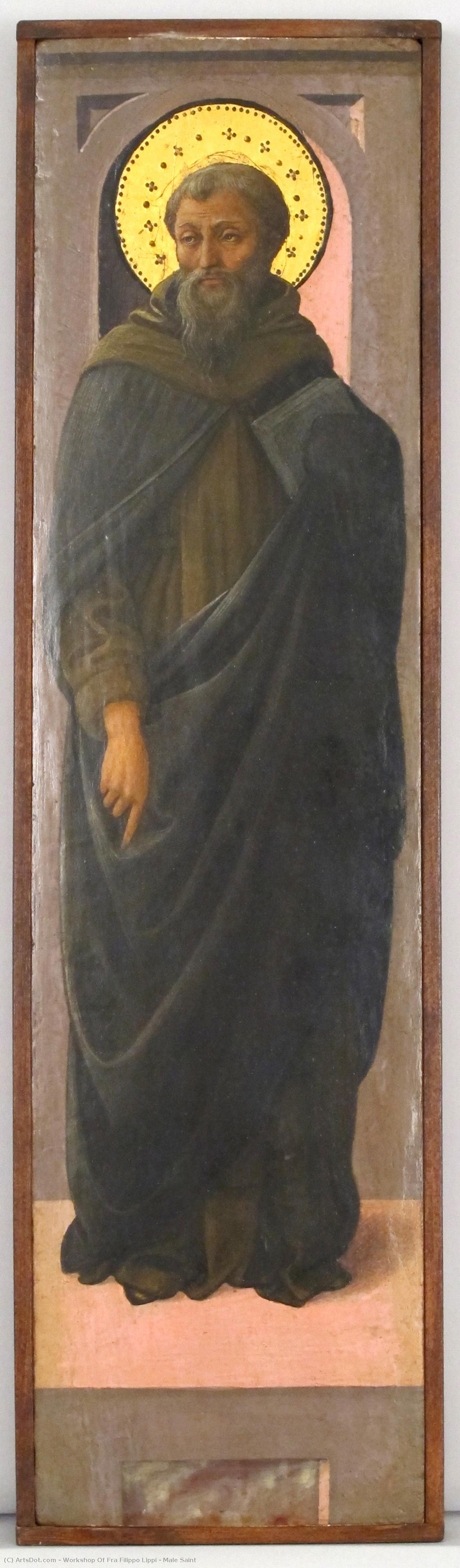
Male Saint
 Tempera On Panel
- Early Renaissance
 1469
1469- Renaissance
 48.0 x 13.0 cm
 Metropolitan Museum of Art
 Pročitaj više
Kupite digitalnu sliku visoke rezolucije i poboljšanog kvaliteta, koja je znatno superiornija od onoga što vidite u online prikazu.
Svaka datoteka je pedantno pripremljena od strane naših stručnjaka koristeći napredne alate i profesionalnu ručnu retušu. Osiguravamo da svaka slika ima izuzetnu oštrinu, preciznu reprodukciju boja i fine detalje.
Konačna datoteka se dostavlja putem e-pošte u roku od 72 sata, optimizovana za neposrednu upotrebu u profesionalnim, izdavačkim i štamparskim okruženjima. To je isti kvalitet kojem veruju vrhunski studiji dizajna, izdavači i galerije.
Digitalna slika
Preuzmite datoteku visoke rezolucije za ličnu upotrebu, štampanje i kreativne projekte. ( Kupi print Kupi ručno naslikanu sliku)
Uključeno uz svaku porudžbinu digitalne slike
Profesionalna digitalna isporuka, zagarantovana
Kada odaberete ArtsDot.com, ne dobijate samo sliku – vi primate profesionalno unapređeno digitalno umetničko delo, izrađeno sa najvećom preciznošću i uz garanciju zadovoljstva. Evo svega što automatski dolazi uz vašu porudžbinu:

Brza dostava putem e-pošte
Vaša digitalna slika visoke rezolucije biće vam poslata putem e-pošte u roku od 72 sata od poručivanja – spremna za trenutnu upotrebu.

Digitalna datoteka unapređena veštačkom inteligencijom
Vaše umetničko delo je profesionalno optimizovano korišćenjem naprednih AI alata i ručne obrade, čime se osiguravaju maksimalni detalji, oštrina i preciznost boja.

Besplatna ponovna isporuka doživotno
Slučajno ste obrisali ili izgubili svoju datoteku? Ne brinite – poslaćemo vam je ponovo u bilo kom trenutku, potpuno besplatno.

Bez troškova uvoza – zauvek
Uživajte u svojim umetničkim delima trenutno, bez carine, dažbina ili troškova dostave – digitalni download je uvek bez poreza.

Garancija vernosti boja
Uz pomoć profesionalnih alata i upravljanja bojama, osiguravamo da vaša digitalna slika što vernije odražava originalne boje.

Garancija zadovoljstva u roku od 60 dana
Ako niste zadovoljni svojom digitalnom slikom, revidirat ćemo je ili vratiti 100% novca u roku od 60 dana – bez ikakvih pitanja.

100% garancija povrata novca
Niste zadovoljni? Obezbedite pun povrat novca u roku od 60 dana od trenutka kada ste primili svoju digitalnu datoteku – bez suvišnih pitanja.

Popusti na velike porudžbine
Kupite 3 slike, uštedite 10% - Kupite 5 slika, uštedite 15% - Kupite 10+ slika, uštedite 20%. Odlično za kreativne projekte, galerije i agencije.
A Glimpse into Quattrocento Devotion: The Male Saint
To stand before this depiction of a male saint is to step directly into the vibrant, devotional atmosphere of the early Florentine Renaissance. Executed in 1469, this panel captures not merely a portrait, but a moment suspended between earthly contemplation and divine mystery. The subject, rendered with remarkable dignity, gazes out from the rich patina of time, holding a book that speaks volumes without uttering a single word. The very air around him seems thick with the scent of aged tempera paint and sacred incense.
Mastery in Tempera on Wood Panel
The technical brilliance evident here is immediately arresting. Painted in tempera on wood paneling, the artist—understood to be working within the orbit of Fra Filippo Lippi’s influential workshop—achieved a luminosity that belies the medium's inherent matte quality. The colors are described as rich and vibrant, suggesting an expert handling of pigments that allowed light to dance across the surface. Observe the careful modeling of the robes; the interplay between shadow and highlight gives the figure a profound sense of three-dimensionality, making the saint appear almost ready to step away from the panel and into your own space. This meticulous craftsmanship speaks to the high standards of Renaissance devotional art.
The Echoes of Lippi’s Workshop
While the hand that painted this specific piece remains unidentified, its lineage is undeniably tied to one of history's most compelling artistic crucibles: the circle of Fra Filippo Lippi. Lippi himself was a figure caught between monastic piety and burgeoning humanism, and his workshop absorbed and disseminated this unique tension. This saint embodies that spirit—a figure deeply rooted in religious tradition yet possessing an undeniable, gentle humanity. The composition is beautifully balanced; the subject commands attention while the surrounding elements ground him within what may have once been part of a larger sacristy adornment, suggesting he was meant to be viewed as part of a sacred narrative.
Symbolism and Enduring Presence
The book held by the saint is perhaps the most potent symbol. It represents scripture, wisdom, or the very tenets of his faith—a tangible connection to knowledge that transcends temporal boundaries. The beard and the solemn bearing contribute to an aura of venerable scholarship and spiritual authority. For the modern collector or designer, this piece offers more than mere decoration; it offers a focal point for contemplation. Reproducing such an artwork allows one to bring the quiet power of Renaissance spirituality into contemporary interiors, lending an air of cultivated history and profound depth.
Srodna umetnička dela
Biografija umetnika
The Enigmatic World of the Workshop of Fra Filippo Lippi
The name “Workshop of Fra Filippo Lippi” represents a fascinating, and often frustratingly ambiguous, presence in the early Renaissance art world. It isn’t a single artist we speak of, but rather a collective – the studio environment surrounding one of Florence's most innovative and personally compelling painters, Fra Filippo Lippi (c. 1406-1469). Understanding this workshop is crucial to appreciating not only Lippi’s prolific output, but also the dissemination of his style and the training of numerous artists who would carry his legacy forward. Lippi himself was a Carmelite friar, a fact that profoundly shaped both his life and art, creating a tension between religious devotion and a deeply humanistic sensibility. His early life remains somewhat shrouded in mystery; born to a goldsmith, he entered the monastery at a young age but quickly demonstrated an aptitude for painting, becoming a student of Masaccio.
Lippi’s initial training under Masaccio was pivotal. He absorbed Masaccio's revolutionary use of perspective and naturalism – the weight and volume of figures, the dramatic chiaroscuro (light and shadow) that gave his paintings an unprecedented sense of realism. However, Lippi wasn’t merely a copyist. He infused Masaccio’s innovations with a lyrical grace and elegance all his own. His early works, such as the Annunciation in the San Lorenzo Chapel, already hint at this distinctive style: figures are elongated, faces possess a delicate beauty, and compositions are imbued with a gentle narrative quality. This marked a departure from the more monumental and austere style of Masaccio, leaning towards a greater emphasis on decorative detail and emotional expression.
A Prolific Output & The Role of Assistants
Fra Filippo Lippi’s career was remarkably productive, yet complicated by his monastic vows and frequent commissions. He traveled extensively throughout Italy – Prato, San Gimignano, Spoleto – undertaking large-scale fresco cycles for churches and altarpieces. The sheer volume of work produced during his lifetime suggests a substantial workshop operation. While Lippi undoubtedly executed key elements of many paintings himself, particularly the faces and hands of central figures, he relied heavily on assistants to handle backgrounds, drapery, and less prominent details. Identifying the precise contributions of these assistants is often difficult, leading to ongoing scholarly debate about attribution.
The workshop functioned as a hierarchical system. Apprentices would begin with grinding pigments and preparing panels, gradually progressing to more complex tasks under the supervision of Lippi and his trusted *compagni* (companions). These companions were typically experienced painters in their own right, capable of executing significant portions of a commission. The style of paintings attributed to the workshop often exhibits variations in quality, reflecting the differing skill levels of those involved. However, a consistent thread runs through all these works: Lippi’s characteristic elegance, refined color palette, and emphasis on narrative clarity.
Influences & Artistic Development
Beyond Masaccio, Fra Filippo Lippi drew inspiration from a diverse range of sources. He was deeply influenced by International Gothic painting, particularly the elegant line work and decorative patterns found in the works of Gentile da Fabriano. This influence is evident in his early altarpieces, where figures are often set against elaborate gold backgrounds adorned with intricate floral motifs. As his career progressed, Lippi also absorbed elements from Flemish painting, adopting a greater attention to detail and realism in rendering textures and materials.
His artistic development can be traced through several key phases. The early works demonstrate the strong influence of Masaccio and International Gothic styles. In the 1440s, his style became more refined and lyrical, characterized by elongated figures, delicate faces, and a greater emphasis on emotional expression. The frescoes in the Prato Cathedral (c. 1452-1465) represent a high point of his career, showcasing his mastery of narrative composition and psychological insight. Later works, such as the *Vision of Saint Bernard*, reveal a growing interest in atmospheric perspective and a more sophisticated use of light and shadow.
Major Achievements & Lasting Legacy
Fra Filippo Lippi’s most celebrated achievements include the frescoes in the San Lorenzo Chapel in Florence, the altarpiece for the church of Sant'Ambrogio in Florence, and the extensive fresco cycle in the Prato Cathedral. These works are remarkable not only for their artistic quality but also for their innovative compositions and psychological depth. His portraits, particularly those of noblewomen, are renowned for their delicate beauty and realistic portrayal of character.
The workshop’s influence extended far beyond Lippi’s lifetime. His son, Filippino Lippi, continued his father's artistic tradition, further developing his style and becoming a leading painter in Florence. Numerous other artists who passed through the workshop – including Botticelli – absorbed Lippi’s techniques and aesthetic principles, contributing to the flourishing of Renaissance art. The legacy of the Workshop of Fra Filippo Lippi lies not only in the paintings it produced but also in its role as a vital center for artistic training and innovation, shaping the course of early Renaissance painting.
- Key Characteristics: Elegant figures, delicate faces, refined color palette, narrative clarity, lyrical grace.
- Influences: Masaccio, International Gothic (Gentile da Fabriano), Flemish Painting.
- Major Works: Frescoes in the San Lorenzo Chapel, Altarpiece for Sant'Ambrogio, Prato Cathedral frescoes.