

 Pregledaj u prostoru
 Pošalji
 Podeli
 Detalji o delu

 Преузми
 Slični predmeti
 Rendgenski snimak
 Slajdovi
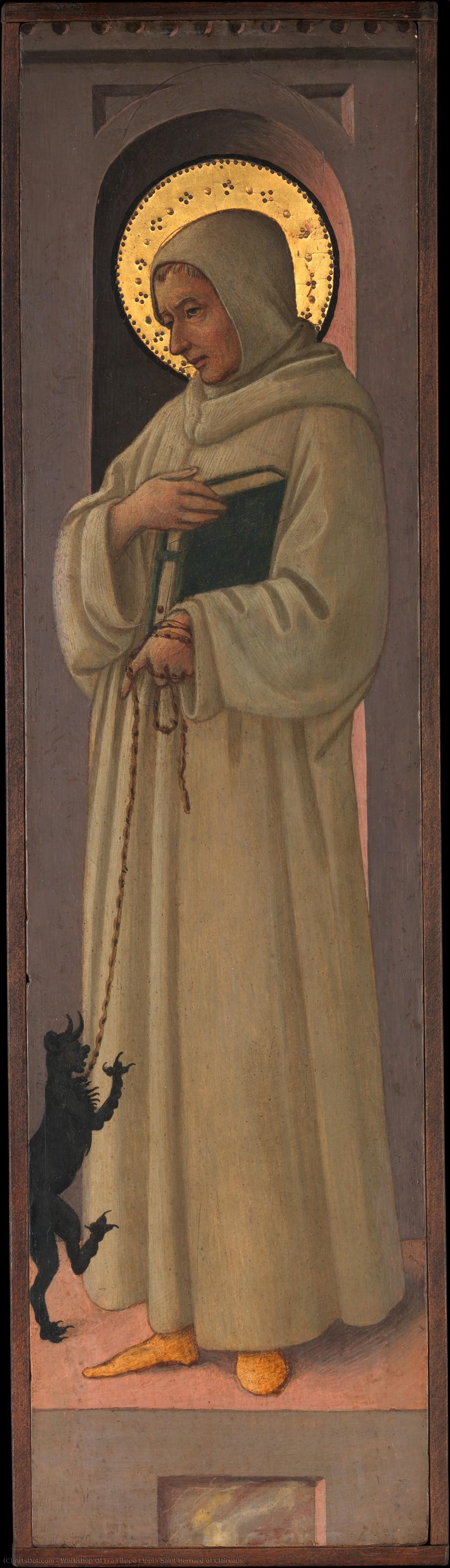
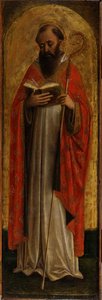
Saint Bernard of Clairvaux
 Painting
- Early Renaissance
 1469
1469- Renaissance
 48.0 x 13.0 cm
 Metropolitan Museum of Art
 Pročitaj više
Giclee štampa / Umetnički otisak
Giclée štampa ili print na platnu muzejskog kvaliteta uz brzu proizvodnju i fleksibilne opcije završne obrade. ( Kupi ručno naslikanu sliku Kupi digitalnu sliku)




P118B $10

P118H $10

P118W $10

P438Z $10

P508JH $12

P508YH $12

P805H $10

P805Z $10

P919BZ $10

P919G $10

P919XJ $10

P959ZH $10

P968JZ $12

W106C $8

W218G $10

W218JH $8

W218Y $10

W307PJ $10

W316G $10

W316PJ $8

W316Y $10

W398PJ $8

W4111J $10

W500HY $15

W500JH $15

W692G $12

W849H $8

W940BG $15

W953PJ $8




Izaberite jednu od naših unapred definisanih veličina koje odgovaraju originalnim proporcijama umetničkog dela.

Možete uneti sopstvene dimenzije kako biste umetničko delo prilagodili specifičnom okviru ili prostoru. Ako odabrani format ne odgovara proporcijama originalne slike, mi ćemo ili iscrtati deo dela ili proširiti sliku pomoću ogledane ivice ili jednobojnog popunjavanja. Digitalni prikaz će vam biti poslat na odobrenje pre početka proizvodnje.
Imajte na umu da pregled na ekranu ne odražava stvarno iscrtavanje ili proširivanje. Samo će prikaz (mockup) precizno pokazati finalnu kompoziciju.
Iako su prilagođene dimenzije dostupne, preporučujemo da odaberete dimenziju sa unapred definisane liste kako biste očuvali originalne proporcije.
Dostava širom sveta () za 2 nedelje umesto uobičajenih 4/5 nedelja. (1 септембар)

Besplatna ekspresna dostava širom sveta

Visokokvalitetno laneno platno

Kompletno osiguranje transporta

Garancija povraćaja carine i uvoznih dažbina

Garancija vernosti boja

Politika povrata u roku od 60 dana (samo u slučaju nedostataka)

Garancija povrata novca od 100%

Popust pri grupnoj kupovini
 Opcija sa staklom dostupna je samo za dimenzije manje od 110 cm

Saint Bernard of Clairvaux
Giclee štampa / Umetnički otisak
Dimenzije reprodukcije
-


Konačna cena
$ 62
A Glimpse into Renaissance Devotion: Saint Bernard of Clairvaux
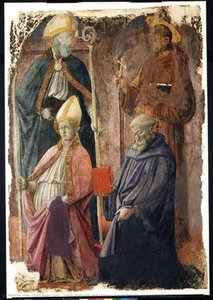
To stand before this depiction of Saint Bernard of Clairvaux is to step across the threshold of time and into the deeply spiritual atmosphere of the early Italian Renaissance. The painting, dating from 1469, captures not merely a saint, but an embodiment of profound piety and intellectual fervor. Clad in the simple, recognizable white robes of the Cistercian order he helped establish, Bernard appears poised, holding a book that suggests a life dedicated to scripture and contemplation. The overall palette, dominated by rich, aged browns, lends the piece an immediate sense of venerable history, as if it has absorbed the quiet reverence of centuries within its pigment.
The Hand of Genius: Workshop Influence and Technique
While attributed to the Workshop Of Fra Filippo Lippi, this work showcases a fascinating confluence of styles. The artist, or perhaps the master craftsman working under his esteemed guidance, managed to blend palpable realism with subtle symbolic touches. Observe the figure itself; while rendered with enough naturalism to feel immediate, certain elements—such as the small, curiously placed cat companion on the left—are treated with a stylized grace that speaks to the period's burgeoning interest in allegory. The technique suggests careful layering and meticulous brushwork, hallmarks of Florentine painting striving for both earthly beauty and divine transcendence.
Symbolism Woven into the Scene
The narrative richness of this panel extends beyond the saint’s portraiture. Saint Bernard is famously associated with guiding souls toward the Holy Land, a mission that inspired great fervor but also regrettable conflict in history. Here, however, the symbolism feels intimate and personal. The presence of the cat, an unusual companion for such a solemn figure, invites contemplation—is it a symbol of domestic peace, or perhaps a more esoteric marker? Furthermore, the background elements—the simple cross mounted on the wall above the window—anchor the saint within a sacred, yet recognizably earthly, space. These details invite the viewer to decode the layers of meaning surrounding his spiritual journey.
Bringing Sacred Art Home: An Aesthetic Touchpoint
For the discerning collector or designer seeking to infuse a space with the quiet dignity of Renaissance artistry, this reproduction offers unparalleled depth. Its dimensions (48 x 13 cm) allow it to function beautifully as an intimate devotional piece, perhaps gracing a mantelpiece or nestled within a library setting. The aged patina and the masterful blend of humanism and spirituality make it more than mere decoration; it becomes a focal point for quiet reflection. Owning this piece is acquiring a tangible echo of Renaissance devotion—a moment where profound theology met exquisite artistic skill.
Srodna umetnička dela

Biografija umetnika
The Enigmatic World of the Workshop of Fra Filippo Lippi
The name “Workshop of Fra Filippo Lippi” represents a fascinating, and often frustratingly ambiguous, presence in the early Renaissance art world. It isn’t a single artist we speak of, but rather a collective – the studio environment surrounding one of Florence's most innovative and personally compelling painters, Fra Filippo Lippi (c. 1406-1469). Understanding this workshop is crucial to appreciating not only Lippi’s prolific output, but also the dissemination of his style and the training of numerous artists who would carry his legacy forward. Lippi himself was a Carmelite friar, a fact that profoundly shaped both his life and art, creating a tension between religious devotion and a deeply humanistic sensibility. His early life remains somewhat shrouded in mystery; born to a goldsmith, he entered the monastery at a young age but quickly demonstrated an aptitude for painting, becoming a student of Masaccio.
Lippi’s initial training under Masaccio was pivotal. He absorbed Masaccio's revolutionary use of perspective and naturalism – the weight and volume of figures, the dramatic chiaroscuro (light and shadow) that gave his paintings an unprecedented sense of realism. However, Lippi wasn’t merely a copyist. He infused Masaccio’s innovations with a lyrical grace and elegance all his own. His early works, such as the Annunciation in the San Lorenzo Chapel, already hint at this distinctive style: figures are elongated, faces possess a delicate beauty, and compositions are imbued with a gentle narrative quality. This marked a departure from the more monumental and austere style of Masaccio, leaning towards a greater emphasis on decorative detail and emotional expression.
A Prolific Output & The Role of Assistants
Fra Filippo Lippi’s career was remarkably productive, yet complicated by his monastic vows and frequent commissions. He traveled extensively throughout Italy – Prato, San Gimignano, Spoleto – undertaking large-scale fresco cycles for churches and altarpieces. The sheer volume of work produced during his lifetime suggests a substantial workshop operation. While Lippi undoubtedly executed key elements of many paintings himself, particularly the faces and hands of central figures, he relied heavily on assistants to handle backgrounds, drapery, and less prominent details. Identifying the precise contributions of these assistants is often difficult, leading to ongoing scholarly debate about attribution.
The workshop functioned as a hierarchical system. Apprentices would begin with grinding pigments and preparing panels, gradually progressing to more complex tasks under the supervision of Lippi and his trusted *compagni* (companions). These companions were typically experienced painters in their own right, capable of executing significant portions of a commission. The style of paintings attributed to the workshop often exhibits variations in quality, reflecting the differing skill levels of those involved. However, a consistent thread runs through all these works: Lippi’s characteristic elegance, refined color palette, and emphasis on narrative clarity.
Influences & Artistic Development
Beyond Masaccio, Fra Filippo Lippi drew inspiration from a diverse range of sources. He was deeply influenced by International Gothic painting, particularly the elegant line work and decorative patterns found in the works of Gentile da Fabriano. This influence is evident in his early altarpieces, where figures are often set against elaborate gold backgrounds adorned with intricate floral motifs. As his career progressed, Lippi also absorbed elements from Flemish painting, adopting a greater attention to detail and realism in rendering textures and materials.
His artistic development can be traced through several key phases. The early works demonstrate the strong influence of Masaccio and International Gothic styles. In the 1440s, his style became more refined and lyrical, characterized by elongated figures, delicate faces, and a greater emphasis on emotional expression. The frescoes in the Prato Cathedral (c. 1452-1465) represent a high point of his career, showcasing his mastery of narrative composition and psychological insight. Later works, such as the *Vision of Saint Bernard*, reveal a growing interest in atmospheric perspective and a more sophisticated use of light and shadow.
Major Achievements & Lasting Legacy
Fra Filippo Lippi’s most celebrated achievements include the frescoes in the San Lorenzo Chapel in Florence, the altarpiece for the church of Sant'Ambrogio in Florence, and the extensive fresco cycle in the Prato Cathedral. These works are remarkable not only for their artistic quality but also for their innovative compositions and psychological depth. His portraits, particularly those of noblewomen, are renowned for their delicate beauty and realistic portrayal of character.
The workshop’s influence extended far beyond Lippi’s lifetime. His son, Filippino Lippi, continued his father's artistic tradition, further developing his style and becoming a leading painter in Florence. Numerous other artists who passed through the workshop – including Botticelli – absorbed Lippi’s techniques and aesthetic principles, contributing to the flourishing of Renaissance art. The legacy of the Workshop of Fra Filippo Lippi lies not only in the paintings it produced but also in its role as a vital center for artistic training and innovation, shaping the course of early Renaissance painting.
- Key Characteristics: Elegant figures, delicate faces, refined color palette, narrative clarity, lyrical grace.
- Influences: Masaccio, International Gothic (Gentile da Fabriano), Flemish Painting.
- Major Works: Frescoes in the San Lorenzo Chapel, Altarpiece for Sant'Ambrogio, Prato Cathedral frescoes.
Povezani članci

Fra Anđeo: 25 Remek-dela Renesansnog Duha za Vaš Dom | ArtsDot
Uronite u svet Fra Anđela – 25 remek-dela renesansnog slikara. Otkrijte priče iza njegovih čuvenih fresaka i oltarskih slika, inspiracija za enterijer i duhovni mir. Kupite reprodukcije vrhunskog kvaliteta na ArtsDot.com!
Filippo Lippi: Bridging Renaissance Devotion & Artistic Innovation
Explore the life & revolutionary art of Filippo Lippi, a pivotal Renaissance painter. Discover his masterpieces, influence on Botticelli, and investment potential. Expert analysis at ArtsDot.
Filippino Lippi: Renaissance Innovation Bridging Faith & Humanism
Explore the captivating world of Filippino Lippi, a Renaissance master bridging faith & humanism through innovative art. Discover his key works, influences, and lasting legacy with ArtsDot.
The Dawn of a New Aesthetic: Exploring Artistic Innovation in 15th-Century European Painting
Explore the groundbreaking artistic innovations of 15th-century European painting! Discover how Humanism & masters like Masaccio redefined art with perspective, realism & classical influence. Learn more at ArtsDot.
Remek-dela Alte Pinakotek: 25 slika koje definišu renesansu i barok (umetnost, dekoracija doma)
Otkrijte 25 remek-dela Alte Pinakotek u Minhenu! Istražite priče iza slika Leonarda, Rafaela i Rembrandta. Inspiracija za dekoraciju doma & reprodukcije vrhunskog kvaliteta na ArtsDot.com.

