

 Pregledaj u prostoru
 Pošalji
 Podeli
 Detalji o delu

 Преузми
 Slični predmeti
 Rendgenski snimak
 Slajdovi
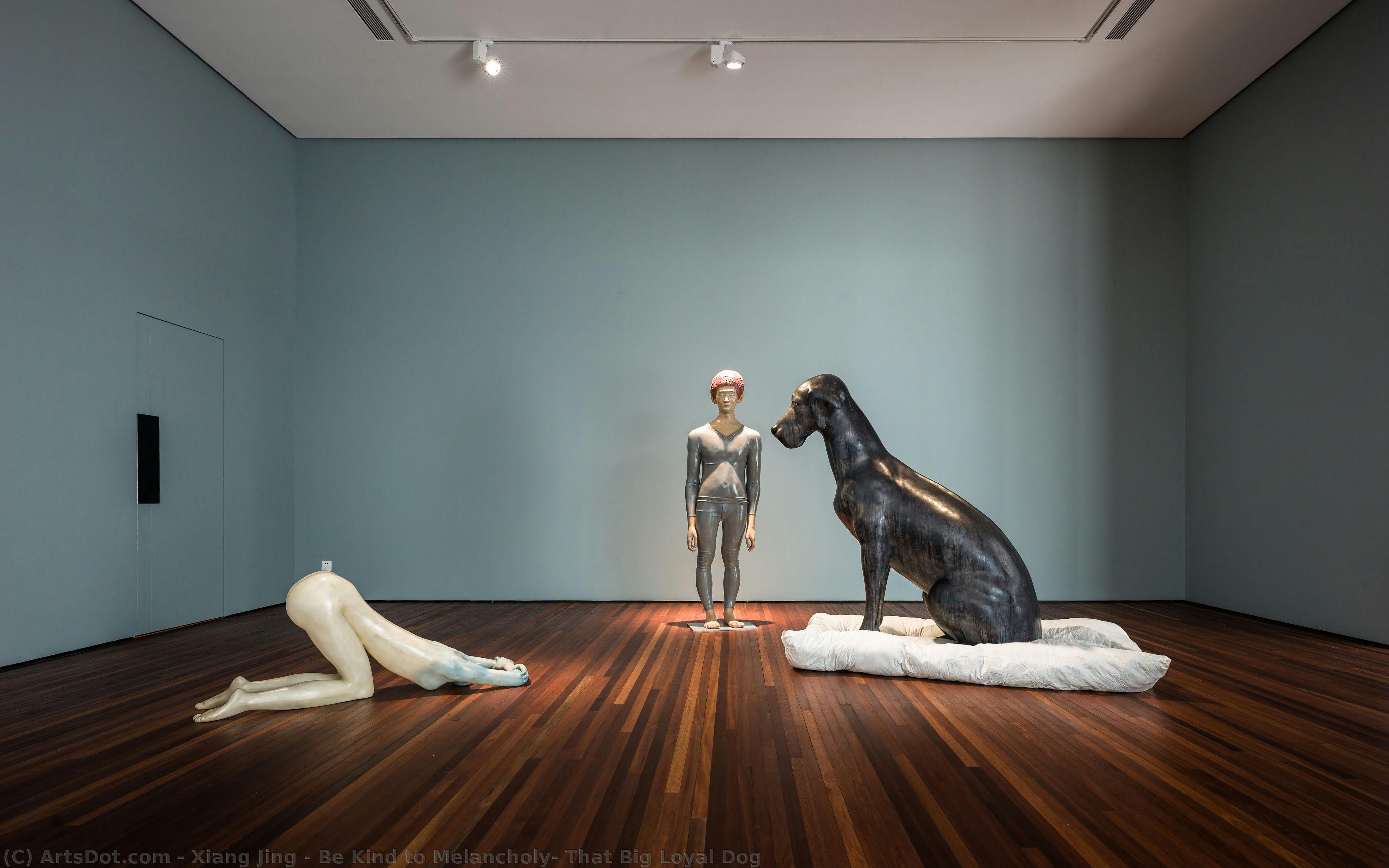
Be Kind to Melancholy, That Big Loyal Dog
 2016
2016 60.0 x 140.0 cm
 Song Art Museum
 Pročitaj više
Kupite digitalnu sliku visoke rezolucije i poboljšanog kvaliteta, koja je znatno superiornija od onoga što vidite u online prikazu.
Svaka datoteka je pedantno pripremljena od strane naših stručnjaka koristeći napredne alate i profesionalnu ručnu retušu. Osiguravamo da svaka slika ima izuzetnu oštrinu, preciznu reprodukciju boja i fine detalje.
Konačna datoteka se dostavlja putem e-pošte u roku od 72 sata, optimizovana za neposrednu upotrebu u profesionalnim, izdavačkim i štamparskim okruženjima. To je isti kvalitet kojem veruju vrhunski studiji dizajna, izdavači i galerije.
Digitalna slika
Preuzmite datoteku visoke rezolucije za ličnu upotrebu, štampanje i kreativne projekte. ( Kupi print Kupi ručno naslikanu sliku)
Uključeno uz svaku porudžbinu digitalne slike
Profesionalna digitalna isporuka, zagarantovana
Kada odaberete ArtsDot.com, ne dobijate samo sliku – vi primate profesionalno unapređeno digitalno umetničko delo, izrađeno sa najvećom preciznošću i uz garanciju zadovoljstva. Evo svega što automatski dolazi uz vašu porudžbinu:

Brza dostava putem e-pošte
Vaša digitalna slika visoke rezolucije biće vam poslata putem e-pošte u roku od 72 sata od poručivanja – spremna za trenutnu upotrebu.

Digitalna datoteka unapređena veštačkom inteligencijom
Vaše umetničko delo je profesionalno optimizovano korišćenjem naprednih AI alata i ručne obrade, čime se osiguravaju maksimalni detalji, oštrina i preciznost boja.

Besplatna ponovna isporuka doživotno
Slučajno ste obrisali ili izgubili svoju datoteku? Ne brinite – poslaćemo vam je ponovo u bilo kom trenutku, potpuno besplatno.

Bez troškova uvoza – zauvek
Uživajte u svojim umetničkim delima trenutno, bez carine, dažbina ili troškova dostave – digitalni download je uvek bez poreza.

Garancija vernosti boja
Uz pomoć profesionalnih alata i upravljanja bojama, osiguravamo da vaša digitalna slika što vernije odražava originalne boje.

Garancija zadovoljstva u roku od 100 dana
Ako niste zadovoljni svojom digitalnom slikom, revidirat ćemo je ili vratiti 100% novca u roku od 100 dana – bez ikakvih pitanja.

100% garancija povrata novca
Niste zadovoljni? Obezbedite pun povrat novca u roku od 100 dana od trenutka kada ste primili svoju digitalnu datoteku – bez suvišnih pitanja.

Popusti na velike porudžbine
Kupite 3 slike, uštedite 10% - Kupite 5 slika, uštedite 15% - Kupite 10+ slika, uštedite 20%. Odlično za kreativne projekte, galerije i agencije.
Srodna umetnička dela








Biografija umetnika
Early Life and Artistic Foundations
Born in Beijing in 1968, Xiang Jing emerged as a significant voice within the evolving landscape of contemporary Chinese sculpture. Her formative years coincided with a period of profound social and political change in China, subtly shaping her artistic perspective. Graduating from the faculty of sculpture at the Central Academy of Fine Arts in 1995, she received rigorous training in traditional sculpting techniques—a foundation that would later be powerfully subverted and re-imagined within her unique practice. While initially immersed in conventional methods, Xiang Jing quickly began to question established norms, seeking a means of expression that resonated with the complexities of modern life and the evolving role of women in Chinese society.
The Rise of Satirical Figurative Sculpture
Xiang Jing’s work is immediately recognizable for its strikingly introspective and often provocative female figures. She doesn't shy away from confronting difficult themes—identity, societal pressures, and the internal struggles of contemporary womanhood are central to her oeuvre. Her sculptures aren’t merely representations of the human form; they are vessels of emotion, capturing a sense of vulnerability, insecurity, and quiet rebellion. What sets Xiang Jing apart is her masterful use of satire. Her figures often engage in seemingly mundane activities—clubbing, shopping, or simply existing in contemplative solitude—but beneath the surface lies a sharp critique of consumer culture, gender roles, and the pressures to conform. This satirical edge isn’t about overt condemnation; rather, it's an invitation for viewers to question their own assumptions and biases.
Materiality and Technique: A Deliberate Choice
While many contemporary sculptors embrace synthetic materials and cutting-edge technologies, Xiang Jing remains deeply committed to traditional sculpting methods. She primarily works with fiberglass, meticulously hand-painting each sculpture in multiple layers to achieve a remarkable level of detail and realism. This deliberate choice isn’t accidental. The labor-intensive process reflects her dedication to the physicality of artmaking and allows for a nuanced exploration of form and texture. The use of props—such as cigarettes—adds another layer of symbolism, hinting at anxieties, desires, and the complexities of modern life. She rarely employs synthetic materials, preferring instead to build up layers of meaning through careful craftsmanship and attention to detail.
Themes and Influences: From Personal to Political
Xiang Jing’s artistic journey has been characterized by a consistent exploration of identity—particularly female identity—and the relationship between the individual and society. Her early series, such as *Mirror Image* (1999-2002) and *Keep in Silence* (2003-2005), laid the groundwork for her later, more ambitious works. She often describes her approach as “first-person narration,” drawing on personal experiences and observations to create sculptures that resonate with universal themes of longing, isolation, and self-discovery. While she resists easy categorization as a "feminist" artist, her work undeniably engages with feminist concerns—challenging traditional representations of women and giving voice to their inner lives. Her influences are diverse, ranging from classical sculpture to contemporary social commentary, but ultimately, her vision is uniquely her own.
Historical Significance and Legacy
Xiang Jing’s sculptures have garnered international acclaim, exhibited widely in China and beyond. Her work has been instrumental in shaping the discourse around contemporary Chinese art, particularly regarding the representation of women and the complexities of post-feminist thought. She is often discussed alongside other prominent Chinese artists who emerged in the 1990s and early 2000s, challenging conventional artistic boundaries and pushing the limits of creative expression. Her legacy lies not only in her striking sculptures but also in her ability to provoke dialogue—to encourage viewers to confront uncomfortable truths about themselves and the world around them. Xiang Jing’s art is a testament to the power of satire, introspection, and the enduring human need for self-expression.
xiang jing
1968 - , China
Kratke činjenice
- Artistic Movement Or Style: Satirical Sculpture
- Artists Or Movements Influenced By This Artist: ['']
- Artists Who Influenced This Artist: ['']
- Date Of Birth: 1968
- Full Name: Xiang Jing
- Nationality: Chinese
- Notable Artworks:
- Right Hand
- Otherworld - Over Yonder
- Place Of Birth: Beijing, China