

 Pregledaj u prostoru
 Pošalji
 Podeli
 Detalji o delu

 Преузми
 Slični predmeti
 Rendgenski snimak
 Slajdovi
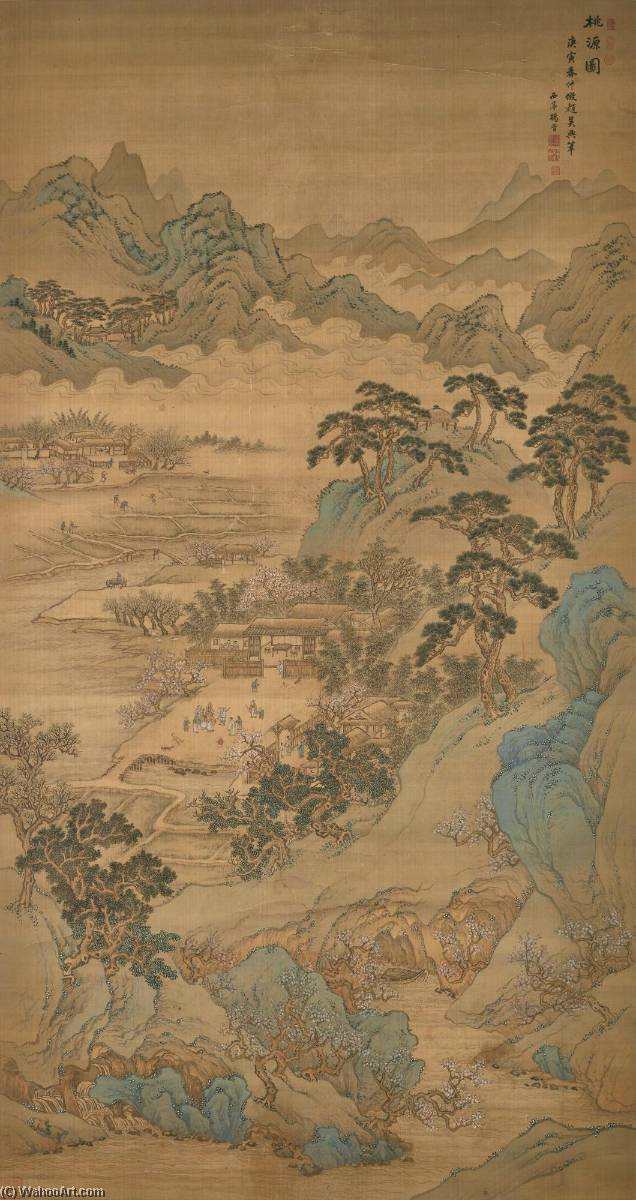
PEACHBLOSSOM VILLAGE
 186.0 x 100.0 cm
 Pročitaj više
Ručno rađena uljana reprodukcija
Ručno oslikano uljanim bojama na platnu u dimenzijama i okviru po vašem izboru, izrađeno po porudžbini od strane naših umetnika. ( Kupi print Kupi digitalnu sliku)




































Izaberite jednu od naših unapred definisanih veličina koje odgovaraju originalnim proporcijama umetničkog dela.

Можете унети сопствене димензије како бисте прилагодили дело одређеном оквиру или простору. Ако одабрана величина не одговара пропорцијама оригинала, слика ће бити исечена или проширена додатним елементима који се ручно насликавају. Дигитални prikaz ће вам бити послат на одобрење пре почетка производње.
Имајте на уму да преглед на екрану не одражава стварно исецање или проширење. Само приказ (mockup) ће тачно приказати коначну композицију.
Иако су доступне прилагођене величине, препоручујемо да одаберете димензију из дефинисане листе како бисте сачували оригиналне пропорције.
Nakon narudžbine, tim ArtsDot.com će klijentu putem e-pošte poslati uputstva i dostaviti prikaz predloženog rešenja
Isporuka širom sveta () za 3/4 nedelje umesto uobičajenih 5 nedelja. (21 август). Bez kompromisa po pitanju kvaliteta.

Besplatna ekspresna dostava širom sveta

Visokokvalitetno laneno platno

Kompletno osiguranje transporta

Garancija povraćaja carine i uvoznih dažbina

Garancija vernosti boja

Politika povrata u roku od 60 dana (samo u slučaju nedostataka)

Garancija povrata novca od 100%

Popust pri grupnoj kupovini
 Opcija sa staklom dostupna je samo za dimenzije manje od 110 cm

PEACHBLOSSOM VILLAGE
Tehnika reprodukcije
Dimenzije reprodukcije
-


Konačna cena
$ 263
Srodna umetnička dela

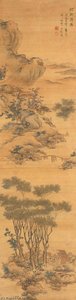

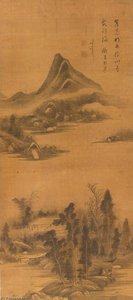
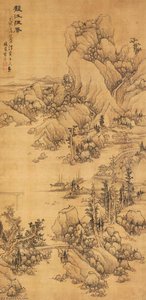
Biografija umetnika
Yang Jin: A Master of Tranquil Landscapes in the Qing Dynasty
The world of Chinese art offers a profound journey through centuries of cultural expression, and within that vast landscape, Yang Jin (1644-1728) stands as a particularly revered figure. Born during the tumultuous years of the Qing Dynasty’s establishment, Yang Jin emerged as a master of landscape painting, skillfully blending traditional techniques with a uniquely serene aesthetic. His work, deeply rooted in the philosophies of Daoism and Confucianism, reflects a profound appreciation for nature's harmony and a quiet contemplation of existence – qualities that resonated powerfully within the cultural context of his time.
Yang Jin’s artistic journey began under the tutelage of Wang Hui, a prominent painter known for his meticulous depictions of mountains and rivers. This formative influence profoundly shaped Yang Jin’s style, imbuing it with an extraordinary level of detail and realism. However, unlike Wang Hui's often grand and dramatic compositions, Yang Jin favored a more restrained approach, prioritizing subtle nuances of light, shadow, and texture. He was particularly celebrated for his ability to capture the ephemeral beauty of fleeting moments – the mist rising over distant peaks, the dappled sunlight filtering through bamboo groves, or the quiet stillness of a mountain stream.
A key element in Yang Jin’s artistic philosophy was his adoption of the ‘zi he’ (子鶴) style name, translating roughly to “Crane Child.” This moniker reflected his aspiration to emulate the grace and serenity of the crane – an animal often associated with longevity, wisdom, and spiritual enlightenment. He also utilized the pseudonym ‘xi ting’ (西停), meaning "West Pause," further emphasizing his desire for a contemplative and introspective artistic practice. These stylistic choices weren't merely decorative; they represented a deep commitment to embodying the values he sought to express through his art.
The Influence of Wang Hui and the Jin Dynasty Style
Yang Jin’s artistic development was inextricably linked to the legacy of Wang Hui, whose meticulous attention to detail and realistic rendering profoundly influenced generations of Chinese painters. However, Yang Jin subtly diverged from Wang Hui's approach, injecting a greater sense of tranquility and emotional resonance into his landscapes. While Wang Hui often depicted scenes of heroic encounters with nature or grand historical events, Yang Jin focused on capturing the quiet beauty of the natural world – inviting viewers to contemplate their own place within it.
The late Ming and early Qing dynasties witnessed a flourishing of landscape painting, fueled by the rise of Daoist philosophy and a growing appreciation for the restorative power of nature. Yang Jin’s work exemplifies this trend, reflecting a shift away from overtly political or religious themes towards a celebration of the natural world. His paintings often incorporate elements of traditional Chinese symbolism – such as pine trees (representing longevity), bamboo (symbolizing resilience), and water (representing fluidity and change) – creating layered meanings that resonate with viewers on multiple levels.
Iconic Works: “Farewell at Spring Riverside” and Beyond
Among Yang Jin’s most celebrated works is "Farewell at Spring Riverside" (春江晚景), a breathtaking depiction of a solitary figure standing before a flowing river, contemplating the setting sun. This painting exemplifies Yang Jin's signature style – characterized by its meticulous detail, subtle color palette, and profound sense of tranquility. The composition draws upon traditional Chinese landscape motifs, yet it possesses a unique emotional depth that transcends mere representation.
Other notable works include “Pavilion for Listening to the Sound of Banana Leaves in the Wind” (听竹风亭), which captures the delicate beauty of a bamboo grove bathed in sunlight, and "Landscapes After Li Zhaodao" (李杂道山水), a series of paintings inspired by the renowned landscape painter Li Zhaodao. These works demonstrate Yang Jin’s mastery of technique and his ability to evoke a wide range of emotions – from serenity and contemplation to awe and wonder.
Legacy and Historical Significance
Yang Jin's influence on subsequent generations of Chinese landscape painters is undeniable. His meticulous attention to detail, coupled with his profound appreciation for nature’s beauty, established a new standard for realism and emotional resonance in the genre. He remains one of the most revered figures in Qing Dynasty art, celebrated for his ability to capture the essence of the natural world and invite viewers to contemplate their own relationship with it.
His work is now housed in prestigious museums around the world, including the Museum of Fine Arts Boston and Google Arts & Culture. Yang Jin’s legacy extends beyond the realm of art; he embodies a timeless philosophy – one that celebrates the beauty of simplicity, the importance of contemplation, and the profound connection between humanity and nature.
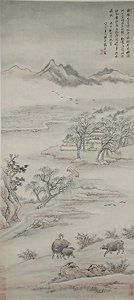
yang jin
1644 - 1728
Osnovne informacije
- Artistic Movement Or Style: Qing Dynasty Landscape
- Artists Who Influenced This Artist: ['Wang Hui']
- Date Of Birth: 1644
- Date Of Death: 1728
- Full Name: Yang Jin
- Nationality: Chinese
- Notable Artworks:
- Farewell at Spring Riverside
- Pavilion for Listening
- Landscapes After Li Zhaodao
- Place Of Birth: Changshu, Jiangsu

