

 Pregledaj u prostoru
 Pošalji
 Podeli
 Detalji o delu

 Преузми
 Slični predmeti
 Rendgenski snimak
 Slajdovi
 Stats
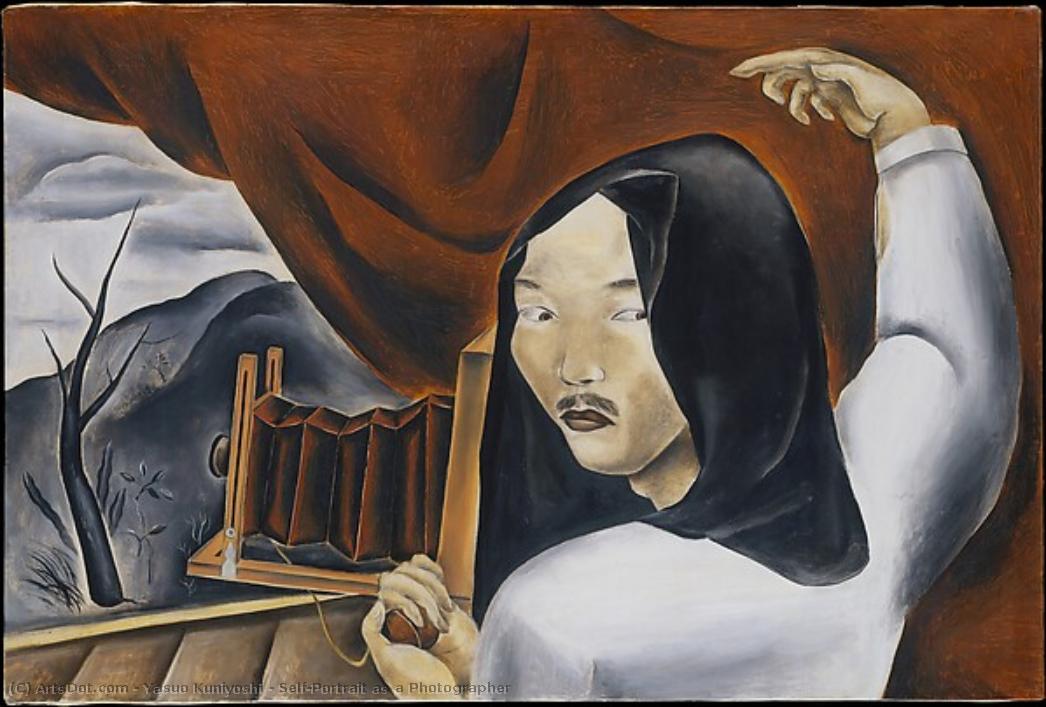
StatsSelf-Portrait as a Photographer
 Oil On Canvas
- WallArt
- Early Modernism
 1924
1924- Modern
 52.0 x 77.0 cm
 Metropolitan Museum of Art
 Pročitaj više
Kupite digitalnu sliku visoke rezolucije i poboljšanog kvaliteta, koja je znatno superiornija od onoga što vidite u online prikazu.
Svaka datoteka je pedantno pripremljena od strane naših stručnjaka koristeći napredne alate i profesionalnu ručnu retušu. Osiguravamo da svaka slika ima izuzetnu oštrinu, preciznu reprodukciju boja i fine detalje.
Konačna datoteka se dostavlja putem e-pošte u roku od 72 sata, optimizovana za neposrednu upotrebu u profesionalnim, izdavačkim i štamparskim okruženjima. To je isti kvalitet kojem veruju vrhunski studiji dizajna, izdavači i galerije.
Digitalna slika
Preuzmite datoteku visoke rezolucije za ličnu upotrebu, štampanje i kreativne projekte. ( Switch to Print Kupi ručno naslikanu sliku)
Uključeno uz svaku porudžbinu digitalne slike
Profesionalna digitalna isporuka, zagarantovana
Kada odaberete ArtsDot.com, ne dobijate samo sliku – vi primate profesionalno unapređeno digitalno umetničko delo, izrađeno sa najvećom preciznošću i uz garanciju zadovoljstva. Evo svega što automatski dolazi uz vašu porudžbinu:

Brza dostava putem e-pošte
Vaša digitalna slika visoke rezolucije biće vam poslata putem e-pošte u roku od 72 sata od poručivanja – spremna za trenutnu upotrebu.

Digitalna datoteka unapređena veštačkom inteligencijom
Vaše umetničko delo je profesionalno optimizovano korišćenjem naprednih AI alata i ručne obrade, čime se osiguravaju maksimalni detalji, oštrina i preciznost boja.

Besplatna ponovna isporuka doživotno
Slučajno ste obrisali ili izgubili svoju datoteku? Ne brinite – poslaćemo vam je ponovo u bilo kom trenutku, potpuno besplatno.

Bez troškova uvoza – zauvek
Uživajte u svojim umetničkim delima trenutno, bez carine, dažbina ili troškova dostave – digitalni download je uvek bez poreza.

Garancija vernosti boja
Uz pomoć profesionalnih alata i upravljanja bojama, osiguravamo da vaša digitalna slika što vernije odražava originalne boje.

Garancija zadovoljstva od 100 dana
Ako niste zadovoljni svojom digitalnom slikom, izvršićemo reviziju ili ćemo vam vratiti 100% novca u roku od 100 dana – bez ikakvih pitanja.

100% garancija povrata novca
Niste zadovoljni? Dobijte puni povraćaj novca u roku od 100 dana od prijema digitalne datoteke – bez suvišnih pitanja.

Popusti na velike porudžbine
Kupite 3 slike, uštedite 10% - Kupite 5 slika, uštedite 15% - Kupite 10+ slika, uštedite 20%. Odlično za kreativne projekte, galerije i agencije.
A Visionary Encounter: The Soul of Yasuo Kuniyoshi
In the quiet, contemplative depths of Self-Portrait as a Photographer, we encounter more than just a likeness; we enter the intimate psychological landscape of Yasuo Kuniyoshi. Created in 1924, this evocative oil on canvas serves as a profound window into the artist's inner world during a formative period of American Modernism. The portrait captures a man lost in thought, his features etched with a sense of quiet introspection that transcends the mere recording of physical traits. Set against a dramatic, stylized landscape where mountains and clouds drift like memories, the composition establishes an immediate, haunting connection with the viewer. It is a work that does not merely ask to be seen, but invites us to linger within its melancholic beauty.
The mastery of Kuniyoshi’s technique lies in his ability to blend expressive realism with a touch of the surreal. The artist employs bold, graphic lines to define the contours of the face and the rugged geometry of the background, creating a visual tension that is both grounded and dreamlike. Through visible, textured brushstrokes, Kuniyoshi breathes life into the skin and clothing of his subject, adding a tactile materiality that makes the figure feel palpably present. The lighting is masterfully directional, casting deep, purposeful shadows that sculpt the man’s features, lending a sculptural weight to his contemplative expression and imbuing the entire scene with a sense of cinematic drama.
Symbolism and the Palette of Introspection
Every element within this composition serves a symbolic purpose, weaving a narrative of creativity and solitude. The central figure holds a spool of thread—a delicate, poignant detail that may represent the act of weaving one's own identity or the meticulous construction of a life through art. This small, tactile object acts as an anchor for the themes of patience and craftsmanship. The surrounding landscape, with its simplified, almost geometric mountains, suggests a world stripped down to its essential emotional truths, mirroring the artist's focus on the core of human experience.
The color palette is a sophisticated study in restraint and mood. Dominated by cool tones of blue, gray, and white, the painting evokes a sense of stillness and perhaps a touch of isolation. However, this coolness is masterfully balanced by warmer ochres and browns within the landscape, preventing the work from feeling cold and instead imbuing it with an earthy, grounded resonance. For the discerning collector or interior designer, this piece offers a remarkable versatility; its muted yet impactful tones allow it to serve as a sophisticated focal point in a modern gallery-style room or to add a layer of historical depth to a classic study.
An Enduring Legacy for the Modern Collector
To possess a reproduction of this caliber is to hold a piece of art history that bridges the gap between Eastern heritage and Western innovation. Kuniyoshi’s unique position as a Japanese-born artist navigating the New York art scene allowed him to infuse American portraiture with a distinct, lyrical sensitivity. This painting remains a testament to that fusion—a work that captures the tension between the individual and the infinite landscape.
Whether you are an art lover drawn to the psychological depth of early 20th-century portraiture or a designer seeking a piece that evokes quiet strength and intellectual elegance, Self-Portrait as a Photographer offers unparalleled inspiration. It is a masterpiece of atmosphere, a silent dialogue between the artist and the observer that continues to resonate with every new gaze.
Srodna umetnička dela
Biografija umetnika
A Bridge Between Worlds: The Life and Art of Yasuo Kuniyoshi
Yasuo Kuniyoshi’s story is one of remarkable artistic fusion, a life lived at the intersection of two cultures during a period of immense social and political upheaval. Born in Okayama, Japan, in 1889, his journey to becoming a pivotal figure in American Modernism began with an unexpected departure from tradition. At seventeen, Kuniyoshi defied expectations by choosing emigration over military service, setting sail for the United States with the initial intention of mastering English and pursuing a career as a translator. Fate, however, had other plans. The vibrant art scene of early 20th-century America quickly captured his imagination, leading him to abandon linguistic pursuits in favor of artistic expression. He initially studied at the Los Angeles School of Art and Design before relocating to New York City, where he honed his skills under the tutelage of Kenneth Hayes Miller at the Art Students League. This foundational period established Kuniyoshi as a rising talent, poised to contribute uniquely to the evolving landscape of American art.From Cubist Angles to Personal Visions
Kuniyoshi’s early artistic explorations were deeply influenced by the burgeoning Cubist movement sweeping across Europe. Paintings like “Little Joe with Cow” (1923) demonstrate a clear fascination with fragmented forms and tilted planes, yet even in these initial works, a distinctly Japanese sensibility began to emerge. He wasn't simply replicating Western styles; rather, he was synthesizing them with an inherent understanding of Japanese aesthetics – a preference for depicting idealized images over strict representational accuracy. A pivotal moment arrived after several trips to Paris in the late 1920s. Immersed in the heart of European modernism, Kuniyoshi shifted his approach, moving away from painting from memory towards direct observation and embracing perspective. This transition is evident in works like “Daily News” (1935), which showcases a newfound realism tempered by his signature poetic sensibility. Throughout his career, Kuniyoshi’s subject matter was diverse, ranging from intimate still lifes of everyday objects to evocative portraits of female circus performers and nudes. However, beneath the surface beauty often lay deeper currents – reflections on loneliness, alienation, and the complexities of modern life. His style evolved continuously, demonstrating a willingness to experiment with color, line, and composition, always striving for a visual language that was both innovative and deeply personal.Recognition Amidst Adversity: A Patriot’s Paradox
Despite facing prejudice as an immigrant and being classified as an “enemy alien” during World War II, Kuniyoshi achieved significant recognition throughout his career. In 1935, he was awarded a prestigious Guggenheim Fellowship, providing crucial financial support for his artistic endeavors. This acknowledgment solidified his position within the American art world. However, it was in 1948 that Kuniyoshi reached an unprecedented milestone: becoming the first living artist to have a retrospective exhibition at the Whitney Museum of American Art. This landmark event cemented his legacy as one of the most important artists of his generation. Further international acclaim followed with his inclusion in the Venice Biennale in 1952. Perhaps the most poignant aspect of Kuniyoshi’s story is his unwavering patriotism during wartime. Despite facing suspicion and discrimination, he dedicated himself to creating propaganda art for the United States government, using his artistic talents to denounce Japanese aggression and rally support for the American cause. This act of loyalty, born from a deep love for his adopted country, underscores the complex identity that defined Kuniyoshi’s life and work. He also served as an honorary member of the National Institute of Arts and Letters and president of Artists Equity, demonstrating his commitment to fostering a thriving artistic community.A Lasting Legacy: Bridging East and West
Yasuo Kuniyoshi's historical significance extends far beyond his individual achievements. He stands as a pivotal figure in bridging Eastern and Western art traditions, seamlessly blending Japanese aesthetics with the innovations of European modernism. His work challenged conventional notions of identity and belonging, resonating deeply within the context of American immigration history. He mentored numerous artists, including Nan Lurie and Irene Krugman, nurturing the next generation of creative talent. In his later years, as he battled cancer, Kuniyoshi returned to his Japanese roots, embracing the simplicity and expressiveness of sumi-e ink drawings. This final artistic phase served as a poignant reflection on his life’s journey – a testament to the enduring power of cultural heritage. Though he passed away in 1953, Kuniyoshi's influence continues to be felt today. Recent exhibitions and scholarly research have sparked a renewed appreciation for his contributions, solidifying his place within the canon of 20th-century American art. His story serves as a powerful reminder that artistic innovation often arises from the intersection of cultures, and that true patriotism transcends national boundaries.Key Themes in Kuniyoshi’s Oeuvre
- Still Life: Frequent depictions of everyday objects imbued with symbolic meaning.
- Figurative Work: Evocative portraits, particularly of women – often circus performers or nudes – exploring themes of vulnerability and isolation.
- War & Propaganda: Powerful wartime imagery reflecting his commitment to the United States despite facing discrimination.
- Japanese Influence: Subtle yet pervasive elements of Japanese aesthetics, including composition, color palettes, and a preference for idealized forms.
- Identity & Belonging: Exploration of the complexities of being an immigrant navigating cultural boundaries and societal expectations.
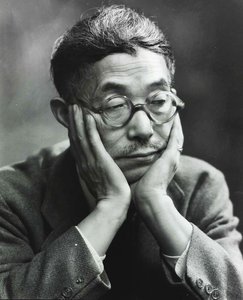
Yasuo Kuniyoshi
1893 - 1953