 Pregledaj u prostoru
 Pošalji
 Podeli
 Detalji o delu

 Преузми
 Slični predmeti
 Rendgenski snimak
 Slajdovi
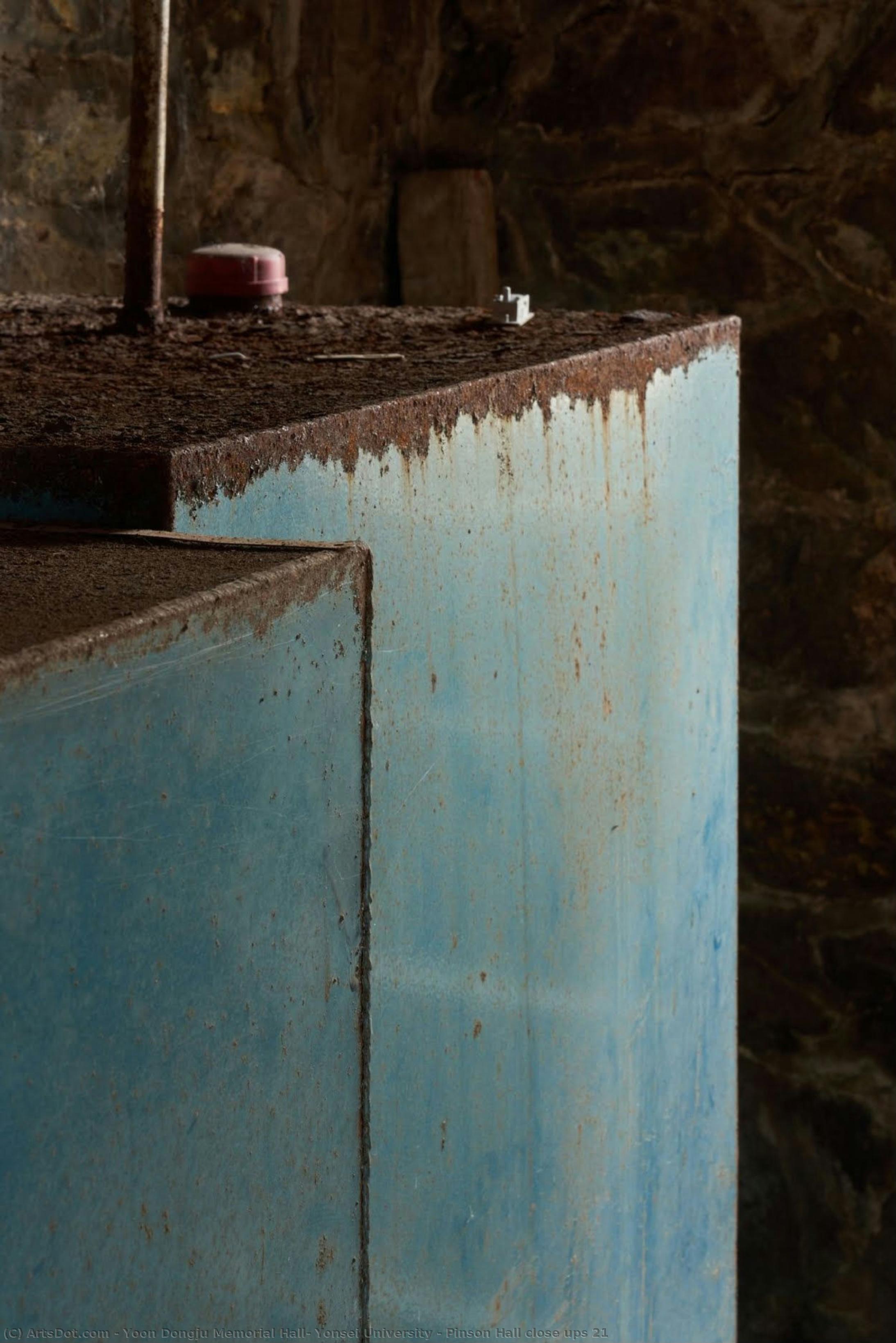
Pinson Hall close ups 21


 Pročitaj više
Giclee štampa / Umetnički otisak
Giclée štampa ili print na platnu muzejskog kvaliteta uz brzu proizvodnju i fleksibilne opcije završne obrade. ( Kupi ručno naslikanu sliku Kupi digitalnu sliku)




































Izaberite jednu od naših unapred definisanih veličina koje odgovaraju originalnim proporcijama umetničkog dela.

Možete uneti sopstvene dimenzije kako biste umetničko delo prilagodili specifičnom okviru ili prostoru. Ako odabrani format ne odgovara proporcijama originalne slike, mi ćemo ili iscrtati deo dela ili proširiti sliku pomoću ogledane ivice ili jednobojnog popunjavanja. Digitalni prikaz će vam biti poslat na odobrenje pre početka proizvodnje.
Imajte na umu da pregled na ekranu ne odražava stvarno iscrtavanje ili proširivanje. Samo će prikaz (mockup) precizno pokazati finalnu kompoziciju.
Iako su prilagođene dimenzije dostupne, preporučujemo da odaberete dimenziju sa unapred definisane liste kako biste očuvali originalne proporcije.
Dostava širom sveta () za 2 nedelje umesto uobičajenih 4/5 nedelja. (25 август)

Besplatna ekspresna dostava širom sveta

Visokokvalitetno laneno platno

Kompletno osiguranje transporta

Garancija povraćaja carine i uvoznih dažbina

Garancija vernosti boja

Politika povrata u roku od 60 dana (samo u slučaju nedostataka)

Garancija povrata novca od 100%

Popust pri grupnoj kupovini
 Opcija sa staklom dostupna je samo za dimenzije manje od 110 cm

Pinson Hall close ups 21
Giclee štampa / Umetnički otisak
Dimenzije reprodukcije
-


Konačna cena
$ 62
Srodna umetnička dela










Biografija umetnika
A Legacy Etched in Remembrance: The Yoon Dongju Memorial Hall
The Yoon Dongju Memorial Hall, nestled within the grounds of Yonsei University, stands as more than a repository of artifacts; it is a poignant testament to a life tragically cut short and a spirit that continues to inspire generations. While not an artist in the traditional sense of painter or sculptor, the Hall itself embodies the artistic power of memory, preservation, and the enduring impact of poetry. It serves as a vital center for understanding the work and life of Yoon Dongju (1917-1943), one of Korea’s most beloved poets, whose verses captured the anxieties and hopes of a nation under Japanese colonial rule. The Hall's existence is itself an act of artistic defiance against forgetting, a deliberate curation of a cultural identity threatened by oppression.The Poet’s Journey: Life and Context
Yoon Dongju was born in Bukcheong, Hamgyong Province, Korea (now North Korea) during a period of immense political and social upheaval. His early life was marked by the hardships of colonial occupation, a reality that deeply informed his poetic sensibility. He received his education at Paekyang Elementary School and later transferred to Yonhi College (the precursor to Yonsei University), where he studied English Literature. It was during these formative years that Yoon began to grapple with themes of national identity, personal suffering, and the search for meaning in a world seemingly devoid of hope. His poetry, initially influenced by modernist trends, quickly developed a unique voice characterized by its introspective nature, subtle symbolism, and melancholic tone. He wasn’t merely documenting his experiences; he was transforming them into universal expressions of human longing and resistance. The weight of colonial oppression is palpable in much of his work, though often veiled through natural imagery and personal reflections – a strategic choice that allowed him to circumvent censorship while still conveying powerful messages of dissent.Preserving the Echoes: The Hall’s Collection
The Yoon Dongju Memorial Hall was established to safeguard and promote the poet's legacy. Its collection is remarkably comprehensive, encompassing original manuscripts of his poems – often bearing handwritten annotations and revisions – personal letters offering glimpses into his inner life and relationships, photographs documenting his time at Yonhi College, and various publications featuring his work. The Hall’s most prized possessions are undoubtedly the notebooks containing drafts of his iconic poems, such as “Preface,” “New Year's Day,” and “Self-Portrait.” These fragile documents offer invaluable insights into Yoon’s creative process, revealing the evolution of his thought and the meticulous care he took with each line. Beyond these primary sources, the Hall also houses a collection of materials related to the historical context of Yoon’s life, including books, newspapers, and photographs that illuminate the social and political landscape of colonial Korea. The deliberate arrangement of these artifacts is designed not simply to display them but to create an immersive experience for visitors, allowing them to connect with Yoon on a deeply personal level.A Symbol of Resistance: Historical Significance
Yoon Dongju’s life took a tragic turn in 1943 when he was arrested by the Japanese colonial police and imprisoned on charges of participating in the independence movement. He endured brutal torture but refused to betray his principles, ultimately dying in Fukuoka Prison just months before Korea's liberation from Japanese rule. His death transformed him into a symbol of resistance against oppression and a martyr for Korean independence. The establishment of the Yoon Dongju Memorial Hall in 1986 was a significant act of cultural reclamation, asserting the importance of remembering his contributions to Korean literature and national identity.- The Hall serves as an educational resource
- It promotes critical thinking about colonialism and its impact.
- It fosters appreciation for Yoon Dongju’s poetic achievements.