

 Pregledaj u prostoru
 Pošalji
 Podeli
 Detalji o delu

 Преузми
 Slični predmeti
 Rendgenski snimak
 Slajdovi
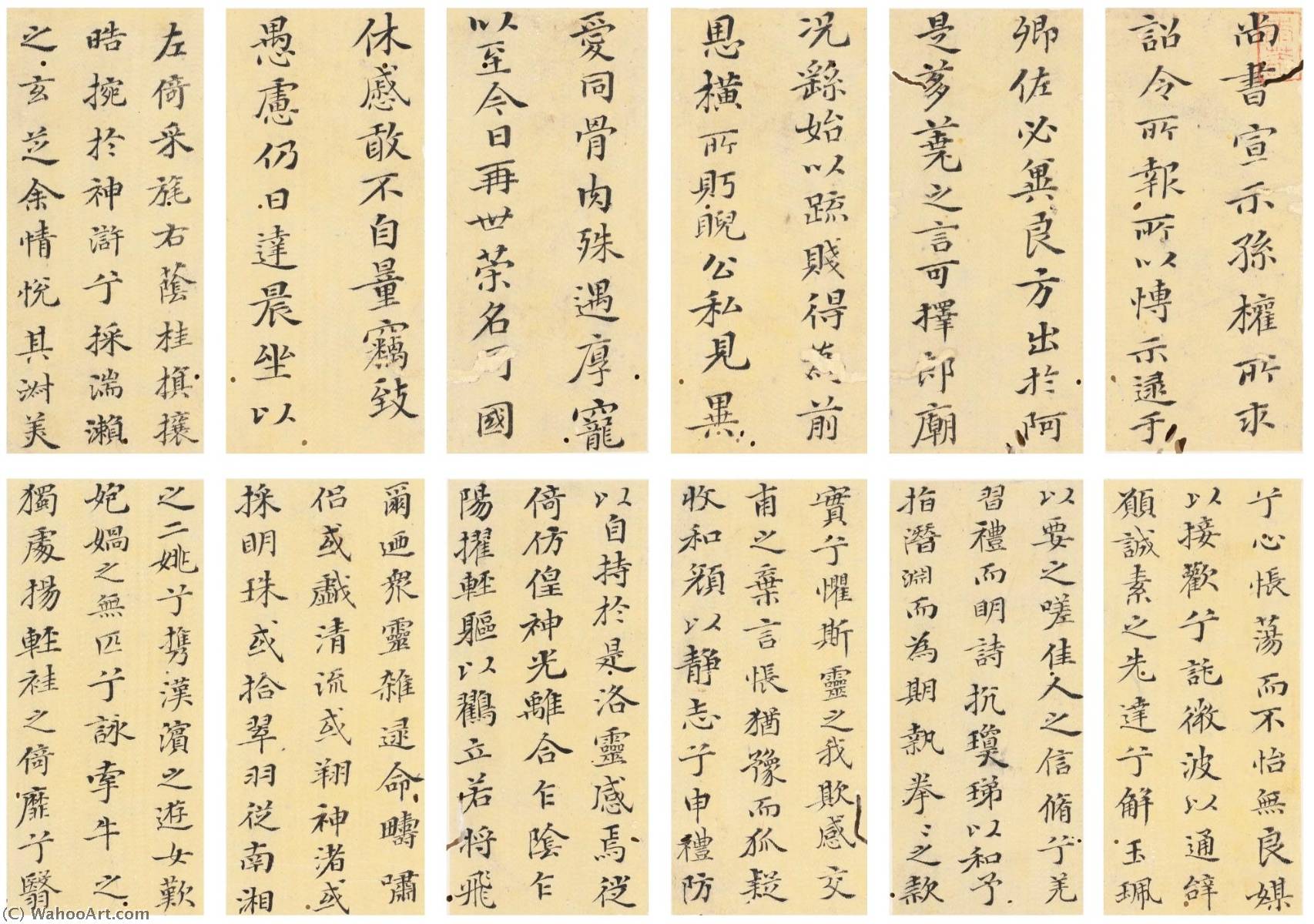
CALLIGRAPHY AFTER JIN AND TANG MASTERS
 14.0 x 6.0 cm
 Pročitaj više
Ručno rađena uljana reprodukcija
Ručno oslikano uljanim bojama na platnu u dimenzijama i okviru po vašem izboru, izrađeno po porudžbini od strane naših umetnika. ( Kupi print Kupi digitalnu sliku)




































Izaberite jednu od naših unapred definisanih veličina koje odgovaraju originalnim proporcijama umetničkog dela.

Можете унети сопствене димензије како бисте прилагодили дело одређеном оквиру или простору. Ако одабрана величина не одговара пропорцијама оригинала, слика ће бити исечена или проширена додатним елементима који се ручно насликавају. Дигитални prikaz ће вам бити послат на одобрење пре почетка производње.
Имајте на уму да преглед на екрану не одражава стварно исецање или проширење. Само приказ (mockup) ће тачно приказати коначну композицију.
Иако су доступне прилагођене величине, препоручујемо да одаберете димензију из дефинисане листе како бисте сачували оригиналне пропорције.
Nakon narudžbine, tim ArtsDot.com će klijentu putem e-pošte poslati uputstva i dostaviti prikaz predloženog rešenja
Isporuka širom sveta () za 3/4 nedelje umesto uobičajenih 5 nedelja. (21 август). Bez kompromisa po pitanju kvaliteta.

Besplatna ekspresna dostava širom sveta

Visokokvalitetno laneno platno

Kompletno osiguranje transporta

Garancija povraćaja carine i uvoznih dažbina

Garancija vernosti boja

Politika povrata u roku od 60 dana (samo u slučaju nedostataka)

Garancija povrata novca od 100%

Popust pri grupnoj kupovini
 Opcija sa staklom dostupna je samo za dimenzije manje od 110 cm

CALLIGRAPHY AFTER JIN AND TANG MASTERS
Tehnika reprodukcije
Dimenzije reprodukcije
-


Konačna cena
$ 263
Srodna umetnička dela



Biografija umetnika
A Master of Blossoms and Breath
Born in the turbulent year of 1633 in Wujin, Jiangsu province, Yun Shouping—often revered by his sobriquet Nantian—emerged from a period of profound historical upheaval. As the Ming Dynasty crumbled and the Qing era took hold, Yun found himself navigating a world in transition. Though born into an impoverished family that could not afford the formal education required for the civil service examinations, he did not allow circumstance to stifle his spirit. Instead, he turned inward toward the natural world, devoting himself to the pursuit of the three perfections: painting, poetry, and calligraphy. From his earliest years, his soul was entwined with the delicate beauty of nature, a passion famously captured in his childhood compositions of poetry centered around lotus blossoms.
His artistic journey was one of remarkable evolution and profound transformation. While he initially trained in the rigorous traditions of landscape painting, a pivotal encounter with the works of the master Wang Hui altered the course of his career forever. Captivated by new possibilities, Yun transitioned from the grand vistas of mountains and rivers to the intimate, vibrant world of flora and fauna. This shift led to the founding of the Ch'ang-chou school, a movement that would redefine Chinese aesthetics for generations. He became a central figure among the celebrated Six Masters of the early Qing period, standing alongside luminaries such as Wu Li and the Four Wangs, creating a legacy that bridged the gap between classical tradition and a new, expressive vitality.
The Revolution of the Boneless Style
What truly set Yun Shouping apart from his contemporaries was his masterful command of the mogu, or "boneless" technique. Moving away from the rigid, ink-defined outlines that characterized much of traditional Chinese painting, Yun sought to capture the very essence and inner breath of his subjects through soft washes of color and delicate gradations. By imitating the 11th-century methods of Xu Xi, he achieved a sense of organic fluidity that made his flowers and birds appear to pulse with life. His palette was daring for its time; he embraced rich, saturated hues of reds and purples—colors that some traditionalists dismissed as gaudy—to convey the true splendor of a blooming peony or a sun-drenched petal.
This technique allowed him to achieve a breathtaking balance between structure and spontaneity. In his hands, a branch was not merely a line on paper, but a living limb, and a blossom was not just a shape, but a fleeting moment of seasonal beauty. His work often embodied the following characteristics:
- Expressive Vitality: A profound ability to depict the "spirit resonance" or life force of plants and animals.
- Coloristic Innovation: The use of vibrant, layered washes to create depth without the need for harsh borders.
- Poetic Symbiosis: An inseparable connection between his visual imagery and the lyrical sentiment of his calligraphy and poetry.
- Naturalism through Abstraction: A way of capturing the true likeness of nature through soft, impressionistic strokes rather than anatomical precision.
A Lasting Legacy in the Qing Dynasty
The historical significance of Yun Shouping cannot be overstated. He did not merely participate in the art of his era; he revitalized it. By breathing new life into the flower-and-bird genre, he provided a much-needed aesthetic refreshment to a landscape painting tradition that had become increasingly preoccupied with imitating ancient styles. His Ch'ang-chou school became a beacon of individual expression, emphasizing a deep, emotional connection to the natural world that resonated with the literati class. Even as his techniques were refined and passed down through generations—notably by his daughter, Bing—the core of his vision remained: a celebration of the ephemeral beauty found in the smallest corner of the earth.
Today, Yun Shouping is remembered not just as a painter of petals, but as a poet of the brush. His ability to find the infinite within the minute remains a cornerstone of Chinese art history. Through his "boneless" mastery, he taught the world that strength does not always require a hard edge, and that true beauty often resides in the softest, most delicate transitions of light and color.
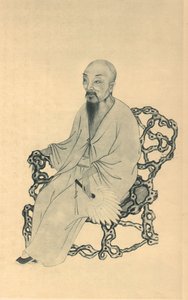
yun shouping
1633 - 1690
Osnovne informacije
- Artistic Movement Or Style: Portrait painting
- Artists Or Movements Influenced By This Artist: ['Later Stuart']
- Artists Who Influenced This Artist:
- Sir William Sanderson
- Sir Peter Lely
- Date Of Birth: March 1633
- Date Of Death: October 1699
- Full Name: Mary Beale Cradock
- Nationality: English
- Notable Artworks:
- Discourse on Friendship
- Observations
- Place Of Birth: Barrow, Suffolk, England

