

 Pregledaj u prostoru
 Pošalji
 Podeli
 Detalji o delu

 Преузми
 Slični predmeti
 Rendgenski snimak
 Slajdovi
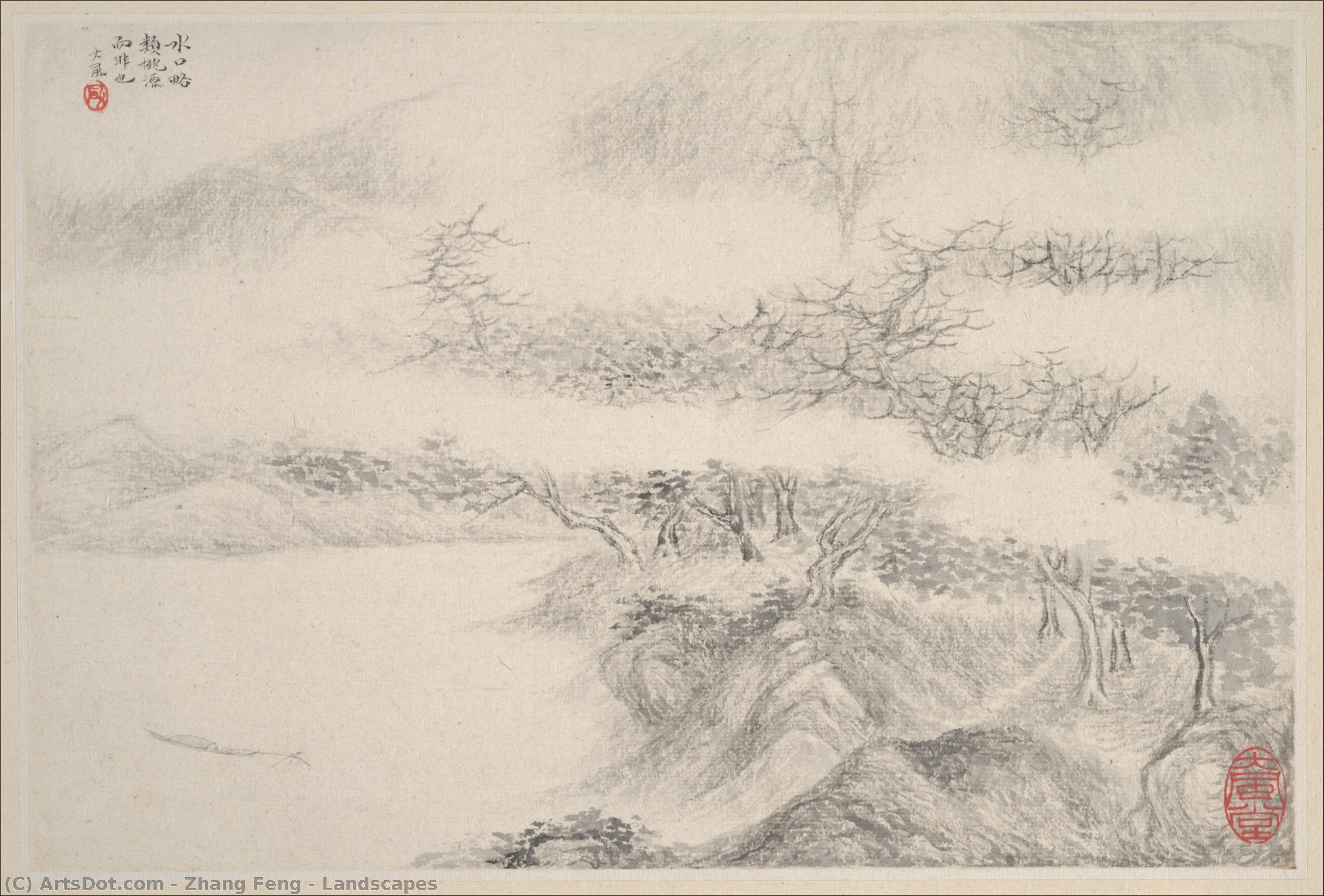
Landscapes
 1644
1644 15.0 x 23.0 cm
 Pročitaj više
Giclee štampa / Umetnički otisak
Giclée štampa ili print na platnu muzejskog kvaliteta uz brzu proizvodnju i fleksibilne opcije završne obrade. ( Kupi ručno naslikanu sliku Kupi digitalnu sliku)




































Izaberite jednu od naših unapred definisanih veličina koje odgovaraju originalnim proporcijama umetničkog dela.

Možete uneti sopstvene dimenzije kako biste umetničko delo prilagodili specifičnom okviru ili prostoru. Ako odabrani format ne odgovara proporcijama originalne slike, mi ćemo ili iscrtati deo dela ili proširiti sliku pomoću ogledane ivice ili jednobojnog popunjavanja. Digitalni prikaz će vam biti poslat na odobrenje pre početka proizvodnje.
Imajte na umu da pregled na ekranu ne odražava stvarno iscrtavanje ili proširivanje. Samo će prikaz (mockup) precizno pokazati finalnu kompoziciju.
Iako su prilagođene dimenzije dostupne, preporučujemo da odaberete dimenziju sa unapred definisane liste kako biste očuvali originalne proporcije.
Dostava širom sveta () za 2 nedelje umesto uobičajenih 4/5 nedelja. (23 август)

Besplatna ekspresna dostava širom sveta

Visokokvalitetno laneno platno

Kompletno osiguranje transporta

Garancija povraćaja carine i uvoznih dažbina

Garancija vernosti boja

Politika povrata u roku od 60 dana (samo u slučaju nedostataka)

Garancija povrata novca od 100%

Popust pri grupnoj kupovini
 Opcija sa staklom dostupna je samo za dimenzije manje od 110 cm

Landscapes
Giclee štampa / Umetnički otisak
Dimenzije reprodukcije
-


Konačna cena
$ 62
Opis predmeta
Srodna umetnička dela







Biografija umetnika
A Brushstroke Across the Ming-Qing Transition: The Life and Art of Zhang Feng
Zhang Feng, a name resonating softly across the tumultuous landscape of 17th-century China, stands as a compelling figure bridging the waning years of the Ming dynasty and the nascent Qing. Active primarily between roughly 1628 and 1662, his life coincided with a period of profound upheaval – rebellion, invasion, and ultimately, dynastic shift. While biographical details remain fragmented, piecing together the available evidence reveals an artist deeply embedded in the literati tradition yet responding to the anxieties and transformations of his time. He wasn’t merely a recorder of events but a sensitive interpreter of them, translating personal experience into evocative landscapes and poignant figure paintings. Born during the late Ming, Zhang Feng likely hailed from a scholarly family, affording him access to education and an appreciation for calligraphy and poetry – essential components of the cultivated artist's repertoire. The precise location of his birth remains unknown, but stylistic affinities suggest connections to artistic circles in Jiangsu province, a region renowned for its vibrant painting schools. His early training undoubtedly focused on mastering traditional techniques, absorbing the lessons of earlier masters like Wen Zhengming and Tang Yin, whose influence is visible in his delicate brushwork and refined compositions. However, Zhang Feng’s art quickly moved beyond mere imitation, developing a distinctive voice characterized by a subtle emotional depth and an increasingly personal approach to landscape.The Weight of a Changing World: Themes and Influences
Zhang Feng's artistic output is dominated by two primary themes: landscapes imbued with philosophical contemplation and depictions of historical or literary subjects, often carrying allegorical weight. The political instability of the era profoundly shaped his work. The fall of Beijing to Manchu forces in 1644 cast a long shadow over Chinese society, and Zhang Feng’s landscapes frequently evoke a sense of melancholy and transience. His mountains are not simply picturesque backdrops but often serve as metaphors for resilience amidst adversity or reflections on the fragility of human endeavors. The use of muted colors, sparse compositions, and dramatic atmospheric effects contribute to this overall mood of quiet introspection. He wasn’t overtly political in his imagery, avoiding direct depictions of warfare or rebellion; instead, he channeled his anxieties into more subtle forms of expression. The influence of the Yuan dynasty painter Zhao Mengfu is particularly noticeable in Zhang Feng's calligraphy and his emphasis on achieving a harmonious balance between painting, poetry, and inscription. This holistic approach, characteristic of literati painting, elevated art beyond mere visual representation to become a vehicle for expressing personal values and philosophical insights. Furthermore, the growing popularity of collecting antiquities during the late Ming likely influenced Zhang Feng’s interest in historical subjects, providing him with narratives that resonated with contemporary concerns about loyalty, loss, and the cyclical nature of history.A Distinctive Style: Technique and Composition
Zhang Feng's technical mastery is evident in his precise brushwork and subtle use of ink washes. He favored a restrained palette, often employing shades of black, gray, and ochre to create atmospheric effects and convey a sense of depth. His landscapes are characterized by a delicate balance between detail and abstraction; while he meticulously rendered individual trees and rocks, he also used broad washes to suggest vast distances and evoke the grandeur of nature.- His brushwork is notable for its fluidity and control
- He skillfully employed dry brush techniques to create textures and convey a sense of age and weathering.
- The use of blank space, or negative space, is also crucial to his compositions, creating a sense of openness and allowing the viewer’s eye to wander freely.
Legacy and Historical Significance
Despite the relative scarcity of surviving works, Zhang Feng occupies an important position in the history of Chinese art. He represents a transitional figure – one who inherited the traditions of the late Ming but also responded to the challenges and uncertainties of the early Qing. His landscapes, with their subtle emotional depth and philosophical contemplation, offer a poignant reflection on the anxieties of his time. While he didn’t actively participate in the political debates surrounding the dynastic shift, his art speaks volumes about the psychological impact of upheaval and loss. His work served as a conduit for expressing personal values and maintaining cultural continuity during a period of profound change. Although not widely known outside specialist circles until relatively recently, Zhang Feng’s paintings are increasingly recognized for their artistic merit and historical significance. His ability to blend traditional techniques with a distinctive personal voice makes him a compelling figure in the study of 17th-century Chinese art. He stands as a testament to the enduring power of art to transcend political boundaries and offer solace and meaning in times of turmoil, leaving behind a legacy that continues to resonate with viewers today.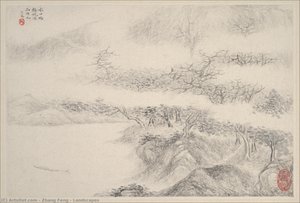
Osnovne informacije
- Artistic Movement Or Style: Late Ming Dynasty Painting
- Date Of Birth: Ca. 1628
- Date Of Death: 1662
- Full Name: Zhang Feng
- Nationality: Chinese

