

 Pregledaj u prostoru
 Pošalji
 Podeli
 Detalji o delu

 Преузми
 Slični predmeti
 Rendgenski snimak
 Slajdovi
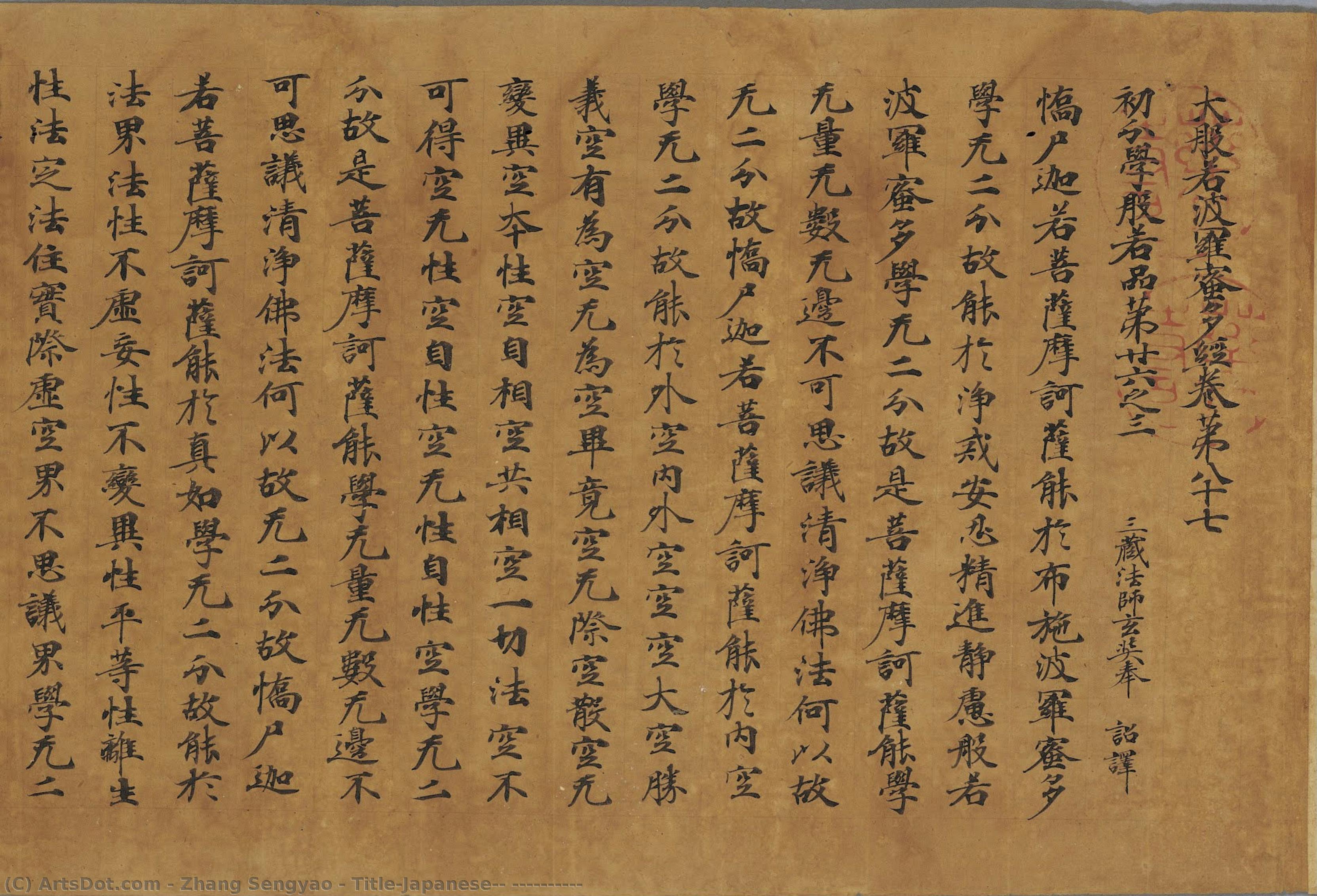
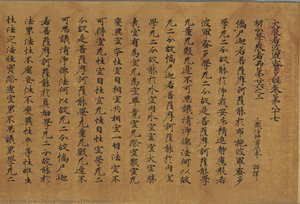
Title(Japanese): 大般若経(薬師寺経)
 700
700 34.0cm x 28.0cm
 Muzej lepih umetnosti grada Osake
 Pročitaj više
Ručno rađena uljana reprodukcija
Ručno oslikano uljanim bojama na platnu u dimenzijama i okviru po vašem izboru, izrađeno po porudžbini od strane naših umetnika. ( Kupi print Kupi digitalnu sliku)




































Izaberite jednu od naših unapred definisanih veličina koje odgovaraju originalnim proporcijama umetničkog dela.

Можете унети сопствене димензије како бисте прилагодили дело одређеном оквиру или простору. Ако одабрана величина не одговара пропорцијама оригинала, слика ће бити исечена или проширена додатним елементима који се ручно насликавају. Дигитални prikaz ће вам бити послат на одобрење пре почетка производње.
Имајте на уму да преглед на екрану не одражава стварно исецање или проширење. Само приказ (mockup) ће тачно приказати коначну композицију.
Иако су доступне прилагођене величине, препоручујемо да одаберете димензију из дефинисане листе како бисте сачували оригиналне пропорције.
Nakon narudžbine, tim ArtsDot.com će klijentu putem e-pošte poslati uputstva i dostaviti prikaz predloženog rešenja
Isporuka širom sveta () za 3/4 nedelje umesto uobičajenih 5 nedelja. (1 септембар). Bez kompromisa po pitanju kvaliteta.

Besplatna ekspresna dostava širom sveta

Visokokvalitetno laneno platno

Kompletno osiguranje transporta

Garancija povraćaja carine i uvoznih dažbina

Garancija vernosti boja

Politika povrata u roku od 60 dana (samo u slučaju nedostataka)

Garancija povrata novca od 100%

Popust pri grupnoj kupovini
 Opcija sa staklom dostupna je samo za dimenzije manje od 110 cm

Title(Japanese): 大般若経(薬師寺経)
Tehnika reprodukcije
Dimenzije reprodukcije
-


Konačna cena
$ 263
Srodna umetnička dela



Biografija umetnika
Zhang Sengyao (c. 490 – c. 540) - A Master of Liang Dynasty Ink Wash Painting
Zhang Sengyao remains an enigmatic figure in Chinese art history, shrouded in legend and celebrated for a single extraordinary tale that encapsulates the essence of artistic perfection. Despite the scarcity of biographical details—his birth year is unknown, and his death date uncertain—scholars agree on his active period during the Liang Dynasty (502–557 CE), a turbulent era marked by political fragmentation and religious fervor.
Born in Wu Commandery (modern Suzhou), Zhang Sengyao hailed from one of Wu’s four prominent clans, known for their patronage of art and scholarship. His family’s influence undoubtedly fostered his artistic inclinations, though concrete evidence regarding his formal education remains elusive. However, his dedication to Buddhist principles—evident in his lifelong devotion to the Dharma—shaped his worldview and profoundly impacted his artistic vision.
Zhang Sengyao gained renown primarily through his monumental contribution to Buddhist temple decoration, specifically the Anle Temple murals in Jinling (present-day Nanjing). These vibrant depictions of dragons—a symbol of imperial power and auspiciousness—became immortalized by a captivating anecdote that cemented his place in artistic lore.
The Legend of Flying Dragons
According to Xu Hao’s *Health Record*, Zhang Sengyao was commissioned by the Liang Prince to adorn the temple walls with four golden dragons. Driven by meticulous craftsmanship and philosophical contemplation, he painstakingly painted each dragon, striving for unparalleled realism. However, faced with skepticism from onlookers who questioned his assertion that adding eyes would cause the dragons to fly away—a statement deemed absurd by many—Zhang persevered.
With unwavering resolve, Zhang deliberately omitted pupils from two of the dragons’ eyes. He reasoned that the essence of a dragon resided in its spirit, and completing the image with eyes would infuse it with life force, triggering its ascent into the heavens. The onlookers scoffed at his unconventional approach, urging him to finalize the painting by adding pupils.
Undeterred, Zhang finally completed the task on two dragons. Immediately thereafter, a dramatic lightning bolt struck the temple wall where the dragons were situated. To everyone’s astonishment, the two dragons with pupils added to their eyes burst forth from the mural and soared into the sky—disappearing amidst thunder and lightning—leaving the remaining two dragons untouched.
Style and Technique
Zhang Sengyao's artistic style is characterized by a masterful command of ink wash painting (水墨畫), a technique deeply rooted in Daoist philosophy. He employed subtle gradations of tone, meticulous brushwork, and careful compositional arrangements to convey profound spiritual depth and visual splendor. His paintings exemplify the Liang Dynasty’s aesthetic sensibilities—a fusion of Buddhist iconography with refined artistic craftsmanship.
Scholars attribute Zhang Sengyao's distinctive style to influences from earlier masters such as Wang Meng (王夢) and Guo Xi (郭熙), who championed a contemplative approach to art that prioritized conveying inner harmony and capturing the sublime beauty of nature. Zhang’s meticulous attention to detail—particularly in depicting textures and atmospheric effects—reflects this legacy.
Legacy and Significance
Despite the loss of nearly all his extant works, Zhang Sengyao's tale continues to resonate throughout Chinese art history as a symbol of artistic perfection—a testament to the transformative power of intention and unwavering dedication. The legend encapsulates the Daoist belief that “completeness” is achieved not merely through technical skill but also through aligning oneself with cosmic principles.
More broadly, Zhang Sengyao’s contribution to Buddhist temple decoration underscores the importance of art as a vehicle for spiritual expression—a tradition that endured throughout subsequent dynasties and continues to inspire artists today. His legacy serves as an enduring reminder that true artistry transcends mere imitation; it strives to capture the essence of existence itself.
zhang sengyao
China
Osnovne informacije
- Artistic Movement Or Style: Ink Style
- Full Name: Zhang Sengyao
- Nationality: Chinese
- Notable Artworks:
- Rolling Horses
- Immortal with Deer
- Title(Japanese): 大般若経(薬師寺経)
- Place Of Birth: Wu Commandery (Suzhou)

