

 Pregledaj u prostoru
 Pošalji
 Podeli
 Detalji o delu

 Преузми
 Slični predmeti
 Rendgenski snimak
 Slajdovi
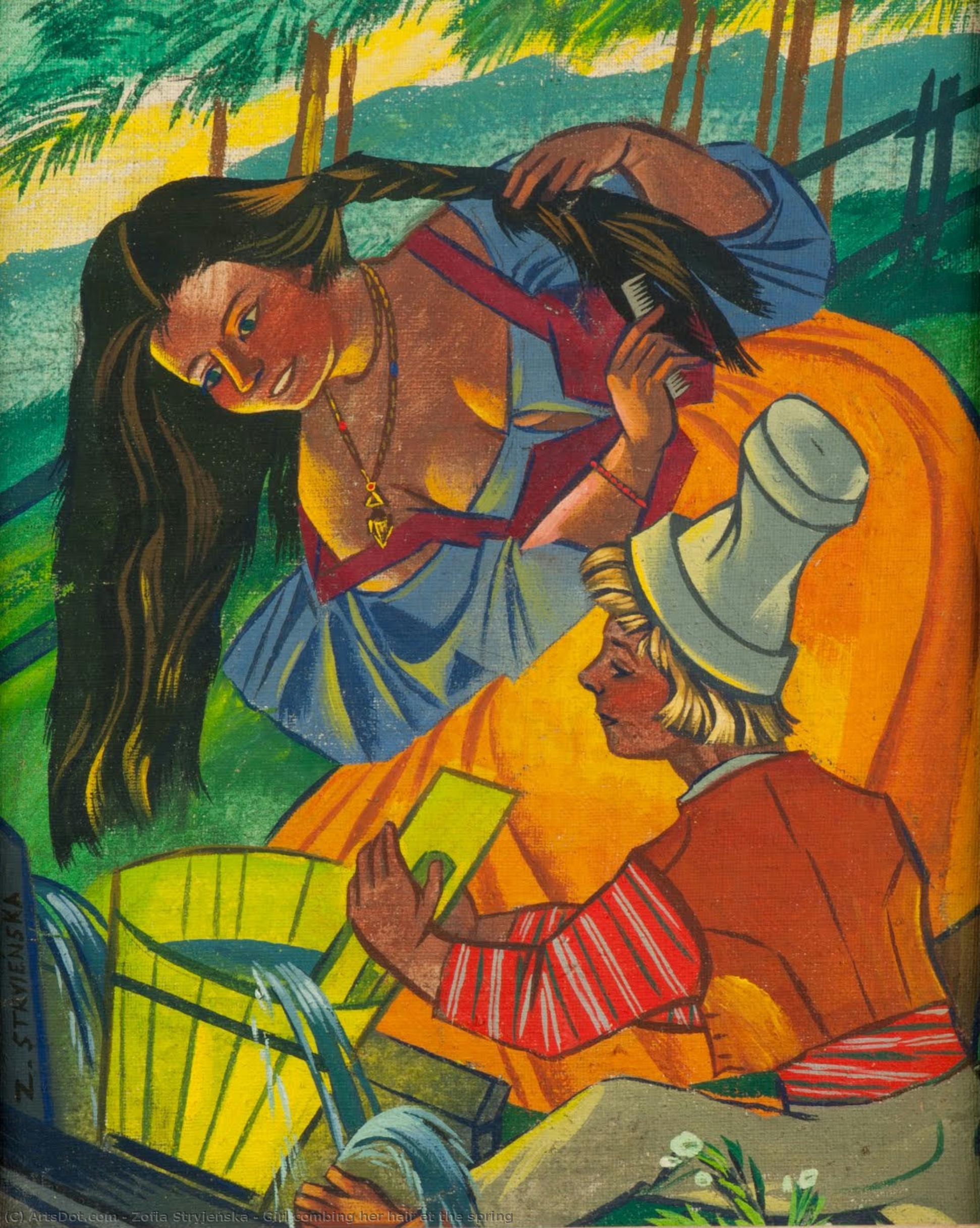
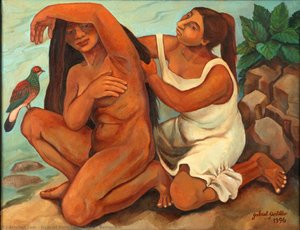
Žena česající vlasy u proljeća
 Akril na platnu
- Umetnost za zidove
- Art Deco
 64.0 x 55.0 cm
 The Polish Museum in Rapperswil
 Pročitaj više
Kupite digitalnu sliku visoke rezolucije i poboljšanog kvaliteta, koja je znatno superiornija od onoga što vidite u online prikazu.
Svaka datoteka je pedantno pripremljena od strane naših stručnjaka koristeći napredne alate i profesionalnu ručnu retušu. Osiguravamo da svaka slika ima izuzetnu oštrinu, preciznu reprodukciju boja i fine detalje.
Konačna datoteka se dostavlja putem e-pošte u roku od 72 sata, optimizovana za neposrednu upotrebu u profesionalnim, izdavačkim i štamparskim okruženjima. To je isti kvalitet kojem veruju vrhunski studiji dizajna, izdavači i galerije.
Digitalna slika
Preuzmite datoteku visoke rezolucije za ličnu upotrebu, štampanje i kreativne projekte. ( Kupi print Kupi ručno naslikanu sliku)
Uključeno uz svaku porudžbinu digitalne slike
Profesionalna digitalna isporuka, zagarantovana
Kada odaberete ArtsDot.com, ne dobijate samo sliku – vi primate profesionalno unapređeno digitalno umetničko delo, izrađeno sa najvećom preciznošću i uz garanciju zadovoljstva. Evo svega što automatski dolazi uz vašu porudžbinu:

Brza dostava putem e-pošte
Vaša digitalna slika visoke rezolucije biće vam poslata putem e-pošte u roku od 72 sata od poručivanja – spremna za trenutnu upotrebu.

Digitalna datoteka unapređena veštačkom inteligencijom
Vaše umetničko delo je profesionalno optimizovano korišćenjem naprednih AI alata i ručne obrade, čime se osiguravaju maksimalni detalji, oštrina i preciznost boja.

Besplatna ponovna isporuka doživotno
Slučajno ste obrisali ili izgubili svoju datoteku? Ne brinite – poslaćemo vam je ponovo u bilo kom trenutku, potpuno besplatno.

Bez troškova uvoza – zauvek
Uživajte u svojim umetničkim delima trenutno, bez carine, dažbina ili troškova dostave – digitalni download je uvek bez poreza.

Garancija vernosti boja
Uz pomoć profesionalnih alata i upravljanja bojama, osiguravamo da vaša digitalna slika što vernije odražava originalne boje.

Garancija zadovoljstva u roku od 60 dana
Ako niste zadovoljni svojom digitalnom slikom, revidirat ćemo je ili vratiti 100% novca u roku od 60 dana – bez ikakvih pitanja.

100% garancija povrata novca
Niste zadovoljni? Obezbedite pun povrat novca u roku od 60 dana od trenutka kada ste primili svoju digitalnu datoteku – bez suvišnih pitanja.

Popusti na velike porudžbine
Kupite 3 slike, uštedite 10% - Kupite 5 slika, uštedite 15% - Kupite 10+ slika, uštedite 20%. Odlično za kreativne projekte, galerije i agencije.
Opis kolekcionarskog dela
Zofia Stryjeńska’s ‘Girl combing her hair at the spring’: A Celebration of Polish Folklore
Zofia Stryjeńska’s “Girl combing her hair at the spring” stands as a testament to the vibrant Art Deco movement and its profound connection with Slavic folklore—a captivating illustration that transports viewers back to a bygone era. Painted around 1925, this artwork embodies the spirit of Poland's newfound independence following decades of partition, reflecting a desire for artistic expression rooted in national heritage. The piece’s bold outlines and simplified forms are characteristic of naive art, prioritizing directness and emotional resonance over meticulous realism.- Subject Matter: The scene depicts a young girl meticulously braiding her hair alongside a boy pouring water into a pail—a commonplace activity imbued with symbolic significance.
- Style & Influence: Stryjeńska’s artistic vision draws heavily from Art Deco aesthetics, incorporating geometric patterns and stylized figures reminiscent of the era's opulent designs. Subtle nods to Cubism can also be discerned in the fragmented perspectives employed.
- Technique: Employing oil paints on canvas or board, Stryjeńska utilizes visible brushstrokes—a technique that contributes to the artwork’s textured appearance and enhances its expressive quality. The artist skillfully employs color palettes saturated with vibrant hues, reminiscent of Art Deco's bold chromatic choices.
- Historical Context: Created during Poland’s interwar period, “Girl combing her hair at the spring” serves as a visual chronicle of daily life amidst a landscape shaped by both rural traditions and emerging modernity. It reflects a yearning for artistic identity—a desire to capture the essence of Polish culture in an aesthetically innovative manner.
- Symbolism: The juxtaposition of the girl’s active engagement (hair braiding) and the boy's passive activity (reading) may represent contrasting roles or states of being, hinting at broader themes concerning societal dynamics and human experience. The hazy background—featuring palm trees, a wooden fence, and distant mountains—creates an atmosphere of tropical serenity, subtly reinforcing the artwork’s idyllic portrayal of rural life.
Detailed Analysis: Color Palette & Composition
Stryjeńska's masterful use of color is paramount to conveying the artwork’s emotional impact. The dominant hues—deep blues, fiery reds, and sunny oranges—are boldly outlined against a muted greyish backdrop, creating striking visual contrast. This technique aligns perfectly with Art Deco principles, prioritizing dramatic coloration over subtle gradations. Furthermore, the composition centers around the girl, positioned prominently in the frame, drawing the viewer’s gaze directly to her expressive face and gestures. The careful arrangement of elements—the pail, the trees, and the fence—contributes to a sense of spatial depth without resorting to photorealistic rendering.Artist's Signature & Artistic Legacy
A signature bearing Stryjeńska’s name graces the artwork’s upper right corner—a subtle marker of authenticity and artistic intention. Her work exemplifies the spirit of Polish Art Deco, demonstrating a remarkable ability to synthesize stylistic influences while simultaneously honoring Slavic folklore traditions. Zofia Stryjeńska's contribution to Polish art history is undeniable; she remains an inspiring figure for artists seeking to explore themes of identity and beauty—a beacon of creativity amidst the complexities of the 20th century.Srodna umetnička dela
Biografija umetnika
A Pioneer of Polish Art Deco: The Life and Legacy of Zofia Stryjeńska
Zofia Stryjeńska, born Zofia Lubańska in Kraków, Poland, in 1891, stands as a pivotal figure in the vibrant artistic landscape of interwar Europe. More than simply a painter, she was a multifaceted artist—a graphic designer, illustrator, stage designer, and textile creator—who masterfully synthesized Art Deco aesthetics with the rich tapestry of Polish folklore. Her work wasn’t merely decorative; it was a powerful statement of national identity forged in a period of renewed independence for Poland after decades of partition. From an early age, her talent blossomed, nurtured by private lessons under Leonard Stroynowski and formal training at Maria Niedzielska's School of Fine Art for Women. A formative family trip to Italy in 1910 exposed the young artist to a wealth of European masterpieces, igniting a passion that would fuel her lifelong creative journey. This early exposure laid the groundwork for an artistic vision uniquely her own—one that celebrated both modernity and tradition.Forging a Unique Artistic Voice
Stryjeńska’s career was defined by a distinctive style that defied easy categorization. She didn't simply adopt Art Deco; she *infused* it with the spirit of Poland, creating works brimming with energy and expressive power. Her early recognition came through watercolor illustrations of Polish fables, showcased at the Kraków Society of Friends of Fine Art in 1912. These weren’t mere illustrations; they were vibrant narratives brought to life with striking visual imagery, demonstrating her ability to blend storytelling with artistic innovation. This talent extended beyond the realm of illustration. She secured commissions for designs on the Polish passenger ships “Batory” and “Pilsudski,” transforming functional spaces into showcases of Art Deco elegance. The series *Łowy Bogów* (God Hunt), created in 1921, revealed a fascination with mythological themes, rendered through dynamic compositions that showcased her evolving style. Perhaps one of her most ambitious projects was the *Pascha* (Passover) series—five tempera paintings that seamlessly wove together Polish folklore and religious iconography, demonstrating a profound understanding of cultural symbolism.Influences and Artistic Development
The wellsprings of Stryjeńska’s creativity were diverse and deeply rooted in her surroundings. Polish Folklore was not merely a subject matter; it was an integral part of her artistic DNA, informing her illustrations, decorative motifs, and overall aesthetic sensibility. She drew inspiration from the vibrant costumes, ancient myths, and rural traditions that defined Polish culture. Simultaneously, she embraced the Art Deco Movement, adapting its geometric forms, streamlined designs, and luxurious aesthetic to her own unique vision. This wasn’t a simple imitation; it was a creative dialogue between international trends and national identity. Early influences from Early Modernism also played a role in shaping her initial artistic explorations, providing a foundation upon which she built her distinctive style. The critic Jerzy Warchaławski recognized her potential early on, championing her work in the Polish magazine “Time” in 1913 and significantly boosting her career trajectory. Despite being nominated for the prestigious Golden Laurel of the Polish Academy of Literature in the 1930s, she humbly declined the honor, preferring to let her art speak for itself. Exhibitions at the Belvedere Palace & Museum in Vienna further solidified her reputation as a leading artist on the European stage.A Life Marked by Passion and Resilience
Stryjeńska’s life was not without its challenges. Her personal experiences—a tumultuous marriage to Karol Stryjeński, periods of mental health struggles, and financial difficulties—often mirrored the complexities of her art. She navigated a male-dominated artistic world with unwavering determination, even famously disguising herself as a man, Tadeusz Grzymała Lubański, to gain access to education at the Munich Academy of Fine Arts. This act of defiance speaks volumes about her commitment to her craft and her refusal to be limited by societal constraints. Her diaries, recently gaining attention, reveal a complex personality—passionate, fiercely independent, and prone to both creative brilliance and emotional turmoil. Despite these hardships, she continued to create art throughout her life, exploring various themes and mediums with unwavering dedication. She ventured into advertising graphics, designing for companies like Lotte Wedel, and created designs for porcelain plates, making art accessible to a wider audience. Zofia Stryjeńska passed away in 1976, leaving behind a legacy that continues to inspire artists and captivate audiences today. Her influence can be seen in the works of other artists who embraced Art Deco designs, such as Paul Iribe. Today, her artwork is exhibited in museums worldwide—including the Novokuznetsk Art Museum and the Museum Kunstsalon Franke Schenk—ensuring that her contributions to Polish and international art are remembered and celebrated for generations to come. She remains a testament to the power of artistic vision, cultural pride, and unwavering resilience.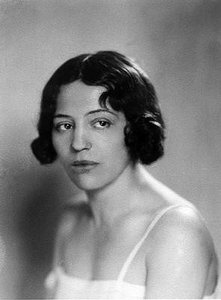
Zofia Stryjeńska
1891 - 1976 , Poland
Kratke činjenice
- Artistic Movement Or Style: Art Deco, Folklore
- Artists Or Movements Influenced By This Artist: ['Paul Iribe']
- Date Of Birth: May 13, 1891
- Date Of Death: February 28, 1976
- Full Name: Zofia Stryjeńska
- Nationality: Polish
- Notable Artworks:
- Watercolor Fables
- Batory/Pilsudski Design
- Łowy Bogów (God Hunt)
- Pascha (Passover)
- Place Of Birth: Krakow, Poland

