

 Pregledaj u prostoru
 Pošalji
 Podeli
 Detalji o delu

 Преузми
 Slični predmeti
 Rendgenski snimak
 Slajdovi
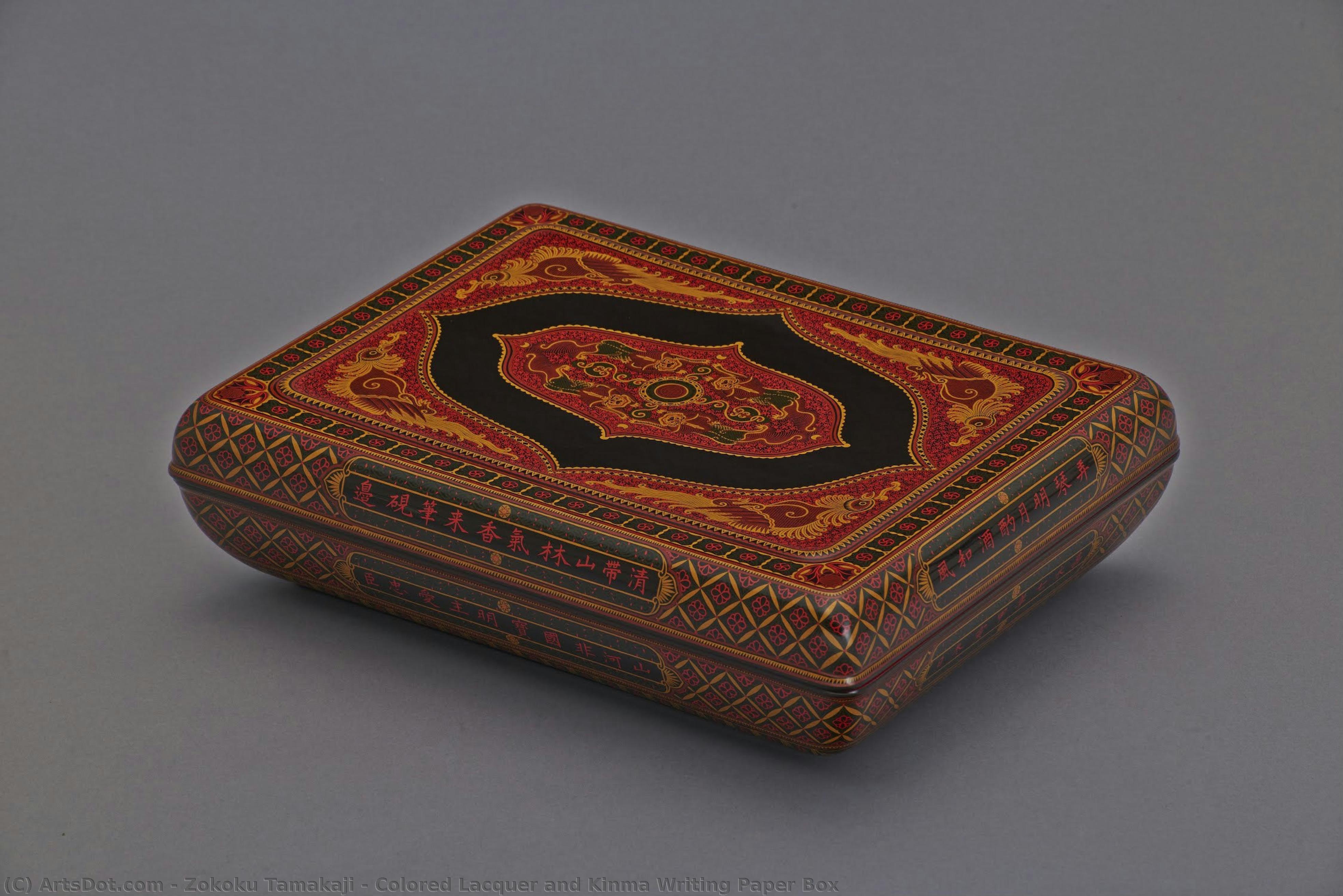
Colored Lacquer and Kinma Writing Paper Box

 Pročitaj više
Kupite digitalnu sliku visoke rezolucije i poboljšanog kvaliteta, koja je znatno superiornija od onoga što vidite u online prikazu.
Svaka datoteka je pedantno pripremljena od strane naših stručnjaka koristeći napredne alate i profesionalnu ručnu retušu. Osiguravamo da svaka slika ima izuzetnu oštrinu, preciznu reprodukciju boja i fine detalje.
Konačna datoteka se dostavlja putem e-pošte u roku od 72 sata, optimizovana za neposrednu upotrebu u profesionalnim, izdavačkim i štamparskim okruženjima. To je isti kvalitet kojem veruju vrhunski studiji dizajna, izdavači i galerije.
Digitalna slika
Preuzmite datoteku visoke rezolucije za ličnu upotrebu, štampanje i kreativne projekte. ( Kupi print Kupi ručno naslikanu sliku)
Uključeno uz svaku porudžbinu digitalne slike
Profesionalna digitalna isporuka, zagarantovana
Kada odaberete ArtsDot.com, ne dobijate samo sliku – vi primate profesionalno unapređeno digitalno umetničko delo, izrađeno sa najvećom preciznošću i uz garanciju zadovoljstva. Evo svega što automatski dolazi uz vašu porudžbinu:

Brza dostava putem e-pošte
Vaša digitalna slika visoke rezolucije biće vam poslata putem e-pošte u roku od 72 sata od poručivanja – spremna za trenutnu upotrebu.

Digitalna datoteka unapređena veštačkom inteligencijom
Vaše umetničko delo je profesionalno optimizovano korišćenjem naprednih AI alata i ručne obrade, čime se osiguravaju maksimalni detalji, oštrina i preciznost boja.

Besplatna ponovna isporuka doživotno
Slučajno ste obrisali ili izgubili svoju datoteku? Ne brinite – poslaćemo vam je ponovo u bilo kom trenutku, potpuno besplatno.

Bez troškova uvoza – zauvek
Uživajte u svojim umetničkim delima trenutno, bez carine, dažbina ili troškova dostave – digitalni download je uvek bez poreza.

Garancija vernosti boja
Uz pomoć profesionalnih alata i upravljanja bojama, osiguravamo da vaša digitalna slika što vernije odražava originalne boje.

Garancija zadovoljstva u roku od 60 dana
Ako niste zadovoljni svojom digitalnom slikom, revidirat ćemo je ili vratiti 100% novca u roku od 60 dana – bez ikakvih pitanja.

100% garancija povrata novca
Niste zadovoljni? Obezbedite pun povrat novca u roku od 60 dana od trenutka kada ste primili svoju digitalnu datoteku – bez suvišnih pitanja.

Popusti na velike porudžbine
Kupite 3 slike, uštedite 10% - Kupite 5 slika, uštedite 15% - Kupite 10+ slika, uštedite 20%. Odlično za kreativne projekte, galerije i agencije.
Srodna umetnička dela








Biografija umetnika
The Renaissance of Urushi: Zokoku Tamakaji and the Kagawa Tradition
Zokoku Tamakaji, a name synonymous with the revitalization of Japanese lacquerware in the late Edo period (1806-1869), wasn’t merely an artisan; he was a visionary who breathed new life into a fading art form. Born in Takamatsu City, Kagawa Prefecture, his journey began not as a master craftsman but as an inquisitive observer, captivated by the beauty and complexity of imported lacquer pieces from China and Southeast Asia. These foreign works, housed within the collections of prominent temples like Higashi-Honganji and Daitokuji, ignited a passion that would define his life’s work – to understand, adapt, and ultimately elevate the traditional techniques of *urushi*.
The Edo period had seen a gradual decline in the quality and innovation of domestic lacquerware. While regional styles persisted, they often lacked the vibrancy and sophistication found in their Chinese counterparts. Tamakaji recognized this disparity and embarked on a dedicated study of these imported examples. He wasn’t interested in simple imitation; instead, he meticulously deconstructed the techniques – the layering processes, the incorporation of materials like gold powder (*kinma*), and the subtle nuances of color application – seeking to assimilate them into a uniquely Japanese aesthetic.
A Synthesis of Styles: Influences and Early Development
Tamakaji’s early career was marked by an intense period of experimentation. He wasn't content with simply replicating foreign styles; he sought to fuse them with the existing traditions of *makie* lacquerware, a technique known for its intricate designs created using gold or silver dust sprinkled onto wet lacquer. This fusion wasn’t immediate. It involved years of painstaking trial and error, mastering the delicate balance between imported techniques like *choshitsu* (multiple layers of colored lacquer) and *zonsei* (drawing patterns with colored urushi followed by engraving and gilding), and the established Japanese methods.
His appointment by Matsudaira Yorihiro to manage and supervise items in the domain’s treasury proved pivotal. This position afforded him access to a wealth of materials, resources, and, crucially, the opportunity to refine his techniques under practical conditions. It was during this time that he began developing what would become known as the “Tamakaji style,” characterized by its bold colors, intricate patterns, and exceptional depth – a testament to his mastery of layering and polishing.
The Tamakaji Style: Innovation in Urushi Decoration
What truly set Tamakaji apart was his innovative approach to decoration. He didn’t simply apply foreign motifs; he reinterpreted them through a distinctly Japanese lens, often incorporating elements inspired by nature – flowers, birds, and landscapes. His work frequently featured the *kinma* technique, using finely engraved patterns filled with colored lacquer and gold powder to create shimmering surfaces that seemed to capture light itself.
The development of his signature techniques wasn’t solely focused on aesthetics. Tamakaji also prioritized durability and longevity, ensuring that his pieces were not only beautiful but also capable of withstanding the test of time. He meticulously controlled every aspect of the process, from the selection of raw materials to the final polishing stages, resulting in lacquerware of unparalleled quality.
Legacy and Historical Significance
Zokoku Tamakaji’s impact on Japanese lacquerware is immeasurable. He single-handedly revived a declining art form, establishing Kagawa Prefecture as a center for *urushi* production that continues to thrive today. His techniques – including *kinma*, *choshitsu*, and *zonsei* – were designated as Sanuki Traditional Crafts by the Japanese government, ensuring their preservation for future generations.
The establishment of the Kagawa Urushi Lacquerware Institute in 1954 further solidified his legacy. As one of only two public institutions dedicated to lacquer art in Japan (the other being in Wajima), the institute continues to foster successors and promote the traditions that Tamakaji pioneered. His influence extends beyond technique; he instilled a spirit of innovation and dedication to craftsmanship that remains central to the Kagawa *urushi* tradition.
Today, Zokoku Tamakaji is remembered not just as an artist but as a cultural icon – a symbol of Japanese artistry, resilience, and the enduring power of tradition. His work stands as a testament to the transformative potential of cross-cultural exchange and the importance of preserving artistic heritage.
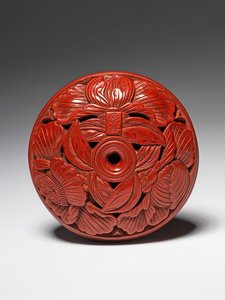
zokoku tamakaji
1806 - 1869 , Japan
Kratke činjenice
- Artistic Movement Or Style: Urushi lacquerware
- Artists Or Movements Influenced By This Artist: ['Kagawa lacquerware artists']
- Artists Who Influenced This Artist: ['Chinese & SE Asian artists']
- Date Of Birth: 1806
- Date Of Death: 1869
- Full Name: Zokoku Tamakaji
- Nationality: Japanese
- Notable Artworks:
- Colored Lacquer Inkstone Box
- Colored Lacquer Writing Paper Box
- Place Of Birth: Takamatsu, Japan

