

 Pregledaj u prostoru
 Pošalji
 Podeli
 Detalji o delu

 Преузми
 Slični predmeti
 Rendgenski snimak
 Slajdovi
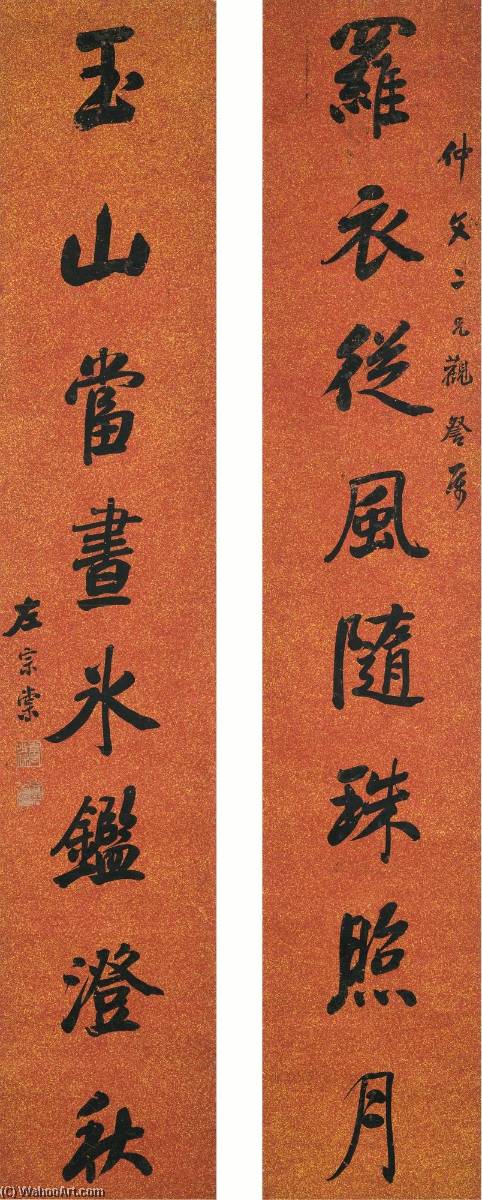
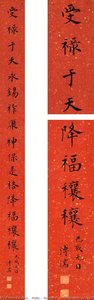
Calligraphy Couplet in Xingshu
 156.0 x 29.0 cm
 Pročitaj više
Ručno rađena uljana reprodukcija
Ručno oslikano uljanim bojama na platnu u dimenzijama i okviru po vašem izboru, izrađeno po porudžbini od strane naših umetnika. ( Kupi print Kupi digitalnu sliku)




































Izaberite jednu od naših unapred definisanih veličina koje odgovaraju originalnim proporcijama umetničkog dela.

Можете унети сопствене димензије како бисте прилагодили дело одређеном оквиру или простору. Ако одабрана величина не одговара пропорцијама оригинала, слика ће бити исечена или проширена додатним елементима који се ручно насликавају. Дигитални prikaz ће вам бити послат на одобрење пре почетка производње.
Имајте на уму да преглед на екрану не одражава стварно исецање или проширење. Само приказ (mockup) ће тачно приказати коначну композицију.
Иако су доступне прилагођене величине, препоручујемо да одаберете димензију из дефинисане листе како бисте сачували оригиналне пропорције.
Nakon narudžbine, tim ArtsDot.com će klijentu putem e-pošte poslati uputstva i dostaviti prikaz predloženog rešenja
Isporuka širom sveta () za 3/4 nedelje umesto uobičajenih 5 nedelja. (25 август). Bez kompromisa po pitanju kvaliteta.

Besplatna ekspresna dostava širom sveta

Visokokvalitetno laneno platno

Kompletno osiguranje transporta

Garancija povraćaja carine i uvoznih dažbina

Garancija vernosti boja

Politika povrata u roku od 60 dana (samo u slučaju nedostataka)

Garancija povrata novca od 100%

Popust pri grupnoj kupovini
 Opcija sa staklom dostupna je samo za dimenzije manje od 110 cm

Calligraphy Couplet in Xingshu
Tehnika reprodukcije
Dimenzije reprodukcije
-


Konačna cena
$ 263
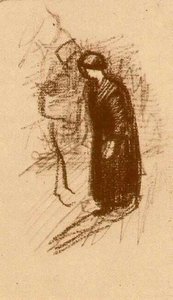
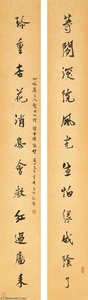
Srodna umetnička dela




Biografija umetnika
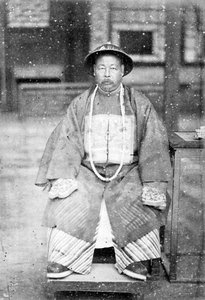
Zuo Zongtang: The Architect of Qing Revival
Zuo Zongtang (born Nov. 10, 1812, Xiangyin, Hunan province, China—died Sept. 5, 1885, Fuzhou, Fujian province) was a Chinese administrator and military leader who stands as one of the pivotal figures in restoring stability to the Qing dynasty during its turbulent decline. His unwavering dedication to preserving imperial authority amidst internal strife and external pressures cemented his legacy as a transformative reformer and a symbol of resilience for China’s cultural heritage. Born into a family steeped in Confucian scholarship, Zuo’s early life was marked by rigorous academic pursuits focused on geography and agriculture—disciplines that would prove invaluable in shaping his administrative approach. Recognizing the looming threat posed by the Taiping Rebellion (1850–1864), a devastating uprising fueled by religious fervor and social discontent, Zuo swiftly mobilized local defenses and ascended to prominence as a commander within the Qing military. His decisive leadership during this period demonstrated an astute understanding of battlefield strategy and garnered him considerable respect amongst his peers. The zenith of Zuo’s career arrived in 1867 when he was appointed governor-general of Shaanxi and Gansu—territories ravaged by Muslim rebellions that challenged Qing sovereignty. Unlike many officials paralyzed by inaction, Zuo embarked on a methodical campaign to quell the insurgency, prioritizing pragmatic solutions underpinned by economic revitalization and leveraging Western technological advancements. This approach wasn’t merely about military conquest; it represented a fundamental reimagining of governance – bolstering local economies and fostering cooperation between imperial forces and regional populations. His crowning achievement came in 1869 with his triumphant recapture of Kashgar—a strategically vital city at the crossroads of Central Asia—from Russian influence. This audacious undertaking showcased Zuo’s unwavering determination to safeguard China's borders and reinvigorate its prestige on the international stage. The Treaty of St. Petersburg (1881), brokered after years of arduous negotiations, formally recognized Qing dominion over Xinjiang, marking a resounding victory for Zuo’s vision of restoring imperial grandeur. Despite facing considerable opposition from conservative factions within the Qing court—who viewed his reforms as destabilizing—Zuo persevered in advocating for modernization and bolstering China's defenses against encroaching foreign powers. Tragically, he succumbed to illness in 1885, leaving behind a profound impact on Chinese history. His legacy endures not only as a military strategist but also as an embodiment of Confucian ideals – unwavering loyalty to the emperor and steadfast commitment to upholding traditional values amidst turbulent times. Zuo Zongtang’s life serves as a testament to the enduring power of principled leadership in safeguarding national identity and securing a brighter future for China.- Notable Achievements: Successful suppression of Muslim rebellions, recapture of Kashgar, Treaty of St. Petersburg (1881), bolstering Qing defenses.
- Influences: Confucian scholarship, Geographic studies, Military strategy
- Historical Significance: Symbol of Qing revival, Champion of modernization amidst conservative resistance
Osnovne informacije
- Artistic Movement Or Style: Calligraphy
- Artists Or Movements Influenced By This Artist: ['']
- Artists Who Influenced This Artist: ['']
- Date Of Death: Sept 5, 1885
- Full Name: Zuo Zongtang
- Nationality: Chinese
- Notable Artworks: ['Running Script Couplet']
- Place Of Birth: Xiangyin, Hunan province

