The Soul of the Canvas: Understanding the Emotional Resonance of Sacred Imagery
 Divine Visions: Top 10 Masterpieces of Religious Art Through the Ages
Introduction To step into the presence of religious art is to enter a dialogue with the infinite. For centuries, the canvas and the stone have served as the primary vessels for humanity's most profound questions, capturing the whispers of the divine ...
To step into the presence of religious art is to enter a profound dialogue with the infinite, where the boundaries between our earthly existence and the divine begin to blur. For centuries, the canvas has served as much more than a mere surface for pigment; it has acted as a sacred window, capturing moments of profound transcendence, quiet devotion, and the overwhelming awe of the miraculous. When we look upon these works, we are not simply studying history or observing technical skill; we are embarking on a journey through the deepest corridors of the human soul. These masterpieces serve as vessels for storytelling, translating complex theological mysteries into a visual language that speaks directly to the heart, regardless of one's background or literacy.
The power of sacred imagery lies in its ability to give form to the formless, making the invisible visible through the masterful use of light and shadow. Whether it is the dramatic, tension-filled compositions of the Baroque period or the serene, symbolic stillness found in ancient icons, religious art seeks to evoke a sense of reverence. In our modern, fast-paced world, these works offer us a rare and precious opportunity to pause and reconnect with universal themes of sacrifice, redemption, and peace. Even when approached through a purely aesthetic lens, the emotional gravity of a well-placed brushstroke or the luminous glow on a saint’s face can stir something deeply resonant within us, reminding us of our shared human endeavor to find meaning in the face of mystery.
Choosing Your Theme: From Serene Madonna Portraits to Dramatic Baroque Visions
 Oil Sketch for High Altarpiece, St Bavo, Ghent
Oil Sketch for High Altarpiece, St Bavo, Ghent: A Window into Rubens’s Baroque Vision The Oil Sketch for High Altarpiece, St Bavo, Ghent, offered by ArtsDot.com, is more than just a depiction of a religious scene; it's an intimate glimpse into the c...
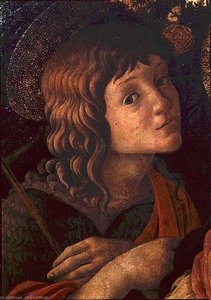
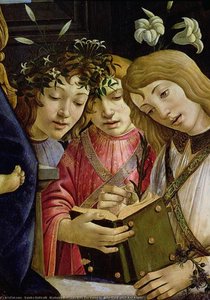
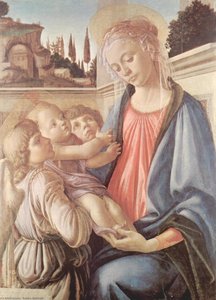
Selecting a piece of religious art for your home requires a thoughtful consideration of the mood you wish to cultivate. For those seeking a sanctuary of peace and maternal tenderness, the Renaissance tradition offers unparalleled beauty through depictions of the Virgin and Child. Works such as Sandro Botticelli’s exquisite portrayals capture an intimate moment of sacred connection, where the gentle gaze of a mother and the trusting posture of an infant evoke universal themes of care and innocence. These pieces radiate warmth and serenity, making them perfect for creating a private space filled with emotional resonance and quiet contemplation.
Conversely, if your heart is drawn to the grandeur and intensity of the divine, the Baroque era provides a breathtaking alternative. This period is characterized by a raw energy and emotional intensity, often utilizing a dramatic interplay of light and shadow—known as chiarosc_uro—to illustrate the struggle between the earthly and the eternal. Consider the works inspired by Sir Peter Paul Rubens, where vibrant color palettes and figures imbued with palpable emotion create a sense of movement and spiritual ecstasy. From the delicate, luminous grace of Fra Angelico’s Annunciation to the sweeping, communal narratives of religious processions, the choice of theme allows you to decide whether your space will reflect quiet, humble devotion or the overwhelming awe of a miraculous event.
Integrating Divinity into Decor: Matching Art Styles with Your Interior Aesthetic
 Divine Remix: Reimagining Sacred Christian Iconography with a Bold, Modern Edge in Contemporary Pop Art
The Great Rebrand: Moving Sacred Icons from Cathedulateds to the Urban Landscape Divine Remix: The High-Impact Rebirth of Sacred Iconography in Pop & Street Art The Great Rebrand: When Sacred Icons Meet Urban Grit Divine Energy: The Bold Rise of Sacr...
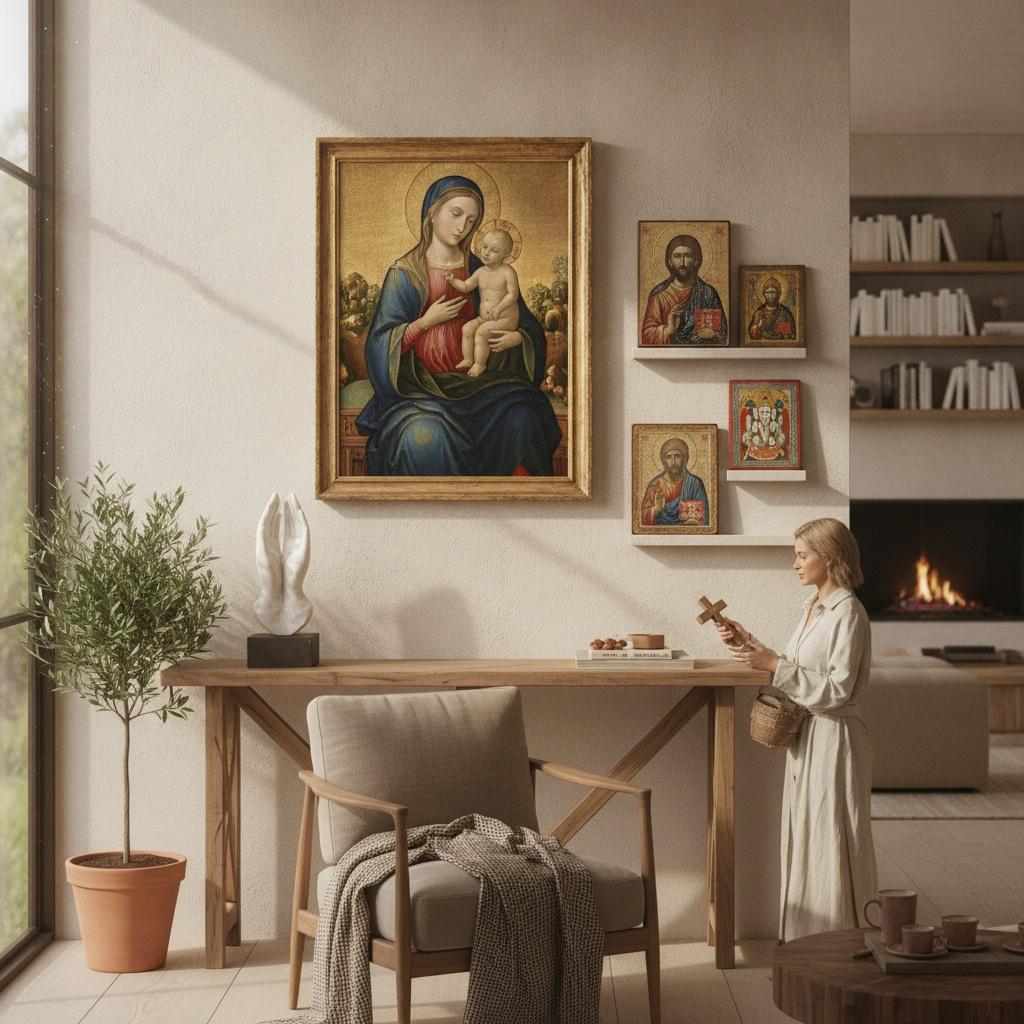
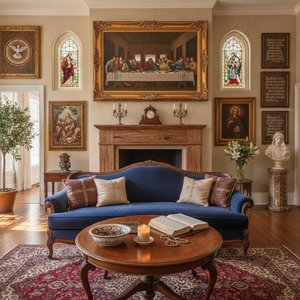
Bringing sacred art into a contemporary home is an exercise in harmonious interior design, where the goal is to blend historical reverence with modern elegance. For the classic art enthusiast, the key is to consider how the stylistic elements of a painting interact with your existing color palette and room type. If you are decorating a refined, light-filled living space, the soft pinks, vibrant blues, and shimmering golds of early Renaissance works can act as a luminous centerpiece, elevating the room with their classical idealization and grace. These pieces harmonize beautifully with neutral tones, adding a layer of sophisticated history to a modern setting.
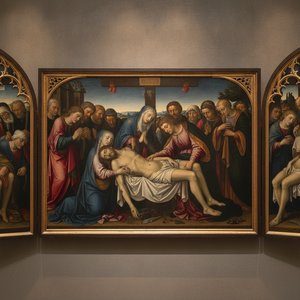
For more adventurous decorators, religious art offers incredible versatility through what we call a "remix" of history. You might choose to place a bold, high-impact modern reproduction in an urban, industrial loft, or even utilize our professional services to transform a personal photograph into a masterpiece in the style of a 17th-century master. If you have a wide wall or a grand staircase, consider the trend of multi-panel group sets, which split a single religious scene across three, four, or five panels to create a cohesive, architectural look. By browsing by color or mood rather than just artist name, you can ensure that your chosen piece feels like a natural extension of your home's unique soul, bridging the gap between historical tradition and modern lifestyle.
The Tactile Experience: Why Hand-Painted Oil Reproductions Elevate Spiritual Spaces
 Sacred Symbols: Decoding the Iconography and Spiritual Power of the World’s Greatest Religious Masterpieces
The Eternal Impulse: Understanding the Purpose of Sacred Imagery in Human History Sacred Narratives Embodied: A Comprehensive Exploration of Religious Iconography in Art History The Genesis of Sacred Imagery: Early Religious Art & Its Purpose Wikiped...
When selecting art intended to inspire devotion, the medium itself carries significant weight. While high-quality prints offer accessibility, there is an incomparable spiritual depth found in a 100% hand-painted oil reproduction on cotton canvas. Unlike computer-printed images that can appear flat, a handmade oil painting possesses a physical soul. The visible brushstrokes and the rich, impasto textures created by the artist’s hand provide a tactile dimension that invites the viewer to linger. This depth of texture allows for subtle gradations of light and shadow, bringing the figures to life in a way that mimics the original masters.
The artistry involved in these reproductions is a labor of passion. Our artists, who hold degrees from prestigious Fine Arts academies, use specific materials like flexible gesso to prevent cracking and specialized oils to ensure the whites do not yellow over time. This meticulous process—involving layers of pigment and a final protective coat of Damar varnish—ensures that the artwork is not just a decoration, but a lasting legacy. For those who appreciate the "aged" look of history, we even offer an optional
craquelure finish to replicate the beautiful cracks found in centuries-old masterpieces. Choosing a hand-painted piece means choosing an artwork with a deeper tonal range and a physical presence that truly honors the sacred subject matter.
Curating a Legacy: Tips for Preserving and Displaying Religious Masterpieces
 Iconography
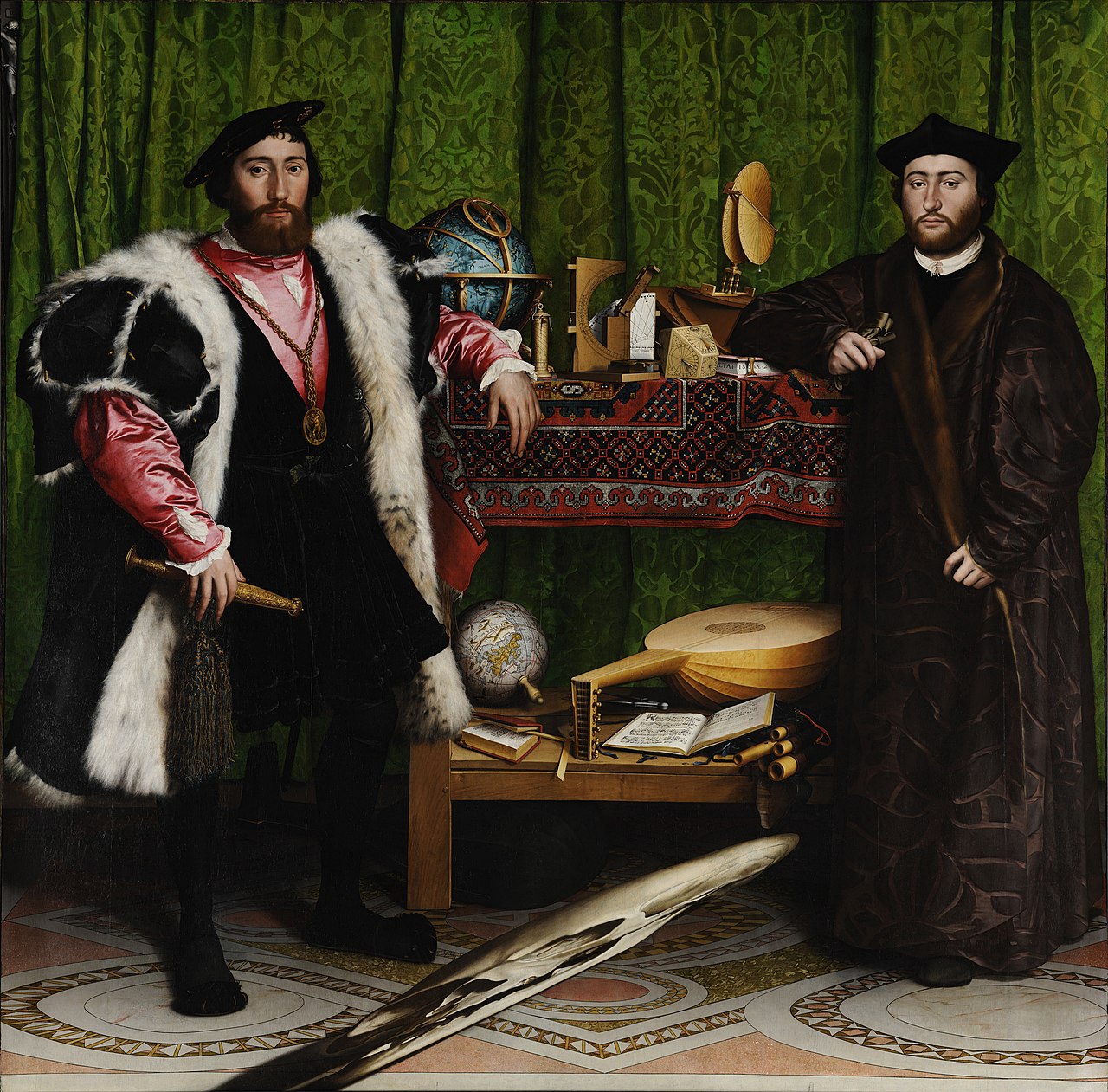
Iconography, as a branch of art history, studies the identification, description and interpretation of the content of images: the subjects depicted, the particular compositions and details used to do so, and other elements that are distinct from arti...
Owning a piece of religious art is a commitment to preserving a fragment of human history. To protect your investment and ensure that the pigments remain vibrant for generations, proper care is essential. We recommend avoiding direct sunlight, which can cause fading over time, and using acid-free matting if you choose to frame a print. For our hand-painted oils, the structural integrity is maintained through reinforced stretcher bars designed to prevent warping, but they should still be kept in a climate-controlled environment away from extreme moisture.
As you curate your collection, think of each piece as a building block of your home's narrative. Whether you are commissioning a custom portrait that transforms a family milestone into a Renaissance-style masterpiece or displaying a large-format mural that recreates the grandeur of a cathedral ceiling, the goal is longevity. If you ever find yourself unsure about how to display a new acquisition, our expert art consultants are available to provide personalized proposals, even digitally "placing" the art on a photo of your wall to ensure a perfect fit. By treating your art with the reverence it deserves, you ensure that these windows into the divine will continue to inspire awe and contemplation for decades to come.
For more inspiration and to explore our collection of hand-painted masterpieces, visit ArtsDot.com—The Welcoming Discovery Store.