
Early Life and Parisian Training: The Foundations of Shindler’s Artistic Vision
Antonio Zeno Shindler (c. 1823 – August 8, 1899) was a Bulgarian-born American photographer and painter. Born c. 1823, as Antonio Zeno, Shindler studied art in Paris, moving to the United States with anthropologist William Henry Blackmore c. 1845. Wh...
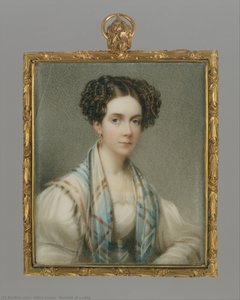
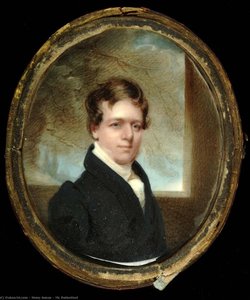
Antonio Zeno Shindler, born circa 1823 in Bulgaria, represents a fascinating intersection of artistic training, scientific curiosity, and the burgeoning field of cross-cultural documentation. While biographical details remain somewhat elusive, it is known that his formative years were profoundly shaped by study in Paris – the undisputed heart of the art world during the mid-19th century. This period was crucial; Shindler didn’t simply acquire technical skill but absorbed the prevailing aesthetic currents, a blend of academic realism and the nascent stirrings of Romanticism. The emphasis on precise observation, anatomical accuracy, and masterful rendering of light and shadow would become hallmarks of his work, yet it wasn't merely replication he pursued. Paris instilled in him an appreciation for capturing not just *what* was seen, but also a sense of atmosphere, character, and the subtle nuances of human expression – qualities that would later distinguish his portraits.
Transatlantic Passage and Anthropological Collaboration: Documenting Cultures with Blackmore
Around 1845, Shindler’s trajectory took an unexpected turn. He embarked on a journey to the United States alongside William Henry Blackmore, a prominent anthropologist whose work focused on documenting indigenous cultures. This partnership proved pivotal, transforming Shindler from a classically trained artist into a visual chronicler of societies largely unknown to Western audiences. Their collaboration wasn't simply about creating ethnographic records; it was driven by a genuine desire – though viewed through the lens of 19th-century perspectives – to understand and preserve diverse ways of life. Blackmore’s anthropological insights provided context, while Shindler’s artistic talent brought these cultures to vivid life. The resulting portraits weren't merely likenesses; they were attempts to capture the dignity, complexity, and unique identities of individuals from Samoa, Melanesia, and other regions. This period marks a significant departure from traditional portraiture, moving beyond idealized representations towards a more observational and culturally sensitive approach.
Shindler's Portraiture Style: Bridging Realism, Expressionism, and the Subjective Gaze
Expressionism is a modernist movement, initially in poetry and painting, originating in Northern Europe around the beginning of the 20th century. Its typical trait is to present the world solely from a subjective perspective, distorting it radically ...
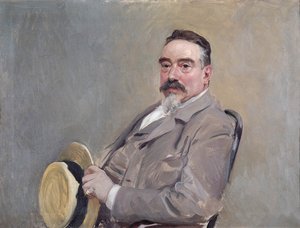
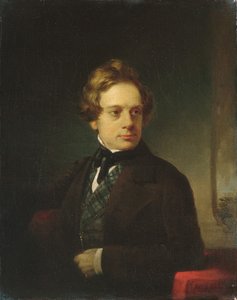
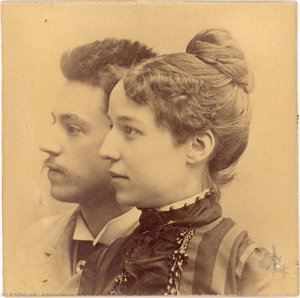
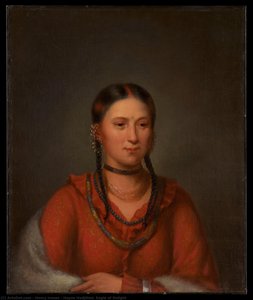
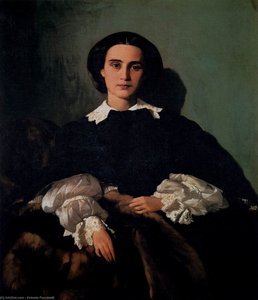
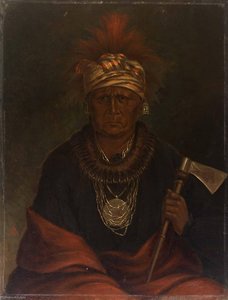
Shindler’s artistic style defies easy categorization. Rooted in the realism he honed during his Parisian training, his portraits possess an undeniable technical virtuosity – a meticulous attention to detail evident in the rendering of fabrics, jewelry, and facial features. However, there's a subtle undercurrent that sets his work apart: a nascent expressionism. While not overtly dramatic like later Expressionist paintings, Shindler’s subjects often convey a profound sense of inner life, a quiet dignity tinged with melancholy or stoicism. This is achieved through nuanced use of light and shadow, carefully chosen compositions, and an ability to capture the psychological essence of his sitters. He wasn't simply painting faces; he was attempting to portray souls. The subjective element – Shindler’s own interpretation and emotional response to his subjects – becomes palpable in each portrait, hinting at a deeper engagement than purely objective documentation.
The Smithsonian Years and the First Photograph Exhibit: Preserving Cultural Heritage
Shindler's relocation to Washington D.C. marked a new chapter in his career, one dedicated to preserving and disseminating the cultural records he had painstakingly created with Blackmore. His association with the Smithsonian American Art Museum was instrumental in establishing the institution’s early photographic collection. In 1867, Blackmore generously loaned his extensive photograph archive to Shindler, which formed the core of the Smithsonian's inaugural photography exhibit – a landmark event that brought these previously unseen cultures to an American audience. This act wasn’t merely about showcasing images; it was about fostering understanding and appreciation for the diversity of human experience. Shindler’s role extended beyond curation; he likely played a key part in selecting, arranging, and presenting the photographs in a manner that emphasized their artistic merit and anthropological significance.
Legacy and Influence: Shindler’s Contribution to Early 20th-Century Modernist Representation
Antonio Zeno Shindler's life ended tragically on August 8, 1899, following an accident involving a streetcar in Washington D.C. However, his artistic legacy endures. While often overshadowed by the more prominent figures of the modernist movement, Shindler’s work foreshadowed key themes that would define early 20th-century art: a rejection of idealized representation, a focus on subjective experience, and an exploration of cultural identity. His portraits, with their blend of realism and expressionism, challenged conventional notions of beauty and authenticity. He paved the way for artists who sought to capture the complexities of human existence beyond superficial appearances. Today, Shindler’s work offers a valuable glimpse into a pivotal moment in history – a time when art and anthropology converged to document, preserve, and ultimately, attempt to understand the rich tapestry of global cultures. ArtsDot.com is proud to offer high-quality reproductions of Shindler's captivating portraits, allowing collectors to experience the artistry and historical significance of this remarkable artist firsthand.