




The Fundamentals of Art Preservation: Understanding Environmental Risks
--- title: Caring for Your Paintings url: https://mci.si.edu/caring-your-paintings hostname: si.edu description: node:field_teaser] sitename: mci.si.edu --- __What is a Painting?__ A traditional painting is constructed, in order from bottom to top, o...
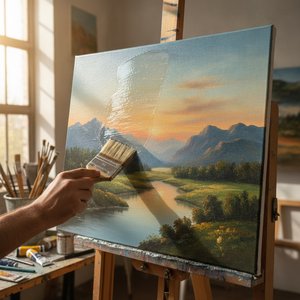
To the discerning collector, a painting is far more than a mere decorative element; it is a complex assembly of organic and inorganic materials, each possessing its own unique chemical signature and physical vulnerability. Whether one holds a delicate watercolor on paper or a robust oil on canvas, understanding the structural anatomy of an artwork is the first step in professional stewardship. A traditional painting is constructed through a meticulous hierarchy of layers: the support, such as fabric or wood; the ground, which acts as a receptive foundation; the paint itself, composed of pigments and binders; and the protective coating, often a resinous varnish. Each of these components reacts differently to the world around it. When we speak of preservation, we are essentially discussing the management of entropy—the natural tendency for materials to degrade when exposed to external stressors. Recognizing that every element, from the tension in a canvas stretcher to the flexibility of an oil glaze, is subject to environmental influence allows a collector to transition from passive ownership to active, professional conservation.
Managing Light Exposure: Preventing Fading and UV Damage
 Preserving Artistic Legacy: The Enduring Power of Varnish on Oil Paintings
The Timeless Allure of Oil: A Historical Perspective For centuries, the medium of oil paint has held a unique place in the artistic landscape, captivating viewers with its rich depth, luminous color, and unparalleled versatility. From the flickering ...
Light is perhaps the most beautiful yet insidious force acting upon a collection. While light allows us to appreciate the luminous depth of a Vermeer or the vibrant textures of a modern impasto, it simultaneously initiates a process of irreversible photochemical degradation. Ultraviolet (UV) radiation, in particular, possesses enough energy to break the molecular bonds within organic pigments and binders, leading to the dreaded phenomenon of fading. This is not merely a loss of color intensity; it can fundamentally alter the chemical structure of the medium, causing colors to shift or vanish entirely. For those managing large-scale installations in hotels or corporate lobbies, the placement of artwork relative to windows is critical. Direct sunlight should be strictly avoided, as the concentrated thermal and radiant energy can cause rapid deterioration. Professional lighting design utilizes UV-filtering films on glass and LED technologies that emit minimal radiation, ensuring that the brilliance of the pigments remains as intended by the artist. By controlling the spectrum of light, we preserve the visual narrative and the historical integrity of the work for future generations.
Humidity Control: Protecting Supports and Paint Layers from Moisture
 Conservation and restoration of paintings
The conservation and restoration of paintings is carried out by professional painting conservators. Paintings cover a wide range of various mediums, materials, and their supports (i.e. the painted surface made from fabric, paper, wood panel, fabricat...
If light is a slow thief, then humidity is a more aggressive architect of decay. The materials that constitute a painting—wood panels, cotton canvas, and linen—are inherently hygroscopic, meaning they possess an innate desire to absorb and release moisture from the atmosphere. This constant movement creates a cycle of expansion and contraction that can be catastrophic for the paint film. When relative humidity fluctuates wildly, the support may swell or shrink at a different rate than the dried paint layers above it. This mechanical stress often manifests as cracking, known as craquelure, or even more severe issues like flaking and delamination. In high-humidity environments, moisture can also encourage the growth of mold and fungi, which feed on organic binders like linseed oil or egg tempera. Conversely, excessively dry air can make paint layers brittle and prone to shattering. Maintaining a stable, controlled environment is the cornerstone of preventive conservation, ensuring that the physical bond between the pigment and its support remains uncompromised by the invisible shifts in the air.
Temperature Regulation: Mitigating the Impact of Heat and Thermal Fluctuations
 Painting
Painting is a visual art, characterized by the practice of applying paint, pigment, color, or other medium to a solid surface. The medium is commonly applied to the base with a brush. Other implements, such as palette knives, sponges, airbrushes, the...
Temperature acts as a catalyst for nearly all other forms of degradation. High temperatures accelerate the chemical reactions that lead to the yellowing of varnishes and the oxidation of oils, while also increasing the rate at which moisture moves through the artwork's structure. However, it is not merely the absolute temperature that poses a threat, but rather the frequency and magnitude of thermal fluctuations. Rapid changes in heat cause sudden shifts in the physical properties of the materials, creating internal tensions within the painting. For instance, a sudden rise in temperature can soften certain resins or cause the expansion of metal components in a frame, potentially leading to warping or structural instability. In professional settings, such as hospitality chains or large-scale office environments, consistent climate control is essential. By mitigating these thermal shocks, collectors protect the delicate balance of the artwork's chemistry, ensuring that the textures and tones remain stable and vibrant through the changing seasons.
Professional Maintenance Strategies for Long-Term Collection Stability
 Oil on Canvas: A Historical & Technical Exploration of a Timeless Artistic Medium
The Origins of Oil Painting: From Ancient Murals to Early European Masters The allure of oil painting—its capacity for luminous depth, its forgiving nature, and the sheer richness of color it allows—has captivated artists for millennia. Yet, tracing ...
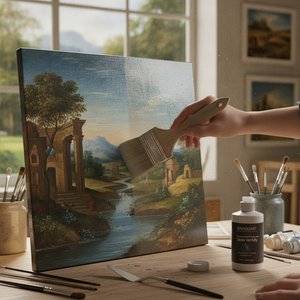
True stewardship requires a commitment to proactive, rather than reactive, care. Professional maintenance begins with the implementation of robust physical protections, such as the use of rigid backing boards for canvases to reduce the impact of vibrations and humidity shifts. It also involves the careful management of the painting's surface; while a well-applied Damar varnish serves as a shield against dust and pollutants, it must be monitored for aging. For those managing significant volumes of art, establishing a regimen of regular inspections is vital. This includes checking for signs of structural fatigue in frames, ensuring that stretchers remain properly tensioned with keys, and verifying that the environmental monitoring systems are functioning correctly. Ultimately, the goal of professional maintenance is to create a stable microclimate where the artwork can exist in a state of equilibrium. Through disciplined environmental management and informed handling practices, the legacy of the artist is secured, allowing these masterpieces to continue their silent dialogue with viewers for centuries to come.