
The Aesthetic Impact of Impressionism: Enhancing Hospitality Ambience through Light and Atmosphere
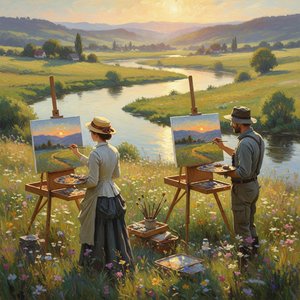 Capturing Ephemeral Light: Plein Air Painting from Impressionism to Today
The Genesis of 'En Plein Air': From Studio Tradition to Landscape Portraiture Wikipedia: En plein air En plein air (pronounced [ɑ̃ plɛ.n‿ɛʁ]; French for 'outdoors'), or plein-air painting, is the act of painting outdoors. This method contrasts with s...
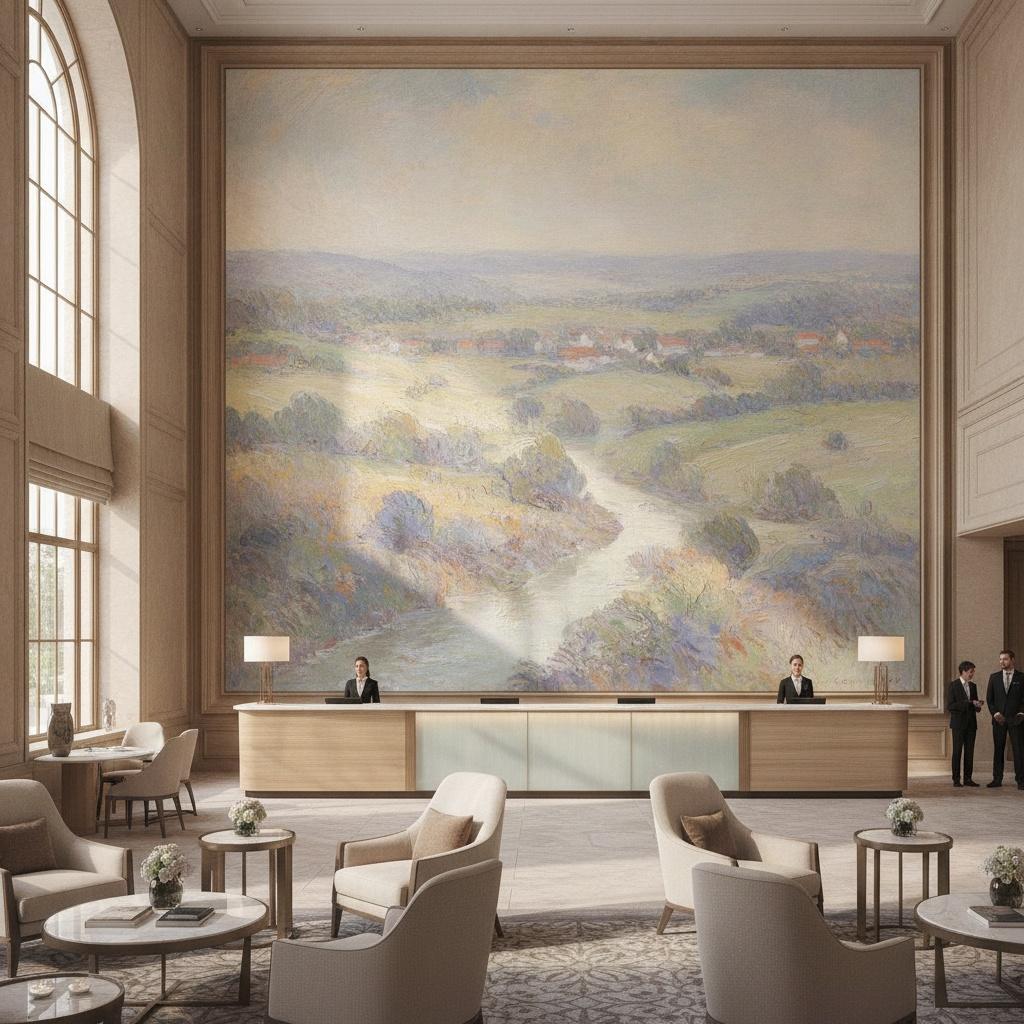
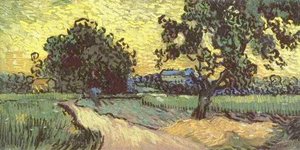
In the high-stakes world of hospitality design, the atmosphere of a lobby or a grand dining hall is defined not merely by furniture, but by the intangible quality of light. The Impressionist movement, which emerged from the mid-19th century French salons as a rebellion against rigid academicism, offers a profound toolkit for the modern designer seeking to evoke emotion through scenery. Unlike the static, idealized landscapes of previous eras that relied on studio-bound memory, Impressionism embraced en plein air—the practice of painting outdoors to capture the ephemeral. For a hotel designer, integrating these works means introducing a sense of movement and vitality into a space. When a guest enters a room adorned with the sun-drenched landscapes of Monet or the atmospheric studies of Renoir, they are not just viewing a landscape; they are experiencing a captured moment of temporal beauty. This focus on the fleeting nature of light allows a physical environment to feel breathing and alive, transforming a static corridor into a window onto a shimmering, subjective reality.
The true power of these works lies in their ability to manipulate perception. By prioritizing the sensation of being present within a scene rather than a literal documentation of topography, Impressionist landscapes provide an emotional resonance that can soften the hard edges of modern architecture. The movement’s legacy, rooted in the desire for authenticity and direct observation, provides a sophisticated way to bridge the gap between the built environment and the natural world, offering guests a psychological respite through the mastery of light and atmosphere.
Strategic Color Theory: Utilizing Vibrant Palettes for Mood Regulation in Large-Scale Interiors
 Color
ColorColor (or colour in Commonwealth English) is the visual perception produced by the activation of the different types of cone cells in the eye caused by light. Though color is not an inherent property of matter, color perception is related to an objec...
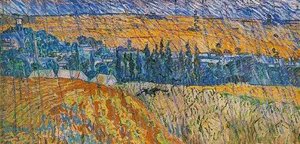
Color is far more than an aesthetic choice; it is a physiological trigger that dictates the mood of a commercial space. In Impressionist landscapes, color perception is inextricably linked to the behavior of light—how wavelengths are absorbed, reflected, and transmitted across a surface. For procurement managers and designers, understanding this relationship is essential when selecting art to complement a specific interior palette. The Impressionists revolutionized color theory by moving away from muddy, earth-bound tones toward a vibrant, prismatic approach. They utilized complementary colors placed in close proximity to create a visual vibration that mimics the natural brilliance of sunlight.
When designing for different hospitality zones, one can strategically deploy these palettes to regulate guest behavior. A breakfast lounge might benefit from the warm, golden hues of a sunrise landscape, utilizing yellows and soft ochres to stimulate energy and warmth. Conversely, a late-night cocktail bar or a quiet library setting could be anchored by the deep ultramarines, cobalts, and violets found in twilight studies. Because color perception is influenced by the light levels within a room, selecting high-quality oil reproductions ensures that the pigments maintain their depth and tonal range even under varied artificial lighting conditions. By leveraging the Impressionist approach to color, designers can create a cohesive sensory experience where the art does not merely hang on the wall but actively participates in the room's chromatic narrative.
Texture and Depth: The Architectural Advantage of Hand-Painted Impasto over Digital Prints
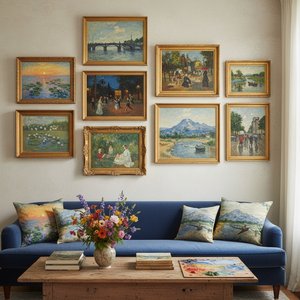 Impressionistic Landscapes: 10 Masterpieces That Changed Art & Decor
Introduction To gaze upon these ten canvases is to step directly into a world transformed by light, color, and an unprecedented embrace of the fleeting moment. The Impressionistic Landscape movement wasn’t merely a shift in painting technique; it was...
In an era dominated by flat, digital imagery, the tactile dimension of art serves as a critical differentiator for luxury branding. While high-quality Giclée prints offer accuracy, they often lack the architectural soul required for premium large-scale decor. The true distinction lies in the impasto technique—the thick, visible application of oil paint that creates a three-dimensional surface. In an Impressionist landscape, these broken brushstrokes catch the light at varying angles, creating actual shadows and highlights on the canvas itself. This physical texture provides a sense of depth that a flat print simply cannot replicate.
For a designer, this textural depth acts as a structural element within the room. A hand-painted oil reproduction on 100% cotton canvas possesses a weight and presence that commands attention, making it an anchor for large, expansive walls. The visible ridges of paint and the subtle variations in pigment density create a "living" surface that changes as a guest moves through the space. Furthermore, the use of professional-grade materials—such as safflower oils to prevent yellowing and flexible gasses to prevent cracking—ensures that this texture remains preserved for decades. Choosing hand-painted works over mass-produced posters elevates the entire property, signaling to guests an appreciation for craftsmanship, authenticity, and the enduring value of fine art.
Scaling the Masterpiece: Custom Dimensions, Multi-Panel Layouts, and Large-Format Murals
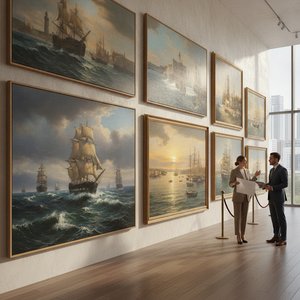
One of the greatest challenges in hospitality procurement is the presence of "dead space"—large, unadorned walls in lobbies, staircases, or grand suites that require a focal point of significant scale. Impressionist landscapes are uniquely suited for this challenge through the use of multi-panel layouts and large-format engineering. Rather than searching for a single, prohibitively expensive oversized canvas, designers can utilize triptychs, quadriptychs, or even five-panel configurations to split a singular masterpiece across a wide expanse. This approach creates a modern, rhythmic aesthetic that guides the eye across a room, making it particularly effective for long corridors or monumental feature walls.
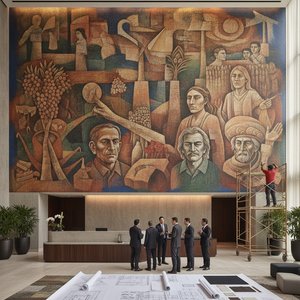
For even more ambitious architectural projects, the concept of the mural allows for the recreation of historical grandeur on a massive scale. Much like the ceiling frescoes of the past, large-format canvases can be custom-painted to cover entire wall surfaces, effectively turning a room into an immersive environment. Whether it is a single monumental piece or a sophisticated multi-panel arrangement, the ability to customize dimensions ensures that the art integrates seamlessly with the architectural blueprint. This scalability allows for a bespoke approach to decor, where the artwork is not an afterthought but a fundamental component of the spatial design.
Procurement and Implementation: Managing Bulk Orders, Custom Sizes, and Global Logistics
For the professional procurement manager, the decision to implement fine art is often balanced against the pressures of budget, timeline, and logistical complexity. Success in large-scale installations requires a reliable partner capable of managing high-volume orders with precision. Effective implementation involves more than just selecting an image; it requires a streamlined workflow that includes digital mockups for color matching, clear communication regarding production timelines, and robust shipping solutions.
A professional-grade service must provide the infrastructure to handle the unique needs of the hospitality industry, such as:
- Volume Discounts and B2B Support: Access to trade programs that offer pricing structures suitable for hotel chains and corporate decorators.
- Project Coordination: A single point of contact to manage custom commissions, ensuring that color revisions and size adjustments are executed perfectly before the final painting begins.
- Global Logistics: Reliable, tracked shipping via partners like DHL or FedEx, utilizing reinforced packaging to ensure that large-scale framed works arrive without damage.
- Administrative Efficiency: The provision of tax-compliant documentation and VAT invoices essential for corporate accounting and international customs clearance.
All professional inquiries, custom commissions, and bulk orders for high-quality reproductions can be managed through ArtsDot.com, where we specialize in bringing the masters of art history to the world's most prestigious commercial spaces.