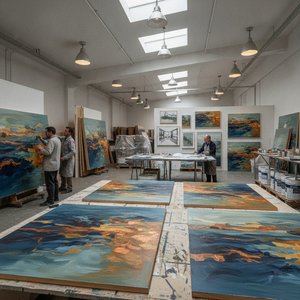
The Aesthetic Impact of Romanticism: Enhancing Hospitality Interiors with Atmospheric Landscapes
 Romanticism
Romanticism (also known as the Romantic movement or Romantic era) was an artistic and intellectual movement that originated in Europe towards the end of the 18th century. The purpose of the movement was to advocate for the importance of subjectivity,...
To step into a space adorned with the works of the Romantic era is to undergo a profound sensory shift, moving away from the sterile precision of modern minimalism toward an environment of deep emotional resonance. The Romantic movement, which flourished between the late 18th and mid-19th centuries, was fundamentally a rebellion against the rigid rationality of the Enlightenment. For the contemporary hotel designer, this era offers a toolkit of unparalleled atmospheric power. These landscapes do not merely depict scenery; they evoke the
sublime—that breathtaking intersection of awe and trepidation found in the untamed majesty of nature. When integrated into a lobby or a grand suite, works inspired by masters like Caspar David Friedrich or J.M.W. Turner introduce a sense of movement and soul, transforming a static room into a living narrative.
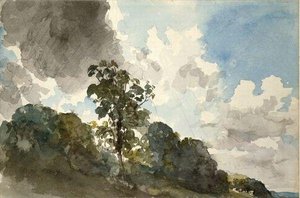
The true strength of Romanticism lies in its ability to manipulate light and shadow to dictate the mood of an interior. Consider the dramatic tension found in Jules Dupré’s pastoral scenes, where heavy, encroaching clouds create a palpable sense of impending weather, or the quiet, introspective solitude of a mountain vista. These paintings act as windows into a more visceral world, providing guests with a moment of reflection and escape. By utilizing landscapes that celebrate the ruggedness of the earth and the mystery of the horizon, designers can cultivate spaces that feel both grounded in history and infinitely expansive, offering a sanctuary from the frenetic pace of modern urban life.
Strategic Selection: Matching Romantic Masterpieces to Hotel Design Themes and Color Palively
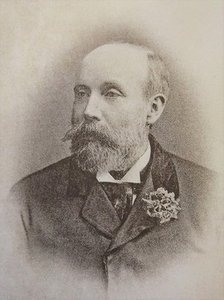 james henry crossland
James Henry Crossland: A Yorkshire Painter of Mountain Majesty James Henry Crossland (1852-1939) emerges from the heart of Victorian England as a quietly significant landscape artist, a master of capturing the rugged beauty and atmospheric drama of t...
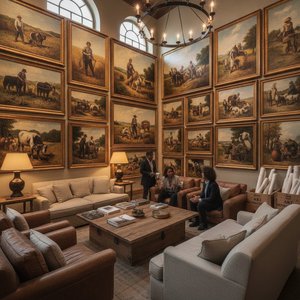
Selecting art for large-scale hospitality projects requires a disciplined approach to color theory and thematic cohesion. The Romantic palette is famously diverse, ranging from the monochromatic, somber tones of Luminism to the vibrant, light-drenched textures of the Barbizon School. For a boutique hotel featuring a contemporary, moody aesthetic, one might look toward the deep umbers, forest greens, and slate blues found in the works of James Henry Crossland. His ability to capture the rugged beauty of the Yorkshire Dales provides a sophisticated, earthy foundation that complements modern industrial or mid-century modern furnishings.
Conversely, for brighter, more airy Mediterranean or coastal-themed resorts, selecting reproductions that emphasize
chiaroscuro and brilliant highlights can elevate the light within the space. The strategic use of color in these masterpieces allows a designer to anchor a room’s palette; a single large-scale landscape can serve as the primary source for accent colors in upholstery, drapery, and custom carpeting. By analyzing the chromatic structure of a piece—identifying where brilliant highlights meet deep, ominous shadows—a procurement manager can ensure that the art does not merely sit upon the wall but actively participates in the architectural dialogue of the property.
Scalability for Large-Scale Projects: Multi-Panel Layouts and Custom Dimensions for Grand Atriums
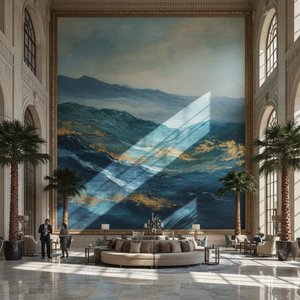
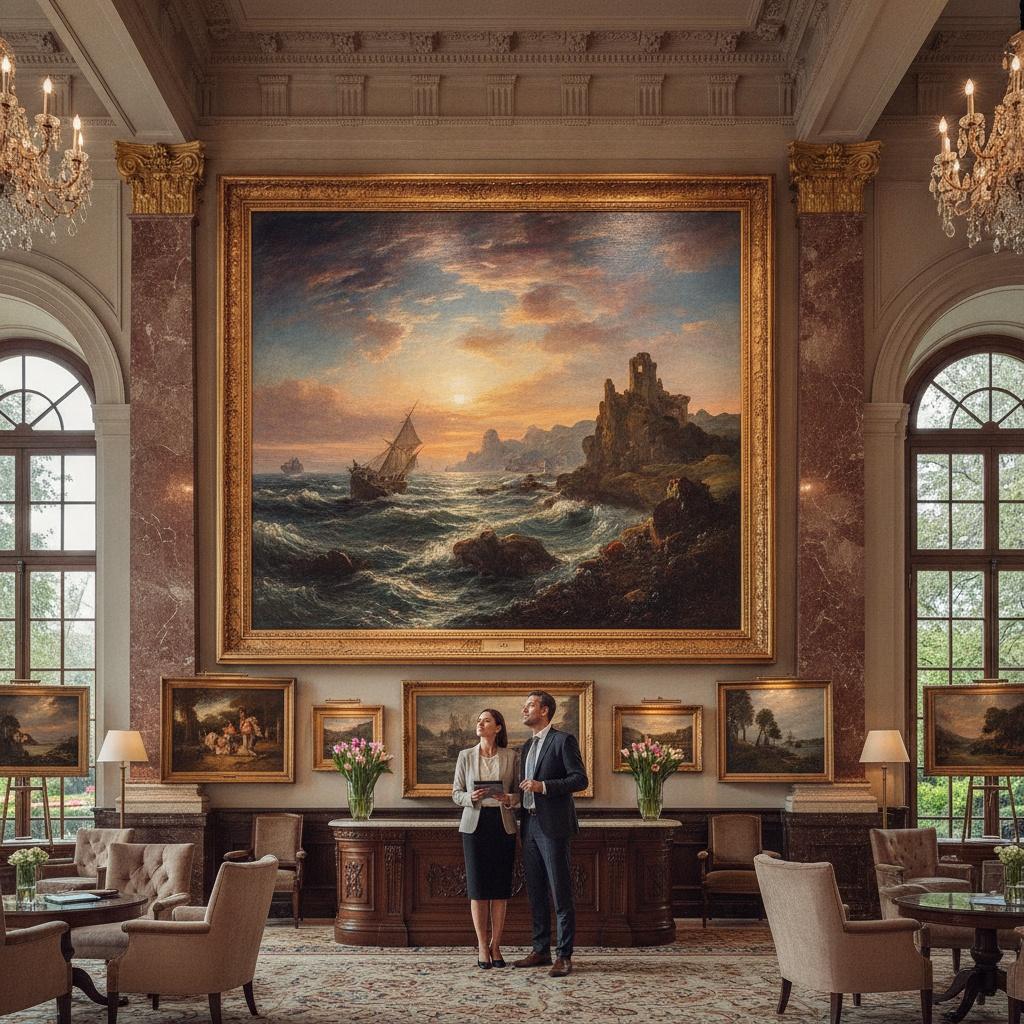
In the context of grand hotel atriums, staircases, or expansive corridors, a single standard-sized frame often fails to command the necessary presence. This is where the architectural utility of
multi-panel layouts becomes indispensable. The ability to split a singular, breathtaking landscape across three, four, or even five interconnected panels allows for a seamless transition of imagery across vast wall surfaces. This technique, known as polyptych arrangement, creates a modern, rhythmic flow that guides the eye through a space, making it particularly effective for long hallways or wide-angle viewing areas in lobbies.
Beyond simple splitting, the versatility of custom sizing ensures that art can be engineered to fit the specific proportions of any architectural feature. Whether it is a tall, narrow canvas designed to accentuate a soaring vertical column or an ultra-wide panoramic format intended to wrap around a curved wall, the scalability of high-quality reproductions allows for total design freedom. This approach prevents the "small art syndrome," where a piece feels lost in a large room, and instead ensures that the artwork functions as a structural element of the interior design itself, providing a cohesive and monumental aesthetic experience for every guest.
Technical Specifications: The Durability and Value of Handmade Oil Reproductions vs. Prints
 From Canvas to Legacy: A Detailed Examination of Handmade Oil Reproduction Techniques for Galleries and Hospitality Environments
The Enduring Appeal of Oil Reproduction: Bridging Access, Affordability & Artistic Appreciation The Enduring Appeal of Oil Reproduction: Bridging Access, Affordability & Artistic Appreciation Discover the beauty of art with 's exquisite oil painting ...
For procurement professionals managing long-term assets, understanding the technical distinction between a Giclée print and a handmade oil reproduction is critical for both budget allocation and longevity. While high-quality prints offer an efficient solution for secondary spaces, they lack the tactile depth and structural integrity of hand-painted works. A true
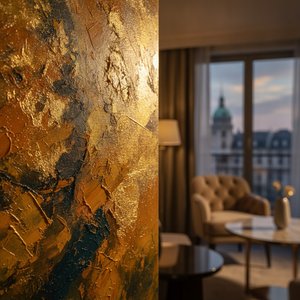
handmade oil reproduction is characterized by visible brushstrokes and the physical presence of impasto—the thick application of paint that catches the light and creates actual texture on the canvas. This materiality provides a level of prestige and "soul" that flat, digitally printed images cannot replicate.
From a maintenance and durability standpoint, handmade oils are engineered for permanence. Using high-grade materials such as 100% cotton canvas, flexible gesso to prevent cracking, and specific oils like saffard to ensure whites do not yellow, these works are built to withstand the atmospheric fluctuations of hospitality environments. The application of a final Damar varnish protects the pigment from dust, moisture, and pollutants, ensuring that the vibrancy of the Romantic era remains intact for decades. For a hotelier, this represents a superior return on investment; you are not merely purchasing decor, but acquiring a durable piece of cultural heritage that maintains its value and visual impact throughout the lifecycle of the property.
Streamlined Procurement: Managing Bulk Orders, Custom Commissions, and Global Logistics
The complexities of furnishing a large-scale hospitality project demand a supplier that prioritizes operational reliability and logistical precision. Effective procurement is not just about selecting the right image; it is about managing timelines, budgets, and international delivery requirements without friction. A professional workflow must include clear communication channels—such as digital mockups for color matching and pre-shipment photo approvals—to ensure that the final product aligns perfectly with the designer's vision before it ever leaves the studio.
For large-scale orders, efficiency is found in a system built for volume. This includes the ability to handle bulk re-orders of standardized sizes, the provision of tax-compliant documentation and VAT invoices for corporate accounting, and a robust logistics network capable of global distribution via DHL or FedEx. Whether it is a custom commission to transform a personal photograph into a 17th-century style masterpiece or a large-scale mural project for a hotel ceiling, the hallmark of a reliable partner is the ability to provide seamless, end-to-end service. From the initial digital consultation to the final delivery in reinforced, trade-ready packaging, the goal is to allow the designer to focus on creativity while the technicalities of art acquisition are handled with professional, industrial-grade precision.






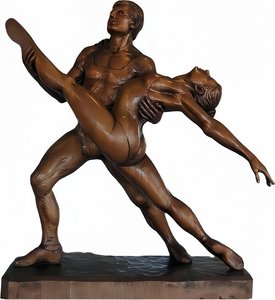 Request a Custom Quote Today!bronze sculptureCommission a truly unique sculpture – a dynamic bronze depiction of movement and grace. This piece, inspired by dancers or performers, showcases exceptional anatomical detail and flowing lines, brought to l