The High-Impact Aesthetic: Why Bold Art Demands Superior Care
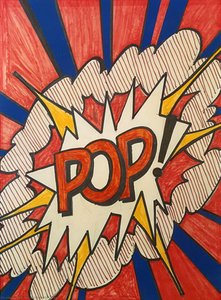
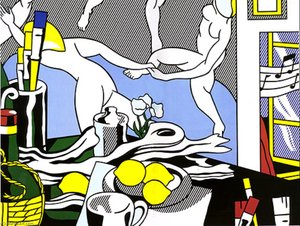 Studio the dance
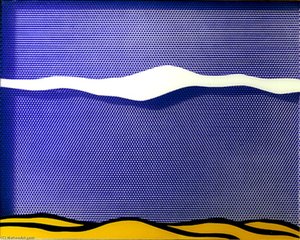
The Electric Energy of Pop Iconography To stand before a piece channeling the spirit of Roy Lichtenstein’s "Studio the dance" is to be enveloped in a vibrant, almost comic-book explosion of color and narrative energy. This work is not merely a depict...
To possess a collection of high-impact art is to curate a living, breathing energy within your space. Whether it is the electric, comic-book explosion of color found in works channeling Roy Lichtenstein’s
Studio the dance or the aggressive, neon-drenched rebellion of contemporary Neo-Pop, bold art does more than decorate; it commands. These pieces are defined by their saturation, their unapologetic use of cyan, magenta, and orange, and their ability to disrupt the mundane. However, this very intensity is what makes them vulnerable. The same pigments that create a hypnotic, high-energy visual experience are often the most sensitive to the world around them. When we speak of protecting your vibe, we are not merely discussing aesthetics; we are discussing the preservation of the soul of the work. A faded Warhol-esque silkscreen or a muted street art print loses its punch, transforming from a provocative statement into a ghost of its former self. For the modern collector, understanding that high-impact visuals require high-level stewardship is the first step in ensuring that your collection remains as loud and legendary as the day it was acquired.
Environmental Enemies: Managing Light, Humidity, and Temperature for Vibrant Pigments
 Humidity
Humidity is the concentration of water vapor present in the air. Water vapor, the gaseous state of water, is generally invisible to the naked eye. Humidity indicates the likelihood for precipitation, dew, or fog to be present. Humidity depends on the...
The invisible forces of our domestic environments are the silent architects of decay. The most pervasive of these is light, particularly ultraviolet radiation, which acts as a slow-motion bleach on the most vibrant palettes. In works like Keith Haring’s
Andy Mouse, where bold lines and striking backdrops create a playful yet critical dialogue, prolonged exposure to direct sunlight can lead to irreversible fading. Beyond the spectrum of light, we must contend with the unseen weight of humidity. Humidity is the concentration of water vapor in the air, and its fluctuations are the primary drivers of structural instability. High relative humidity can introduce moisture into the fibers of a canvas or the paper of a fine art print, potentially inviting mold or causing the swelling of organic materials. Conversely, excessively dry air can lead to brittleness. The dew point—the temperature at which air becomes saturated—is a critical metric for any serious collector to monitor. When temperature and humidity swing wildly, the resulting expansion and contraction of the substrate can cause even the most masterful oil paintings to crack or delaminate. Managing these variables is not just about science; it is about maintaining the atmospheric equilibrium necessary for color to thrive.
Material Integrity: Protecting the Chemistry of Oils, Acrylics, and Digital Prints
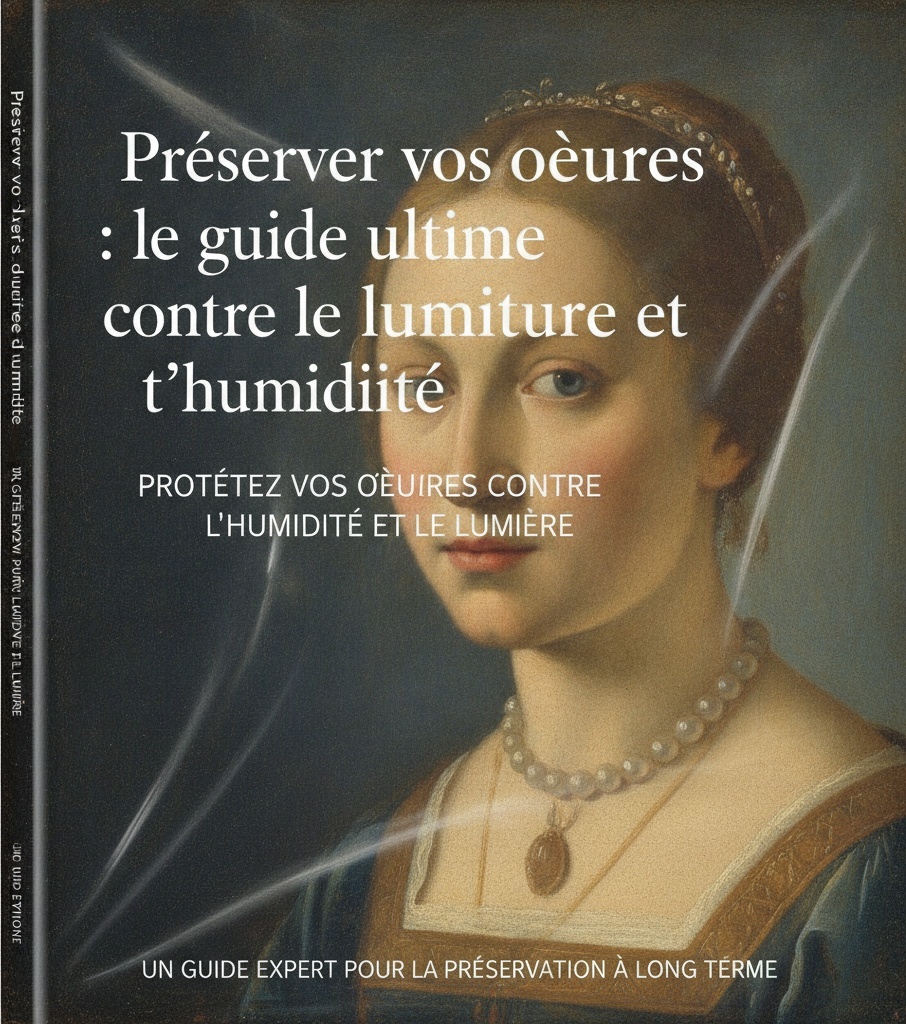
 Preserving Masterpieces: The Definitive Guide to the Conservation and Handling of Fine Art
The Science of Permanence: Understanding Pigments, Binders, and Material Integrity The Chemistry of Permanence: Why Fine Art Survives the Test of Time The Alchemy of Pigment: The Molecular Foundation of Color Mastering the Brush: The Timeless Secrets...
Every masterpiece is a triumph of chemistry, a delicate alchemy where pigment meets binder in a dance of molecular stability. To preserve art, one must respect this bond. In the realm of handmade oil reproductions, the longevity of the work relies on the structural integrity of the paint film. The use of drying oils, such as linseed or saffoar, creates a durable matrix that holds color in place, but this matrix is susceptible to environmental pollutants and oxidation. For instance, using specific oils for whites helps prevent the dreaded yellowing that can plague older works. On the other end of the spectrum, we have the modern era of digital imagery and Giclée prints. While these utilize archival 12-color inks with a rating of up to 100 years, they are essentially layers of pigment suspended in a polymer. The challenge here is preventing the "computer-printed look" from degrading into a dull, matte surface due to dust accumulation or chemical reactions with atmospheric pollutants. Whether it is the thick, impasto brushstrokes of a custom oil painting or the flat, high-contrast tones of a digital masterpiece by artists like Jean-Paul Faubert, protecting the material integrity means guarding the very molecules that constitute the artist's vision.
Strategic Placement: Curating Your Collection to Avoid Physical and Atmospheric Wear
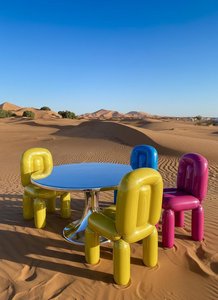
 Aggressive Confrontational Pop: The Bold Rebellion of Modern Art and Its Impact on Contemporary Aesthetics
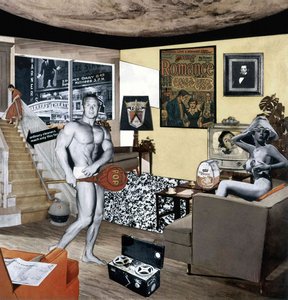
The Genesis of Rebellion: From Mid-Century Consumerism to Confrontational Aesthetics Aggressive Pop Art: The Bold Rebellion of Confrontational Imagery and its Impact on Modern Aesthetics The Genesis of Rebellion: From Mid-Century Consumerism to Confr...
The curation of a collection is as much about spatial intelligence as it is about aesthetic taste. Where you hang a piece determines its lifespan. A common mistake for the uninitiated collector is placing high-saturation works in high-traffic areas or near heat sources like radiators and fireplaces. Such placements subject the artwork to extreme temperature shifts and physical vibrations that can compromise the tension of the canvas or the stability of the frame. For larger architectural pieces, such as custom murals or multi-panel sets designed for wide walls, placement must account for airflow and the prevention of moisture pockets. Furthermore, the choice of framing is a critical defensive strategy. Utilizing acid-free matting to create an air gap between a print and its glass prevents moisture from becoming trapped, which can lead to the very "foxing" or spotting that ruins archival paper. For those opting for a frameless look with MirrorWrap or ExtendedWrap, the edges of the painting are exposed to the environment; thus, these pieces require even more stringent placement protocols to avoid edge-wear and dust infiltration.
The Professional Standard: Advanced Preservation Techniques for Modern Collectors
True stewardship moves beyond mere avoidance of harm and into the realm of active preservation. The professional standard involves a multi-layered approach to defense. This begins with the application of protective finishes, such as a coat of Damar varnish on oil paintings, which acts as a sacrificial layer against dust, moisture, and pollutants. For the modern collector of prints and digital works, the use of UV-protective glazing is non-negotiable. Beyond physical barriers, advanced collectors utilize monitoring tools to track the micro-climates within their galleries or homes. We also see the rise of "remixing" as a form of preservation—using AI technology to reconstruct or reimagine photos into styles like Cubism or Pop Art, allowing for a digital archive that can be physically recreated on much more durable, museum-grade substrates. This intersection of technology and tradition ensures that even if an original medium is fragile, the visual essence remains immortalized through high-quality, hand-painted reproductions on 100% cotton canvas.
Long-Term Stewardship: Maintenance Protocols for a Permanent Visual Legacy
A collection is not a static entity; it is a legacy in progress. Long-term stewardship requires a disciplined maintenance protocol that treats every acquisition with the reverence of a museum curator. This includes regular, gentle inspections for signs of craquelure, warping, or pigment shifts. It involves maintaining a log of environmental conditions and ensuring that any custom framing—using solid wood, gold leaf, or espresso finishes—remains structurally sound with properly braced stretcher bars to prevent warping over time. For those who engage in the "Buy from Photo" service to transform personal milestones into art, the responsibility is even greater, as these pieces carry emotional weight alongside aesthetic value. Ultimately, the goal of the collector is to ensure that the vibrant, confrontational energy of their collection remains undiminished for generations. By mastering the science of permanence and the art of placement, you do more than just hang pictures; you protect a vibe, preserving the very pulse of contemporary culture within your home.
Discover the pinnacle of art preservation and acquisition at ArtsDot.com. From bespoke, hand-painted oil reproductions to high-impact digital prints and custom photo transformations, we provide the tools and expertise to build a collection that lasts a lifetime. Protect your investment and elevate your space with our master artists.