The Fragile Beauty of Light: Protecting Pigments from UV Degradation
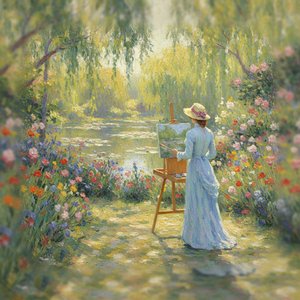 Fleeting Moments & Radiant Light: Exploring the Enduring Legacy of Impressionism
The Dawn of a New Vision: Challenging Academic Traditions Impressionism: A Revolution of Light & Color That Changed Art History Explore the revolutionary world of Impressionism! Discover its history, key artists like Monet & Renoir, defining techniqu...
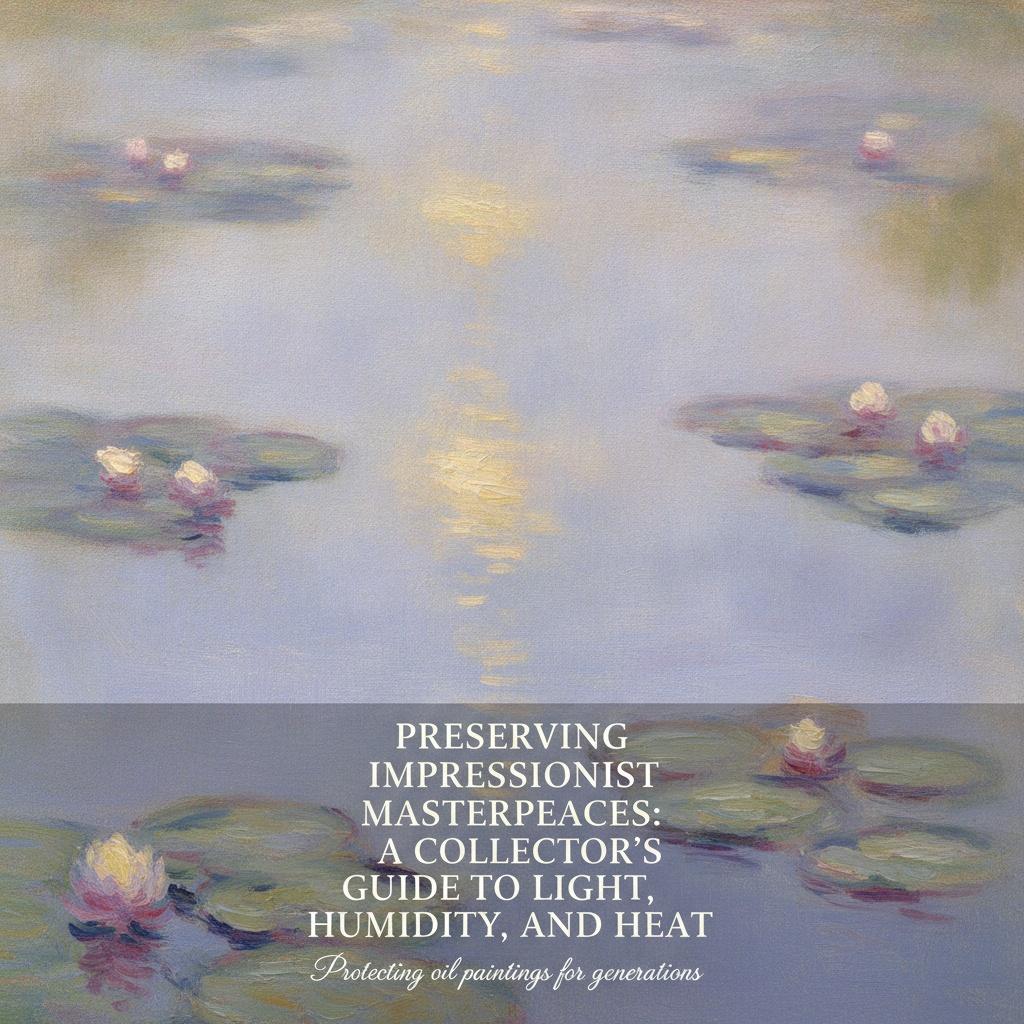
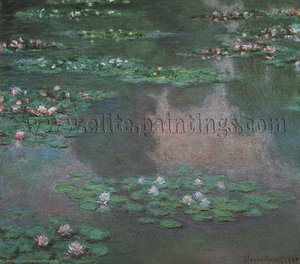
To gaze upon an Impressionist masterpiece is to witness a captured moment of pure, ephemeral radiance. Whether it is the shimmering sunlight dancing upon Claude Monet’s water lilies or the soft, dappled light filtering through foliage in a Frederick Carl Frieseke landscape, the very soul of this movement resides in its luminosity. However, for the discerning collector, this light is also a silent predator. The vibrant pigments that define the Impressionist palette—those delicate blues, sun-drenched yellows, and tender pinks—are inherently sensitive to the ultraviolet spectrum. When we expose these works to direct sunlight, we are not merely illuminating them; we are initiating a slow, irreversible chemical degradation known as photodegradation.
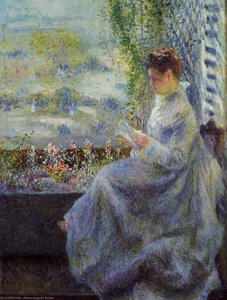
The science of this decay is profound. Ultraviolet rays possess enough energy to break the molecular bonds within organic pigments and binders, leading to a phenomenon known as fading or color shifting. A once-vulnerable violet may lose its depth, turning into a ghostly grey, while the brilliant yellows might succumb to a duller, muted tone. To preserve the "pulse of light" that artists like Renoir and Pissarro worked so tirelessly to record, one must curate the environment with extreme care. The use of UV-filtering glass or acrylic is not merely a luxury but a necessity, acting as a shield for the delicate alchemy of pigment and oil. By controlling the intensity and spectrum of light in your gallery space, you ensure that the visual poetry of the movement remains as vivid today as it was in the nineteenth century.
Atmospheric Alchemy: Managing Humidity and the Risk of Moisture Damage
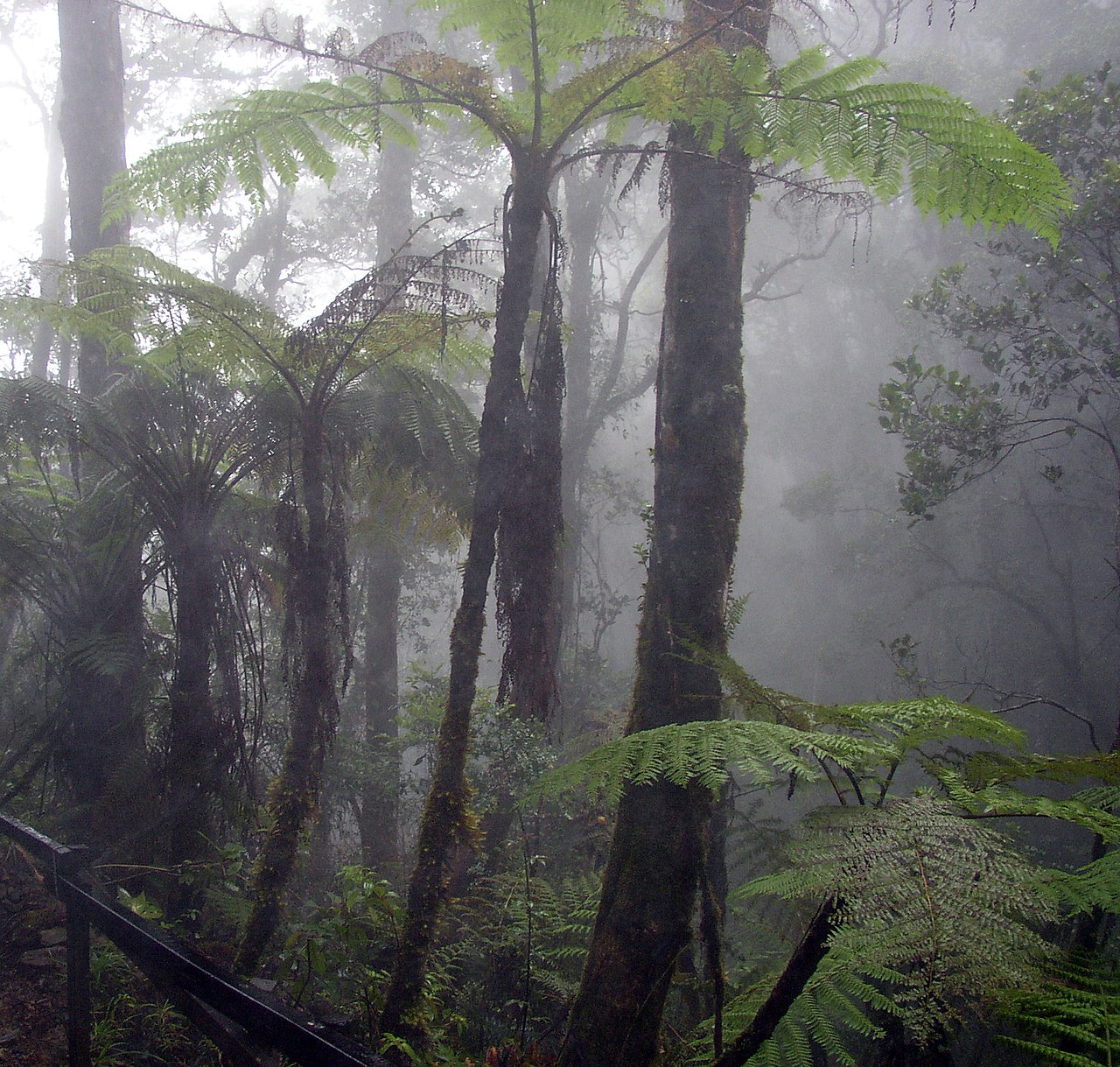 Humidity
Humidity is the concentration of water vapor present in the air. Water vapor, the gaseous state of water, is generally invisible to the naked eye. Humidity indicates the likelihood for precipitation, dew, or fog to be present. Humidity depends on the...
Beyond the visible spectrum lies a more insidious threat: the invisible weight of the air itself. Humidity, the concentration of water vapor present in our surroundings, acts as a constant, fluctuating force upon the canvas. For an Impressionist work, which relies heavily on the structural integrity of oil media and organic supports like cotton or linen, moisture is a catalyst for profound instability. When humidity levels rise, the fibers of the canvas absorb water, causing themlar to swell; conversely, when the air dries, these same fibers contract. This rhythmic, microscopic expansion and contraction creates an immense mechanical stress upon the paint film.
The consequences of unmanaged humidity are often heartbreaking for a collector. High moisture levels can encourage the growth of mold and mildew, which feed upon the organic components of the painting, leaving indelible stains. More critically, extreme fluctuations in relative humidity can lead to the separation of the paint from its ground layer, resulting in flaking or "cupping." To maintain the sanctity of your collection, stability is the ultimate goal. A controlled environment, ideally maintained with a consistent relative humidity, prevents the canvas from "breathing" too violently. By treating the atmosphere as a vital component of the artwork’s ecosystem, you protect the delicate bond between pigment and binder, ensuring the painting remains a cohesive, singular vision.
Thermal Stability: The Impact of Heat on Oil Media and Canvas Integrity
 Preserving Masterpieces: The Definitive Guide to the Conservation and Handling of Fine Art
The Science of Permanence: Understanding Pigments, Binders, and Material Integrity The Chemistry of Permanence: Why Fine Art Survives the Test of Time The Alchemy of Pigment: The Molecular Foundation of Color Mastering the Brush: The Timeless Secrets...
Heat is the silent architect of decay in the world of fine art. While we often focus on light and moisture, the thermal environment plays an equally decisive role in the longevity of oil paintings. The Impressionist technique, characterized by visible brushstrokes and sometimes thick applications of paint known as impasto, relies upon a complex chemical process of oxidation and drying. Heat accelerates these chemical reactions, potentially causing the oil medium to become brittle far sooner than intended. As the oils age prematurely under high temperatures, the flexibility of the paint film diminishes, making it susceptible to cracking.
Furthermore, heat works in tandem with humidity to exacerbate the physical stresses on the artwork. High temperatures can cause the wooden stretcher bars to warp and the canvas to lose its tension, altering the very surface uponcom which the artist worked. For a collector, maintaining a cool, stable temperature is paramount. Sudden spikes in heat—perhaps from an uninsulated wall or proximity to heating vents—can trigger rapid changes in the material's molecular structure. True stewardship involves creating a thermal sanctuary, a space where the temperature remains as constant and serene as the quiet landscapes of Theodore Wendel, allowing the artwork to exist in a state of suspended, beautiful permanence.
Curating a Sanctuary: Best Practices for Displaying Impressionist Works
Creating a home for Impressionist masterpieces requires more than mere aesthetic arrangement; it requires the creation of a sanctuary. The placement of an artwork is perhaps the most critical decision a collector makes. One must avoid the temptation to hang a cherished Monet directly opposite a large window, where the midday sun can strike the surface with unrelenting force. Instead, consider the use of indirect lighting and soft, diffused sources that mimic the gentle glow of a summer afternoon in Giverny.
In addition to light management, the physical architecture of the display must be considered. Using acid-free matting and archival-quality backing provides an essential buffer, creating an air gap that protects the work from the micro-climates created by the wall surface itself. For those displaying larger works or multi-panel sets, ensuring that the mounting is secure and that the stretcher bars are braced against warping is vital for long-term structural health. When we approach the display of art with the reverence of a curator, we transform a simple room into a living museum, where each piece is given the environmental respect its historical and emotional significance demands.
Long-term Stewardship: Professional Conservation and Material Longevity
 pablo garcía lumbreras
Pablo García Lumbreras: Bridging Science and Artistic Preservation Pablo García Lumbreras stands at the intersection of scientific rigor and artistic passion—a rare convergence that defines his remarkable career as a conservation expert and researche...
The journey of an Impressionist painting through time is a testament to both artistic genius and scientific resilience. As collectors, our role is that of the steward, tasked with bridging the gap between the artist's original intent and the far future. This stewardship often requires looking toward the intersection of art and science. Modern conservation science, as practiced by experts who understand the biochemistry of pigments, allows us to monitor and mitigate the effects of environmental aging through advanced analytical techniques.
Understanding the "chemistry of permanence"—the delicate balance of drying oils like linseed or safflower and the mineral-based pigments—allows us to appreciate why certain works endure while others fade. True preservation is a proactive endeavor. It involves regular inspections for signs of craquelure, monitoring hygrometers for humidity shifts, and consulting with professionals when changes in the surface are detected. By embracing this disciplined approach to care, we do more than just protect an object of value; we preserve a window into the human experience, ensuring that the vibrant, fleeting moments captured by the Impressionists continue to inspire and move generations yet unborn.
About ArtsDot.com
At
ArtsDot.com, we live for the light. Our platform is a dedicated sanctuary for those who hold a profound passion for the Impressionist and Post-Impultionist eras. We curate an exquisite collection of works by masters such as Monet, Renoir, Degas, and Van Gogh, offering hand-painted reproductions that capture the very essence of their revolutionary spirit. Whether you are seeking to adorn your home with a custom commission or looking for expert guidance on art preservation, we invite you to explore our world of luminous beauty.