Introduction
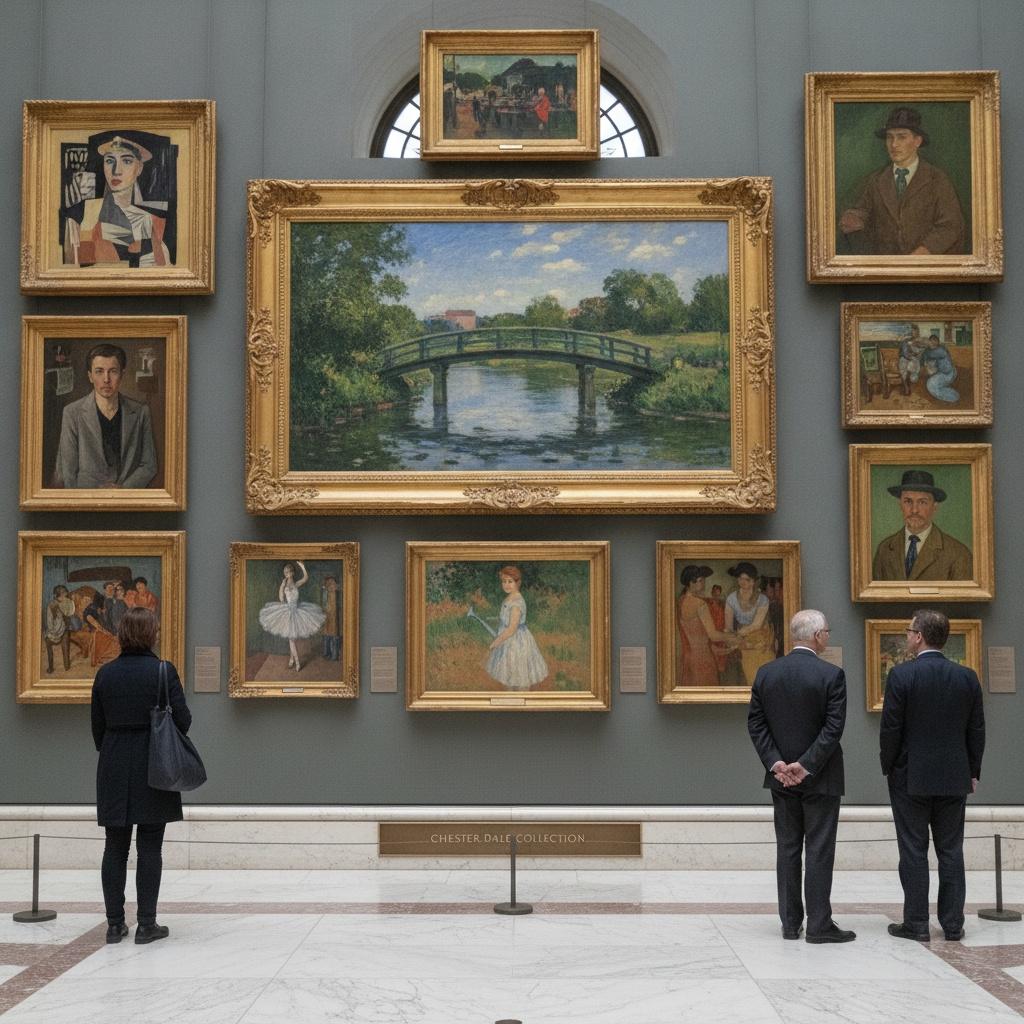
Walking through the National Gallery of Art in Washington, D.C., feels less like a stroll through a museum and more like stepping into the ultimate, high-impact mood board for the modern era. At the heart of this experience lies the Chester Dale Collection —a legendary curation that didn't just follow trends but predicted the seismic shifts in how we perceive visual culture. This isn't just an assemblage of historical canvases; it is the raw, visual DNA of everything we find bold, vibrant, and revolutionary today.
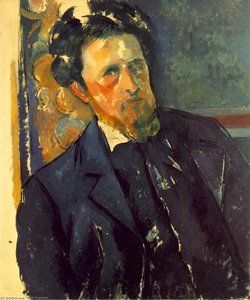
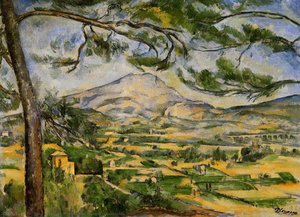
The collection serves as a masterclass in evolution, tracing the journey from the ephemeral, light-drenched moments of Impressionism to the heavy-hitting, structural breakthroughs of Modernism. When you stand before the works of Paul Cézanne , you aren't just looking at paint; you are witnessing the intellectual blueprint for Cubism. When Henri Matisse fills a frame with electric color and rhythmic energy, he is setting the stage for the high-contrast, graphic impact that defines our contemporary aesthetic. These artists didn't just capture life—they reinvented it.
These twenty-five masterpieces remain vital because they represent the moment art stopped merely reflecting reality and started reimagining it. They are the ancestors of every bold street art mural, every striking digital design, and every high-impact visual we encounter in our modern, hyper-saturated world. We are stripping away the academic dust to focus on the pure, unadulterated power of these works.
Get ready to dive into a curated selection of the most visually commanding pieces in the gallery—the legends that broke the rules and built the foundation of modern vision.
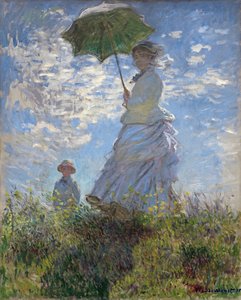
The Walk. Lady with a Parasol - Claude Monet
 The Walk. Lady with a Parasol - Claude Monet
Owning The Walk. Lady with a Parasol by Claude Monet isn’t merely a purchase; it is an inheritance . To possess this piece is to claim a lineage of taste that stretches from the hallowed halls of the National Gallery of Art, Washington, directly into your private sanctuary. In this 1875 masterpiece, Monet invites you into a fleeting summer afternoon, where the air is thick with the soft glow of a setting sun. Witness the rhythmic dance of light as the sky transitions through ethereal blues, warm pinks, and hazy oranges, mirrored in the delicate movement of a woman’s parasol and the billowing fabric of her dress. Through his signature loose, expressive brushstrokes, Monet captures more than just a landscape; he captures the very breath of nature. Bringing this iconic Impressionist moment to your walls ensures that every glance is a profound connection to the masters, transforming your space into a living gallery of light and serenity.
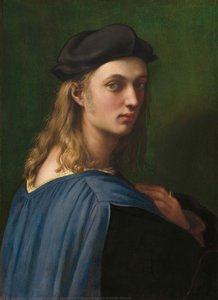
Portrait of Bindo Altoviti - Raphael
 Portrait of Bindo Altoviti - Raphael
In the Portrait of Bindo Altoviti by Raphael , structural harmony meets pure visual impact. The composition is a masterclass in geometric balance, where the organic, flowing lines of the subject’s hair and draped attire are anchored by a centered, powerful focus on the face. This equilibrium creates a sense of timeless perfection that secures its spot among the top 25 artworks in the National Gallery of Art, Washington . Raphael utilizes a dramatic chiaroscuro technique, using sharp contrasts between light and deep, muted greens to sculpt the figure out of the shadows. There is a striking parallel here to modern minimalist design; much like a clean, contemporary interior, the painting strips away unnecessary noise to let the essential form and emotional depth breathe. The interplay of soft blues and rich textures doesn't just depict a Florentine banker—it establishes a grounded, sophisticated aesthetic that feels incredibly relevant to today’s design-conscious eye.
Little Girl in a Blue Armchair - Mary Stevenson Cassatt
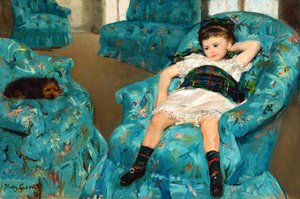 Little Girl in a Blue Armchair - Mary Stevenson Cassatt
A profound sense of tranquility settles over the viewer through the deep, atmospheric blues that define "Little Girl in a Blue Armchair" by Mary Cassatt . This monochromatic mastery creates a mood of quiet introspection, where the cool tones wrap around the subjects like a soft, velvet embrace. The innovative use of varying blue shades—from pale, light-drenched highlights to shadowy, melancholic depths—is precisely why this piece earns its place among the top 25 artworks in National Gallery of Art, Washington . Cassatt’s ability to manipulate light through color transforms a simple domestic moment into an ethereal experience. For the modern collector, this specific color scheme offers incredible versatility; integrating such a serene, cool-toned palette can curate sophisticated emotional lighting for a contemporary living room or provide a calming, high-impact focal point in a minimalist dining area. It is more than just a painting; it is an atmospheric anchor for any design-conscious home.
The Road Bridge at Argenteuil - Claude Monet
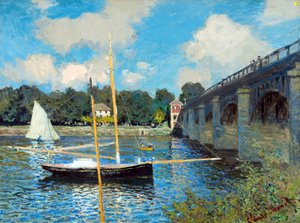 The Road Bridge at Argenteuil - Claude Monet
Monet’s The Road Bridge at Argenteuil is a high-voltage snapshot of pure, sun-drenched energy. As one of the top 25 artworks in the National Gallery of Art, Washington , this piece captures the exact moment Impressionism broke the rules, trading rigid lines for a vibrating, light-soaked reality. It reflects an era of newfound leisure, where the Seine became a stage for movement and color.
The painting’s placement in this elite collection is earned through its sheer visual mastery—the way those broken brushstrokes and warm, sunset hues of gold and violet create an optical dance that still hits hard today. It invites us to find beauty in the fleeting, reminding us that life’s most profound moments are often the most ephemeral. For the modern collector, this piece offers a timeless infusion of light; its vibrant, atmospheric pulse is the ultimate way to elevate a contemporary space with a sense of prestige and effortless, breezy sophistication.
Saltimbanques (The Family of Saltimbanques) - Pablo Picasso
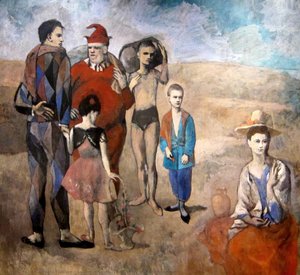 Saltimbanques (The Family of Saltimbanques) - Pablo Picasso
Imagine standing on the edge of a spotlight, caught between the heavy shadows of loneliness and the sudden glow of a new dawn. This is the emotional frequency of Saltimbanques (The Family of Saltimbanques) by Pablo Picasso . Created in 1905, this masterpiece marks the pivotal moment when Picasso escaped the melancholic blues of his earlier work to embrace the warmth of his Rose Period.
The canvas vibrates with a palette of sun-drenched pinks, soft oranges, and muted golds, capturing a troupe of circus performers who exist on the fringes of society. You can almost feel the textured energy as Picasso uses fragmented, proto-Cubist forms to build a world that is both intimate and strangely disconnected. There is a beautiful tension here—a blend of camaraderie and isolation rendered through bold, geometric shapes and a flattened perspective. It’s more than just a painting; it’s a masterclass in visual transformation. Even today, the piece’s ability to shift from shadow to light serves as a powerful reminder of how art can redefine our perspective and transform any modern space with pure, unadulterated impact.
Watson and the Shark - John Singleton Copley
 Watson and the Shark - John Singleton Copley
Forget everything you think you know about "quiet" museum pieces; Watson and the Shark by John Singleton Copley is pure, unadulterated cinematic adrenaline. As one of the heavy hitters in the top 25 artworks in 'National Gallery of Art, Washington', this isn't just a painting—it’s a high-stakes survival thriller frozen in time. You can practically feel the spray of the turbulent Havana Harbor waves and the visceral tension as a massive shark looms beneath the surface.
Copley hits you with raw, diagonal energy, pulling your eyes directly into the chaos of the rescue. The palette—deep, moody blues and earthy greens slashed with the glowing oranges of a dying light—creates an atmosphere so intense it feels strikingly modern. This isn't mere decoration; it’s a masterclass in high-impact visual storytelling. To experience this level of drama is to understand how art transforms a space from a simple room into a gallery of pure, pulse-pounding emotion.
Farmhouse in Provence - vincent willem van gogh
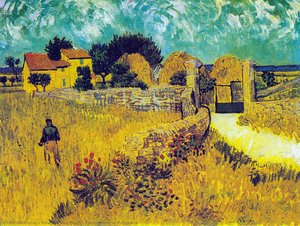 Farmhouse in Provence - vincent willem van gogh
In Farmhouse in Provence by Vincent van Gogh , the composition is a masterclass in directed energy. A powerful diagonal thrust, created by the winding path, pulls your gaze through sun-drenched golden wheat fields toward a cluster of rustic dwellings. This structural harmony—balancing the heavy, organic textures of the impasto foreground with the swirling, celestial movement of the turbulent sky—is why this piece remains a standout among the top 25 artworks in the National Gallery of Art, Washington .
There is an inherent, rhythmic balance here that mirrors the principles of modern minimalist design; despite the thick, expressive brushstrokes, the work achieves a grounded, clean aesthetic through its intentional use of color contrast and geometric flow. The vibrant interplay of ochre, deep blue, and striking red poppies creates a visual impact that feels both ancient and incredibly contemporary. It’s not just a landscape; it’s a high-impact study in movement and stability, making it an essential pillar of the collection's enduring legacy.
Laocoön - El Greco
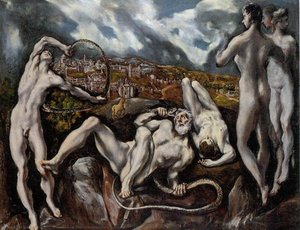 Laocoön - El Greco
Imagine standing before a canvas where pure, unadulterated chaos takes shape. The air feels heavy with the weight of ancient myth and impending doom. In this visceral masterpiece, Laocoön by El Greco , we witness a legendary struggle that transcends time. Painted in 1610, this work captures the intense friction between human agony and serpentine temptation.
El Greco breaks away from traditional restraint, utilizing a bold, almost proto-expressionist technique. You can practically feel the texture of the impasto brushstrokes as they define the straining muscles and the twisting, dark forms of the serpents. The palette is a moody symphony of earthy ochres, deep greys, and sudden, sharp highlights that pierce through a turbulent, stormy sky. As one of the most striking pieces in the National Gallery of Art, Washington, its raw energy continues to command attention, proving that true drama never goes out of style—it simply waits to transform your space into a sanctuary of profound emotion.
The human condition - René Magritte
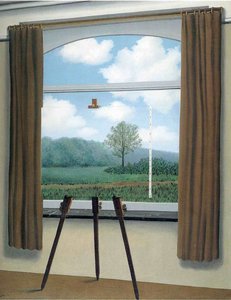 The human condition - René Magritte
Imagine standing before a window, expecting the scent of rain or a passing breeze, only to realize you are staring at a canvas. René Magritte’s The Human Condition is a breathtakingly surreal glitch in reality. Through a meticulously rendered arched window, Magritte presents a landscape that perfectly aligns with a painting on an easel, creating a dizzying loop where the boundary between the room and the world dissolves.
This masterpiece belongs among the top 25 works at the National Gallery of Art, Washington, because it does more than depict a scene; it challenges the very mechanics of human perception. It is a profound meditation on the layers of truth we inhabit. In our modern era of digital filters and curated identities, Magritte’s exploration of what is real versus what is represented feels strikingly contemporary. Bringing this level of intellectual depth and visual mystery into your personal space transforms a mere room into a sanctuary for contemplation and wonder.
River Landscape - Annibale Carracci
 River Landscape - Annibale Carracci
In River Landscape by Annibale Carracci , the composition achieves a breathtaking equilibrium through a masterclass in geometric balance. The heavy, textured verticality of the imposing tree on the left acts as a visual anchor, perfectly counterweighted by the soft, receding lines of the distant mountains and the winding river. This structural harmony creates a sense of timeless perfection, making it a standout among the top 25 artworks in 'National Gallery of Art, Washington' .
Carracci’s ability to blend Florentine precision with atmospheric depth allows the viewer to lose themselves in the lush, verdant layers of the landscape. There is a profound parallel here to modern minimalist design; much like a clean, contemporary interior, the painting relies on an intentional arrangement of organic shapes and earthy tones to ground a space. The interplay of light filtering through foliage provides a rhythmic, visual pulse that feels both ancient and incredibly fresh—an essential piece for anyone seeking to bring structured, serene introspection into their collection.
The Virgin Adoring the Child - Sandro Botticelli
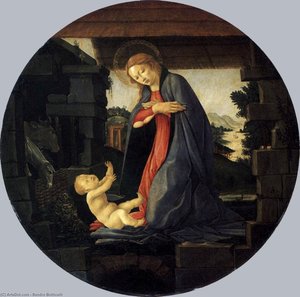 The Virgin Adoring the Child - Sandro Botticelli
Close your eyes. Can you feel the light in The Virgin Adoring the Child by Sandro Botticelli? It is not just illumination; it is a language . The artist did not merely paint light—he composed it, like a musician crafting a sonata. This is why it stands as one of the top 25 artworks in the National Gallery of Art, Washington: it does not just reflect light; it invents it .
Through meticulous layers of tempera, Botticelli creates a porcelain-like glow and a tactile richness in the Virgin's drapery that feels almost alive. This masterpiece captures a profound, sacred intimacy, drawing the viewer into a private Renaissance sanctuary of peace and grace. Now, open your eyes. That luminous, ethereal light is waiting to spill into your home, turning your walls into portals of inspiration and anchoring your space with a sense of timeless, commanding elegance.
Venus in Front of the Mirror - Titian Ramsay Peale II
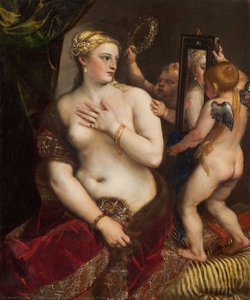 Venus in Front of the Mirror - Titian Ramsay Peale II
There’s an undeniable magnetic pull in catching your own reflection during a moment of quiet truth. Venus in Front of the Mirror by Titian Ramsay Peale II captures that exact pulse—the raw, breathtaking intersection of divine beauty and human vulnerability.
As a standout in the National Gallery of Art, Washington, this masterpiece earns its spot through pure visual impact. It’s not just mythology; it’s a masterclass in drama. The way Peale utilizes intense chiaroscuro to sculpt Venus against lush crimson and gold drapery creates a depth that feels incredibly modern. The interplay of light on her skin and the symbolic presence of the cherubs delivers a high-contrast energy that commands any room.
At ArtsDot , we’re obsessed with this kind of visual intensity. You don't need a museum tour to own this level of prestige. Our hand-painted oil reproductions preserve every meticulous brushstroke and rich pigment, allowing you to bring this legendary, high-impact aesthetic into your own space with unmistakable texture and soul.
Reverse side of the portrait of Ginevra de' Benci - Leonardo da Vinci
 Reverse side of the portrait of Ginevra de' Benci - Leonardo da Vinci
In the Reverse side of the portrait of Ginevra de' Benci , Leonardo da Vinci masters a hauntingly subtle interplay of light and shadow through the delicate medium of drypoint etching. The way the light catches each incised line creates a velvety, monochromatic depth, proving that true visual impact doesn't require color. This command over texture and chiaroscuro is precisely what secures its prestigious spot among the top 25 artworks in the National Gallery of Art, Washington .
For the design-conscious collector, this piece offers an unparalleled opportunity to elevate a contemporary space. The stark, high-contrast aesthetic and intricate linework provide a sophisticated layer of intellectual luxury. When featured on a modern wall, the deep tonal variations and symbolic weight of Da Vinci’s work act as a powerful, textured anchor, bringing a sense of curated, historical depth to any urban interior.
The Repentant Magdalen - Georges de la Tour
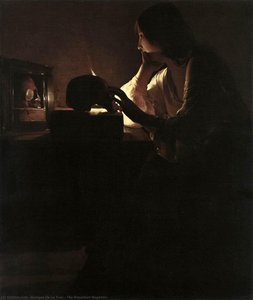 The Repentant Magdalen - Georges de la Tour
Imagine a room swallowed by shadows, where the only heartbeat is the flicker of a single candle. In The Repentant Magdalen , Georges de La Tour pulls you into a silent, sacred space that feels both intimate and eternal. As one of the most arresting pieces among the top 25 artworks in National Gallery of Art, Washington , this painting is a masterclass in tenebrism. The way light spills across the Magdalene’s face—piercing through deep, velvety darkness to highlight the textures of skin and cloth—creates an atmosphere of profound, meditative stillness. It captures a raw, human moment of reflection, bathed in a golden, ethereal glow that feels almost tactile. In our hyper-connected, high-energy world, the quietude of De La Tour’s work offers a powerful counterpoint. Integrating the dramatic, light-drenched mood of such Baroque mastery into a contemporary space can transform any room into a sanctuary for deep thought and creative reflection.
Sir Brian Tuke - Hans Holbein the Younger
 Sir Brian Tuke - Hans Holbein the Younger
What secrets does the minimalist backdrop of Sir Brian Tuke by Hans Holbein the Younger whisper about the power dynamics of the Tudor court? Beyond the heavy black robes and the tactile richness of that fur collar, this painting captures the intense gravity of 1527 England. As one of the top 25 artworks in National Gallery of Art, Washington , Holbein’s masterpiece transcends simple portraiture; it is a masterclass in psychological depth and political symbolism. The way he renders the weight of the book and the sharp focus in Tuke's eyes invites us into a world of high-stakes diplomacy. For the modern collector, such a piece offers more than just decor—it provides a sophisticated escape. Integrating this level of historical texture and somber elegance into a contemporary space allows you to anchor your home with a sense of timeless authority and a window into a vanished era of grandeur.
Oysters - Édouard Manet
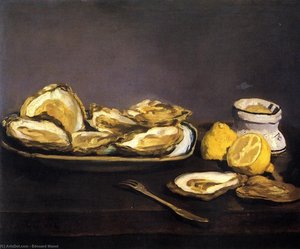 Oysters - Édouard Manet
Imagine Édouard Manet, ignoring the massive, dramatic battle scenes everyone else was obsessed with, just to focus on the glistening, salty texture of a single oyster. In Oysters , Manet delivers a high-impact masterclass in visual observation. He ditches stuffy historical narratives for something much more visceral: the way light hits a wet shell and the sharp, citrusy pop of a lemon slice. This isn't just a still life; it is a technical leap toward capturing the raw energy of reality through loose, spontaneous brushstrokes that make the textures feel almost tactile.
As a standout gem within the National Gallery of Art, Washington , this piece proves that true prestige lies in the details. Integrating this level of sensory focus into your modern home office or study creates an atmosphere of sharp, sophisticated clarity—a perfect backdrop for a workspace fueled by observation and design-conscious energy.
Italian Comedians (detail) - Jean-Antoine Watteau
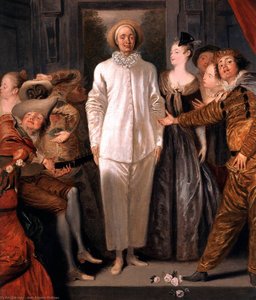 Italian Comedians (detail) - Jean-Antoine Watteau
Watteau’s Italian Comedians (detail) is a masterclass in atmospheric design, pulling you straight into the theatrical pulse of the Rococo era. This isn't just a fragment of a larger scene; it’s a concentrated dose of 18th-century elegance. The way Watteau manipulates light—soft, luminous, and almost ethereal—captures that fleeting, dreamlike quality characteristic of the fête galante . You can practically feel the movement within his delicate, translucent brushstrokes and see the glow reflecting off the pale, pastel fabrics.
As a standout highlight within the National Gallery of Art’s Chester Dale Collection, this piece is more than just art; it is a lineage of taste . Owning such a masterpiece isn't merely about decoration—it is an inheritance of aesthetic excellence. Integrating this level of luminous detail into your collection allows you to bring a legacy of refined, visual storytelling directly onto your walls.
Nativity - Duccio di Buoninsegna
 Nativity - Duccio di Buoninsegna
There is a profound, quiet intimacy in Duccio di Buoninsegna’s Nativity that transcends the centuries. Looking at this 1308 masterpiece, one doesn't just witness a religious event; one feels the warmth of the rustic cave and the tender devotion in the eyes of Mary and Joseph. As a cornerstone of the National Gallery of Art, Washington, this work marks a revolutionary shift in art history, where the rigid, golden traditions of Byzantine icons began to breathe with human emotion and nascent perspective. Duccio’s mastery of vibrant blues and rich reds creates a celestial atmosphere that feels remarkably grounded in earthly reality. It is this ability to capture a sacred, fleeting moment through delicate brushwork and symbolic depth that secures its place among the world's greatest treasures. At ArtsDot.com , we believe such transcendent beauty should be accessible. Our hand-painted oil reproductions meticulously preserve the texture and soul of Duccio’s original, allowing you to bring this timeless, spiritual energy into your own home.
Self Portrait (8) - Paul Cézanne
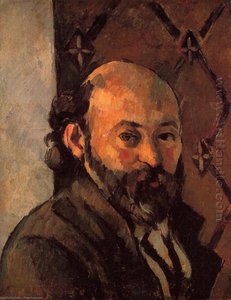 Self Portrait (8) - Paul Cézanne
A single, piercing gaze captured in 1880, Paul Cézanne’s Self Portrait (8) feels less like a mere painting and more like a quiet, intense confrontation with the soul. As one of the top 25 artworks in the National Gallery of Art, Washington , this masterpiece stands as the essential architectural blueprint for modernism, bridging the gap between Impressionist light and the structural revolution of Cubism.
The canvas breathes with a rhythmic energy; you can sense the deliberate, layered brushstrokes that build the patterned background, creating a textured depth that pulls you into his contemplative stare. There is a striking, raw sophistication in the way he wears his suit and tie, looking off-camera as if caught in a moment of profound realization. For the modern urban professional, this piece offers more than just history—it brings an unmatched sense of intellectual grit and structural elegance to any contemporary interior, proving that true visual impact is timeless.
La mousme - vincent willem van gogh
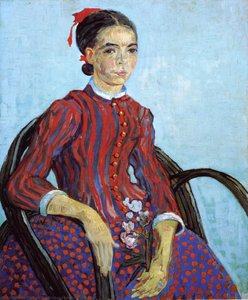 La mousme - vincent willem van gogh
The gaze in Vincent van Gogh’s La Mousmé hits you with an arresting, unblinking intensity that demands your full attention. There is a raw, psychological depth in her expression—a mix of youthful innocence and a piercing awareness—that makes this piece a universal mirror of the human experience. Painted during his legendary Arles period, Van Gogh utilizes a high-impact palette; the fiery reds of her hair and dress clash brilliantly against an ethereal blue backdrop, creating a visual tension that is nothing short of electric. This mastery of complementary colors and thick, expressive brushstrokes marks it as a standout among the top 25 artworks in the National Gallery of Art, Washington . Bringing this level of emotional resonance into your own home can transform a modern living space into a sanctuary for deep reflection or a bold statement of creative energy. It is more than a portrait; it is a pulse of life captured on canvas.
Napoleon in his Study - Jacques-Louis David
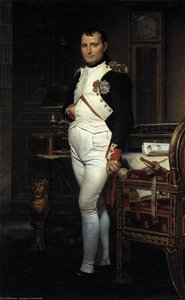 Napoleon in his Study - Jacques-Louis David
Napoleon in his Study by Jacques-Louis David isn’t just one of the top 25 artworks in the National Gallery of Art, Washington; it’s a high-impact study of raw, calculated power. Moving away from the typical battlefield hype, David captures Napoleon in a moment of intense, private focus. This is Neoclassicism at its most precise—the composition pulls you directly into his orbit, centered amidst the heavy weight of legal texts and philosophical papers. The room feels charged with the pressure of governance. Look closely at the clock: it’s a brilliant, ticking symbol of the urgency behind every imperial decision. There is no fluff here, only the striking visual of a leader wrestling with the gravity of history. To feature this in your space is to surround yourself with greatness; it doesn't just decorate a room—it liberates the very spirit of monumental, intellectual drama.
Home Sweet Home - Winslow Homer
 Home Sweet Home - Winslow Homer
Imagine the crackle of a dying fire against a biting Atlantic wind. In Winslow Homer’s Home Sweet Home , we aren't just viewing a landscape; we are stepping into the heavy, quiet pulse of 1863. As a standout piece among the top 25 artworks in 'National Gallery of Art, Washington' , this painting captures the raw, psychological weight of the American Civil War.
Homer uses masterful, textured brushwork to contrast a bleak, salt-sprayed coast with the flickering, amber warmth of a solitary campfire. You can almost feel the damp chill of the coastal air and the rugged resilience in the soldier's gaze. It is a cinematic study of longing—a visual metaphor for finding sanctuary amidst external chaos.
Integrating such a profound piece into a modern interior offers more than just aesthetic impact; it provides an anchor of reflection. Whether anchoring a minimalist loft or a bold, contemporary study, the painting’s ability to freeze a moment of human connection brings a sense of groundedness and quiet prestige to any space.
Woman Holding a Balance - Johannes Vermeer
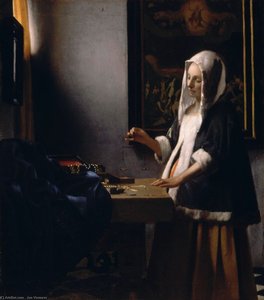 Woman Holding a Balance - Johannes Vermeer
Step into the quietude of Vermeer’s Woman Holding a Balance , where the light doesn't just illuminate; it breathes. If you look closely at the surface, you can almost feel the luminous, smooth application of paint that defines this Dutch masterpiece. Vermeer’s mastery of light and shadow—his signature chiaroscuro—creates a tactile depth, making the soft glow on the woman's sleeve and the delicate glint of the pearls feel physically present. This isn't just a painting; it is a study in equilibrium, a pivotal moment captured within the top 25 artworks in the National Gallery of Art, Washington . The way the light interacts with the textures of the fabric and the metallic scale creates a three-dimensional tension that is breathtaking. At ArtsDot, we believe this profound materiality shouldn't be lost in translation. Our hand-painted oil reproductions are meticulously crafted to preserve that exact tactile, three-dimensional quality —capturing every subtle brushstroke and tonal shift—so you can bring the soul of the Dutch Golden Age into your own space with a piece that feels as alive as the original.
Madonna and Child (The Large Cowper Madonna) - Raphael
 Madonna and Child (The Large Cowper Madonna) - Raphael
Observe the luminous, velvet-like transitions of light across the skin in Raphael’s Madonna and Child (The Large Cowper Madonna) . The mastery lies in the subtle, almost invisible brushwork that defines the soft contours of the Virgin’s face, creating a sense of divine presence. This piece stands as a pillar among the top 25 artworks in the National Gallery of Art, Washington, because of its revolutionary pyramidal composition and the masterful use of chiaroscuro to sculpt form from shadow. Raphael doesn't just paint figures; he builds a structural harmony that feels both weightless and profoundly grounded.
At ArtsDot.com, we believe this tactile, three-dimensional quality shouldn't be confined to museum walls. Our hand-painted oil reproductions are meticulously crafted on 100% cotton canvas to capture every delicate layer of pigment and the physical soul of the original, allowing you to bring this Renaissance masterpiece’s breathtaking texture into your own contemporary space.
The Strollers (study for 'Luncheon on the Grass' - Claude Monet
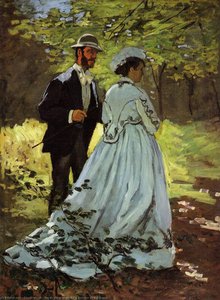 The Strollers (study for 'Luncheon on the Grass' - Claude Monet
The lines in The Strollers (study for 'Luncheon on the Grass') by Claude Monet aren’t drawn; they’re choreographed . This is not a composition; it’s a dance frozen in time . Standing as a vital entry among the top 25 artworks in National Gallery of Art, Washington, this piece captures the electric pulse of an era in transition. The dappled light filtering through the woodland canopy isn't just illumination; it is a rhythmic element that blurs the boundary between the figures and the forest. A man in quiet contemplation and a woman in elegant, flowing attire are suspended in a moment of soft, atmospheric tension. Monet doesn't merely render a scene; he distills the ephemeral flicker of light and the heavy ache of nostalgia into visible brushstrokes. It is a masterclass in capturing movement within stillness. What if your living room could hold that same balance? What if your walls could breathe rhythm ?
Conclusion
As the gallery lights dim and the echoes of footsteps fade into the quiet of the evening, we are left with something far more enduring than mere pigment on canvas. These masterpieces within the Chester Dale Collection are not just relics of a bygone era or static entries in an art history textbook; they are living, breathing presences that continue to pulse with the energy of their creators. Every deliberate brushstroke by Cézanne and every vibrant burst of color from Matisse acts as a bridge across time, sparking a silent, eternal conversation between the artist’s original vision and our modern gaze. To stand before these works is to feel the weight of history meeting the lightness of contemporary inspiration, realizing that the same emotions that moved collectors decades ago still have the power to shape our interiors, our aesthetics, and our very souls today. Whether we are finding new meaning in a classic portrait or seeking to bring that same transformative spirit into our own spaces, exploring this full collection serves as a reminder that great art never truly rests—it simply waits for us to look again.