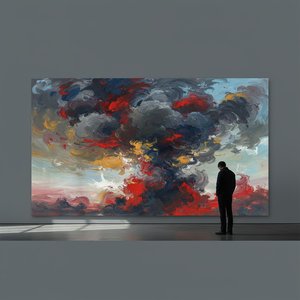
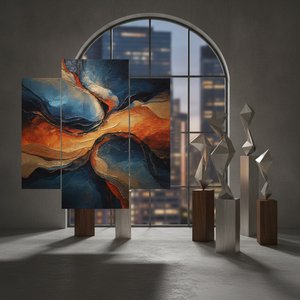
The Genesis of Emotion: From Impressionist Light to Abstract Expressionism
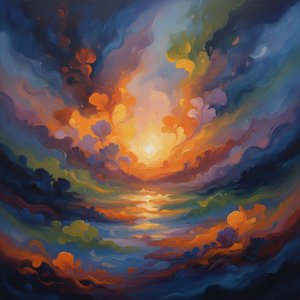 The Soul of Color: A Journey into the Emotional Resonance of Lyrical Abstraction
The Prelude to Abstraction: From Impressionist Light to Pure Emotion Abstract expressionism Abstract expressionism in the United States emerged as a distinct art movement in the aftermath of World War II and gained mainstream acceptance in the 1950s,...
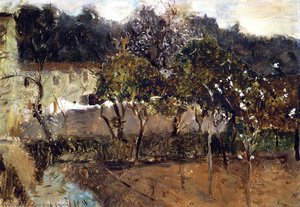
To understand the profound shift toward Lyrical Abstraction, one must first revisit the soft, dappled light of the beloved Impressionists. For decades, the art world found solace in the way Claude Monet captured a fleeting moment on a lily pond or how Pierre-Auguste Renoir imbued his figures with a warm, sun-drenched glow. These masters taught us that art is not merely about the rigid depiction of reality, but about the perception of atmosphere and the ephemeral quality of light. However, as the twentieth century dawned, a seismic shift began to occur within the creative consciousness. The focus started to drift from the external world—the visible landscape and the recognizable figure—toward the internal landscape of the human psyche.
This transition was not a sudden rupture but a gradual, poetic unfolding. As artists began to move beyond the boundaries of what could be seen, they sought to capture what could only be felt. The Impressionist fascination with light paved the way for an exploration of color as an independent force. Where a Monet landscape used color to describe a haystack or a cathedral, the pioneers of abstraction began to use color to describe a heartbeat, a sorrow, or a sudden burst of joy. It was a movement from the eye to the soul, where the canvas ceased to be a window onto a garden and became a mirror reflecting the depths of human experience.
The emergence of Abstract Expressionism in the aftermath of World War II brought this evolution to its zenith. Born from the trauma and uncertainty of a world grappling with unprecedented global conflict, this movement rejected representational painting in favor of spontaneous, visceral creation. It was an era where the canvas became an arena for action, a place where artists like Jackson Pollock and Mark Rothko could articulate existential questions through raw, unmediated gestures. This paved the way for Lyrical Abstraction, a style that retained the emotional intensity of its predecessors while embracing a more fluid, musical, and poetic approach to form.
The Visual Poem: Defining the Language of Lyrical Abstraction
Abstract expressionismAbstract expressionism in the United States emerged as a distinct art movement in the aftermath of World War II and gained mainstream acceptance in the 1950s, a shift from the American social realism of the 1930s influenced by the Great Depression an...
Lyrical abstraction arises from a delicate intersection of two distinct yet related trends in post-war modernist painting. It is a movement that finds its voice in the balance between the structured explorations of European Abstraction Lyrique and the more gestural impulses of American traditions. To gaze upon a lyrical abstract work is to read a visual poem, where the vocabulary consists not of words, but of sweeping brushstrokes, harmonious color gradations, and dynamic compositions. It is an art form that prioritizes the expressive qualities of the medium over representational accuracy, allowing for a sense of musicality to permeate the canvas.
The language of this movement is characterized by its fluidity and grace. Unlike the more aggressive or "action-oriented" aspects of some Abstract Expressionist works, Lyrical Abstraction often evokes a sense of rhythm and melody. The lines are not merely marks on a surface; they are lyrical flourishes that guide the viewer's eye through a landscape of pure emotion. This approach allows for a profound level of subjectivity, where the artist’s intuition and subconscious impulses are translated into a dance of pigment and light. It is an invitation to the viewer to move beyond literal interpretation and instead engage in a sensory experience of harmony and movement.
In this realm, the canvas becomes a space of pure atmosphere. The boundaries between form and background often dissolve, creating a sense of infinite depth. This dissolution is achieved through the masterful layering of color and the use of soft, blended edges that suggest motion and change. For the connoisseur of fine art, this style offers a unique intellectual and emotional challenge: to find meaning in the absence of recognizable objects and to discover the profound truths hidden within the interplay of hue and shape.
Masters of the Palette: Exploring the Works of Raymond Parker and John Levee
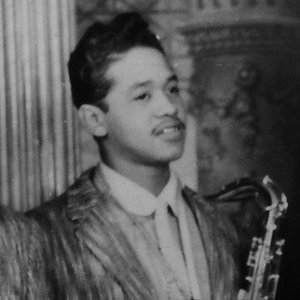 Raymond Parker
Raymond Parker: A Life in Color and Abstraction Born: Minneapolis, United States of America (1922) Died: 1990 Raymond Parker was a significant American painter associated with Abstract Expressionism, Color Field painting, and Lyrical Abstraction. His...
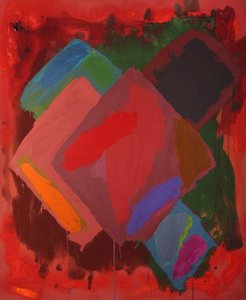
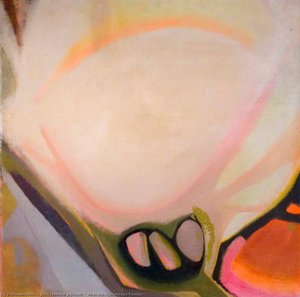
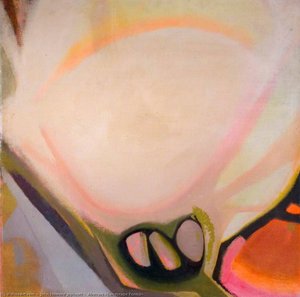
The history of Lyrically Abstract painting is enriched by the contributions of artists who dedicated their lives to exploring the expressive potential of color. One such significant figure was the American painter Raymond Parker. Born in Minneapolis, Parker’s artistic journey began with traditional techniques, yet he quickly gravitated toward the burgeoning Abstract Expressionist movement. His work serves as a bridge between the structured influences of Cubism and the more fluid, emotive realms of Color Field painting and Lyrical Abstraction. Parker's signature style emphasized the emotional power of color, often featuring large, sweeping brushstrokes and vibrant palettes that created an undeniable sense of energy and dynamism.
Parker’s process was deeply informed by his love for jazz music; the spontaneity and freedom inherent in improvisation found their way into his painting technique. He also drew great inspiration from Henri Matisse, particularly in how Matisse utilized color and form to evoke mood. By blending these influences, Parker created works that were both intellectually grounded and emotionally resonant, contributing significantly to the development of post-painterly abstraction.
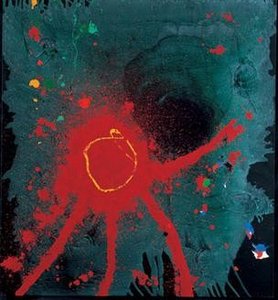
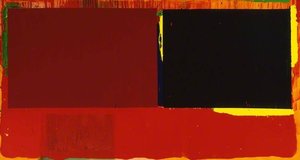
In a similar vein, the journey of John Levee offers a compelling narrative of artistic evolution. Originally pursuing philosophy before serving as an aviator in World War II, Levee’s move to Montparnasse, Paris, in 1949 became a pivotal moment in his trajectory. His work eventually matured into a form of Lyrical Abstraction characterized by loose brushwork and the sophisticated incorporation of collage elements. Levee’s canvases often evoke a sense of musicality through their fluid lines and harmonious colors, creating layers of meaning that invite prolonged contemplation. Like Parker, Levee’s ability to balance spontaneous gesture with a structured aesthetic vision makes him a cornerstone in the study of modern abstraction.
Color as Narrative: The Psychological Impact of Form and Hue
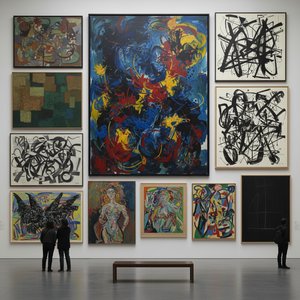 Abstract Expressionism's 10 Defining Masterpieces |
Introduction To gaze upon these ten canvases is to step into a realm where emotion reigns supreme, where the very act of painting became a visceral outpouring of the human spirit. The Abstract Expressionist movement, born in the aftermath of World Wa...
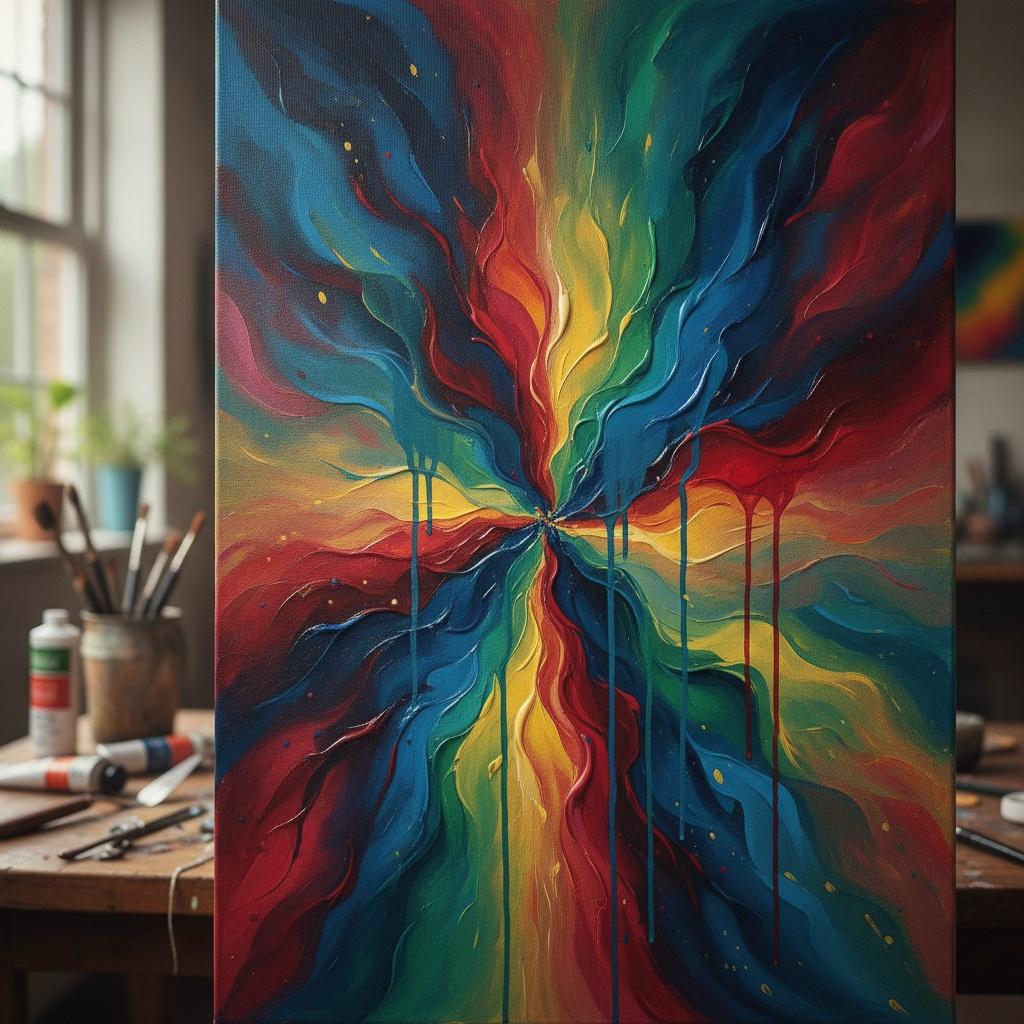
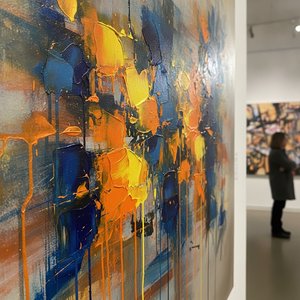
In the realm of Lyrical Abstraction, color is never merely decorative; it is the primary narrator of the artist's story. Because the movement lacks a literal subject, the weight of meaning falls upon the psychological resonance of the palette. We must consider how certain hues can evoke specific emotional states—how a deep, resonant blue might suggest the melancholy of twilight, or how a sudden burst of cadmium yellow can mimic the visceral joy of sunlight breaking through clouds. This use of color as an independent force allows the artist to communicate directly with the viewer's subconscious.
The interaction between color and form further complicates this narrative. A sharp, jagged edge of dark pigment can introduce tension and conflict into an otherwise serene composition, while soft, bleeding edges can suggest a sense of peace or dissolution. The way colors are layered—whether through transparent glazes that allow light to pass through or thick, impasto applications that create physical texture—adds a tactile dimension to the emotional experience. This interplay creates a complex visual texture that demands an active, rather than passive, engagement from the observer.
For those who appreciate the profound impact of art on the human spirit, these works offer a sanctuary of meaning. The psychological depth achieved through color and form allows Lyrical Abstraction to transcend the boundaries of time and culture. It speaks a universal language of feeling, making it possible for a viewer in the twenty-first century to connect intimately with the emotional landscape laid down by an artist decades ago.
The Legacy of Movement: How Lyrical Abstraction Redefined Modern Vision
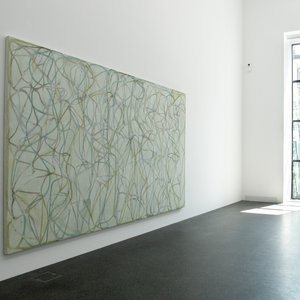 Daros Collection
A Sanctuary of Modern Vision: Exploring the Daros Collection Nestled in the heart of Zurich, Switzerland, the Daros Collection stands as a testament to the power of private vision and its ability to shape our understanding of modern and contemporary ...
The legacy of Lyrical Abstraction lies in its successful defiance of tradition and its embrace of pure subjectivity. By stripping away the constraints of narrative and representation, it expanded the definition of what a painting could achieve. It proved that art could be a profound exploration of the human condition without ever depicting a single recognizable object. This movement paved the way for subsequent generations to explore personal expression through the radical use of medium and technique, influencing everything from contemporary minimalism to modern multimedia installations.
Today, we see the echoes of this movement in the way contemporary artists approach color and space. The freedom established by the pioneers of Lyrical Abstraction continues to inspire those who seek to capture the intangible. Whether through the large-scale, immersive canvases that demand a bodily engagement or the intimate, textured works that invite quiet introspection, the movement remains a vital part of our modern visual vocabulary. It stands as a testament to the enduring power of the human spirit to find beauty and meaning in the abstract.
For the dedicated collector and art enthusiast, the appreciation of these masterpieces is a lifelong journey. At
ArtsDot.com, we are honored to preserve this heritage by offering exquisite, hand-painted reproductions of the world's most significant works. Our master artists, holding degrees from prestigious academies, specialize in capturing the very essence of these movements—from the visible, textured brushstrokes of an oil reproduction to the delicate light of a custom commission. Whether you seek to transform a personal memory through our
Custom Paintings from Photos service or wish to adorn your home with a museum-quality piece of art history, we invite you to explore our collection and bring the profound emotion of Lyrical Abstraction into your own space.